How Do I Get Medication Delivered to My Home in Canada?
Arriving in Canada often feels like stepping onto a new planet, and the last thing you want to worry about when you're feeling under the weather is how on earth you're going to get your prescriptions filled. It’s a common, utterly frustrating hurdle many newcomers face: you’re sick, unfamiliar with the area, maybe you don't have a car, and the thought of navigating a new pharmacy system feels impossible. This guide is here to walk you through the surprisingly convenient world of home medication delivery services across Canada, ensuring you can get the relief you need without adding more stress to your plate.
The Evolving Landscape of Pharmacy Delivery in Canada
When I first moved here, getting medication meant a trip to the nearest pharmacy, rain or shine, or in Canada's case, snow or sleet! Things have changed dramatically, thankfully, and pharmacy delivery services have become a real lifesaver, especially for those of us still finding our footing in this vast country.
Why Home Delivery is a Game-Changer for Newcomers
Let's be honest, moving to Canada is a monumental task. You're trying to figure out a new job, a new home, a new transit system, and a new culture, all while battling jet lag or the sheer exhaustion of immigration paperwork. The last thing you need when you're feeling unwell, or managing a chronic condition, is the added burden of physically getting to a pharmacy.
Imagine you've just arrived in Toronto, it's the middle of winter, and you've caught a nasty cold. You desperately need some over-the-counter relief, or perhaps your doctor just prescribed antibiotics. Public transport might be confusing, the snow is piling up, and you’re just not feeling up to venturing out. This is where home delivery shines. It offers unparalleled convenience, saving you time, energy, and the hassle of navigating unfamiliar streets or waiting in line when all you want to do is curl up with a hot tea. For newcomers, especially those who haven't yet mastered the local transit or acquired a car, this service is more than just a luxury; it's often a necessity that significantly reduces stress during vulnerable times.
How Pharmacy Delivery Works Generally
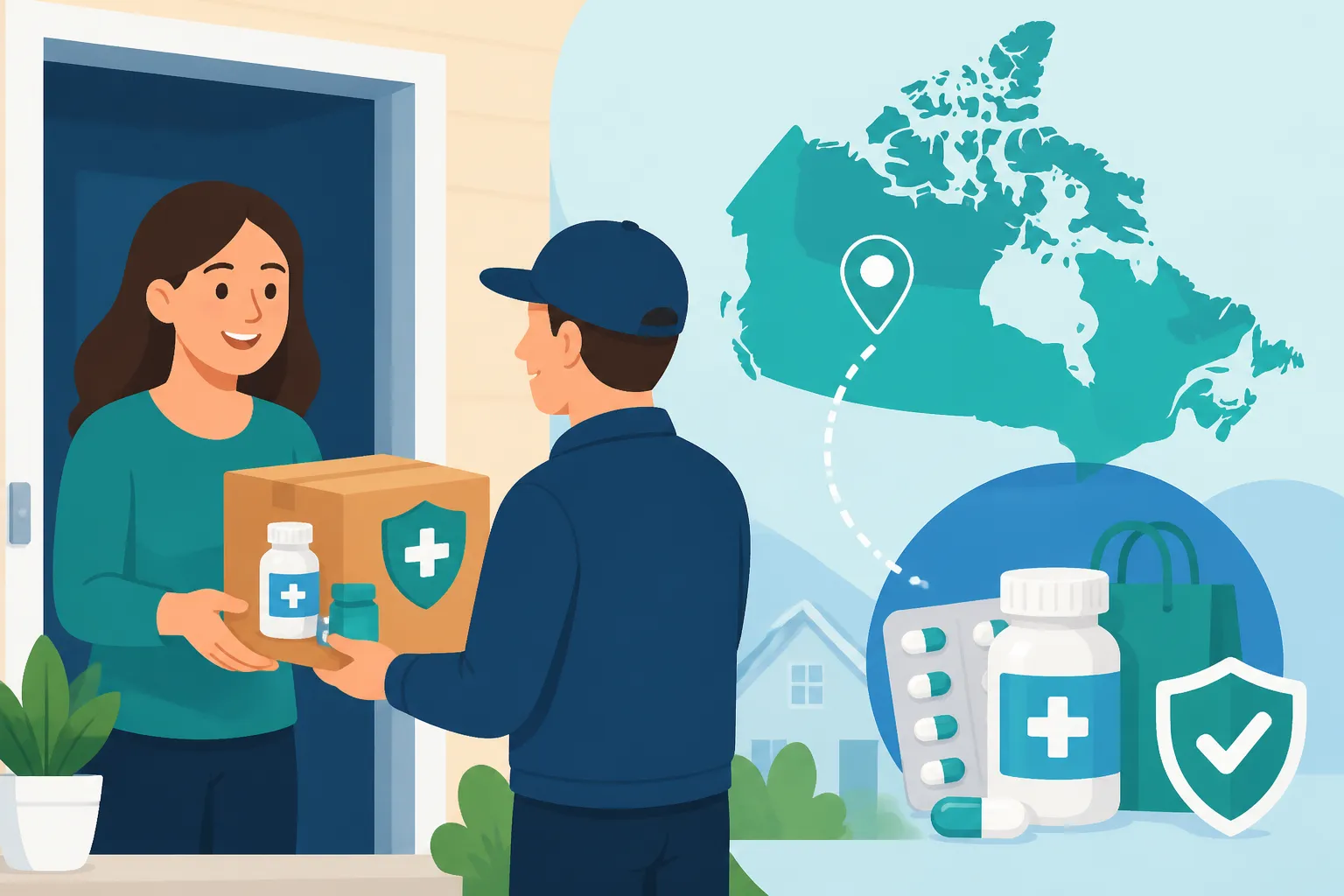
At its core, pharmacy delivery in Canada is quite straightforward. You have a valid prescription, either new from a Canadian doctor or transferred from a previous pharmacy, and you arrange for it to be delivered to your address. The process usually involves a few key steps:
- Doctor's Visit/Consultation: First, you need a prescription. If you're new, this means navigating the healthcare system. You might visit a walk-in clinic, or if you're lucky enough to have one, your family doctor. For a deeper dive into finding medical care, check out our guide on How to Find and Register with a Family Doctor in Canada. Once you have your prescription, the doctor can often send it directly to your chosen pharmacy electronically.
- Choosing Your Pharmacy: Not all pharmacies offer delivery, and the services can vary by province and even by specific location. We’ll delve into specific options shortly, but it’s crucial to pick one that suits your needs.
- Ordering and Payment: You'll typically place your order online through a pharmacy's website or app, or over the phone. You’ll need to provide your personal details, prescription information, and often your provincial health card number and any private insurance details. Payment is usually made online, or sometimes upon delivery.
- Delivery: Your medication will then be dispatched to your home. Most services provide tracking, and some require a signature or ID upon receipt to ensure safe and responsible delivery.
This system is designed to be user-friendly, but like anything new, it takes a little getting used to. Rest assured, once you've done it once or twice, it becomes second nature.
Finding a Pharmacy Offering Home Delivery Services
The Canadian landscape for pharmacy delivery has really blossomed, and you’ve got more options now than ever before. From the big national chains to hyper-local independent shops and even entirely online services, there’s usually a solution close at hand, or at least a few clicks away.
Major Chains and Their Offerings
When it comes to getting your medication delivered, the large pharmacy chains are often the first place newcomers look. They have extensive networks and have invested heavily in online ordering and delivery infrastructure.
- Shoppers Drug Mart: This is likely the most ubiquitous pharmacy chain across Canada. Most Shoppers Drug Mart locations offer prescription delivery services, often through their online portal or app. You can transfer existing prescriptions or have new ones sent directly by your doctor. They frequently partner with third-party delivery services like DoorDash or SkipTheDishes for same-day delivery in many urban centres, or use their own drivers for next-day service. Some locations might even offer free delivery within a certain radius, or with a minimum purchase. Their PC Optimum loyalty program also allows you to earn points on prescription purchases, which can be a nice bonus.
- Rexall: Another major player, Rexall pharmacies also provide online prescription management and home delivery. Similar to Shoppers, they often use a mix of in-house and third-party delivery to get medications to your doorstep. It’s always best to check their website or call your local Rexall to understand the specific delivery options, fees, and timelines available in your area.
- Jean Coutu (Quebec): If you've settled in Quebec, Jean Coutu is a dominant force. They offer a strong online platform and mobile app, making it easy to manage prescriptions, including refills and delivery options. Their delivery services are well-established within the province and cater specifically to the local population's needs.
- London Drugs (Western Canada): For those out West, London Drugs is a familiar name. While known for a broader range of products beyond just pharmacy, their pharmacy departments are robust and many locations offer delivery. Their service might be more localized, so checking with your specific branch is key.
These major chains are usually quite reliable, and their online systems are generally user-friendly, which is a huge relief when you’re navigating so many new things in Canada. Don't forget, when you're looking into getting settled with healthcare, understanding Prescription Medications and Pharmacies in Canada: The Complete Guide will be incredibly useful.
Independent Pharmacies and Local Solutions
While the big chains offer broad coverage, don't overlook your neighbourhood independent pharmacies. Many smaller, community-focused pharmacies have been offering personalized delivery for years, long before it became a popular trend. They often pride themselves on customer service and building relationships, which can be invaluable for newcomers who might appreciate a more human touch.
These local pharmacies might not have a fancy app, but a quick phone call can often reveal that they offer free delivery to local residents, especially for seniors or those with mobility issues. They can be incredibly flexible and might even go the extra mile, like providing medication reminders or offering more in-depth consultations. For example, in a smaller town in Alberta, an independent pharmacy might deliver your monthly prescriptions directly to your door, sometimes even without a delivery fee, simply as a part of their community service. It's worth a few minutes of your time to search online for "pharmacy delivery near me" or "independent pharmacy [your neighbourhood]" and make a call. You might be surprised by the tailored service you find.
Online-Only Pharmacies and Digital Platforms
The digital age has brought forth a new breed of pharmacies: the entirely online kind. These services operate solely through web platforms or apps and often focus on efficiency and convenience.
- PocketPills: One of the most prominent online-only pharmacies in Canada is PocketPills. They streamline the entire process: your doctor sends the prescription directly to them, you manage refills through their app, and they deliver your medication discreetly to your home anywhere in Canada. They often dispense medications in convenient daily dose packages, which can be a godsend for managing multiple prescriptions. Their model is especially attractive for those in remote areas or anyone who prefers a completely digital experience. They handle everything from prescription transfers to direct billing with most provincial and private insurance plans.
- Other Online Services: Beyond PocketPills, new online pharmacy services are popping up regularly, often focusing on specific types of medication or offering unique digital health consultations alongside delivery.
These online platforms are particularly beneficial for newcomers because they simplify access, remove geographical barriers, and usually have excellent multilingual support. Remember, if you're navigating the initial The Newcomer Waiting Period for Provincial Health Coverage in Canada (2027), you’ll likely be relying on private health insurance. Companies like SafetyWing, which offers travel medical insurance for digital nomads and expats, can often cover eligible prescription costs during this interim period, though it’s always critical to check the specifics of your policy to understand what’s included and any limitations on medication coverage.
Understanding Costs, Coverage, and Logistics
Navigating the financial and practical aspects of medication delivery in Canada can feel a bit like untangling a ball of yarn, especially with different provincial rules and insurance plans. But with a little guidance, it’s entirely manageable.
Delivery Fees and Minimum Orders
First, let's talk about the cold hard cash: delivery fees. These can vary significantly depending on the pharmacy and your location.
- Free Delivery: Many pharmacies, especially the larger chains, offer free delivery if your order meets a certain minimum dollar amount or if you’re within a specific geographical radius. Some, like many independent pharmacies, might offer free delivery as a standard service to their loyal customers, particularly for seniors or those with chronic conditions.
- Flat Fees: Other pharmacies charge a flat delivery fee, which can range from a few dollars to upwards of $15-$20, particularly for same-day or rush deliveries through third-party services.
- Subscription Models: Some online-only pharmacies might offer a subscription service that includes unlimited free deliveries, often bundled with other perks like medication management tools.
It's always, always best to clarify the delivery fees upfront. When you're new to Canada, every dollar counts, and unexpected charges can be a real headache. Don't be shy about asking your chosen pharmacy directly about their delivery fee structure. This also ties into understanding The Cost of Healthcare in Canada: A Complete Breakdown for Newcomers (2026), as delivery fees can add to your overall medical expenses.
Prescription Coverage and Payment
This is where it gets a bit more complex, as prescription drug coverage in Canada isn't universally free, unlike doctor visits.
- Provincial Health Plans: While provincial health plans cover doctor visits and hospital stays, they typically don't fully cover prescription medications dispensed outside of a hospital. However, most provinces have some form of a "Pharmacare" program or drug benefit plan that helps cover a portion of prescription costs, especially for seniors, low-income individuals, or those with catastrophic drug expenses. The coverage and eligibility criteria vary wildly by province. For instance, in Ontario, the Ontario Drug Benefit (ODB) Program covers many medications for those over 65, those on social assistance, or people with high drug costs relative to their income. You'll want to understand Understanding Prescription Drug Coverage and Pharmacare in Canada for your specific province.
- Private Health Insurance: This is often your primary source of prescription coverage. Many employers offer comprehensive group health benefits that include a significant portion of prescription drug costs. If you're self-employed, a student, or don't have employer benefits, you might need to purchase private health insurance. These plans typically cover a percentage of the drug cost after a deductible. For newcomers, especially during the initial waiting period for provincial health coverage, private insurance is absolutely crucial. A good travel medical insurance like SafetyWing can provide essential coverage during this period, covering unexpected medical emergencies and potentially eligible prescription drugs related to those emergencies or initial diagnoses, ensuring you're not left footing a massive bill. When planning your move, ensure you look into How to Buy Private Health Insurance as a Newcomer in Canada.
- Out-of-Pocket Payment: If you don't have provincial Pharmacare coverage or private insurance, or if your medication isn't covered, you will pay the full cost out of pocket. Many pharmacies offer generic alternatives, which are significantly cheaper than brand-name drugs, so always ask about these options.
- Direct Billing: Most Canadian pharmacies can directly bill your provincial drug plan or private insurance provider, meaning you only pay the remaining balance (your co-pay or deductible). When setting up delivery, ensure the pharmacy has all your insurance details on file.
Receiving Your Medication Safely
Safety and privacy are paramount when it comes to medication delivery. Here's what you should expect and look out for:
- Temperature-Sensitive Medications: If you require medication that needs to be refrigerated or kept at a specific temperature, discuss this with the pharmacy. Reputable services use insulated packaging with cold packs to maintain temperature integrity during transit.
- ID and Signature Requirements: For controlled substances or high-value medications, you will almost certainly be required to show photo identification and sign for the delivery. This is a standard safety protocol. Ensure you're available to receive the package yourself or designate someone else to do so if you can't be there, and inform the pharmacy in advance.
- Discreet Packaging: Medications are usually delivered in plain, unmarked packaging to ensure your privacy.
- Communication: A good delivery service will provide tracking information and estimated delivery windows, and some will even send a notification when the driver is close by. This allows you to plan your day and ensure you’re available to receive your package. For urgent situations, it’s vital to know about Emergency Medical Care in Canada: What Every Newcomer Needs to Know.
Comparing Pharmacy Delivery Services in Canada
To give you a clearer picture, here's a quick comparison of some common options. Remember, specific details can vary by location and time, so always double-check with your local branch or the service's website.
| Service Type | Examples | Typical Coverage/Presence | Delivery Fees/Conditions | Key Features for Newcomers |
|---|---|---|---|---|
| Major Chains | Shoppers Drug Mart, Rexall, Jean Coutu | Nationwide (Shoppers, Rexall), Provincial (Jean Coutu) | Often free with minimum purchase or within local radius; some use third-party fees | Widespread accessibility, online portals, integration with loyalty programs, direct billing, broad inventory. |
| Independent Pharmacies | Local community pharmacies | Hyper-local (neighbourhood specific) | Often free for local residents/seniors; highly variable | Personalized service, strong community ties, potentially more flexible, good for building long-term relationships, tailored advice. |
| Online-Only Pharmacies | PocketPills, Maple (select services) | Nationwide (shipping to most provinces) | Typically free with prescriptions; some may have fees for non-prescription items | Convenience for managing multiple meds, discrete packaging, dose-packaging options, remote access, good for bridging gaps in coverage with plans like SafetyWing. |
| Grocery Store Pharmacies | Loblaws, Sobeys, Walmart, Costco Pharmacies | Integrated within grocery stores nationwide | Variable, often free with larger orders or within a local area | One-stop-shop for groceries and prescriptions, competitive pricing on some generics, can be convenient if already shopping there. |
This table provides a general overview, but you should always confirm details directly with your chosen pharmacy, especially regarding fees and specific delivery zones.
Practical Steps for Setting Up Medication Delivery
Okay, so you’ve got a handle on the landscape and the various options. Now, let’s get down to the practical steps of actually getting your medication delivered to your Canadian home. This part can feel a little daunting initially, but once you’ve done it, it’s a breeze.
Getting Your Prescription Ready
Before you can even think about delivery, you need a valid Canadian prescription. This is step one, and it's vital.
- See a Doctor: If you're feeling unwell or need a refill for a chronic condition, your first stop is a doctor. This could be a family doctor (if you’ve managed to find one, which can be a quest in itself – check out our guide on How to Find a Doctor Taking New Patients in Canada), or more likely for newcomers, a walk-in clinic or a virtual care provider. When using virtual care, ensure the doctor is licensed in your province.
- Transferring Existing Prescriptions: If you’re arriving with prescriptions from another country, be aware that these are generally not valid in Canada. You'll need a Canadian doctor to reassess your condition and issue a new prescription. If you have an existing prescription from a Canadian doctor or pharmacy that you want to transfer to a new pharmacy (perhaps one that offers delivery), the new pharmacy can usually handle this for you. Just provide them with the name and contact information of your previous pharmacy and the prescription details.
- Electronic Prescriptions: Most doctors in Canada can now send prescriptions directly to your chosen pharmacy electronically. This is the most efficient method, as it reduces errors and saves you a trip. Make sure to tell your doctor which pharmacy you prefer and whether they offer delivery.
It's really important to get this step right. Without a valid prescription from a Canadian licensed healthcare professional, no pharmacy can dispense your medication.
Choosing and Registering with a Pharmacy
Once your prescription is sorted, it’s time to pick your delivery partner and get set up.
- Research and Compare: Based on the information above (major chains, independents, online-only), do a quick search for pharmacies in your area that offer delivery. Look at their websites, read reviews, and compare delivery fees and estimated times. Consider what factors are most important to you: cost, speed, personalized service, or digital convenience. For example, if you live in a bustling city like Montreal, you might have many options, but if you're in a more rural setting, your choices might be more limited to local independents or national services that ship from a central hub.
- Contact the Pharmacy: Once you've chosen, contact them. This could be by phone, through their website’s contact form, or by downloading their app.
- Provide Your Information: You'll need to register as a new patient. This will typically involve providing:
- Your full name and contact information.
- Your Canadian address.
- Your provincial health card number (once you have it – if you're still in the waiting period, you might be paying out of pocket or relying on private insurance like SafetyWing. You can learn more about applying for your provincial health card through our guide How to Apply for Your Provincial Health Card in Canada (2027)).
- Any private health insurance details (plan number, policy number, group number). This is where How to Use Private Health Insurance and Employer Benefits in Canada comes into play.
- Information about your doctor and the prescription itself.
- Confirm Delivery Details: Explicitly confirm how delivery works, including any fees, delivery windows, and requirements for receiving the package (e.g., ID, signature). This is crucial to avoid any surprises.
Managing Refills and Ongoing Deliveries
Getting your first delivery is great, but managing ongoing medication needs is where true convenience lies.
- Set Up Automatic Refills: Many pharmacies, especially the larger chains and online-only services, offer automatic refill programs. This means they will contact you a few days before your prescription is due for a refill, confirm you still need it, and then process and deliver it without you having to remember to call or log in each time. This is a fantastic feature for managing chronic conditions.
- Use Pharmacy Apps/Online Portals: If your pharmacy has an app or an online patient portal, use it! These platforms allow you to:
- View your prescription history.
- Request refills.
- Track the status of your orders.
- Update your personal or insurance information.
- Communicate with the pharmacy team.
- Stay Organized with Insurance: Keep track of your provincial health card and any private insurance details. If you change jobs or your insurance plan changes, update your pharmacy immediately to ensure seamless billing and coverage for your medications. This includes ensuring your temporary private insurance (like SafetyWing) is active and understood if you're still in that initial phase. It's all part of The Complete Guide to Healthcare in Canada for Newcomers (2027).
- Communicate with Your Doctor: Regular check-ups with your doctor are important to ensure your prescriptions are still appropriate and to get new prescriptions issued when needed. Your doctor can often send these directly to your preferred delivery pharmacy.
By taking these steps, you can set up a smooth and stress-free system for getting your medications delivered directly to your home, making one less thing to worry about as you build your new life in Canada. It truly transforms what could be a huge source of anxiety into a simple convenience.
Disclaimer
The information provided in this guide is for general informational purposes only and does not constitute medical or legal advice. Healthcare policies, provincial drug plans, pharmacy services, and insurance coverage can change frequently. Always consult with a qualified healthcare professional or your chosen pharmacy for specific medical advice and information relevant to your personal situation. It is essential to verify current policies, fees, and coverage directly with your provincial health authority, your insurance provider (e.g., SafetyWing, if applicable), and your preferred pharmacy.