How Express Entry Works for Permanent Residence in Canada (2027)
Express Entry manages permanent residence applications for the Federal Skilled Worker Program, Trades Program, and Canadian Experience Class.

Express Entry manages permanent residence applications for the Federal Skilled Worker Program, Trades Program, and Canadian Experience Class.

Canadian immigration processes, visa pathways, temporary status, economic programs, and permanent residency options for newcomers arriving in 2026.

Regional housing costs, foreign buyer rules, mortgage options, and credit building strategies help newcomers purchase Canadian real estate.

Canadian apartment renting details regional costs, property types, financial preparation, and document requirements for newcomers securing a home in 2026.

Canadian tax system mechanics include federal and provincial income taxes, sales taxes, benefit programs, and digital portal account management.

Canadian tax regulations for newcomers explain federal and provincial systems, the Canada Revenue Agency, key deadlines, and residency rules.

Foreign credential recognition in Canada explains educational assessments, professional licensing steps, and permanent residency rules for skilled workers.

Canadian work permits, credential assessments, professional licensing requirements, and job search strategies for newcomers.
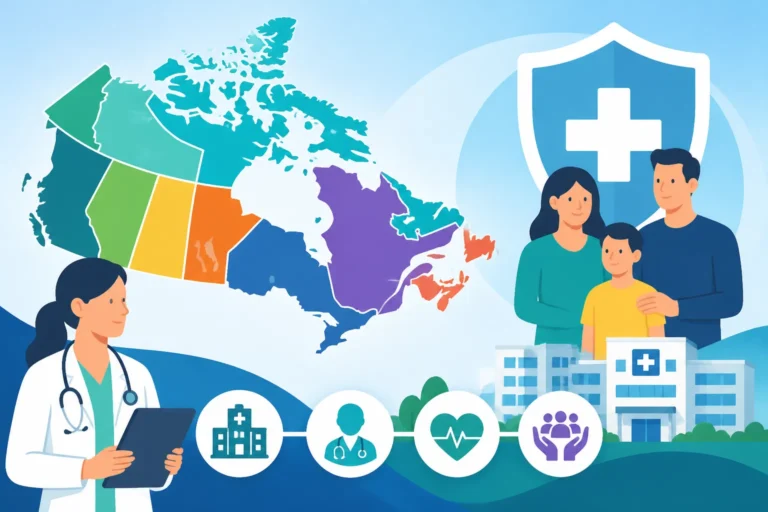
Canada provincial healthcare plans deliver public medical coverage, manage waiting periods, and exclude prescriptions, dental care, and therapy.

The Canadian medical system requires newcomers to navigate provincial waiting periods and manage uncovered expenses for health insurance.

Immigration pathways for skilled workers to Canada include the Express Entry system and Provincial Nominee Programs for permanent residence.
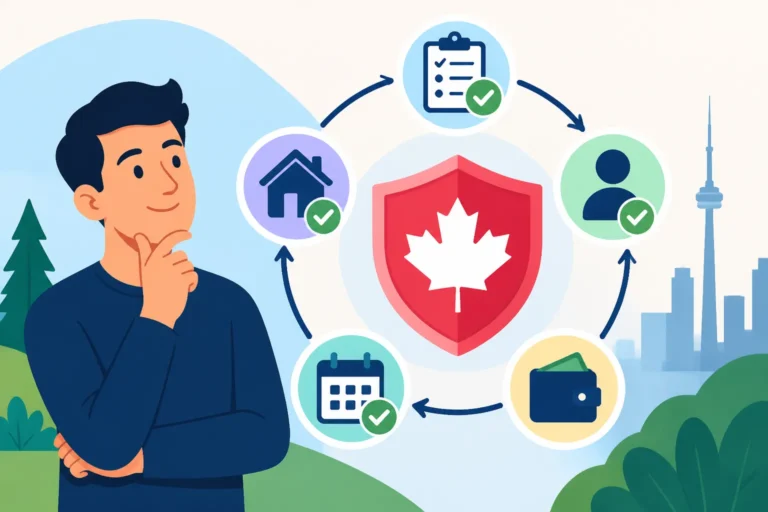
The Canadian residency obligation requires permanent residents to spend at least 730 days physically inside the country within any five-year period.
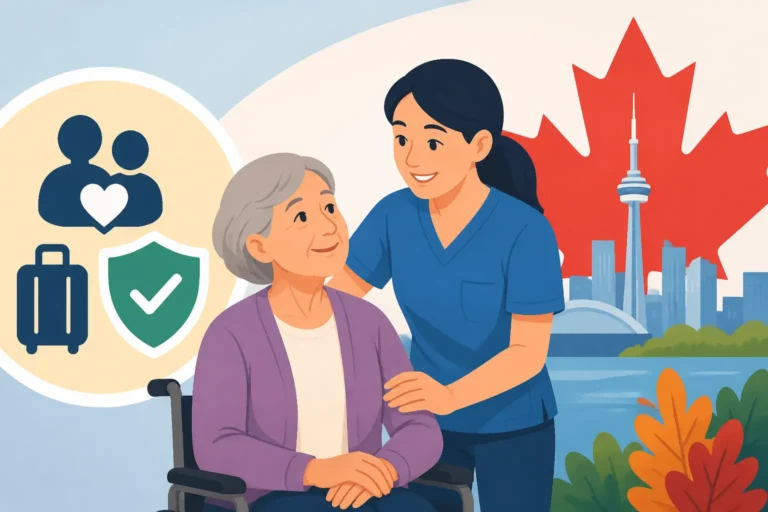
Canadian caregiver immigration programs offer federal pathways and provincial options for hiring qualified child care providers and home support workers.

The absence of a dedicated retirement visa in Canada means potential movers must explore alternative economic and family sponsorship pathways.
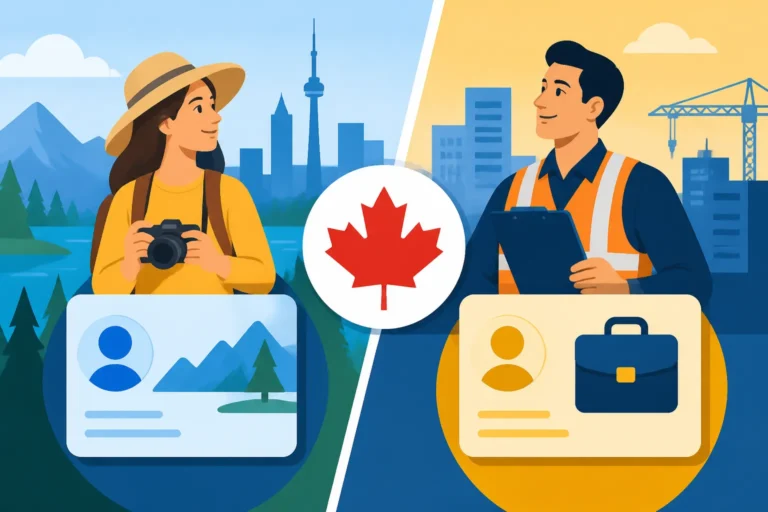
The fundamental differences between a Canadian visitor visa and a work permit include distinct purpose, length of stay, and employment rights.
Canadian immigration requirements and pathways are explained to help applicants identify appropriate programs and official resources.

Managing your Canadian immigration application without a consultant saves money and gives personal control, but requires significant time and attention.

Canadian spousal sponsorship requirements detail identity papers, financial proofs, relationship evidence, and required medical checks for immigration.

Formal renunciation of Canadian permanent residence allows former residents to avoid residency obligations, tax complications, and future travel problems.

Canadian permanent residents must be physically present in the country for 730 days within every five-year period to maintain status.