Can I Claim Doctor Visits on My Insurance in Canada?
Oh, the Canadian healthcare system! It's one of those things that, as an expat, you hear so much about before you arrive – "It's free!" "It's universal!" – and then you get here and realize it’s a beautifully complex beast with nuances that can leave even the most organized among us scratching our heads. One of the biggest questions I hear constantly is about doctor visits: "Can I just waltz into a clinic and expect it to be covered?" This guide is going to meticulously break down how doctor visits are typically covered in Canada, clarifying the roles of provincial plans versus private insurance, and helping you navigate the sometimes bewildering claims process.
Understanding Canada's Healthcare System for Doctor Visits
When you first arrive in Canada, the concept of "free healthcare" might feel a bit like a mirage, especially if you're hit with a bill. The reality is that Canada operates on a publicly funded, provincially administered healthcare system. This means that while healthcare is generally universal, the specifics of what’s covered, and when, can vary significantly depending on where you land and your immigration status. Doctor visits are indeed a cornerstone of this system, but there are layers to peel back.
Provincial Health Plans: The Foundation of Coverage
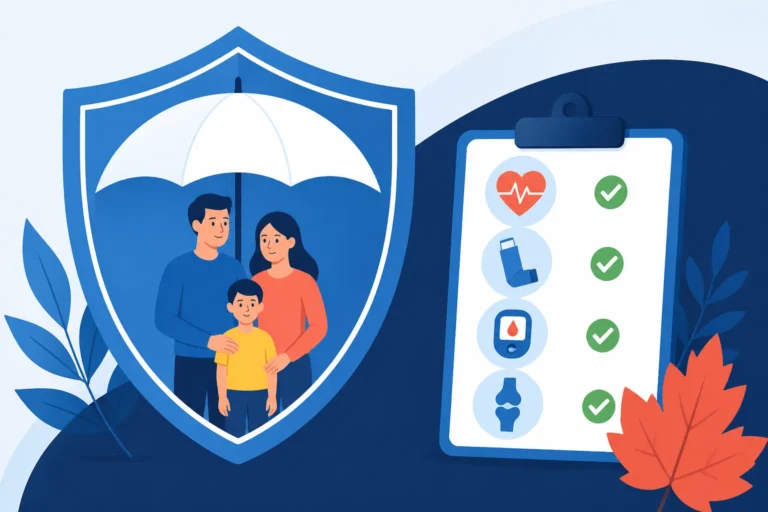
At its heart, Canada's healthcare system ensures that medically necessary services provided by physicians and hospitals are covered by your provincial health plan. This is the "free" part that everyone talks about. Once you're eligible and have your provincial health card – think of it as your golden ticket – seeing a family doctor, a specialist (with a referral, of course), or visiting an urgent care clinic for something considered medically necessary won't cost you out-of-pocket at the point of service.
For example, if you're living in Ontario and have an OHIP card, when you visit your family doctor for a routine check-up, a flu shot, or to discuss a new symptom, you simply present your card. The doctor's office then bills the provincial government directly. You won't see a bill, nor will you have to file a claim yourself for that specific service. The same applies if you're in British Columbia with your MSP card, or Quebec with your RAMQ card, and so on. These plans are designed to cover primary care, diagnostic tests (like blood work or X-rays when ordered by a doctor), and necessary hospital services. This is why getting your provincial health card promptly after arriving is paramount for your long-term well-being and financial peace of mind.
The Newcomer Waiting Period: A Critical Gap
Now, here's where the initial confusion and potential for unexpected costs often come into play for newcomers. While Canadian citizens and permanent residents generally have immediate access to provincial health coverage (or a very short wait), many provinces impose a waiting period for new residents, including those on certain work permits. This is typically up to three months from the date you establish residency in that province. During this time, you are not covered by the provincial health plan for most services, including routine doctor visits.
Imagine you've just landed in Vancouver, full of excitement, but then a few weeks later, you come down with a nasty flu or worse, break an ankle. Without private insurance during this waiting period, a simple walk-in clinic visit, let alone an emergency room trip, could cost you hundreds, if not thousands, of dollars. This gap is a huge source of anxiety for many expats, and rightly so. I've seen too many people caught off guard, assuming "Canada's free healthcare" meant immediate access, only to face daunting medical bills. Understanding the newcomer waiting period for provincial health coverage in Canada (2027) is not just important; it's absolutely critical for your financial planning and health.
What Provincial Plans Don't Cover
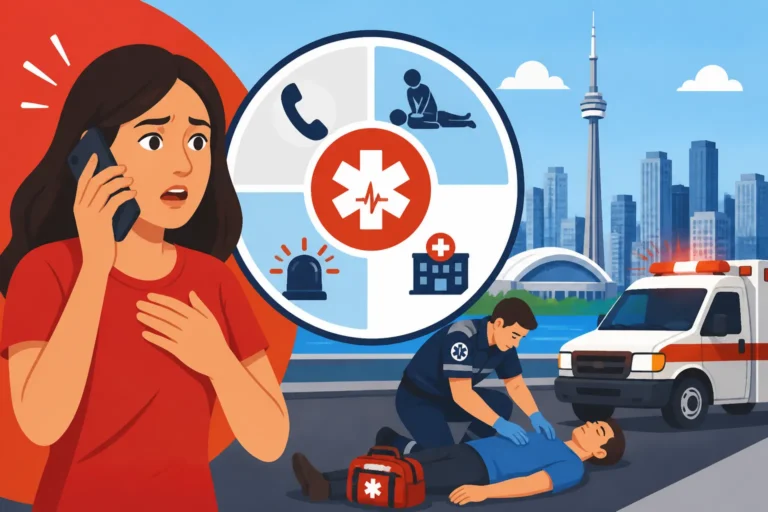
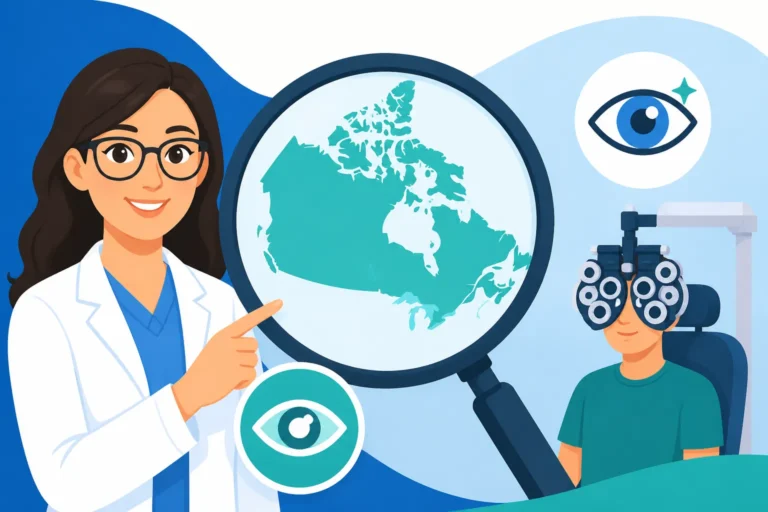
Even after your provincial coverage kicks in, it's vital to understand its limitations. "Medically necessary" is the key phrase here. While doctor visits for illness or injury are covered, many other common health services are not. This includes most dental care, vision care (like eye exams for adults, glasses, and contacts), prescription medications outside of a hospital setting (though some provinces offer drug plans for certain groups or conditions, and the new Canadian Dental Care Plan is changing things for dental), physiotherapy, chiropractic treatments, naturopathy, massage therapy, and sometimes even ambulance services (you often get a bill, even if it's partially covered).
So, while your visit to a general practitioner for a cough will be covered by your provincial plan, if that doctor then prescribes antibiotics, you'll likely pay for those at the pharmacy. Similarly, if you need a root canal, that's almost certainly coming out of your pocket. This is where supplementary private health insurance becomes incredibly valuable, and often, a necessity, as it helps cover these services that fall outside the provincial umbrella. Knowing what provincial health plans do and don't cover in Canada will save you a lot of headaches later on.
When Private Insurance Steps In: Covering the Gaps
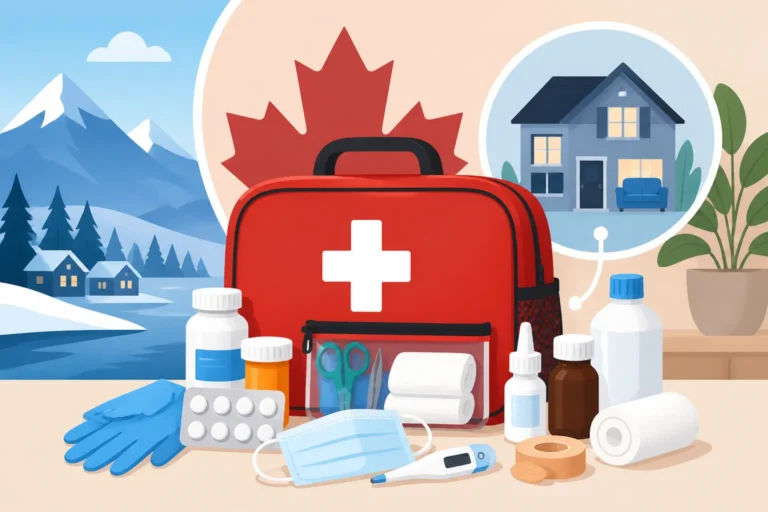
Given the provincial waiting period and the scope limitations of public plans, private health insurance isn't just a luxury for newcomers; it's often a pragmatic necessity. This is where you can truly "claim doctor visits on your insurance" if those visits aren't covered by your provincial plan.
Bridging the Waiting Period with Private Insurance
As mentioned, the up-to-three-month waiting period can be a precarious time. This is precisely why obtaining private health insurance for newcomers is so strongly recommended, even before you set foot on Canadian soil. These short-term private plans are specifically designed to cover unexpected medical emergencies and urgent doctor visits during this gap, preventing you from incurring massive out-of-pocket expenses.
Many providers offer travel or newcomer insurance policies that include coverage for doctor visits, hospital stays, and sometimes even prescription medications if they're part of an emergency treatment. Companies like SafetyWing, for instance, offer flexible travel insurance plans that can be a lifesaver for digital nomads or those in their initial months in Canada. They understand the unique needs of people moving to a new country and often provide coverage options that can be purchased for shorter durations, offering peace of mind until your provincial coverage begins. Having a plan like this means that if you need to see a doctor for an unforeseen medical issue, you can pay upfront and then submit a claim to your private insurer for reimbursement, just like you would in many other countries. It’s an essential safety net for those vulnerable first few months.
Supplementary Private Health Insurance: Beyond Provincial Coverage
Once your provincial health coverage is active, private insurance shifts its role from emergency coverage during the waiting period to supplementary coverage, filling in the gaps that provincial plans don't address. These plans are often referred to as "extended health benefits." Many Canadians receive this type of private coverage through their employers as part of their benefits package. If you're self-employed or your employer doesn't offer comprehensive benefits, you can purchase an individual private health insurance plan.
These plans typically cover a percentage of costs for services like prescription drugs, dental care, vision care, paramedical services (e.g., physiotherapy, chiropractic, massage therapy), and sometimes even mental health support services that might not be fully covered by the provincial plan. For example, if your provincial plan doesn't cover your specific prescribed medication for a chronic condition, your supplementary private plan might cover 80% of the cost, leaving you responsible for the remaining 20%. Some plans may even cover certain specialist visits if they are outside the provincial "medically necessary" definition but are deemed beneficial, or if you prefer to bypass public system wait times by seeing a private practitioner.
How to Claim Doctor Visits with Private Insurance
The process for claiming doctor visits or other medical expenses on your private insurance generally involves a few key steps:
- Pay Upfront: For most private insurance claims, you will first pay for the service or prescription out-of-pocket. This is especially true for doctor visits during the waiting period or for services like physiotherapy. Some clinics or pharmacies might offer direct billing to larger insurance companies, but it's not universally available, especially for initial doctor visits or less common providers. Always be prepared to pay first.
- Obtain a Detailed Receipt: This is crucial. Make sure your receipt includes:
- The date of service.
- The full name and address of the provider (doctor, clinic, pharmacy, etc.).
- A clear description of the service received (e.g., "Physician Consultation," "Prescription Medication," "Dental Cleaning").
- The cost of the service.
- The name of the patient.
- Sometimes, specific billing codes (like a Drug Identification Number, DIN, for prescriptions or a professional college registration number for paramedical services).
- Complete a Claim Form: Your private insurance provider will have a specific claim form, often available on their website or through their mobile app. Fill this out completely, including your policy number, personal details, and details of the service received.
- Submit the Claim: Attach your detailed receipt(s) to the completed claim form. Most insurers now allow online submission through a member portal or a mobile app by simply uploading photos of your documents. You can also typically mail in your claim.
- Reimbursement: If your claim is approved, the insurance company will reimburse you for the covered portion of the expense, usually via direct deposit to your bank account or by cheque. This process can take anywhere from a few days to a few weeks, depending on the insurer and the method of submission.
It's always a good idea to keep copies of all your submitted documents for your records. This structured approach helps ensure you get back what you're owed. If you’re unsure, contacting your specific insurer, whether it's a short-term provider like SafetyWing or a long-term benefits provider, is always the best first step. They can clarify how to claim health expenses through insurance in Canada.
Navigating the Claims Process
Dealing with insurance claims can feel like navigating a maze, especially in a new country with unfamiliar systems. But with a bit of organization and understanding of what’s expected, it becomes much more manageable.
Gathering Your Documents: What You'll Need
Accuracy and completeness are your best friends when it comes to insurance claims. Beyond the detailed receipt from your doctor or medical provider, depending on the type of claim and your insurance policy, you might need additional documentation.
For instance, if you're claiming for a specialist visit that required a referral, having a copy of that referral letter from your family doctor can sometimes be helpful, especially if it's for a service that's on the borderline of what's typically covered. If it's a claim related to an accident, you might need police reports or other incident details. For prescriptions, ensure the pharmacy receipt clearly lists the medication name, strength, quantity, and the Drug Identification Number (DIN). It's also wise to keep your insurance policy document handy, or at least know where to access it digitally. This document outlines your coverage limits, deductibles, co-pays, and the specific services that are eligible for reimbursement. A policy number and group benefits number (if applicable through an employer) are non-negotiable for any claim.
Submitting Your Claim: Online, Mail, or App
The days of endless paperwork are, thankfully, largely behind us, although mail-in options still exist. Most major private insurance providers in Canada, such as Manulife, Sun Life, or Canada Life, offer several convenient ways to submit claims:
- Online Portal: This is typically the fastest and most efficient method. You log into your secure member account on their website, navigate to the claims section, fill out the electronic form, and upload digital copies (scans or clear photos) of your receipts.
- Mobile App: Many insurers have dedicated smartphone apps that allow you to snap a picture of your receipt with your phone and submit it directly. These apps are often incredibly user-friendly and offer real-time updates on your claim status.
- Mail: If you prefer the traditional route or if you're claiming a complex service that requires original documents, you can print a claim form from your insurer's website, fill it out, attach your original receipts, and mail them to the address provided. Just remember to make copies of everything for your own records before you send them off.
Always choose the method that you find most comfortable and reliable, but keep in mind that online or app submissions generally lead to quicker processing and reimbursement times. When I first arrived, I found the apps for banking and insurance incredibly helpful for keeping track of everything digitally!
Understanding Reimbursement and Deductibles
Before you expect a full reimbursement, it's important to understand a few key terms that often come with private health insurance policies:
- Deductible: This is an amount you must pay out-of-pocket for covered medical services before your insurance plan starts to pay. For example, if your plan has a $100 deductible, you'll pay the first $100 of your eligible medical expenses each year, and the insurance company will start covering costs only after you've met that deductible.
- Co-insurance/Co-pay: This refers to the percentage of costs for a covered service that you are still responsible for after you've met your deductible. For example, a plan might cover 80% of prescription drug costs, meaning you pay the remaining 20%. This is often reflected in the actual reimbursement amount you receive.
- Maximums: Many plans have annual or lifetime maximums for specific services. For instance, you might have a maximum of $500 per year for physiotherapy or $1,000 for dental work. Once you hit that maximum, you're responsible for the full cost until the next benefit year.
When you submit a claim, the insurance company will assess it against your policy's terms. They will apply any deductibles, co-pays, or maximums, and then reimburse you for the remaining eligible amount. If you're wondering how much private health insurance costs in Canada in 2026, these factors like deductibles and coverage maximums often play a role in the premium calculation.
Practical Tips and Important Considerations for Newcomers
Navigating healthcare and insurance in a new country can feel like a full-time job. Here are some practical tips I've picked up over the years that can make your life a little easier.
Finding a Doctor and Understanding Referrals
One of the biggest hurdles for newcomers is finding a family doctor. Canada, particularly in larger urban centers, faces a shortage of family physicians, and it can take months or even years to find one accepting new patients. Many newcomers initially rely on walk-in clinics for non-emergency care. However, having a family doctor is crucial because they act as your primary point of contact for healthcare, manage your overall health, and, critically, provide referrals to specialists.
In the Canadian system, you generally cannot just call up a specialist (like a dermatologist or a cardiologist) and book an appointment. You need a referral from a family doctor, who determines if a specialist visit is medically necessary. Your provincial health plan will only cover specialist visits that are medically referred. If you bypass this system and seek out a private specialist without a referral, neither your provincial plan nor many private supplementary plans will cover the cost, unless specifically stated in a very niche private policy. Learning how specialist referrals work in the Canadian health system is a must.
The Role of Walk-in Clinics
Walk-in clinics are a vital part of the Canadian healthcare landscape, especially for newcomers who haven't yet found a family doctor or for anyone needing urgent but non-emergency care. If you have active provincial health coverage, most medically necessary visits to a walk-in clinic will be covered, similar to a visit to a family doctor. You'll present your provincial health card, and the clinic will bill the province directly.
During your waiting period, however, a walk-in clinic visit would be an out-of-pocket expense. This is where your short-term private insurance, like a plan from SafetyWing, would come into play. You'd pay the clinic directly (costs can range from $80 to $200+ for a basic consultation, depending on the province and complexity), get a detailed receipt, and then submit that receipt to your private insurer for reimbursement. It's a lifesaver, really, because nobody wants to be sick and worrying about massive bills. Many walk-in clinics are familiar with temporary foreign resident insurance, so don't hesitate to ask them about their billing practices upfront.
Keeping Track of Your Medical Expenses
Even when your provincial plan covers doctor visits, and your private plan covers some extras, it's always a good habit to keep meticulous records of all your medical expenses. This includes:
- Provincial Health Card Usage: While you don't get receipts for provincial coverage, knowing when and where you accessed care can be useful.
- Private Insurance Claims: Keep copies of all receipts and submitted claim forms, along with the reimbursement statements from your insurer.
- Out-of-Pocket Expenses: For anything not covered by either plan, keep these receipts.
Why? Firstly, for your own budgeting and health history. Secondly, for tax purposes! Canada's tax system allows you to claim certain medical expenses as non-refundable tax credits on your annual income tax return if they exceed a certain threshold. These can include dental expenses, prescription drugs, certain medical devices, and even some paramedical services. Keeping detailed records will make filing your taxes much easier and ensure you don't miss out on any eligible deductions. Your organized approach will pay off, literally.
Table: Provincial vs. Private Coverage for Doctor Visits in Canada
| Feature / Service | Provincial Health Plan (e.g., OHIP, MSP, RAMQ) | Private/Supplementary Health Insurance (e.g., Employer Benefits, SafetyWing) |
|---|---|---|
| Eligibility | Citizens, Permanent Residents, eligible temporary residents | Newcomers during waiting period, employees with benefits, individual purchasers |
| Standard Doctor Visits (GP) | Fully Covered (medically necessary) | Covered for urgent/emergency during waiting period; sometimes for specific services not "medically necessary" |
| Specialist Visits (referred) | Fully Covered (medically necessary, with referral) | Generally not for medically necessary visits; may cover private specialists if chosen over public |
| Newcomer Waiting Period | NOT Covered (typically up to 3 months) | Covers urgent/emergency visits during this period |
| Prescription Medications | Limited coverage (e.g., for seniors, low-income, in-hospital) | Often Covered (percentage-based, deductibles apply) |
| Dental Care | Generally NOT Covered (except emergencies, some children's programs) | Often Covered (e.g., cleanings, fillings, % of major work) |
| Vision Care | Limited (e.g., for children, seniors) | Often Covered (eye exams for adults, glasses, contacts) |
| Paramedical Services (Physio, Chiro) | Limited or NOT Covered (some hospital-based physio) | Often Covered (percentage-based, annual maximums) |
| Mental Health Support | Some psychiatrist visits (with referral), limited counselling | Often Covered (psychologists, therapists, counsellors, annual maximums) |
| Claims Process | Doctor bills province directly; no patient claim | Patient pays upfront, submits detailed receipt to insurer for reimbursement |
Disclaimer
The information provided in this guide is intended for general informational purposes only and does not constitute professional medical, legal, or financial advice. While we strive to keep the information up-to-date and accurate, healthcare policies, insurance plans, and regulations in Canada are subject to change. It is essential to consult with an authorized immigration consultant, a licensed insurance provider, or a healthcare professional for advice tailored to your specific situation and to verify the most current requirements and coverage details. We strongly recommend reviewing the terms and conditions of any insurance policy you consider and contacting provincial health authorities for the latest information on eligibility and services.