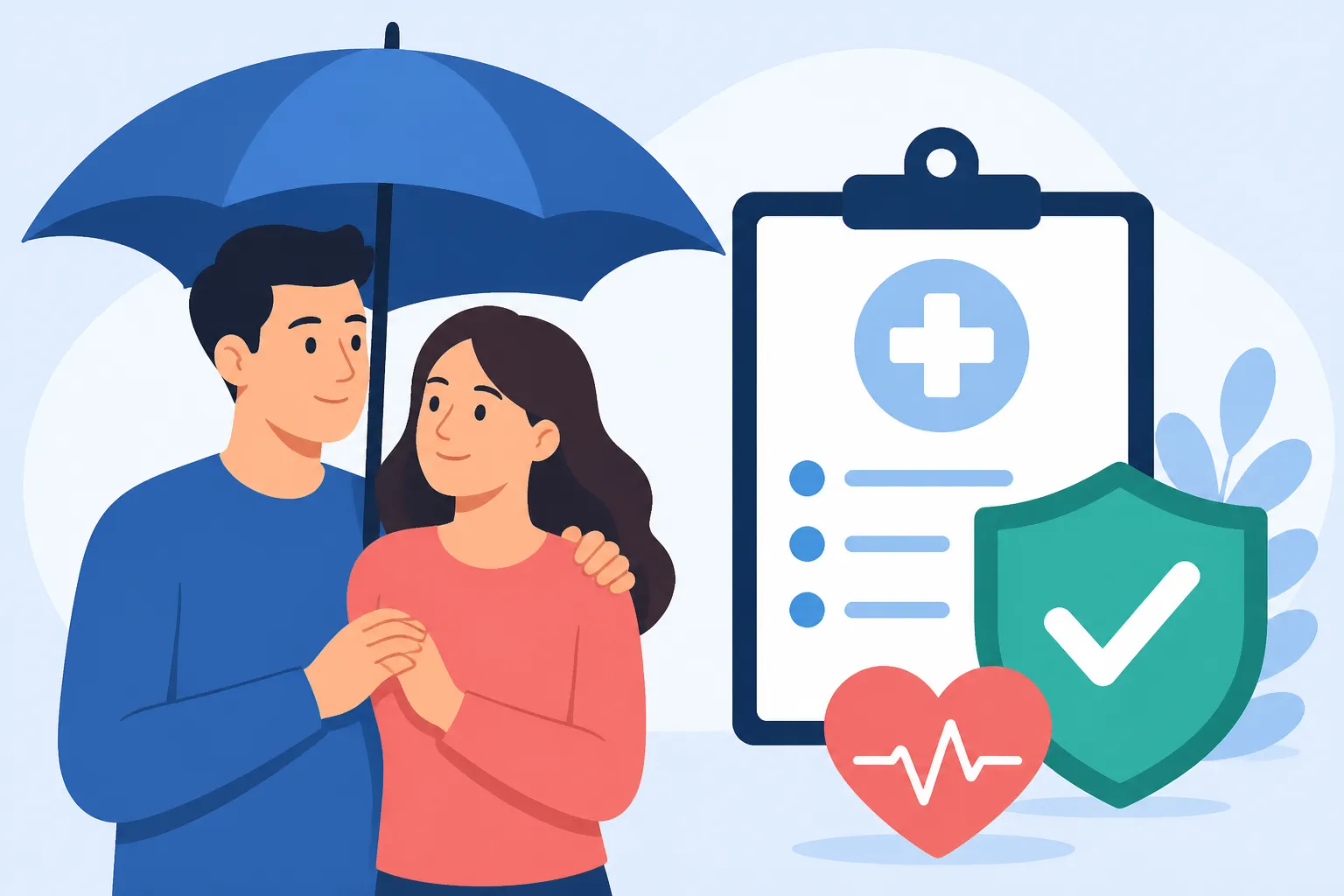
Can I Add My Spouse to My Health Coverage in Canada?
Moving to Canada with your partner is an exciting chapter, but let's be real: navigating the healthcare system, especially getting your spouse covered, can feel like you're trying to solve a Rubik's Cube blindfolded. You've heard about Canada's "free healthcare," but the reality for newcomers, particularly when it comes to family coverage, is often far more complex than that. This guide is here to walk you through the ins and outs of adding your spouse to your health coverage in Canada, covering both provincial plans and private insurance options, and hopefully easing some of that administrative headache.
Understanding Provincial Health Coverage for Spouses
First things first, Canada's healthcare system isn't a single, unified entity. It's a patchwork of provincial and territorial plans, each with its own rules, eligibility criteria, and, crucially, waiting periods. This is where a lot of newcomers stumble, especially when one spouse arrives earlier or if there's a delay in paperwork.
Eligibility Criteria and Provincial Differences
For your spouse to be eligible for a provincial health plan like OHIP in Ontario, MSP in British Columbia, RAMQ in Quebec, or AHCIP in Alberta, they generally need to meet specific residency requirements. This usually means they must be considered a permanent resident, a Convention Refugee, or hold a valid work permit that's for a certain duration (often six months or more) and allows them to reside in that specific province. If one of you is already covered, it doesn't automatically mean your spouse is. You usually need to proactively apply for their coverage.
For instance, in Ontario, if you're covered by OHIP, your spouse will need to submit their own application, often alongside yours if you're applying together, or as an addition if you're already enrolled. They'll need to prove their identity, their immigration status, and their residency in Ontario. It's not uncommon for couples to find that because of varying arrival dates or nuances in their immigration documents, one spouse might get their health card sooner than the other. This can be incredibly frustrating, especially if you were expecting a smooth process for both of you. Each province has its own application process, so it's vital to look into How to Apply for OHIP, MSP, RAMQ or AHCIP When You Arrive in Canada specific to your new home.
The Notorious Waiting Period
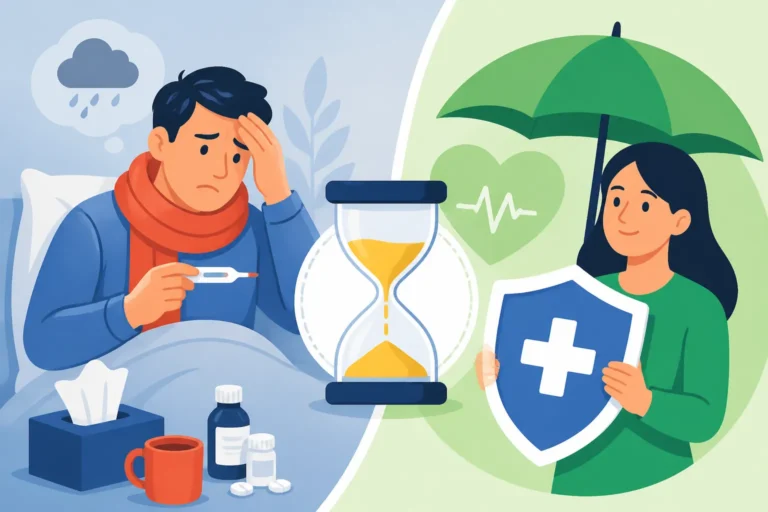
Ah, the waiting period. This is often the biggest hurdle for newcomers. Most provinces, including Ontario, British Columbia, and Quebec, impose a waiting period, typically up to three months, before new residents become eligible for provincial health coverage. This means that even if you've done everything right and submitted all your documents on time, you and your spouse could be without public health insurance for a full ninety days.
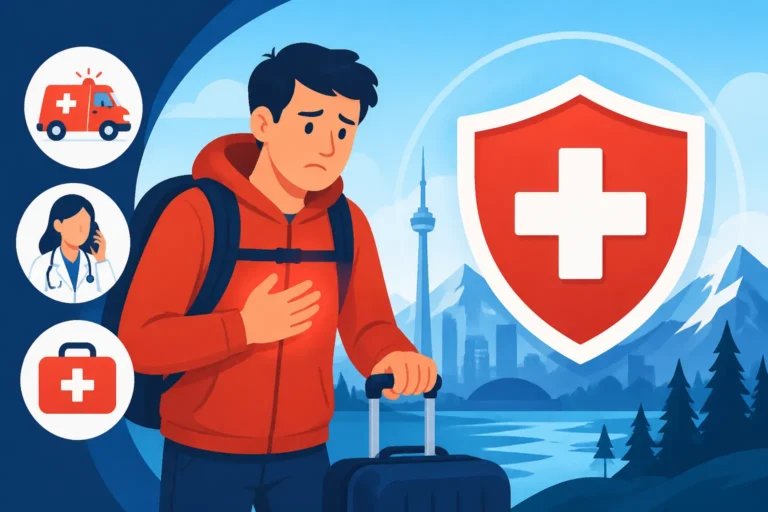
Imagine this scenario: you've just landed in Toronto, excited about your new life. You and your spouse diligently apply for OHIP, but then you're told there's a three-month wait. What if one of you gets sick during this period? What if there's an accident? This uncertainty is a major source of anxiety for many expat couples. It’s a common misconception that because Canada has public healthcare, it's immediately accessible upon arrival. Understanding the nuances of The Newcomer Waiting Period for Provincial Health Coverage in Canada (2027) is crucial for proper planning. This waiting period applies to all eligible family members, meaning both you and your spouse would likely face it together, or sequentially if you arrive at different times.
Navigating Private Health Insurance for Couples
Given the provincial waiting periods and the fact that public plans don't cover everything, private health insurance becomes a crucial consideration for many newcomer couples. This isn't just a "nice-to-have"; it can be a financial lifesaver.
Bridging the Gap: Coverage During Waiting Periods
For those three months (or longer, if there are processing delays), private health insurance is your safety net. This is where options designed for travelers or newcomers really shine. You can purchase a plan that specifically covers you and your spouse during that initial waiting period for provincial coverage. These plans typically cover emergency medical services, doctor visits, hospital stays, and sometimes even prescription medications, which wouldn't be covered by the provincial plan yet.
Think of it this way: you wouldn't drive a car without insurance, right? The same logic applies to your health when you're in a new country and not yet covered by the public system. Some providers, like SafetyWing, offer travel medical insurance that can be a flexible option for individuals and couples during this transitional phase, especially if your plans are still a bit fluid. It's an important tool for ensuring you're not caught off guard by unexpected medical bills. When looking into How to Get Private Health Insurance to Cover the Waiting Period in Canada, ensure the policy explicitly covers emergency care and the types of services you might realistically need.
Supplementary Coverage Beyond Provincial Plans
Even once you and your spouse are enrolled in a provincial health plan, there are significant gaps in coverage that private insurance can fill. Public plans generally cover physician services and hospital care, but they often don't cover prescription drugs, dental care, vision care, physiotherapy, or mental health services like psychotherapy. These are services that many couples rely on regularly, and paying out-of-pocket can add up quickly.
Many Canadians rely on employer-provided health benefits to cover these supplementary services. If one or both of you secures employment with such benefits, you can usually add your spouse to your plan. However, not all jobs offer comprehensive benefits, and self-employed individuals or those working in contract roles might not have access to these. In such cases, purchasing a private supplementary health insurance plan for your family is a smart move. These plans can be tailored to your needs, covering dental check-ups, glasses, prescription refills, and more, making your life in Canada much more predictable and less financially stressful. For a deeper dive, explore Public vs Private Healthcare in Canada: What Newcomers Need to Know.
Comparing Private Insurance Options
When you're looking at private insurance, it can feel like a maze. There are so many providers, so many plans, and comparing them is a huge task. Here's a simplified look at what to consider:
| Feature | Bridging/Visitor Insurance (e.g., SafetyWing) | Supplementary Private Insurance (e.g., Manulife, Sun Life) |
|---|---|---|
| Primary Purpose | Emergency medical during waiting periods/travel | Fills gaps in provincial coverage (dental, vision, drugs) |
| Coverage Scope | Acute illness, accidents, urgent doctor visits | Elective dental, eye exams, prescription drugs, paramedical |
| Cost | Varies by age, duration, coverage limits | Varies by age, family size, chosen benefits |
| Best For | Newcomers during provincial waiting period | Couples seeking comprehensive benefits beyond public plan |
| Flexibility | Often short-term, renewable | Usually annual, customizable benefit packages |
For example, if you're still in the pre-arrival phase or only just landed, an international travel medical insurance provider like SafetyWing could provide peace of mind during your initial exploration and during the provincial waiting period. It's often designed with digital nomads and expats in mind, offering flexibility that traditional Canadian plans might not. Once your provincial coverage kicks in, you can then reassess if you need additional, long-term supplementary private insurance to cover the gaps. Remember that How Much Does Private Health Insurance Cost in Canada in 2026? will depend heavily on the breadth of coverage you choose.
Special Considerations and Common Hurdles
It's rarely a straightforward path when you're dealing with bureaucracy, and adding a spouse to health coverage in Canada is no exception. There are unique situations and common pitfalls that couples often encounter.
Different Immigration Statuses or Arrival Dates
What happens if one spouse is a permanent resident, but the other is on a temporary work permit? Or if one of you arrived months before the other? These scenarios can complicate matters significantly. Generally, each individual's eligibility for a provincial health plan is assessed based on their own immigration status and residency in the province. So, even if you, as a permanent resident, are covered immediately (some provinces waive the waiting period for PRs), your spouse on a work permit might still face a waiting period or different eligibility criteria.
The key is to apply for both individuals separately, even if you are applying as a family unit. Be prepared to provide comprehensive documentation for each person. For instance, if your spouse arrives later, you'll need to update your provincial health authority with their information and apply for their coverage once they meet the residency requirements. This might mean your spouse has a gap in coverage, even if you don't. This is another situation where a short-term private policy, perhaps through a provider like SafetyWing, could be invaluable for the later-arriving partner, ensuring they’re covered from day one of their arrival until their provincial plan kicks in. Always remember that How Your Immigration Status Affects Health Coverage in Canada is a critical factor.
Keeping Track of Documents and Deadlines
The administrative burden can be heavy. You’ll need a stack of documents: passports, immigration documents (PR card, work permit, study permit), proof of residency (lease agreement, utility bills), and sometimes even a marriage certificate to prove your spousal relationship. Missing a single document or deadline can cause frustrating delays.
My advice? Create a dedicated folder for all your important documents. Make multiple copies, both physical and digital. Set reminders for deadlines, especially for renewing permits or provincial health cards. It might seem overkill, but trust me, a little organization upfront can save you a lot of grief down the line. It's worth noting that if your immigration status changes (e.g., from temporary worker to permanent resident), you'll often need to update your health card information, and this includes your spouse's as well.
Understanding What Provincial Plans Do and Don't Cover
Even once both you and your spouse are covered, it's essential to understand the limitations. Provincial plans are robust for doctor visits, emergency room care, and hospital stays, but they are not all-encompassing. As we touched on, things like dental work, prescription eyeglasses, many prescription medications, and even ambulance fees in some provinces might not be fully covered.
For example, imagine your spouse needs a root canal or requires ongoing medication for a chronic condition. Without supplementary private insurance, these costs can quickly escalate into thousands of dollars. This is where many newcomers feel the pinch, realizing that "free healthcare" doesn't mean all healthcare is free. This knowledge helps you make informed decisions about whether to invest in additional private coverage for both of you, beyond just the waiting period. You can learn more by checking out Understanding What Provincial Health Plans Do and Don't Cover in Canada.
Steps to Take When Adding Your Spouse
Now that you understand the landscape, let's look at the practical steps to get your spouse covered.
Step-by-Step Application for Provincial Coverage
The process varies slightly by province, but the general steps are quite similar across Canada.
-
Gather Required Documents: For both you and your spouse, collect:
- Proof of immigration status (PR card, Confirmation of Permanent Residence, work permit, study permit, etc.).
- Proof of residency in the province (utility bill, rental agreement, bank statement, driver's licence).
- Proof of identity (passport, Canadian driver's licence).
- Proof of spousal relationship (marriage certificate, common-law declaration, if applicable).
- Your existing provincial health card (if you already have one and are adding them later).
-
Locate Your Provincial Health Office: Find the nearest service centre or health ministry office that handles health card applications. In Ontario, it's ServiceOntario. In BC, it's Health Insurance BC. You can also apply online or by mail in some provinces, but an in-person visit is often recommended for initial applications, especially for families. Check How to Apply for Your Provincial Health Card in Canada (2027) for detailed instructions for your specific province.
-
Complete the Application Forms: Fill out the application forms accurately for both yourself and your spouse. Make sure all names match your immigration documents exactly. Any discrepancies can lead to delays.
-
Submit Your Application: Present your documents and completed forms. Be prepared for potential questions from the staff. They might ask about your arrival date, your intent to reside in the province, or your immigration status details. Patience is key here; these checks are standard.
-
Await Your Health Card: After successful submission, you'll typically receive your health cards by mail. This can take several weeks or even a couple of months. While waiting, you'll usually receive a temporary document that confirms your application and eligibility for coverage once the waiting period ends.
Exploring Employer Benefits and Private Options
If you or your spouse secure employment in Canada, inquire immediately about health benefits. Many employers offer group insurance plans that are far more comprehensive than provincial coverage alone. These plans usually allow you to add your spouse and dependent children.
- Inquire with Your Employer: As soon as you start a new job, ask your HR department about the company's health benefits package. Understand what's covered, the cost (if any, as some employers cover 100% while others require employee contributions), and the enrollment process.
- Review the Benefit Booklet: Most plans come with a detailed booklet explaining what's covered (dental, vision, prescription drugs, paramedical services like massage therapy or physiotherapy), deductibles, and co-payments. Read it carefully.
- Enroll Your Spouse: Once you decide to enroll, ensure you add your spouse and any eligible dependents. You'll typically need to provide their personal information and sometimes proof of your relationship.
- Consider Independent Private Insurance: If employer benefits are not available or are insufficient, actively research private supplementary plans. Look for reputable Canadian providers. Compare quotes based on your family's specific needs, including dental history, prescription drug requirements, and any anticipated needs for specialists or therapies. Remember, for new arrivals, particularly during those initial months, a flexible option like SafetyWing can provide essential peace of mind.
It can be overwhelming, but taking these steps systematically will help ensure both you and your spouse are adequately covered. The goal is to avoid those unexpected, costly medical bills that can really put a damper on your new life in Canada. Getting Health Insurance in Canada: Provincial Plans and Private Coverage Explained is about understanding this dual system and making it work for you.
Disclaimer
The information provided in this guide is for general informational purposes only and does not constitute legal, medical, or professional advice. Healthcare policies and immigration rules in Canada are subject to change. Always consult with official provincial health authorities, immigration lawyers, or licensed insurance brokers for advice tailored to your specific situation.