How to Access Specialist Care Through the Public System in Canada
Moving to a new country involves a steep learning curve, and in Canada, the most jarring adjustment for many is the healthcare system's reliance on a gatekeeper model. If you are used to calling a cardiologist or a dermatologist directly to book an appointment, you will find the Canadian public system surprisingly rigid. This guide breaks down exactly how to navigate the complex referral process to access specialist care efficiently.
The Referral-Based System: Understanding the Gatekeeper Model
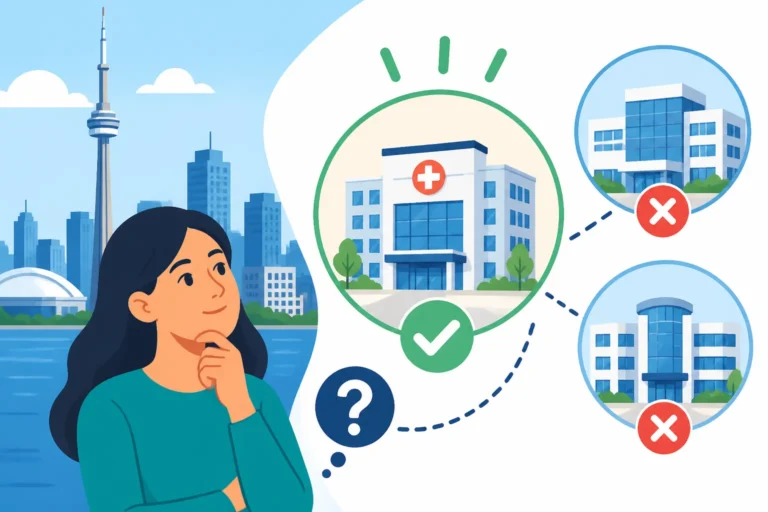
In Canada, the healthcare system is structured around primary care providers who act as the central hub for all your medical needs. This is often referred to as the "gatekeeper" model because you cannot bypass a general practitioner (GP) to see a specialist. While this can feel like an unnecessary administrative hurdle, it is designed to ensure that specialist resources are allocated to those who need them most. I remember my first year in Toronto, trying to see an allergist for seasonal issues and being told I needed a note from a doctor I hadn't even met yet; it was a frustrating realization of how the system operates.
Why You Can’t Book a Specialist Directly
The public system is funded by taxpayers and managed provincially, which means the government pays the specialist's fee only if a referral exists. If you were to call a specialist's office in Vancouver or Montreal and ask for an appointment without a referral, the receptionist would politely—or perhaps not so politely—tell you that they cannot see you. This prevents the specialist's waitlist from being clogged with patients who might only need a basic prescription or a routine check-up that a GP could handle.
From a veteran expat’s perspective, this is one of the hardest things to get used to. In many other countries, if you have the money or the insurance, you go where you want. In Canada, the "public" nature of the system means everyone follows the same queue. If you are currently in the gap between arrival and provincial coverage, you might consider a plan from SafetyWing to ensure you have some level of protection while you navigate these early administrative steps.
The Role of the Family Doctor as a Gatekeeper
Your family doctor is the most important person in your Canadian healthcare journey. They are the ones who assess your symptoms and decide if your condition warrants a specialist's expertise. When you visit your GP, you must clearly articulate your symptoms and why you believe a specialist is necessary. The GP will then write a formal referral letter, which is sent to the specialist’s office. This letter includes your medical history, current symptoms, and any relevant test results, such as blood work or imaging.
Finding a doctor who listens is key. You can check out How to Find and Register with a Family Doctor in Canada to learn more about securing this vital link. Without a consistent family doctor, you are essentially starting from scratch with every medical issue, which can delay the referral process significantly. A good family doctor will not only refer you but also advocate for you if they believe your case is urgent.
Navigating the System without a Family Doctor
If you are one of the many newcomers struggling to find a permanent GP, your only option for a referral is usually a walk-in clinic or a virtual care platform. This process is functional but often lacks the continuity of care that a family doctor provides. At a walk-in clinic, the doctor on duty will perform a brief assessment and, if necessary, issue a referral. However, the "follow-up" is where things often break down. Since the walk-in doctor isn't "your" doctor, tracking the status of that referral becomes your responsibility.
When using a walk-in clinic for a specialist referral, always ask for a copy of the referral or at least the name and fax number of the specialist they are sending it to. This allows you to follow up directly with the specialist’s office to ensure they received the paperwork. It is also worth Understanding the Role of Walk-In Clinics in Canada to see how they fit into the broader healthcare landscape for people who are still on waitlists for a family physician.
The Step-by-Step Process for Obtaining a Referral
Obtaining a referral is not as simple as just asking for one. It is a clinical decision made by the primary care physician. To make this process smoother, you need to be prepared with your medical history and a clear explanation of your needs. This is especially true if you are transitioning care from your home country to Canada for a chronic condition that requires ongoing specialist management.
Preparing for Your General Practitioner Consultation
When you sit down with a GP for the first time, treat it like an interview. If you have a pre-existing condition, bring your medical records from your previous country. These records are invaluable because they show the Canadian doctor that a specialist has already diagnosed you. If you need a specific medication, bring the old prescription or the box. This helps the GP understand that you aren't just "googling" symptoms but have a documented medical need.
It is helpful to read up on What Documents Do I Need to See a Doctor in Canada? before you head to the clinic. Having a summarized version of your history can save time and make the GP more likely to write that referral immediately rather than asking for new, repetitive tests. Be honest about your symptoms and how they affect your daily life; the GP needs to "sell" your case to the specialist in the referral letter.
The Referral Letter: What Happens Behind the Scenes
Once the GP agrees you need to see a specialist, they generate a referral. In most provinces, this is done electronically or via fax. The GP’s office sends your information to a specific specialist or a central intake office. A central intake office is common for things like hip replacements or sports medicine, where the system looks for the shortest waitlist among several doctors. The specialist's office then reviews the referral and assigns a priority level.
This is the "black hole" phase where many newcomers get anxious. You might not hear anything for weeks or even months. During this time, the specialist's triage nurse is looking at your case. If the GP wrote a vague letter, your priority might be set to "routine," which carries the longest wait. If you are worried about the cost of potential tests or care during this administrative waiting period, having travel or transition insurance like SafetyWing can offer peace of mind, particularly if you need to seek private diagnostics to speed things up.
Managing Communication Between the Clinic and the Specialist
You must be proactive. Do not assume that because a referral was "sent," it was "received." It is common for faxes to go missing or for files to get buried. After two weeks, call your GP's office to confirm the name of the specialist they referred you to. Then, call the specialist’s office to confirm they have your file and to ask about the estimated wait time.
This level of self-advocacy is essential in the Canadian system. For more details on the logistics of this process, see How Specialist Referrals Work in the Canadian Health System. Knowing the specific terminology can help you sound more informed when speaking with clinic administrators. If you move or change your phone number, make sure both the GP and the specialist have your updated contact information, or you might miss your appointment notification entirely.
Wait Times and Priority Triage in the Public System
Wait times are the most significant "pain point" in the Canadian public system. Depending on your province and the type of specialist, you could be looking at a wait ranging from a few weeks to over a year. The system operates on a triage basis, meaning patients with life-threatening or urgent conditions are seen first, while those with chronic but stable issues are placed at the back of the line.
How the Triage System Categorizes Medical Urgency
When a specialist receives a referral, they typically categorize it into one of four or five levels. Level 1 is an emergency (seen within days), while Level 4 or 5 is "routine" or "elective." For example, if you have a suspicious lump, you will be seen by an oncologist much faster than someone seeking a consultation for a non-painful skin tag. This is why it is so important that your GP includes detailed information about your pain levels or any worsening symptoms.
| Priority Level | Description | Typical Wait Time Estimate |
|---|---|---|
| Emergency / P1 | Life-threatening or limb-threatening conditions. | 24 – 72 Hours |
| Urgent / P2 | Serious conditions that could deteriorate quickly. | 2 – 4 Weeks |
| Semi-Urgent / P3 | Conditions causing significant pain or dysfunction. | 2 – 4 Months |
| Routine / P4 | Stable, chronic conditions or elective consultations. | 6 – 12+ Months |
It is worth noting that How Long Are Wait Times to See a Specialist in Canada? can vary wildly between provinces like Ontario and British Columbia. Understanding where you fall in the triage system helps manage your expectations and allows you to plan accordingly.
Regional Variations: Urban vs. Rural Wait Times
Geography plays a massive role in how fast you can see a specialist. In a large hub like Toronto or Vancouver, there are more specialists, but there is also a much larger population competing for their time. Conversely, in a smaller town or rural area, there might only be one specialist for the entire region, and if they go on vacation or retire, the waitlist stops entirely.
Sometimes, it is faster to drive two hours to a smaller city for a consultation than to wait for a specialist in a major metropolitan area. Some GPs are willing to refer you to a specialist outside your immediate city if they know the wait times are shorter elsewhere. For newcomers, this can be a logistical challenge, but it is often the most effective way to "hack" the system. You might want to look into Understanding the Difference Between Provincial Plans Across Canada to see how coverage works if you travel between provinces for care.
Tools to Track Provincial Wait Times for Procedures
Most provinces now provide public dashboards where you can see the average wait times for various specialties and surgeries. For example, Ontario Health and BC’s Ministry of Health have websites where you can look up wait times for an MRI or a consultation with an orthopedic surgeon. These tools are incredibly helpful for setting realistic expectations.
If you see that the average wait for a neurologist in your city is 10 months, and you are only 2 months in, you know that your case is likely being handled as "routine." If your condition worsens during the wait, you must go back to your GP. They can send an "addendum" to the original referral, updating the specialist on your declining health, which can sometimes bump you up the triage list.
Bridging the Gap: Coverage and Logistics for Newcomers
One of the most stressful scenarios for a newcomer is needing specialist care before your provincial health card (like OHIP in Ontario or MSP in BC) is active. Most provinces have a three-month waiting period before you are eligible for the public system. During this time, you are effectively "uninsured" for non-emergency public care, and specialists will charge you their "private" rate, which can be hundreds of dollars per visit.
When the Provincial Health Card Isn't Ready Yet
If you arrive in Canada and have an immediate need for specialist care, you will likely have to pay out of pocket at the point of service. Even with a referral from a walk-in clinic, the specialist’s office will ask for your health card. If you don't have one, they will bill you directly. This is a common hurdle explained in Understanding the Three-Month Waiting Period for Health Coverage in Canada.
During this waiting period, it is vital to have an alternative. For many expats, using a flexible plan from SafetyWing covers those unexpected "gap" periods. While these plans are generally for emergencies and travel, they provide a safety net so that a sudden medical issue doesn't result in thousands of dollars in debt while you wait for your provincial plastic card to arrive in the mail.
The Role of Private Insurance During the Transition
Private insurance in Canada is usually supplementary; it covers what the government doesn't, like prescription drugs, dental, and vision. However, for a newcomer, "private insurance" can also refer to the comprehensive plans you buy to cover the initial three months. These plans are essential because even a single specialist consultation followed by a diagnostic test (like an ultrasound or CT scan) can cost a small fortune.
You can learn more about How to Get Private Health Insurance to Cover the Waiting Period in Canada to ensure you aren't left vulnerable. Once your provincial plan kicks in, you might still want private insurance through your employer to cover the cost of medications that the specialist might prescribe. Without it, you might find that the "free" healthcare system still leaves you with a significant pharmacy bill.
Understanding Out-of-Pocket Costs for Non-Covered Services
It is a myth that everything in the Canadian healthcare system is "free." While the specialist visit itself is covered by the public system, many related services are not. This includes things like:
- Prescription medications prescribed by the specialist.
- Medical devices (braces, crutches, CPAP machines).
- Letters or forms for your employer (the specialist will charge a "block fee" for paperwork).
- Certain advanced diagnostic tests that aren't deemed "medically necessary" but are "recommended."
Knowing The Cost of Healthcare in Canada: A Complete Breakdown for Newcomers (2026) is crucial for your financial planning. Don't be surprised if, after a "free" visit to a specialist, you are handed a bill for $50 for a required medical form or a prescription that costs $200. This is where employer-provided health benefits or private supplemental plans become your best friend.
Tips for Speeding Up the Specialist Appointment Process
While the system is slow, it is not entirely static. There are a few strategies that veteran expats use to navigate the queues more effectively. These require a bit of legwork and persistence, but they can cut months off your wait time if you are lucky.
Requesting a Cancellation List Spot
This is the single most effective tip for getting seen faster. When you call the specialist's office to confirm they have your referral, ask specifically to be put on their "cancellation list." Many people cancel their appointments at the last minute or simply don't show up. If the receptionist knows you are willing to come in on short notice (sometimes with only 2 or 3 hours' warning), you can jump the queue.
I once managed to see a specialist in Calgary in three days instead of the quoted four months because I told the receptionist I lived nearby and could be there within 30 minutes if anyone cancelled. It takes a bit of flexibility, but it pays off. Also, ensure you know What Happens If I Get Sick During the Health Coverage Waiting Period in Canada? because if you get an early appointment but don't have your health card yet, you'll need to know how to handle the billing.
Exploring Telehealth and Virtual Specialist Consultations
Since 2020, virtual care has exploded in Canada. While many specialists still require an in-person visit for physical exams, many "initial consultations" or "follow-ups" can be done via video. There are private virtual care platforms that, for a fee, can connect you with specialists much faster than the public route. While the government might not cover the platform fee, they usually cover the actual doctor's time once the connection is made.
Check out Understanding Telehealth and Virtual Care Options in Canada to see which providers are active in your province. Some employer health plans also include "Maple" or "Telus Health MyCare," which provide expedited access to certain types of specialists. This is particularly useful for mental health care or dermatology, where a visual assessment via camera is often sufficient for an initial diagnosis.
Seeking Care Across Provincial Borders
While healthcare is provincial, you are a Canadian resident (or on a valid permit). In theory, you can seek care in another province, but the billing gets complicated. Generally, the "host" province bills your "home" province. However, some specialists won't accept out-of-province referrals because the administrative work is too high.
If you live near a border, like in Ottawa (Ontario) and Gatineau (Quebec), you might find that specialists in one city have much shorter waits than the other. However, you must confirm that the specialist will accept your health card from your home province. For a deep dive into how these provincial plans interact, read Understanding What Provincial Health Plans Do and Don't Cover in Canada.
Common Challenges and How to Overcome Them
Even with a referral and a lot of patience, you might encounter hurdles. The system is stressed, and sometimes files get lost or doctors' offices are difficult to communicate with. Advocacy is your most powerful tool in these situations.
Language Barriers and Interpretation Services
If English or French is not your first language, navigating a complex medical consultation can be incredibly daunting. Many hospitals and large specialist clinics in cities like Toronto or Montreal offer interpretation services, but you often have to request them in advance. If you have a friend or family member who can translate, you are allowed to bring them to your appointment.
Clear communication is vital for a correct diagnosis. If you cannot understand the specialist, you cannot follow their treatment plan. Don't be afraid to ask the doctor to slow down or write down the diagnosis. Many newcomers find that Navigating the Canadian Healthcare System: A Newcomer's Roadmap (2027) provides additional cultural context that helps in these interactions.
Advocacy: What to Do If Your Referral Is Denied
Sometimes, a specialist will "reject" a referral. This doesn't necessarily mean you aren't sick; it might mean the specialist doesn't feel your condition falls within their specific area of expertise, or their waitlist is so long they aren't taking new "routine" patients. If this happens, the specialist's office should notify your GP.
If your referral is denied or you feel your doctor isn't taking your concerns seriously, you have the right to a second opinion. You can go back to your GP and ask for a referral to a different specialist, or visit a walk-in clinic to get a fresh perspective. Being a "squeaky wheel" is often necessary. If you are waiting for a critical diagnosis and feel the system is failing you, look into How to Access Specialist Care Through the Public System in Canada (this very guide) to ensure you've followed every administrative step correctly. Persistence is the key to surviving and thriving within the Canadian medical landscape.
Disclaimer
This guide is for informational purposes only and does not constitute professional medical or legal advice. Healthcare regulations and wait times in Canada are subject to change, and provincial policies vary. Always consult with a qualified primary care physician or a licensed insurance professional regarding your specific health needs and coverage requirements.