How to Find and Register with a Family Doctor in Canada
Landing in Canada is often met with the sobering realization that the healthcare system, while world-renowned, is notoriously difficult to access for the uninitiated. The struggle to find a family doctor is a rite of passage that many newcomers find incredibly stressful, especially when navigating the bureaucracy of a new province. This guide provides a strategic roadmap to finding and registering with a primary care provider, ensuring you and your family aren't left relying solely on emergency rooms for basic care.
The Reality of the Canadian Family Doctor Shortage
When you first arrive, you might hear the term "family doctor" or "General Practitioner" (GP) used interchangeably. In Canada, these professionals are the cornerstone of the medical system. Unlike some countries where you can simply call up a dermatologist or an endocrinologist and book an appointment, the Canadian system operates on a gatekeeper model. This means that for almost any non-emergency medical issue that requires a specialist, you must first be evaluated by your family doctor.
The current landscape is challenging. Millions of Canadians do not have a regular primary care provider, leading to a heavy reliance on walk-in clinics. For a newcomer, this can feel like a systemic failure, but it is actually a reflection of a system under immense pressure. Understanding this helps set realistic expectations; you likely won't find a doctor in your first week, or even your first month. It requires a combination of registering for provincial waitlists and active, grassroots searching.
If you are currently waiting for your provincial coverage to kick in, or if you are here on a temporary basis, you might feel particularly vulnerable. During this transition, services like SafetyWing can provide a much-needed safety net. While SafetyWing is primarily known for travel medical insurance, having that layer of protection while you navigate the complexities of the local system ensures that an unexpected illness doesn't result in a massive out-of-pocket expense before you are fully integrated into the provincial plan.
Why You Need a Family Doctor Specifically
A family doctor does much more than just write prescriptions for the flu. They maintain your longitudinal medical record, which is vital in a country where medical data isn't always seamlessly shared between different clinics. Having a doctor who knows your history, your family’s history, and your specific health risks is the best way to receive preventative care. They are the ones who will track your routine screenings, such as pap tests, mammograms, and colonoscopies, which are essential for long-term health.
Furthermore, the gatekeeper role is absolute. If you believe you have a specific condition, you cannot jump the queue. You must present your symptoms to your GP, who then determines if a referral is necessary. To understand this process better, you should look into How Specialist Referrals Work in the Canadian Health System to manage your expectations regarding wait times and procedures. Without a family doctor, getting these referrals often means waiting for hours at a walk-in clinic just to get a five-minute conversation with a rotating physician who doesn't know your history.
The Impact on Newcomers and Expats
For those of us who have moved from countries with private-heavy systems or highly efficient public ones, the "wait-and-see" approach in Canada can be infuriating. You might feel that your health is being put on the back burner. It is important to validate this frustration; it is a very real hurdle. However, the system is designed to prioritize based on acuity.
While you are in the "limbo" phase of searching for a doctor, your primary goal is to ensure you have a paper trail of your health. This is why registering with a clinic is so important. Even if the clinic only offers a "meet and greet" initially, it establishes you within their system. In the meantime, ensure your documentation is in order by reviewing What Documents Do I Need to See a Doctor in Canada? so you are ready to pounce the moment an opening becomes available.
Provincial Registries and Official Channels
Every province in Canada manages its own healthcare, which means the process for finding a doctor in Toronto is completely different from the process in Vancouver or Montreal. Most provinces have established centralized waitlists or registries designed to match patients with doctors who have open "spots" in their practice. While these registries are often slow, they are a mandatory first step in your search.
In Ontario, for example, the primary tool is Health Care Connect. You register your details, and a "Care Connector" in your region is assigned to help you find a physician. However, there is a catch: you cannot be registered with another family doctor while you are on this list. This makes it difficult for people who have a mediocre doctor but want a better one. In British Columbia, the Health Connect Registry serves a similar purpose. For more on how these provincial differences impact your initial arrival, check out How to Apply for OHIP, MSP, RAMQ or AHCIP When You Arrive in Canada.
Comparative Table of Provincial Doctor Search Tools
| Province | Primary Search Tool | Key Feature |
|---|---|---|
| Ontario | Health Care Connect | Uses "Care Connectors" to manually match patients. |
| British Columbia | Health Connect Registry | Centralized list managed by local Primary Care Networks. |
| Quebec | Guichet d'accès à un médecin de famille (GAMF) | Priority levels based on health status (vulnerable vs. healthy). |
| Alberta | Find a Doctor (Alberta Find a Doctor) | Map-based search tool allowing patients to call clinics directly. |
| Nova Scotia | Need a Family Practice Registry | High demand; often directs patients to virtual care while waiting. |
The "Hidden" Rules of Official Registries
Simply signing up for a registry and waiting by the phone is rarely enough. These lists are often triaged based on medical need. If you are a healthy individual in your 30s with no chronic conditions, you will likely be at the bottom of the pile. Conversely, pregnant women, children, and seniors are often prioritized.
When you register, be very thorough about your health history. If you have a pre-existing condition, make sure it is noted. Do not downplay your medical needs in an attempt to seem "easy" to care for; in the Canadian system, being "high needs" can actually get you a doctor faster. If you are still waiting for your provincial card to be issued, remember that The Newcomer Waiting Period for Provincial Health Coverage in Canada (2027) can vary, and you should have a backup plan like SafetyWing during this gap to ensure you can at least access private clinics or urgent care if the public system is slow to respond.
Navigating the Quebec System (RAMQ)
Quebec deserves its own mention because the system there (GAMF) is notoriously complex. The wait times in Quebec for a family doctor can sometimes span several years in urban centers like Montreal. Because of this, the province has implemented "Gap" services (Guichet d'accès à la première ligne), which allow people without a doctor to book one-off appointments for urgent issues. It is a halfway house between a walk-in clinic and a family doctor. If you are moving to Quebec, start this process the very day you receive your RAMQ card.
Proactive Search Strategies Beyond the Registry
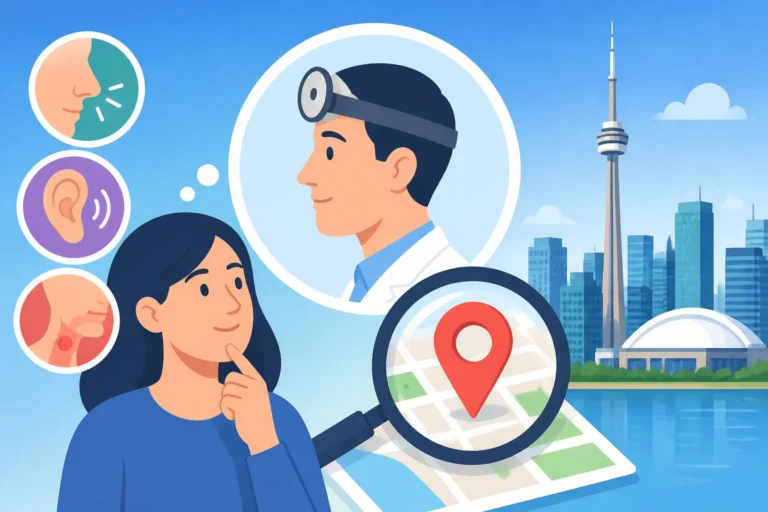
If you rely solely on provincial registries, you might be waiting for years. The most successful expats are those who take a proactive, almost aggressive approach to finding a physician. This involves "cold-calling" clinics, leveraging social media, and utilizing your local network.
Doctors in Canada are technically small business owners. They rent space, hire staff, and manage their own patient rosters. Occasionally, a new doctor will join a clinic or an existing doctor will expand their practice. These openings are often filled by the first people who call or walk through the door, sometimes before the provincial registry is even notified.
Cold-Calling and Clinic Visits
Create a spreadsheet of every medical clinic within a 10-kilometer radius of your home. Call them once a month. Ask the receptionist specifically, "Is anyone in this clinic currently accepting new patients, or is there a waiting list I can join directly?" Be polite but persistent. Receptionists are the gatekeepers to the gatekeepers; if you are kind and explain that you are a newcomer trying to settle in, they might give you a lead on a doctor who is planning to open their books soon.
While you are doing this, you will likely need to use walk-in clinics for immediate needs. It is worth Understanding the Role of Walk-In Clinics in Canada because these clinics often share space with family practices. If you frequent a specific walk-in clinic and build a rapport with a doctor there, you can ask them directly if they would consider taking you on as a permanent patient. This "trial run" is one of the most common ways people circumvent the official registries.
Leveraging Local Communities and Social Media
In the digital age, local Facebook groups (like "Newcomers in Toronto" or "Moms of Vancouver") are goldmines for information. When a new clinic opens, someone usually posts about it within minutes. Set alerts for keywords like "doctor," "accepting patients," or "new clinic."
Additionally, check "Find a Doctor" websites that are community-driven. In some cities, residents maintain unofficial lists of clinics that were recently seen taking patients. This grassroots data is often more up-to-date than the government websites. If you are a digital nomad or moving frequently, having a global plan like SafetyWing can give you the flexibility to search for doctors in different provinces without worrying about whether your specific "visitor" status or temporary permit will leave you with a massive bill if you need to see a doctor during your search.
The "Meet and Greet" Appointment
Once you find a doctor who says they are taking patients, you will usually be scheduled for a "meet and greet." This is not a formal check-up; it is an interview for both parties. The doctor wants to see if your medical needs fit within their scope of practice, and you want to see if you feel comfortable with them.
Prepare for this by having your previous medical records ready. If you are coming from abroad, try to have your records translated into English or French. Having a clear summary of your medications and past surgeries makes you an "attractive" patient because it reduces the administrative burden on the doctor. For more details on this, see How Do I Access My Medical Records in Canada? to ensure you have the right paperwork in hand.
Managing Your Health While on the Waitlist
The reality is that you might be without a doctor for six months to a year. During this time, you must be your own advocate. You cannot simply ignore your health because the system is slow. You need to know where to go for different levels of care and how to manage the costs associated with them.
For minor issues—ear infections, prescriptions, or small injuries—walk-in clinics are your best friend. For more urgent but non-life-threatening issues, "Urgent Care Centers" are a better option than the Emergency Room (ER). They are equipped to handle things like stitches or X-rays but have shorter wait times than the ER. If you find yourself in a true emergency, however, you must know the protocols. Reviewing Understanding Emergency Numbers (911) and Ambulance Fees in Canada is vital, as ambulance fees are often not covered by provincial plans and can be quite expensive.
Utilizing Telehealth and Virtual Care
Since the pandemic, virtual care has exploded in Canada. Many provinces now offer free telehealth lines (like 811) where you can speak to a registered nurse 24/7. They can advise you on whether you need to go to a clinic or if you can manage your symptoms at home.
There are also private virtual care platforms. Some are covered by employer benefits, while others charge a fee per visit. These are excellent for getting quick prescriptions or specialist referrals if you can't get to a walk-in clinic. For those who don't yet have an employer-sponsored plan, SafetyWing can be a lifesaver, providing a level of coverage that allows you to seek care without the constant fear of the high costs associated with "uninsured" visits in a foreign country.
Private Health Insurance as a Bridge
Many newcomers arrive under the impression that everything in Canada is free. This is a myth. While doctor visits and hospital stays are covered by provincial plans, things like dental care, vision, and prescription drugs are usually out-of-pocket or covered by private insurance.
While you search for a family doctor, having private insurance is non-negotiable. It covers the gaps that the public system doesn't. If you are in the initial three-month waiting period, you absolutely should look into How to Get Private Health Insurance to Cover the Waiting Period in Canada. SafetyWing is a popular choice here because of its flexibility; you can start and stop the coverage as needed, which is perfect for the unpredictable timeline of Canadian immigration.
Dealing with Chronic Conditions
If you have a chronic condition like diabetes or hypertension, you cannot afford to wait for a family doctor to manage your medication. In this case, you should find a "regular" walk-in clinic that you visit consistently. Try to see the same doctor each time so there is some continuity of care.
Ask the pharmacist at your local drugstore for advice as well. Pharmacists in Canada have an expanded scope of practice and can often extend prescriptions or provide advice on minor ailments. They are an underutilized resource for newcomers who are struggling to find a GP.
Red Flags and Things to Avoid
In your desperation to find a doctor, don't ignore red flags. The Canadian medical system is highly regulated, but that doesn't mean every clinic is a perfect fit. You want a doctor who is thorough, communicative, and respectful of your history as an expat.
Be wary of clinics that charge "annual fees" or "registration fees." While some boutique clinics offer "executive health" packages for a fee, a standard family doctor who is part of the provincial system should not charge you a fee just to be on their patient list. These fees are often illegal or at least ethically dubious in most provinces. Always verify a doctor's credentials through the provincial College of Physicians and Surgeons if something feels off.
When to Switch and How to Do It
If you find a doctor but realize after a few visits that they are not a good fit—perhaps they dismiss your concerns or the office is poorly managed—you have the right to look for another one. However, in the current climate, it is highly advised that you do not leave your current doctor until you have officially signed on with a new one.
When you do switch, you will need to pay a small administrative fee to have your medical records transferred from the old clinic to the new one. This is standard practice in Canada. Ensure you understand How Do I Access My Medical Records in Canada? so you don't lose years of health data during the transition.
Final Tips for Your Search
- Be Persistent: Don't just call once. The "books" open and close frequently.
- Be Prepared: Have your health card and ID ready. See What Documents Do I Need to See a Doctor in Canada? for a full list.
- Be Local: Doctors often prefer patients who live in the immediate neighborhood.
- Be Insured: Don't wait for the public system to fail you. Use SafetyWing or other private options to bridge the gap.
- Be Vocal: Ask your coworkers, neighbors, and even your real estate agent if their doctor is taking patients. Referrals from existing patients are often the fastest way in.
Disclaimer
The information provided in this guide is for informational purposes only and does not constitute medical or legal advice. Healthcare regulations and availability in Canada change frequently. Always consult with official provincial health authorities and qualified medical professionals regarding your specific health needs and insurance requirements. SafetyWing and other mentioned services are private entities and their terms of service should be reviewed independently.