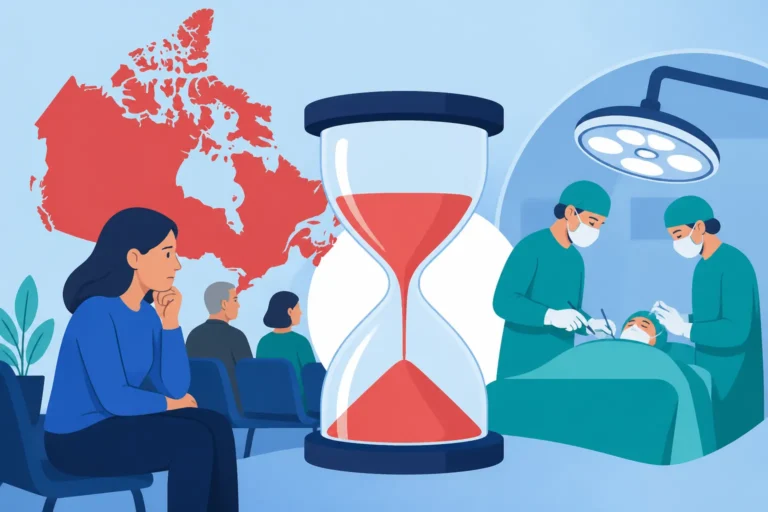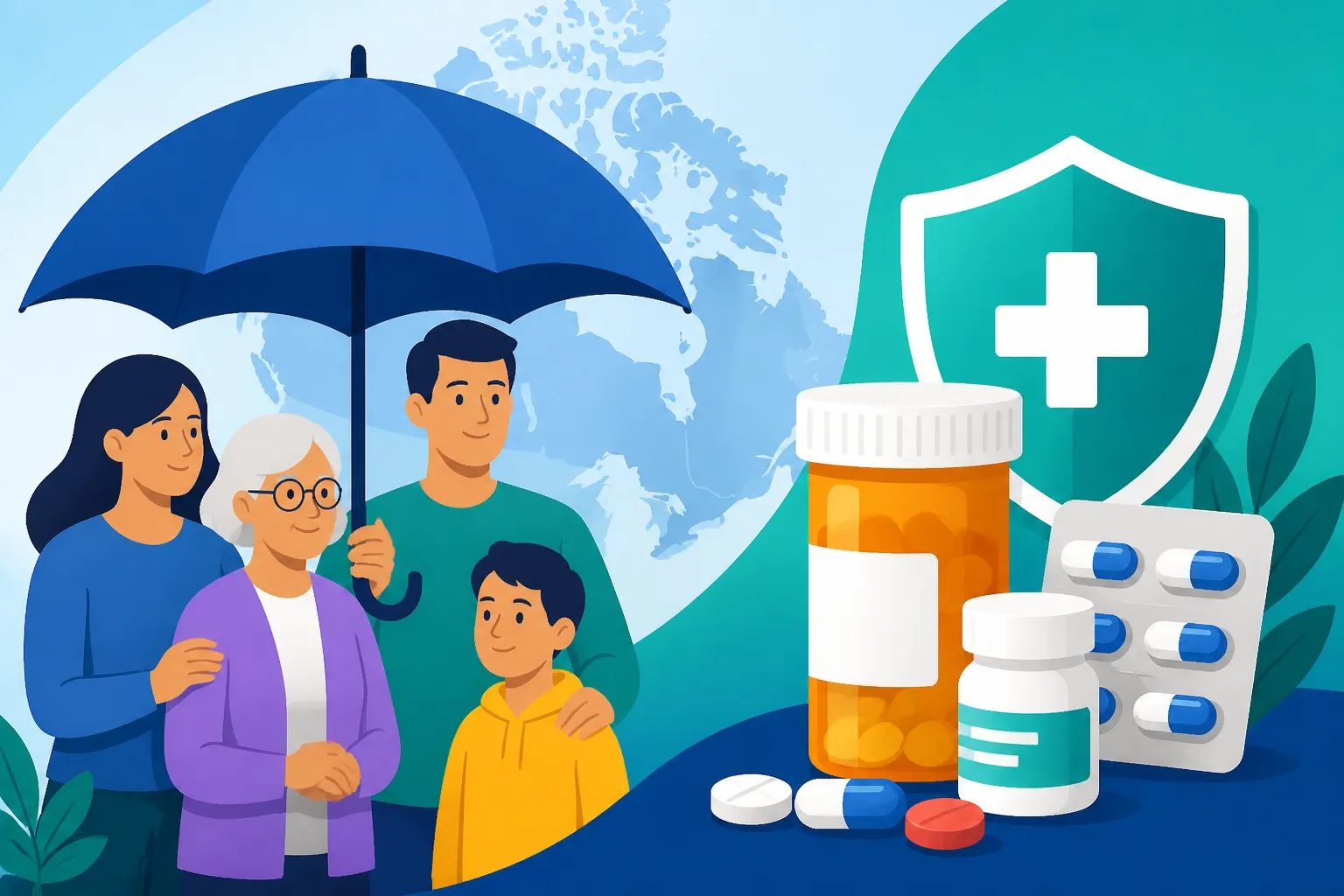
Understanding Prescription Drug Coverage and Pharmacare in Canada
Many newcomers land at Pearson or Vancouver International with the comforting belief that Canada’s world-renowned healthcare system has their back for every possible ailment. While it is true that you won't see a bill for a doctor’s visit or a hospital stay, the pharmacy counter is where the "free healthcare" dream often meets a very expensive reality. This guide breaks down the complex world of Canadian pharmacare to ensure you aren't left paying hundreds of dollars out-of-pocket for essential medications.
The Reality Check: Is Medicine Free in Canada?
One of the most common misconceptions I hear from new arrivals is that a provincial health card is a "golden ticket" that covers everything. I remember my first trip to a local pharmacy in Toronto, thinking my OHIP card would handle the bill for a simple course of antibiotics. I was wrong. In Canada, the public system—often referred to as Medicare—is designed to cover "medically necessary" services provided by doctors and hospitals. However, once you step out of the clinic and into the drugstore, the rules change completely. Prescription drugs are not automatically covered under the federal Canada Health Act unless they are administered in a hospital setting.
The Gap Between General Care and Pharmacy
When you are lying in a hospital bed, the provincial government pays for every pill and IV drip you receive. But the moment you are discharged with a slip of paper in your hand, you enter the "outpatient" world. In this realm, the responsibility for payment shifts to a patchwork of provincial programs, private insurance, and your own wallet. For a veteran expat, this is one of the most frustrating hurdles to navigate because the system feels fragmented. You might find that How Canada's Health System Works: Provincial Plans Explained (2027) covers your GP visit, but leaves you standing at the checkout with a $100 bill for a routine inhaler.
This gap exists because Canada is the only country with a universal healthcare system that does not include universal coverage for prescription drugs. This "pharmacare" void is filled by a mix of over 100 different provincial and territorial programs and thousands of private insurance plans. If you are a young, healthy professional, you might not notice it. But if you have a chronic condition or a family to support, understanding this gap is the difference between financial stability and a massive monthly drain on your savings.
Why Your Province Matters
Because healthcare is managed at the provincial level, where you choose to live in Canada dictates exactly how much you will pay for your medicine. There is no national price or coverage standard. For instance, what is covered for a 25-year-old in Ontario is vastly different from what is covered for someone of the same age in British Columbia. Many people who move from Montreal to Calgary are absolutely stunned by the change in their monthly drug costs.
Before you sign a lease or accept a job offer, you need to look at the provincial plan of your destination. If you are moving to Ontario, you should familiarize yourself with How to Apply for OHIP, MSP, RAMQ or AHCIP When You Arrive in Canada to see where the pharmacy coverage begins and ends. Each province has its own "formulary"—a list of drugs they are willing to pay for—and their own criteria for who qualifies for help. Some provinces base it on age, others on income, and some on the specific type of disease you have.
Provincial Pharmacare Programs Explained
To navigate this as a newcomer, you have to stop thinking of "Canada" and start thinking of your specific province. Each one has its own unique "safety net" designed to help people who don't have private insurance through their jobs. These programs aren't usually "free" for everyone; they often involve deductibles, which is the amount you have to pay yourself before the government starts chipping in.
OHIP+ and Ontario Trillium
In Ontario, the system is relatively generous for certain groups. If you are under the age of 24 and do not have private insurance, OHIP+ covers more than 5,000 prescriptions. It’s a lifesaver for families with children. However, if you are an adult between 25 and 64, you are largely on your own unless you qualify for the Trillium Drug Program. Trillium is designed for people who have high drug costs relative to their income. Newcomers often spend months struggling with high costs before realizing they could apply for this. It’s not automatic; you have to fill out the paperwork and prove your income level.
The Trillium program usually requires you to pay a deductible based on about 3% to 4% of your household income. Once you’ve spent that amount on drugs in a given year, the province takes over most of the remaining costs. This is why it is so important to understand Understanding What Provincial Health Plans Do and Don't Cover in Canada early on. If you’re a freelancer or working in a "gig economy" role in Toronto, Trillium is likely your only public safety net for prescriptions.
PharmaCare in British Columbia (MSP)
Out west in BC, the system works through a program called Fair PharmaCare. Unlike Ontario’s age-based system, BC’s approach is almost entirely income-based. When you register for the Medical Services Plan (MSP), you aren't automatically enrolled in drug coverage; you have to register for Fair PharmaCare separately. The province looks at your net income from two years ago to determine your deductible.
For a newcomer who has no Canadian tax history, this can be a bit of a bureaucratic headache. You often have to submit a "notarized affidavit" of your world income to get your deductible set to a reasonable level. If you don't, the province might default you to the highest possible deductible, meaning you'll pay full price for everything. This is a classic example of why How to Apply for Your Provincial Health Card in Canada (2027) is just the first step in a multi-part administrative journey.
Quebec’s Mandatory RAMQ Prescription Plan
Quebec is the outlier in Canada because it actually has a form of "mandatory" drug insurance. If you live in Quebec, you must have drug insurance at all times. If you don't have access to a private group plan through your employer or a professional association, you are legally required to register for the public plan managed by RAMQ.
This means that everyone in Quebec is covered, but almost everyone pays a premium. You pay for this plan through your annual provincial tax return. Even with the RAMQ plan, you’ll still face co-payments at the pharmacy. It’s a very different vibe than the rest of the country, and it’s why understanding the Public vs Private Healthcare in Canada: What Newcomers Need to Know is particularly vital for those moving to La Belle Province.
Navigating Private Health Insurance and Employer Benefits
Since the public system has so many holes, the vast majority of Canadians (about 60-70%) rely on private insurance provided by their employers. When you are looking at a job offer, the "total compensation" isn't just your salary; it’s the quality of the health benefits package. A good plan can save you thousands of dollars a year, especially if you have a family.
How Group Benefits Plans Work
Most medium-to-large companies in Canada offer "Group Benefits." These plans are usually managed by big insurance companies like Sun Life, Manulife, or Canada Life. These plans typically cover 70% to 100% of the cost of prescription drugs. I’ve had jobs where I only had to pay a $2 dispensing fee at the pharmacy, and other jobs where I had to pay 20% of the drug cost.
It is important to check if the plan has a "pay-direct" card. This is a plastic or digital card you show the pharmacist, and the insurance is processed instantly. If your employer doesn't offer a pay-direct card, you have to pay the full price upfront and then submit a claim for reimbursement. For someone just starting out, having to pay $300 for a month's supply of medication and waiting two weeks for a refund can be a real strain on the budget. This is a key part of Understanding How to Use Private Health Insurance and Employer Benefits in Canada.
The Deductible and Co-pay Dance
Even with private insurance, you need to read the fine print. Many plans have an "annual deductible"—perhaps $25 or $50—that you must pay before the coverage kicks in. More importantly, many have a "co-insurance" or "co-pay" percentage. If your plan is "80/20," the insurance pays 80% and you pay 20%.
Also, watch out for "dispensing fee caps." Pharmacies charge a fee for the pharmacist’s time to fill the script (usually between $10 and $13). Some insurance plans will only cover up to $9 of that fee. If you go to a high-priced pharmacy, you’ll be paying the difference every single time. It sounds like small change, but over a year, it adds up. If you are currently job hunting, you might find The Newcomer Guide to Finding a Job in Canada (2027) helpful for understanding how to evaluate these benefit packages.
Bridging the Gap for Freelancers and Job Seekers
If you are a freelancer, a digital nomad, or simply in between jobs, you don't have that employer-sponsored safety net. This is where many newcomers get into trouble. You can buy individual private health insurance, but it is often much more expensive and has more restrictions than a group plan.
For those who are just arriving and are in their first few months, it is often worth looking at bridge coverage. For instance, SafetyWing provides insurance that can be a great temporary solution for those who haven't yet qualified for provincial plans or landed a job with benefits. SafetyWing is particularly useful because it’s flexible, which is exactly what you need when you're still figuring out which province you'll settle in. Having something like SafetyWing in your pocket during that initial transition period can prevent a single illness from wiping out your relocation budget.
| Province | Primary Public Drug Plan | Eligibility Basis | Key Feature |
|---|---|---|---|
| Ontario | OHIP+ / Trillium | Age / Income | Free for <24 without private insurance. |
| British Columbia | Fair PharmaCare | Household Income | Must register manually with tax info. |
| Quebec | RAMQ Prescription | Mandatory for all | Paid via annual tax return. |
| Alberta | Non-Group Coverage | Monthly Premium | Available to all for a flat monthly fee. |
Managing Costs as a Newcomer
Even without full coverage, there are ways to keep your pharmacy bills from spiraling out of control. Expats in both high-cost and low-cost provinces often pick up a few tricks to navigate the Canadian pharmaceutical market.
Generic vs. Brand Name Drugs
In Canada, pharmacists will almost always substitute a brand-name drug for a generic version unless your doctor specifically writes "No Substitution" on the prescription. Generic drugs in Canada are strictly regulated by Health Canada and are chemically identical to the brand-name versions but cost significantly less.
If your insurance plan has a "mandatory generic" clause, they will only pay the price of the generic version. If you insist on the brand name, you'll be stuck paying the difference, which can be massive. If you are worried about the cost, always ask your pharmacist: "Is there a generic version, and is it the cheapest option under my plan?" Understanding Prescription Medications and Pharmacies in Canada: The Complete Guide can help you feel more confident in these conversations.
Drug Cost Rebates and Assistance Programs
For very expensive, life-saving medications (like those for cancer or rare diseases), even a 20% co-pay can be thousands of dollars. In these cases, look for "Patient Support Programs" offered by the drug manufacturers themselves. These companies often provide "compassionate care" or co-pay assistance cards that cover the portion your insurance doesn't.
Additionally, every province has some form of catastrophic drug coverage. If your medicine costs more than a certain percentage of your income, the government is supposed to step in. It’s not a perfect system, but it exists to prevent people from going bankrupt over health. You can find more details on this in The Cost of Healthcare in Canada: A Complete Breakdown for Newcomers (2026).
Emergency Situations and the Waiting Period
This is perhaps the most critical section for anyone reading this before they have boarded their flight. Many provinces, including Ontario and BC, have historically had a "waiting period" (usually three months) before your public health coverage begins. While some provinces have waived this during recent years, others have brought it back or have specific requirements.
What Happens During the Three-Month Wait?
If you get a sinus infection or need your regular asthma medication during your first 90 days in Canada, you are essentially a "private payer." You will pay the full, un-subsidized price for the doctor’s visit and the full price for the medicine. A simple walk-in clinic visit can cost $100-$150, and the pills could be another $100.
Newcomers often arrive with only a week’s worth of their maintenance medication, thinking they can just "get a refill" when they land. This is a huge mistake. You need a Canadian doctor to write a Canadian prescription, and that takes time and money if you aren't covered yet. You should definitely read Understanding the Three-Month Waiting Period for Health Coverage in Canada before you pack your bags.
Why Travel/Nomad Insurance is Critical Early On
Because of this gap, it is wise to buy private "arrival insurance." This is where a brand like SafetyWing is a total lifesaver. Since SafetyWing is designed for people moving between countries, it covers you during that vulnerable window when you are no longer covered by your home country but not yet "in the system" in Canada.
SafetyWing can help cover the costs of unexpected prescriptions resulting from an illness or injury during your first few months. Without it, you are playing a very expensive game of chance. I personally wouldn't move across the world without that safety net, especially considering how many things can go wrong during a stressful international move. Having SafetyWing means you can focus on finding an apartment and a job instead of worrying about how you'll pay for a trip to the ER.
Practical Tips for Using Canadian Pharmacies
The way pharmacies operate in Canada might be different than what you are used to. It's not just a shop; the pharmacist is a highly trained healthcare provider who can often provide more help than you might expect.
Transferring Prescriptions from Abroad
Generally speaking, Canadian pharmacists cannot fill a prescription written by a doctor outside of Canada. If you have a chronic condition, you should bring a full 90-day supply of your medication with you (in its original packaging with the pharmacy label) and a summary of your medical history from your doctor back home.
Once you arrive, your first priority should be to How to Find and Register with a Family Doctor in Canada. However, since finding a family doctor can take months, you will likely need to visit a walk-in clinic to get your first Canadian prescription. Take your foreign pill bottles with you to the clinic; it makes it much easier for the Canadian doctor to verify what you need and write a local equivalent.
Consulting with Your Pharmacist
In many provinces, pharmacists now have "prescribing power" for minor ailments. This is a game-changer for newcomers. If you have a cold sore, a urinary tract infection, or need emergency contraception, you might not even need to see a doctor. You can go straight to the pharmacist.
They can assess you and, in many cases, write the prescription themselves. This saves you a trip to a clinic and the potential cost of a doctor's visit if you are still in your waiting period. Just be aware that while the consultation might be covered by your health card, the medication still follows the pharmacare rules we've discussed. For more on this, check out Understanding the Role of Walk-In Clinics in Canada.
Choosing Your Pharmacy Wisely
Not all pharmacies are the same. Large chains like Shoppers Drug Mart or Rexall are convenient and often open late, but they often have the highest "dispensing fees." If you are paying out-of-pocket, it is worth checking out the pharmacy at Costco or Real Canadian Superstore. You don't even need a Costco membership to use their pharmacy in most provinces, and their dispensing fees are often half of what the big chains charge.
If you are a regular at a small independent pharmacy, the pharmacist is more likely to get to know you and your history, which can be invaluable when you're trying to navigate a new medical system. They can also help you coordinate between your provincial plan and your private insurance to ensure you are getting the maximum coverage possible. This kind of local knowledge is exactly what we discuss in Navigating the Canadian Healthcare System: A Newcomer's Roadmap (2027).
Lastly, remember that moving is a marathon, not a sprint. Getting your health coverage sorted—including your drug plan—is one of the most important pieces of the "settling in" puzzle. Don't leave it until you're actually sick to figure out how it works. Use those first few weeks to register for everything, look into SafetyWing for your initial gap, and get your paperwork in order so that when you do need that prescription, the only thing you have to worry about is getting better.
Disclaimer
The information provided in this guide is for informational purposes only and does not constitute professional legal, medical, or financial advice. Healthcare regulations and provincial drug plans in Canada are subject to frequent change. Always consult with official provincial health authority websites or a licensed insurance professional to confirm your specific eligibility and coverage details.