Prescription Medications and Pharmacies in Canada: The Complete Guide
One of the most stressful experiences for a newcomer in Canada is standing at a pharmacy counter only to realize your home-country prescription is invalid and your provincial health card does not cover the cost of your life-saving medication. This guide provides a deep, empathetic roadmap to navigating Canadian pharmacies, managing costs, and securing prescriptions legally.
Understanding the Canadian Prescription System
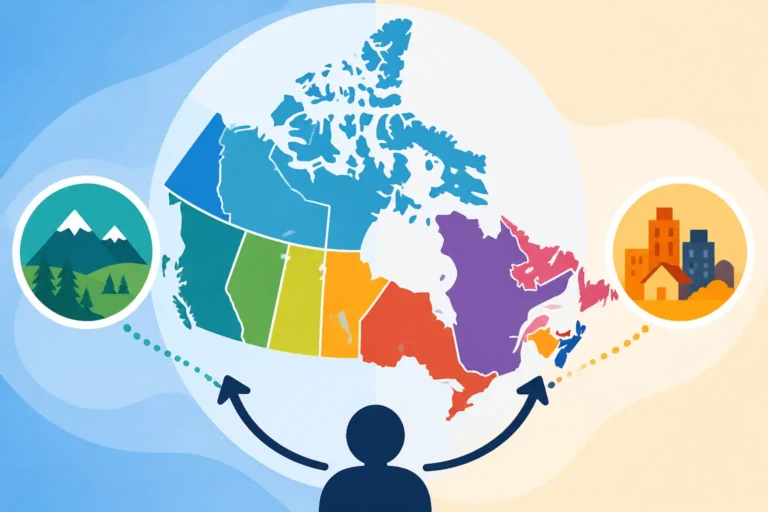
When you first land in a place like Toronto or Calgary, the sheer complexity of the healthcare system can feel overwhelming. Unlike some countries where a single national health service handles everything, Canada operates through provincial and territorial systems. This means that your experience with prescription drugs in British Columbia might be radically different from your experience in Nova Scotia. The most important thing to realize early on is that "universal healthcare" in Canada primarily covers doctors and hospitals, but it does not automatically cover the cost of the medications those doctors prescribe.
Most newcomers are surprised to find that unless you are under 25, over 65, or have a very low income, you are generally responsible for the cost of your own prescriptions. This is where the frustration begins for many expats who are used to subsidized or fixed-price medications. You will need to learn how to navigate the intersection of public provincial plans and private insurance to ensure you aren't paying hundreds of dollars out of pocket every month for routine treatments.
The Role of Provincial Health Plans
Every province has its own drug benefit program, but eligibility is usually strictly defined. For example, in Ontario, the Ontario Drug Benefit (ODB) program covers seniors and those on social assistance, while OHIP+ covers children and youth under 24 who do not have private insurance. If you fall into the "working age" category, you are often left in a gap where you have coverage for the doctor's visit but not for the actual medicine. Understanding How Canada's Health System Works: Provincial Plans Explained (2027) is the first step in realizing where your coverage begins and ends.
If you are moving to Quebec, the system is even more unique. Quebec requires every resident to have some form of prescription drug insurance, either through a private employer plan or through the public RAMQ plan. You cannot simply opt-out. This proactive approach ensures everyone has coverage, but it can be a shock to the system for those moving from provinces with less stringent requirements. For most other provinces, you are essentially on your own until you secure employment with benefits or purchase a private plan.
Public vs Private Coverage Gaps
Because of the gaps in provincial coverage, many newcomers find themselves vulnerable during their first few months. This is particularly true if you are subject to The Newcomer Waiting Period for Provincial Health Coverage in Canada (2027), which can last up to 90 days in provinces like British Columbia or Ontario. During this window, you have zero public coverage for doctor visits or the medications they might prescribe. This is a high-risk period where an unexpected illness could result in thousands of dollars in medical bills.
To bridge this gap, many savvy expats look toward specialized insurance providers. For instance, SafetyWing offers a flexible solution for digital nomads and those in transition who haven't yet qualified for their provincial health card. Having this type of safety net ensures that if you need an urgent prescription for an infection or a sudden flare-up of a chronic condition, the financial burden is significantly lessened. Relying on How to Get Private Health Insurance to Cover the Waiting Period in Canada is often the most logical move to avoid the "sticker shock" of Canadian medical pricing.
Navigating Pharmacies in Canada
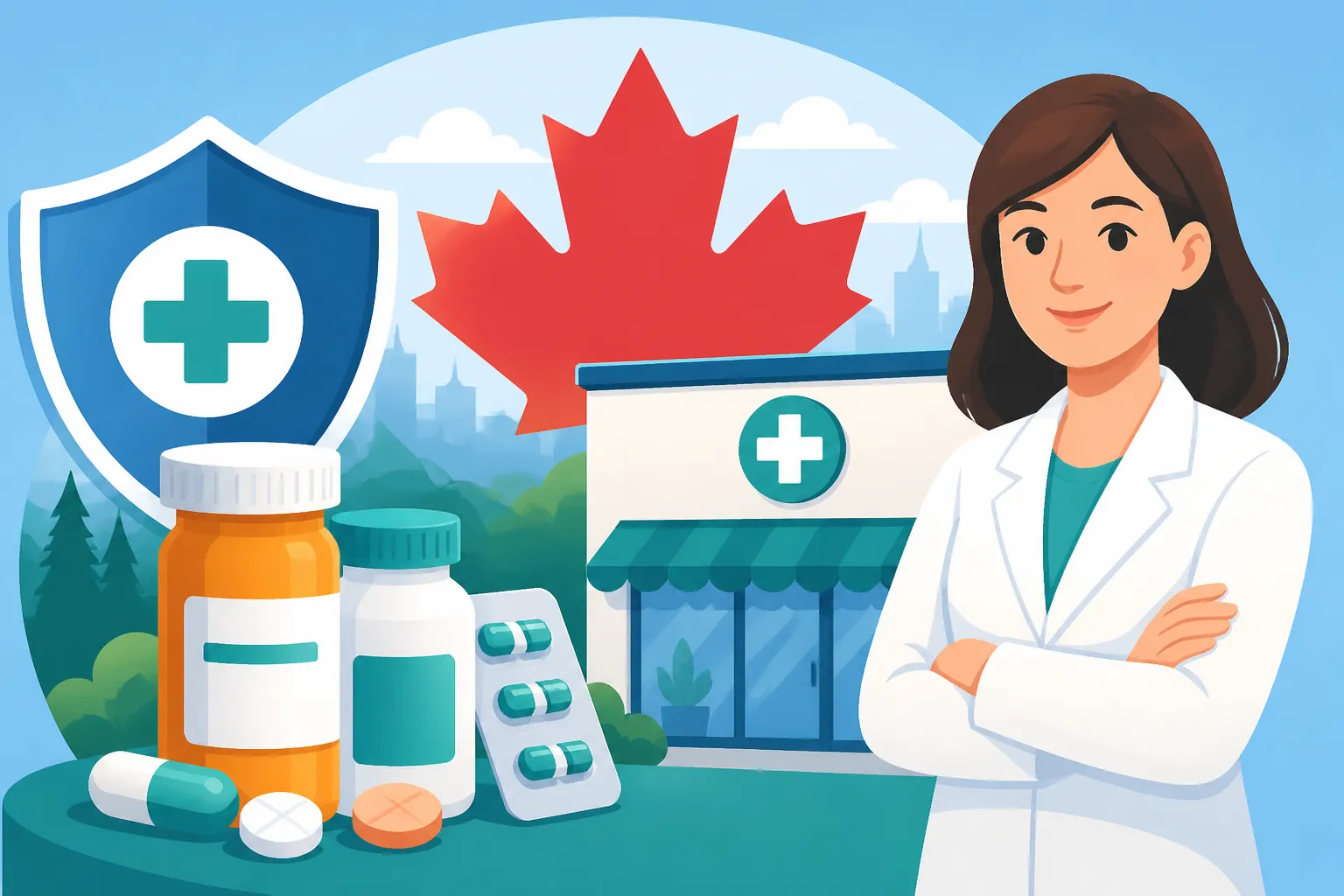
Walking into a Canadian pharmacy for the first time is a bit like entering a mini-department store. The biggest players, such as Shoppers Drug Mart and Rexall, dedicate a significant amount of floor space to cosmetics, electronics, and even groceries. The actual pharmacy counter is usually tucked away at the very back. This layout is standard across the country, but the level of service you receive can vary wildly depending on the type of pharmacy you choose.
Finding a "home" pharmacy is one of the most practical things you can do as an expat. When you stick to one location, the pharmacist becomes familiar with your medical history, your allergies, and your insurance provider. They can also keep your "profile" on file, making it much easier to manage refills and check for potential drug interactions between different medications prescribed by different specialists.
Major Chains vs Independent Pharmacies
Shoppers Drug Mart is the titan of the Canadian pharmacy world. Owned by Loblaw Companies, it is ubiquitous. One of the perks of using a major chain like Shoppers is the convenience; many locations are open late, and some are even open 24 hours in major urban centers. They also have a robust loyalty program, PC Optimum, which allows you to earn points on your out-of-pocket prescription costs (in most provinces) and other store purchases. However, because they are so busy, the wait times can be long, often ranging from 20 minutes to an hour just to get a simple script filled.
On the other hand, smaller, independent pharmacies often offer more personalized care. You are more likely to speak directly with the owner, and they might be more willing to go the extra mile to source a specific brand of medication or offer a lower "dispensing fee." The dispensing fee is a service charge added to every prescription, and while it is capped in some provinces for public plans, it can vary significantly between private pharmacies. If you are paying out of pocket, these fees can add up, making it worth your time to compare costs between a big-box store and a local neighborhood chemist.
Pharmacy Services Beyond Dispensing
In recent years, the role of the Canadian pharmacist has expanded dramatically. They are no longer just "pill counters." In many provinces, pharmacists now have the authority to prescribe medications for "minor ailments." This is a game-changer for newcomers who haven't yet managed to find a family doctor. If you have a cold sore, a urinary tract infection, or a mild case of dermatitis, you can often skip the walk-in clinic and go straight to the pharmacist.
This expansion of scope is part of a broader effort to reduce the strain on the primary care system. Pharmacists can also administer vaccines, including the annual flu shot and COVID-19 boosters. In provinces like Ontario and Alberta, they can even renew existing prescriptions for a short period if you are unable to get an appointment with your doctor. This service is a lifesaver when you realize on a Friday night that you have run out of your blood pressure medication and your doctor’s office is closed until Monday.
How to Get a Prescription in Canada
One of the biggest hurdles for foreigners is the realization that a prescription from your home country is legally worthless at a Canadian pharmacy. No matter how long you have been taking a medication or how "official" your foreign doctor's note looks, a Canadian pharmacist cannot legally fill it. You must have a prescription written by a practitioner licensed in a Canadian province or territory. This often means your first week in the country will involve a quest to find a doctor who can "Canadianize" your existing treatment plan.
The process of getting that first Canadian script can be frustratingly slow. If you have chronic conditions, it is vital to bring at least a three-month supply of your medications from home to cover you while you navigate the local medical bureaucracy. You will also want to have a detailed summary of your medical records and copies of your foreign prescriptions to show the local doctor, which helps them understand your history and reduces the need for redundant diagnostic tests.
Walk-In Clinics vs Family Doctors
Most newcomers struggle with How to Find and Register with a Family Doctor in Canada because the waitlists in cities like Vancouver or Toronto can be years long. If you don't have a family doctor, your primary point of contact for a prescription will be a walk-in clinic. These clinics operate on a first-come, first-served basis. You show up, wait for an hour or two (or five), and see whichever doctor is on duty. While they can write prescriptions, walk-in clinic doctors are often hesitant to prescribe controlled substances or complex psychiatric medications to someone they have just met.
For routine medications like birth control, asthma inhalers, or basic antibiotics, walk-in clinics are perfectly fine. However, they lack continuity of care. You will likely see a different doctor every time, which means you have to repeat your story over and over. This is why getting on a waiting list for a family physician the moment you arrive is so important. A family doctor will manage your long-term health and can provide the "refills" needed for chronic conditions without you having to sit in a waiting room every month.
Telehealth and Virtual Care
The rise of Understanding Telehealth and Virtual Care Options in Canada has made getting prescriptions significantly easier. Platforms like Maple, Telus Health MyCare, and Rocket Doctor allow you to speak with a Canadian-licensed physician via video or text. In many cases, if the issue is straightforward, the doctor can fax a prescription directly to the pharmacy of your choice within minutes. This is an incredible tool for busy expats who cannot afford to spend a half-day at a physical clinic.
However, be aware that many virtual care platforms charge a fee for their services if you do not have a provincial health card, or if the service is not covered by your province's public plan. If you are still in your waiting period and using a plan like SafetyWing, check to see if their coverage extends to these types of virtual consultations. Virtual care is excellent for "maintenance" medications, but for anything requiring a physical exam—like listening to your lungs or checking a suspicious mole—you will still need to visit a clinic in person.
Managing Prescription Costs
Canada is often perceived as having "free healthcare," but as any resident will tell you, that doesn't extend to the pharmacy. Prescription drug prices in Canada are regulated by the Patented Medicine Prices Review Board (PMPRB), which keeps costs lower than in the United States but significantly higher than in many European or Asian countries. If you are taking several medications, the monthly cost can easily become a significant line item in your budget.
There are strategies to keep these costs down, but they require you to be proactive. Pharmacists and doctors won't always offer the cheapest option unless you ask. Being your own advocate at the pharmacy counter is the difference between paying $20 for a month's supply of medicine or paying $120. Always ask about the "total cost," which includes the drug price plus the dispensing fee.
Generic vs Brand Name Drugs
In Canada, generic drugs are bioequivalent to brand-name versions, meaning they have the same active ingredients and work in the same way. By law, a pharmacist will usually substitute a brand-name drug for a generic one unless your doctor has specifically written "No Substitution" on the prescription. Generic drugs are significantly cheaper—often 60% to 80% less than the brand-name equivalent.
If you are moving from a country where you have a strong preference for a specific brand, you might find that brand is either unavailable here or prohibitively expensive. It is worth discussing with your doctor whether a generic version is appropriate for you. In almost all cases of routine medications for cholesterol, blood pressure, or common infections, the generic version is the standard of care in Canada and will save you a fortune over the long run.
Provincial Drug Benefit Programs
While the general population pays for drugs, every province has "safety net" programs for high-cost medications or for people with very low incomes. For example, the Trillium Drug Program in Ontario is designed for people who have high prescription drug costs relative to their household income. If your medication costs exceed a certain percentage of what you earn, the government steps in to cover the rest.
| Province | Primary Drug Program | Who is it for? |
|---|---|---|
| Ontario | Ontario Drug Benefit (ODB) | Seniors, Youth <24, Low Income |
| British Columbia | Fair PharmaCare | All residents (income-based deductible) |
| Alberta | Alberta Adult Health Benefit | Low-income households |
| Quebec | Public Prescription Drug Insurance | Everyone not covered by a private plan |
Understanding these programs is vital if you have a chronic condition like Crohn's disease, Diabetes, or Multiple Sclerosis, where the cost of biologic drugs can be astronomical. You don't want to wait until you are in a financial crisis to look into Understanding What Provincial Health Plans Do and Don't Cover in Canada. Each province has a "formulary," which is a list of drugs they are willing to pay for. If your specific medication isn't on that list, you may need your doctor to submit a special request for "Exceptional Access."
Insurance and Supplementary Benefits
Since public healthcare leaves a gap for prescriptions, the vast majority of Canadians rely on "supplementary" insurance. This is usually provided as part of an employment package. When you are interviewing for jobs in Canada, the "benefits package" is often just as important as the salary. A good plan will cover 80% to 100% of your prescription drug costs, along with dental and vision care.
For those who are self-employed, freelancers, or working in the gig economy, the lack of employer benefits can be a major financial risk. In these cases, purchasing a personal health insurance policy is highly recommended. These private policies can be tailored to your needs, but they often have "waiting periods" for pre-existing conditions, so it’s best to sign up while you are healthy.
Employer-Provided Health Benefits
Once you secure a full-time role, you will likely be given a "drug card." This is a plastic or digital card that you present to the pharmacist. The pharmacy then bills your insurance company directly (a process called "third-party billing"), and you only pay the "co-pay" amount. For example, if your plan covers 80%, and the medication costs $100, you pay $20 at the counter, and the insurance company pays the rest behind the scenes.
It is important to read the fine print of your How to Use Private Health Insurance and Employer Benefits in Canada guide. Some plans have a "cap" on how much they will pay per year, while others only cover generic drugs. If your employer uses a "managed formulary," they might only pay for drugs that have been proven to be cost-effective. Always check with your HR department or the insurance provider's app before you go to the pharmacy to avoid unexpected costs.
Private Insurance for Newcomers
If you aren't yet employed or are working as a freelancer, you still need coverage. Newcomers often forget that the "free" system doesn't apply to the pharmacy. This is where a plan like SafetyWing can provide essential peace of mind. While many people think of travel insurance as only covering hospital stays, a robust plan for expats should account for the reality of day-to-day medical needs.
Having private insurance is particularly important if you are planning to travel between provinces or back to your home country frequently. Provincial plans often have strict residency requirements and may stop covering you if you are out of the province for more than a few months. A private, global-minded insurance plan ensures that your access to medical care and the medications you need isn't tied to a specific postal code. This is a critical component of Understanding Supplementary Health Insurance (Dental, Vision, Drugs) in Canada when you are building your new life in a foreign country.
Transferring Prescriptions and Foreign Medications
One of the most common questions I get from people moving to Canada is, "Can I just bring a year's supply of my medication with me?" The answer is a bit complicated. Legally, Health Canada allows you to bring a 90-day supply of a prescription drug for personal use, provided it is in the original pharmacy packaging with the labels intact. If you try to bring more, you risk having it seized at the border by the Canada Border Services Agency (CBSA).
The 90-day rule is meant to give you enough time to find a local doctor and get a Canadian prescription. However, many people find that 90 days isn't quite enough time to navigate the waitlists. This is why you should start the process of finding a clinic the very first week you land. Do not wait until you are on your last week of pills to start looking for a doctor.
Bringing Medication into Canada
When you pack your medications, keep them in your carry-on luggage. You do not want a lost suitcase to result in a medical emergency. You should also carry a copy of the original prescription and a letter from your doctor explaining what the medication is for, especially if it is a controlled substance like a stimulant for ADHD or a strong painkiller. Canadian customs can be quite strict about these categories of drugs.
If you are bringing in specialized equipment, like insulin pumps or CPAP machines, make sure you have the necessary documentation for those as well. Once you are in the country, you will need to find a local supplier for the consumables associated with this equipment. Your foreign supplier likely won't ship to Canada, or if they do, the shipping costs and import duties will be exorbitant.
Why Your Foreign Prescription Won't Work
Many expats get angry at Canadian pharmacists, but it's important to remember that the pharmacist isn't being difficult—they are following the law. Canadian pharmacists are regulated by provincial colleges, and their licenses depend on following strict protocols. A prescription is a legal document, and a pharmacist cannot verify the authenticity or the licensing status of a doctor in London, Mumbai, or New York.
Furthermore, drug names and dosages can vary by country. A medication that goes by one name in Europe might have a completely different name in Canada, or it might be available in different concentrations. A Canadian doctor needs to assess you to ensure the medication is appropriate within the context of the Canadian pharmaceutical market and that there are no contraindications with other local health factors. This is a core part of Navigating the Canadian Healthcare System: A Newcomer's Roadmap (2027).
Specialized Medications and Refills
Managing refills in Canada is generally quite simple once you are in the system. Most prescriptions come with a set number of "repeats." For example, a doctor might give you a script for 30 days with 5 repeats, meaning you can get a 6-month supply in total, but you have to pick it up once a month. Some insurance plans allow for a "90-day fill," which is much more convenient and often reduces the total amount you pay in dispensing fees.
If you are going on a long trip, you can ask for a "vacation supply." Most pharmacists are happy to accommodate this, although your insurance company might require a bit of extra paperwork to approve paying for three months of medication all at once. It’s always best to give the pharmacy a few days' notice for these types of requests.
Controlled Substances and Refill Policies
If you take medications that are classified as controlled substances—such as certain anxiety medications, ADHD stimulants, or opioids—the rules are much tighter. These prescriptions often cannot be "refilled" in the traditional sense. Instead, the doctor must issue a brand-new prescription every month or every three months. Pharmacists are also prohibited from transferring these scripts between different pharmacy locations.
This can be a massive headache if you move from one city to another. You have to ensure your old doctor faxes a new script to your new pharmacy, or you have to find a new doctor in your new city immediately. Because of the "opioid crisis," Canadian doctors are under a lot of scrutiny regarding these medications. Expect to be asked for ID every time you pick them up, and don't be surprised if the doctor requires regular in-person or virtual check-ins to continue the treatment.
Online and Mail-Order Pharmacies
For those living in rural areas or just looking for maximum convenience, online pharmacies have become very popular in Canada. Companies like PocketPills or the mail-order divisions of major chains allow you to upload your prescription via an app. They then coordinate with your insurance and mail the medications directly to your door in discreet, sorted packaging (often called "blister packs").
Blister packs are a fantastic service for anyone taking multiple medications daily. The pharmacy organizes your pills by the day and time they should be taken, which virtually eliminates the risk of forgetting a dose. Most mail-order pharmacies offer lower dispensing fees than physical stores because they have lower overhead costs. However, the downside is that you lose the face-to-face relationship with a pharmacist who can answer urgent questions.
Emergency Situations and After-Hours Care
What happens if you lose your medication or run out in the middle of the night? Medical emergencies don't always happen during business hours. In major cities, you can usually find at least one 24-hour Shoppers Drug Mart. In smaller towns, you might be out of luck until the morning. This is why keeping an emergency "buffer" of at least a week's supply is a key part of Emergency Medical Care in Canada: What Every Newcomer Needs to Know.
If you are in a genuine crisis and cannot wait until a pharmacy opens, you may need to go to a hospital emergency room. However, ERs are for life-threatening issues. If you just need a refill, they will likely make you wait for many hours, and they will only give you enough medication to last until you can see a regular doctor or visit a pharmacy.
24-Hour Pharmacies and Urgent Needs
When searching for a 24-hour pharmacy, use Google Maps or the "Find a Store" feature on the Shoppers Drug Mart or Rexall websites. Be prepared for a long wait at 2 AM, as these locations often serve a large area and handle many emergency prescriptions from local hospitals. If you are using a 24-hour pharmacy that isn't your "home" location, make sure you have your insurance card and a list of all other medications you are taking to ensure safety.
In some provinces, if you have an urgent need and your doctor is unavailable, a pharmacist can provide an "emergency supply" (usually 3 to 7 days) of your maintenance medication. They will charge you for this, and they will need to see evidence that you have a valid, recent prescription on file somewhere. This is a professional judgment call on the part of the pharmacist, so being polite and having your documentation ready goes a long way.
Hospital Pharmacy Dispensing
If you are discharged from a hospital after a surgery or an emergency visit, the hospital pharmacy might fill your initial prescription so you can go straight home and rest. However, hospital pharmacies are generally not meant for long-term use by the public. They will give you enough to get started, and then they will expect you to take the rest of the prescription to a community pharmacy.
It's also worth noting that medications administered inside the hospital during your stay are typically covered by your provincial health plan. However, the moment you are handed a piece of paper to take to a pharmacy outside the hospital, the cost becomes your responsibility. This distinction is one of the most confusing aspects of the system for newcomers, and it's why Understanding Hospital Visits and Billing for Newcomers in Canada is such an important topic to master.
Important Medical Disclaimer
The information provided in this guide is for educational and informational purposes only and does not constitute professional medical or legal advice. Healthcare regulations, drug availability, and provincial insurance policies in Canada are subject to frequent changes. Always consult with a licensed Canadian healthcare professional, such as a doctor or pharmacist, regarding your specific medical needs and treatment options. If you are experiencing a medical emergency, call 911 immediately or visit the nearest emergency department. Neither the author nor this publication is responsible for any consequences resulting from the use of the information provided herein.