Can I Get a Health Check as a Newcomer in Canada?
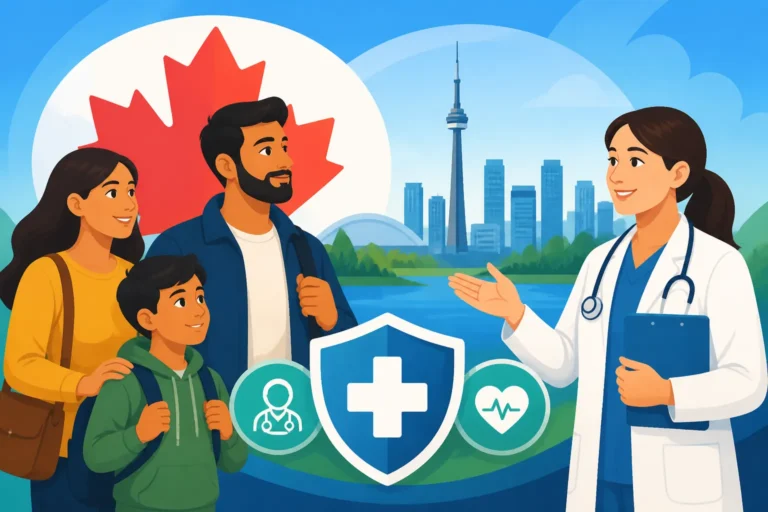
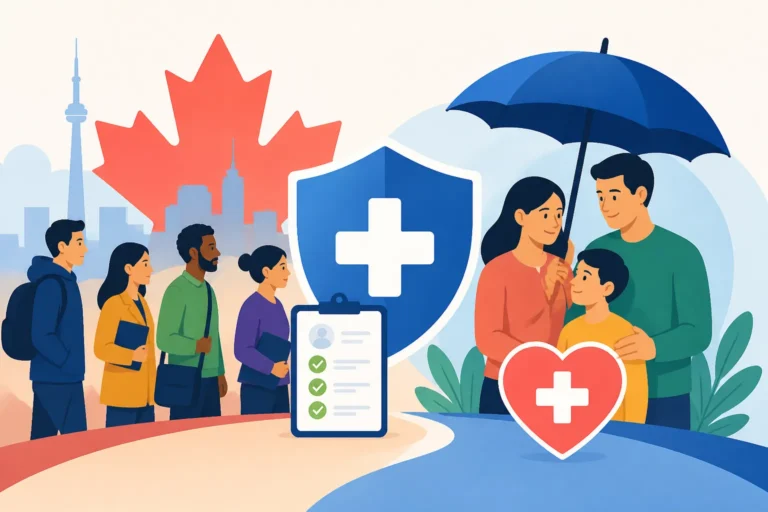
One of the most common questions and anxieties I hear from new arrivals in Canada is about getting a thorough health check. Many newcomers are used to an annual, comprehensive physical exam in their home countries, and the Canadian system, with its provincial waiting periods and different approach to preventative care, can feel quite confusing, even daunting. This guide is here to demystify what a "health check" means in Canada for newcomers like yourself, how to navigate the system, and what steps you can take to ensure your health is a top priority from day one.
Understanding "Health Checks" in the Canadian System
Let's be honest, the Canadian healthcare system is a bit of a beast to understand when you first land. It’s publicly funded, yes, but it’s not a one-size-fits-all, walk-in-for-anything kind of deal. The concept of a "health check" here might be different from what you're accustomed to, and understanding that distinction is key.
The Concept of the "Annual Physical"
When many of us think of a "health check," we picture a traditional, comprehensive annual physical – a head-to-toe examination, a battery of blood tests, maybe even some scans, all done just because it's "time." Here in Canada, particularly for healthy adults, that traditional annual physical is less common than it once was. The focus of the public healthcare system is heavily weighted towards preventative care and addressing specific concerns, rather than a routine, all-encompassing yearly check-up if you don't have any symptoms or risk factors.
This can be a bit of a shock, especially if you come from a country where annual check-ups are standard. Your doctor here will likely take a more targeted approach. For example, if you're a healthy 30-year-old with no medical history, your doctor might focus on reviewing your lifestyle, updating vaccinations, and performing age-appropriate screenings, rather than a full physical exam. Preventative screenings like Pap tests for cervical cancer, mammograms for breast cancer (for specific age groups), and colon cancer screening usually happen at recommended intervals based on your age, sex, and family history, not necessarily every single year. The idea is to use resources efficiently, ensuring those who genuinely need a comprehensive review or have specific health concerns get the attention they require.
Initial Medical Exam for Immigration (IME)
Now, many of you will have already experienced a rather thorough "health check" even before you officially landed here: the Initial Medical Examination (IME). This is a mandatory part of the immigration process for most newcomers. During your IME, a panel physician would have performed a general physical examination, checked your vision and hearing, reviewed your medical history, and conducted tests such as urine analysis, blood tests for HIV and syphilis, and a chest X-ray for tuberculosis.
It’s crucial to understand that while comprehensive, this IME is purely for immigration purposes. Its primary goal is to ensure you don’t have any medical conditions that could pose a risk to public health and safety or place excessive demand on Canada’s healthcare services. It is not a substitute for establishing ongoing primary care with a family doctor once you arrive. The panel physician isn't typically going to become your family doctor, nor will they continue managing your health after immigration. Think of it as a snapshot of your health at a specific moment in time, a necessary hurdle for your visa, but not the beginning of your healthcare journey in Canada. You still need to proactively seek a family doctor and begin your long-term health management.
Navigating Health Checks During and After the Waiting Period
This is often where the real stress begins for newcomers. You've arrived, you're trying to settle in, and suddenly you realize there's a gap in your healthcare coverage. It's a frustrating reality, but one that many of us have faced.
During the Provincial Waiting Period
Ah, the provincial waiting period – a hurdle that causes endless anxiety for so many. Most provinces in Canada impose a waiting period, often up to three months, before you become eligible for provincial health coverage. This means that even though Canada boasts universal healthcare, you might not have access to it immediately upon arrival. This gap leaves you vulnerable, and it's something you must plan for. During this time, if you need to see a doctor for a non-emergency health check or any other medical concern, you will be paying out-of-pocket, and trust me, those costs can add up fast. Just visiting a walk-in clinic could set you back anywhere from $80 to $200 or more, and that's before any tests or medications.
This is precisely why obtaining private health insurance for this transitional period is not just a good idea, it's essential. Many newcomers opt for travel insurance that extends into Canada, or specific newcomer health insurance plans. For instance, companies like SafetyWing offer travel and medical insurance that can be a lifesaver during this initial phase, covering unexpected medical emergencies or even an urgent visit to a doctor for a quick check-up. While it won't cover routine preventative checks, it provides a crucial safety net. Without it, even a minor illness or injury can lead to significant financial strain. I cannot stress enough the importance of having coverage during this time; don't leave yourself exposed. For more details on this, take a look at our guide on How to Get Private Health Insurance to Cover the Waiting Period in Canada and The Newcomer Waiting Period for Provincial Health Coverage in Canada (2027).
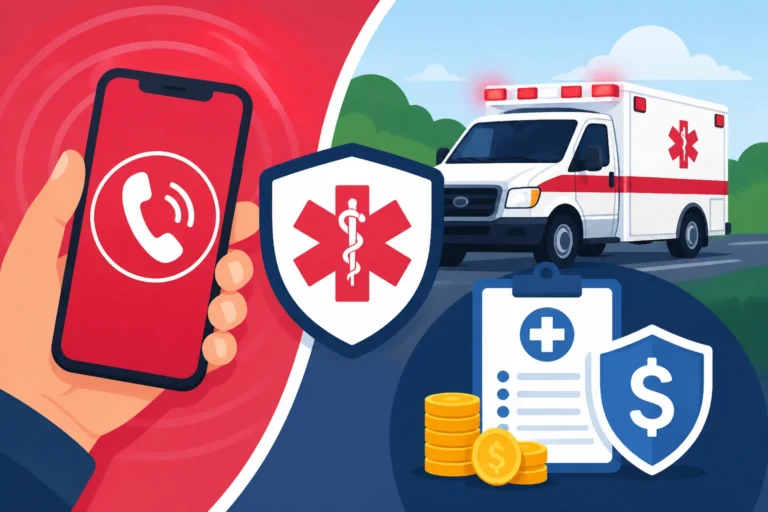
If you find yourself needing care and you don't have private insurance, your options are limited. Walk-in clinics are your best bet for urgent but non-emergency issues, but be prepared to pay upfront. Hospitals and emergency rooms are strictly for true emergencies; if you go for something that could have been handled at a clinic, you'll still face a hefty bill, and you'll tie up resources meant for critical cases. Understand Emergency Medical Care in Canada: What Every Newcomer Needs to Know to avoid any nasty surprises.
Once Provincial Coverage Begins
Once your provincial health coverage finally kicks in, it’s like a weight lifts off your shoulders. But the journey isn't over. Your absolute priority should be to How to Find and Register with a Family Doctor in Canada. This is a critical step, as your family doctor (also known as a general practitioner or GP) will become your primary point of contact for virtually all healthcare needs, including any routine health checks.
Your first appointment with a new family doctor will likely be a "meet and greet" or an initial assessment. This is your opportunity to share your medical history, discuss any ongoing health concerns, medications you're taking, and any specific health checks or screenings you're due for based on your age or previous medical advice. Don't expect a full physical right off the bat unless you have specific symptoms. Instead, your doctor will use this time to get to know you, understand your health profile, and then, based on Canadian preventative care guidelines and your individual needs, determine what, if any, "health check" components are necessary. This might involve ordering specific blood tests, scheduling age-appropriate cancer screenings, or referring you to a specialist if they identify a need. Remember, the system is designed for your family doctor to be your healthcare "home," guiding you through the necessary steps. You can also learn How to Apply for Your Provincial Health Card in Canada (2027) to ensure you have everything in order.
What a Health Check Might Cover in Canada
So, once you're settled with a family doctor and your provincial coverage is active, what does a "health check" actually entail in Canada? It's less about a generic full-body overhaul and more about targeted, evidence-based screenings and discussions.
Common Screenings and Assessments
When your family doctor determines a "health check" is warranted, or if you bring up specific concerns, they will typically focus on a range of preventative screenings and assessments. These are designed to catch potential issues early. Expect your doctor to monitor your blood pressure regularly, as hypertension often has no symptoms but can lead to serious problems. They might order blood tests to check your cholesterol levels and blood sugar, especially if you have a family history of heart disease or diabetes, or if your lifestyle suggests a risk. These are proactive steps to identify and manage risk factors before they become full-blown conditions.
For women, routine Pap tests (cervical cancer screening) are typically recommended every 2-3 years after a certain age, and mammograms for breast cancer screening usually start around age 50, though this can vary by province and individual risk factors. Men over a certain age might discuss prostate cancer screening with their doctor, weighing the pros and cons. Colon cancer screening is also a significant focus, with various methods recommended for adults over 50. Additionally, your doctor will review your immunization history and recommend any necessary updates, especially important if you've moved from a region with different vaccination schedules. Mental health check-ins are also increasingly becoming part of routine care, as doctors recognize the profound impact mental well-being has on overall health. They might ask about your stress levels, sleep, and mood, and offer resources if needed.
| Aspect | Traditional "Full Physical" Expectation (often from other countries) | Canadian Preventative Care Approach (with a family doctor) |
|---|---|---|
| Frequency | Annual, regardless of health status | Targeted visits based on age, gender, risk factors, or specific concerns; less frequent "full physicals" for healthy adults. |
| Scope | Head-to-toe examination, comprehensive blood work, scans, EKG by default. | Focus on specific health history, lifestyle discussion, age/gender-appropriate screenings (e.g., Pap, mammogram, colon screening). |
| Blood Tests | Broad panel often done yearly. | Ordered based on risk factors, symptoms, or specific guidelines (e.g., cholesterol, blood sugar). |
| Imaging/Scans | Sometimes routine or easily requested. | Generally only ordered if medically indicated by symptoms or specific risk. |
| Doctor's Role | General overview. | Primary care provider, gatekeeper to specialists, coordinates your entire health journey. |
| Cost | Often covered by private insurance or out-of-pocket for foreigners. | Covered by provincial plan once eligible; private insurance for gaps/uninsured services. |
Specialized Referrals and Follow-ups
Should your family doctor identify anything during your discussions or screenings that requires further investigation, they will then provide a referral to a specialist. This is How Specialist Referrals Work in the Canadian Health System. For example, if a blood test shows abnormal sugar levels, you might be referred to an endocrinologist. If a Pap test has an irregular result, a referral to a gynecologist might follow. It's a structured system, and your family doctor is the one who initiates these connections.
It’s important to manage your expectations regarding specialist wait times. While Canada's public system covers these services, getting an appointment with a specialist can sometimes involve a significant wait, particularly for non-urgent conditions. This can be one of the most frustrating aspects for newcomers, especially if you're used to quicker access in your home country. Your family doctor will usually be able to give you an idea of typical wait times and will advocate for you if your condition is urgent. Always ensure you follow up with your family doctor after seeing a specialist, as they will manage your ongoing care and coordinate any further steps. They are your central hub in the Canadian healthcare system, a crucial part of Navigating the Canadian Healthcare System: A Newcomer's Roadmap (2027).
Tips for Newcomers to Proactively Manage Their Health
Coming to a new country and figuring out a new healthcare system can feel overwhelming. But there are definitely steps you can take to empower yourself and proactively manage your health from the moment you arrive.
Be Prepared for Your First Doctor's Visit
When you finally secure that first appointment with a family doctor, whether it's for an initial check-in or a specific concern, be prepared. I can't emphasize this enough. Gather all your relevant medical history from your home country: vaccination records, any chronic conditions you have, a list of current medications (including dosages), past surgeries, and any significant family medical history. Having this information readily available will save you and your new doctor a lot of time and guesswork.
Consider writing down any specific questions or health concerns you have before your appointment. It’s easy to forget things once you’re in the examination room. Are you worried about a persistent cough? Do you need a refill for a medication? Are you wondering about specific preventative screenings you had back home? Ask away! Clear and open communication is vital. If English or French isn't your first language, don't hesitate to ask if interpreter services are available or if you can bring a trusted friend or family member to help translate. A great first visit sets the tone for your ongoing health management. If you're looking for quick answers to common ailments, remember that Are Generic Medicines Available in Canadian Pharmacies? and Prescription Medications and Pharmacies in Canada: The Complete Guide can provide useful context.
Understanding Costs and Coverage
It’s easy to assume that "free healthcare" means everything is covered, but that's not quite how it works in Canada. While provincial plans cover most medically necessary doctor's visits and hospital services, there are significant gaps. For example, prescription medications, dental care, eye care, physiotherapy, and many mental health services are generally not fully covered by provincial plans. This is a critical point that often surprises newcomers.
This is where Understanding What Provincial Health Plans Do and Don't Cover in Canada becomes so important. Many Canadians rely on supplementary private health insurance, often through their employer benefits package, to cover these "extra" services. If you don't have employer benefits, you might consider purchasing a personal private health insurance plan to fill these gaps. These plans can help with everything from covering the cost of prescription drugs to getting that much-needed dental cleaning. Even if you're covered by a provincial plan, knowing about supplemental private insurance options from providers like SafetyWing (who offer plans that can cover travel disruptions or even broader benefits depending on the package) can offer an added layer of security, especially if your job doesn't provide comprehensive benefits right away. Be proactive about understanding what you're covered for and where you might need to budget for out-of-pocket expenses. Getting caught off guard by a bill for an urgent walk-in clinic visit can be a huge financial burden, particularly if you don't have provincial coverage yet, which can be expensive, as detailed in How Much Does a Doctor Visit Cost in Canada Without Coverage?. For a deeper dive into the overall financial picture, check out The Cost of Healthcare in Canada: A Complete Breakdown for Newcomers (2026). It's also worth distinguishing between Public vs Private Healthcare in Canada: What Newcomers Need to Know.
Leverage Community Resources
While finding a family doctor is the gold standard, it can be challenging in some parts of Canada, particularly in larger cities where there's a doctor shortage. Don't despair! There are other resources you can leverage to manage your health. Community Health Centres (CHCs) are an excellent option, especially for newcomers and vulnerable populations. They offer a range of services, often including primary care, without requiring you to have a dedicated family doctor. They can be a great place to get an initial health assessment and connect with other community support services.
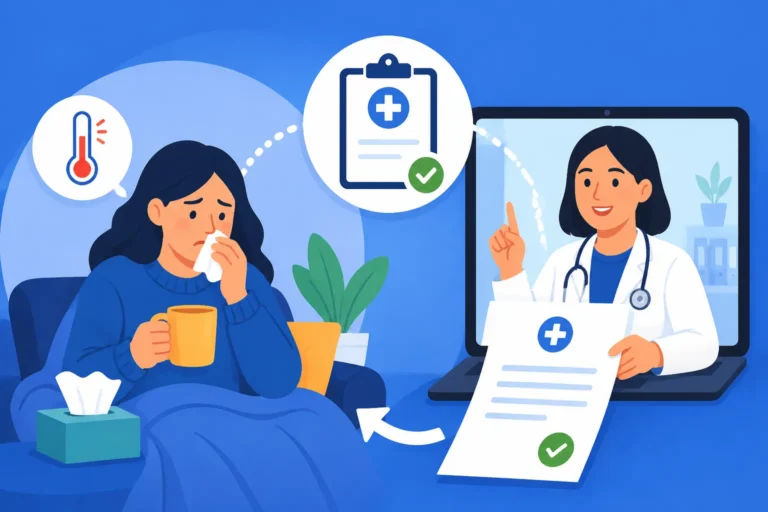
Walk-in clinics, as mentioned earlier, are great for urgent but non-life-threatening issues. They're not a substitute for ongoing care, but they can bridge the gap when you can't get an immediate appointment with your family doctor or if you haven't found one yet. Many provinces also have telehealth or virtual care options, where you can consult with a doctor or nurse practitioner over the phone or video. These services are becoming increasingly popular for minor ailments and advice, offering a convenient way to get quick medical input without leaving your home. Explore these options in your local area; a quick search for "community health centre [your city]" or "telehealth Canada" will usually point you in the right direction.
Disclaimer
Please remember that I am an expat blogger sharing general advice based on personal experience and public information. Healthcare policies and eligibility criteria in Canada are governed by provincial and federal laws and can change. Always verify information with official government sources (such as your provincial Ministry of Health), healthcare providers, or qualified immigration and health professionals. This content is for informational purposes only and should not be considered legal or medical advice.