Are Generic Medicines Available in Canadian Pharmacies?
Moving to Canada, you're hit with a whirlwind of new things, and navigating the healthcare system can feel like learning a whole new language, especially when it comes to medications. Many newcomers are often left wondering about the availability and affordability of their essential prescriptions. This guide aims to clear up the confusion surrounding generic medicines in Canadian pharmacies, explaining what they are, how they work, and what it means for your wallet and well-being as you settle into your new life here.
Understanding Generic vs. Brand-Name Medications in Canada
Oh, the prescription roller coaster! It's one of those things that really throws a wrench in your plans when you first land here, especially if you're used to a different system back home. You walk into a Canadian pharmacy, hand over your prescription, and suddenly you're faced with choices and prices that might make your head spin. One of the biggest questions I get is about the difference between generic and brand-name drugs, and whether those cheaper generics are actually, you know, good. Let me tell you, this is a universal expat worry, and it’s perfectly normal to feel a bit lost.
What Exactly Are Generic Medicines?
Let's break it down. When a pharmaceutical company develops a new drug, they invest a massive amount of money and time into research, development, and clinical trials. To protect this investment, they're granted a patent, which gives them exclusive rights to sell that drug for a certain period, usually around 20 years. During this time, they market it under a specific "brand name" – think of it like the original iPhone.
A generic medicine, on the other hand, is essentially a copy of that original brand-name drug. Once the patent for the brand-name drug expires, other pharmaceutical manufacturers are legally allowed to produce and sell their own versions. These new versions are called "generics." They contain the exact same active pharmaceutical ingredient (API) as the brand-name drug, in the same dosage, and are designed to work in the same way. It's like when Apple's patent on a specific chip expires, and other companies can make compatible, functionally identical chips. The key here is identical active ingredient.
Are Generics as Effective and Safe as Brand-Name Drugs?
This is the million-dollar question for many, and it's a valid one! The short answer, unequivocally, is yes. In Canada, generic medicines are regulated by Health Canada, just like brand-name drugs. Before a generic drug can be sold, the manufacturer has to submit extensive data to Health Canada to prove that their product is "bioequivalent" to the original brand-name drug.
What does bioequivalent mean? It means the generic drug must deliver the same amount of active ingredient to the bloodstream in the same amount of time as the brand-name drug. It must also have the same strength, quality, purity, and intended use. Health Canada scrutinizes everything from the manufacturing process to the inactive ingredients (like fillers or dyes, which can be different but must be safe) to ensure that the generic performs identically to its brand-name counterpart. So, if your doctor prescribes a medication, and the pharmacist offers a generic version, you can be confident that you're getting the same therapeutic benefit. The only things that might differ are the appearance (shape, colour), packaging, and sometimes inactive ingredients, but never the core medicinal effect. This rigorous oversight is why you shouldn't hesitate when offered a generic option; it’s not a compromise on quality or safety.
The Canadian Regulatory Landscape for Generic Drugs
It's easy to assume that if something is cheaper, there must be a catch, right? Especially when it comes to something as vital as your health. But in Canada, the availability and safety of generic medications aren't a matter of cutting corners; they're a carefully regulated part of the healthcare system. The journey a generic drug takes from factory to pharmacy shelf is surprisingly strict, ensuring that you, the patient, receive a product you can trust. This level of oversight is a huge relief when you're trying to figure out how to access your medications in a new country.
Health Canada's Approval Process for Generics
As I mentioned, Health Canada is the federal authority responsible for approving all drugs, whether brand-name or generic, for use in Canada. When a company wants to introduce a generic version of a drug, they don't just whip it up in a lab and ship it out. Oh no, it's far more involved than that! They must submit an Abbreviated New Drug Submission (ANDS) to Health Canada.
This submission includes detailed information proving bioequivalence, manufacturing quality, and stability. Health Canada scientists meticulously review these submissions. They check that the generic version has the same medicinal ingredient, dosage form, strength, and route of administration as the original brand-name drug. They also confirm that it meets the same high standards for quality, purity, and potency. The "abbreviated" part doesn't mean less stringent; it just means the generic manufacturer doesn't need to repeat the original clinical trials for safety and efficacy, as those have already been established by the brand-name drug. Instead, they demonstrate that their product acts the same way in the body. This thorough process ensures that every generic medicine you find in a Canadian pharmacy has been vetted for safety and effectiveness, giving you peace of mind.
Provincial and Territorial Regulations on Generic Drug Pricing
Now, while Health Canada handles the approval of generic drugs, the pricing is where it gets a little more complex, often managed at the provincial or territorial level. This can be a bit of a head-scratcher for newcomers, as "How Canada's Health System Works: Provincial Plans Explained (2026)" will tell you, healthcare isn't a single, monolithic system here. Each province and territory has its own drug benefit programs and regulates how much pharmacies can charge for generic medications, as well as the dispensing fees.
For instance, many provinces have policies designed to encourage the use of generics, often through formularies or "substitution laws." This means that unless your doctor explicitly writes "no substitution" on your prescription, the pharmacist is usually required or strongly encouraged to dispense the generic version if one is available. The pricing regulations typically set a maximum allowable price for generic drugs, often a percentage of the brand-name drug's price (e.g., 25% or 30%). These regulations are constantly evolving, with provinces negotiating with manufacturers to drive down costs. This system helps keep drug costs lower for both patients and the public healthcare system. So, when your pharmacist offers you a generic, it's not just about saving you money; it's often part of a broader provincial strategy to manage healthcare expenditures responsibly. Understanding these nuances is crucial for Understanding Prescription Drug Coverage and Pharmacare in Canada.
Availability and Cost Savings of Generic Medications
One of the most immediate and impactful differences you'll notice in Canadian pharmacies is the push towards generic medications, primarily because of the significant cost savings they offer. For newcomers, especially those who might be navigating the initial "The Newcomer Waiting Period for Provincial Health Coverage in Canada (2027)", every dollar saved counts. Knowing you have access to affordable, effective medication can alleviate a huge burden.
Widespread Availability in Canadian Pharmacies
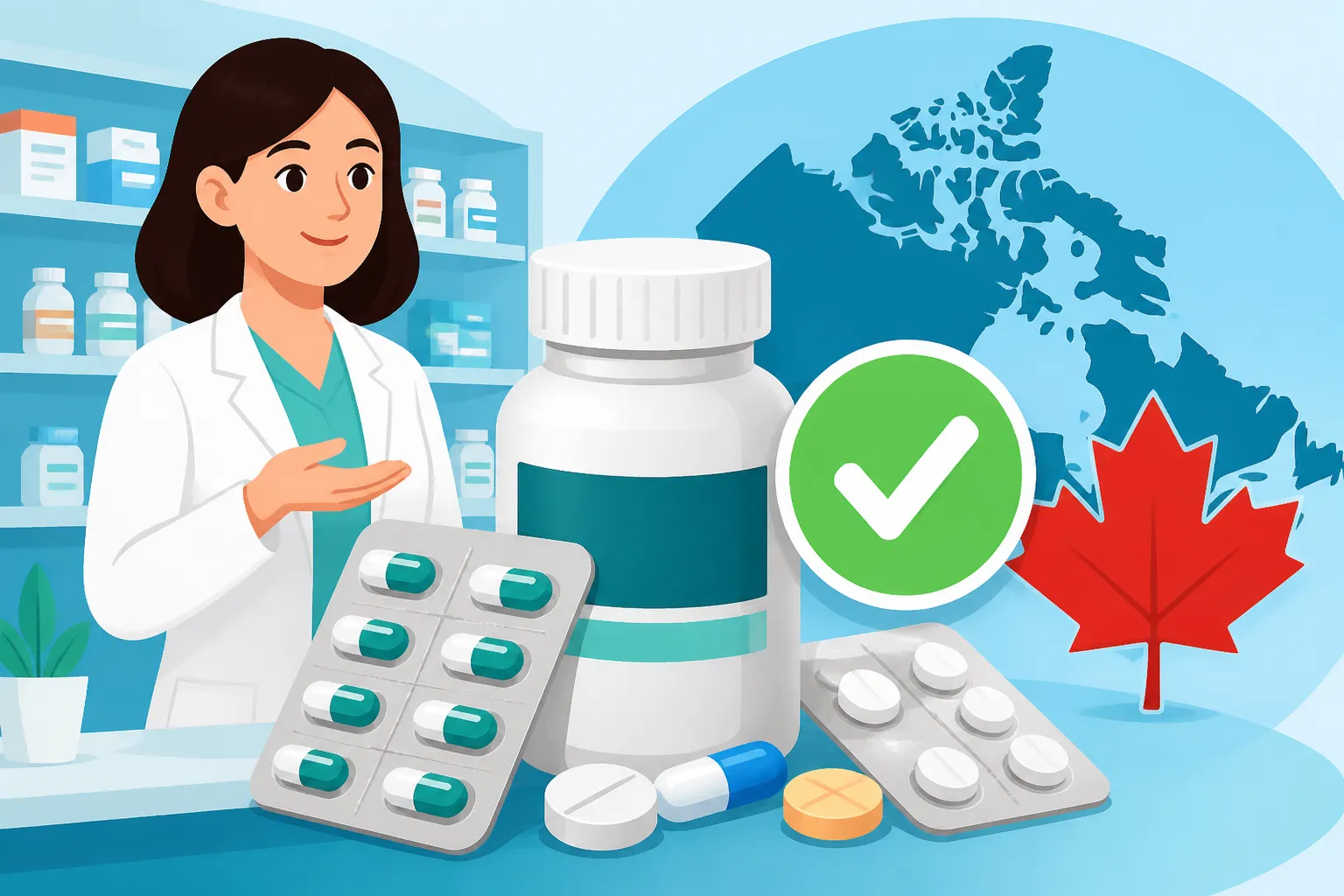
You’ll be happy to know that generic medicines are widely available across Canada, from the smallest local pharmacy to the largest chains like Shoppers Drug Mart, Rexall, Jean Coutu, and London Drugs. Pharmacists are often the first line of defense in managing healthcare costs, and they routinely offer generic alternatives. In fact, it's part of their professional duty to inform you about generic options if they exist for your prescribed medication.
When you bring a prescription to a pharmacy, the pharmacist will check if a generic equivalent is available. Unless your doctor has specifically indicated "no substitution" (which is rare and usually reserved for very specific medical reasons), they will likely offer you the generic version. For example, if your doctor prescribes "Lipitor" for cholesterol, the pharmacist will likely offer "Atorvastatin," the generic name. This practice is so common that many Canadians don't even think twice about it. The sheer volume of generic prescriptions filled annually demonstrates their ubiquitous presence and acceptance in the Canadian healthcare system. So, rest assured, if there's a generic available for your medication, your local Canadian pharmacy will almost certainly have it, or be able to order it quickly.
How Generic Drugs Reduce Costs for Patients and the System
The cost-saving aspect of generic drugs is truly monumental, and it's a huge benefit for individuals and for the sustainability of Canada's healthcare system. Think about it: once a brand-name drug's patent expires, other companies can produce it without having to bear the massive research and development costs that the original innovator did. This absence of R&D costs, coupled with increased competition among generic manufacturers, drives prices down significantly.
For you, this translates directly into lower out-of-pocket expenses. A generic prescription can often be 30% to 80% cheaper than its brand-name counterpart. This difference can be life-changing, especially for those on fixed incomes or managing chronic conditions that require long-term medication. Consider a hypothetical newcomer, Maria, who arrives in Toronto needing a daily medication for high blood pressure. If the brand-name version costs $100 per month, the generic might cost her only $25-$35. Over a year, that's a saving of $780-$900 – money that could go towards rent, groceries, or even exploring her new city. These savings are even more critical during the initial waiting period for provincial health coverage, where many rely on private insurance or pay out of pocket. In such cases, having a robust travel insurance plan like SafetyWing, which can cover unexpected medical costs, including some prescriptions (depending on the policy terms), can be incredibly helpful before your provincial coverage kicks in or if you're here on a shorter stay. It helps bridge that crucial gap.
Beyond individual savings, the widespread use of generics significantly reduces the overall drug expenditure for provincial health plans and private insurance companies. This efficiency allows the healthcare system to allocate resources to other vital areas, ultimately benefiting everyone.
Here’s a quick comparison of generics versus brand-name medications:
| Feature | Brand-Name Medication | Generic Medication |
|---|---|---|
| Active Ingredient | Original, patented formulation | Identical to the brand-name |
| Effectiveness | Proven efficacy and safety | Bioequivalent, same therapeutic effect |
| Safety | Highly regulated by Health Canada | Equally highly regulated by Health Canada |
| Cost | Significantly higher (due to R&D, marketing) | Significantly lower (no R&D recoup, competition) |
| Appearance | Distinctive colour, shape, packaging | May differ in colour, shape, inactive ingredients |
| Patent | Under patent protection, exclusive marketing rights | Patent has expired, allows other manufacturers |
| Availability | Widespread, but often pharmacist will suggest generic | Widely available, often preferred option by pharmacies/plans |
| Regulation | Health Canada approval required | Health Canada approval (bioequivalence) required |
Accessing and Paying for Generic Medications as a Newcomer
Alright, so you know generics are safe, effective, and widely available – that’s a huge weight off your shoulders! But now comes the practical part: how do you actually get them and, crucially, how do you pay for them as a newcomer in Canada? This can be a bit of a maze, especially with the provincial differences in coverage and the initial waiting periods. Don't worry, we'll walk through it.
Getting Your Prescription Filled
The process of getting a prescription filled with a generic medication is generally straightforward once you have a valid Canadian prescription.
- See a Doctor: First and foremost, you'll need to visit a doctor in Canada to get a prescription. This could be a family doctor you've managed to register with (good luck with that, I know firsthand it can be like finding a unicorn!), or more commonly for newcomers, a walk-in clinic or even a virtual care service. Remember to bring any medical records you have from your home country, especially if you're on ongoing medication. It helps the Canadian doctor understand your history. You can learn more about this in articles like How to Find and Register with a Family Doctor in Canada or Understanding the Role of Walk-In Clinics in Canada.
- Take Your Prescription to a Pharmacy: Once you have your prescription, take it to any pharmacy. As mentioned, major chains like Shoppers Drug Mart, Rexall, and independent pharmacies are all equipped to handle prescriptions.
- Consult with the Pharmacist: This is a critical step. The pharmacist will review your prescription and, if a generic version is available, they will almost certainly offer it to you. This is where you can confirm the price difference and ask any questions you have. They are a wealth of knowledge and often very empathetic to newcomers' concerns.
- Pay for Your Medication: This is where your specific coverage comes into play, which we’ll cover next.
Navigating Payment and Insurance Options
Paying for your generic medications can feel complex because Canada’s "free" healthcare system primarily covers doctor visits and hospital stays, not necessarily prescription drugs. This is a common misunderstanding for many arriving from countries with fully nationalized health services.
- Provincial Health Plans (After Waiting Period): Once you've completed your provincial waiting period (which can be up to three months in some provinces, like Ontario, BC, and Quebec – a real pain point, I know!) and successfully applied for your health card, some of your prescription costs might be covered. However, this coverage varies wildly by province and isn't usually comprehensive. Many provincial plans cover only specific medications, particularly for seniors, low-income individuals, or those with catastrophic illnesses. For a deeper dive, check out Understanding What Provincial Health Plans Do and Don't Cover in Canada and Understanding Prescription Drug Coverage and Pharmacare in Canada. You might find that even with your provincial plan, generics are your most affordable option for non-covered drugs.
- Private Health Insurance: This is often the lifeline for newcomers, especially during that initial waiting period. Many employers offer private health insurance benefits as part of their compensation package. If you’re employed, ask your HR department about your health benefits, which typically include prescription drug coverage. These plans often cover a significant portion of generic drug costs, sometimes 80% or more, after a deductible. If you don't have employer benefits, or if you're self-employed, you can purchase private health insurance independently. This is particularly important for visitors or those on temporary permits who might not qualify for provincial coverage right away. Companies like SafetyWing offer travel medical insurance that can be a lifesaver for unexpected medical costs, including some prescription needs, before you establish permanent residency or during short-term stays. It's designed for digital nomads and travelers, and their plans can often cover medical emergencies and unexpected health issues while you're navigating the Canadian system. For more information on securing private coverage, see How to Get Private Health Insurance to Cover the Waiting Period in Canada or How to Buy Private Health Insurance as a Newcomer in Canada.
- Out-of-Pocket Payment: If you don't have provincial coverage or private insurance, or if your plan doesn't cover a specific medication, you will pay out of pocket. This is where the cost savings of generic medications become absolutely crucial. Always ask your pharmacist for the generic option to minimize your expense. Even paying out of pocket, a generic can be manageable compared to a brand-name drug. For an idea of costs, you might want to read The Cost of Healthcare in Canada: A Complete Breakdown for Newcomers (2026) or How Much Does a Doctor Visit Cost in Canada Without Coverage?.
Tips for Managing Prescription Costs
Managing medication costs in a new country can feel overwhelming, but there are definitely strategies to make it easier:
- Always Ask for the Generic: Seriously, this is your golden rule. Even if your doctor writes a brand name, the pharmacist can usually switch it to a generic.
- Compare Pharmacy Prices: Believe it or not, drug prices (especially the dispensing fees, which are the fees pharmacies charge to prepare and dispense your prescription, not the drug itself) can vary slightly between pharmacies. It’s worth checking a couple of local pharmacies for recurring prescriptions if you're paying out of pocket. Independent pharmacies sometimes offer more competitive dispensing fees than large chains, though this isn't always the case.
- Inquire About Patient Assistance Programs: For very expensive medications, particularly those without generic alternatives, some pharmaceutical companies offer patient assistance programs that can help reduce costs. Your doctor or pharmacist can provide information on these.
- Understand Your Benefits: If you have private insurance through an employer, make sure you understand exactly what your plan covers, including deductibles, co-pays, and any limits. Don’t be shy about asking your HR or benefits provider for a detailed breakdown.
- Plan Ahead for the Waiting Period: If you know there's a waiting period for your provincial health coverage, ensure you have private insurance (like a robust travel medical policy such as SafetyWing, which many expats use during transitional periods) or enough savings to cover essential medications during that time. This foresight can save you a lot of stress and money.
Navigating the complexities of prescription medications is just one more puzzle piece in settling into life in Canada, but with generic options, you have a powerful tool for managing costs without compromising your health.
Disclaimer
The information provided in this guide is for general informational purposes only and does not constitute medical, legal, or financial advice. Healthcare regulations, drug availability, and insurance policies in Canada are subject to change and vary by province and individual circumstances. Always consult with a qualified healthcare professional, insurance provider, or financial advisor for personalized advice regarding your specific situation.