Can I Buy Antibiotics Over the Counter in Canada?
One of the most common questions I get from folks arriving in Canada, especially from countries where you might pick up a course of antibiotics along with your groceries, is whether you can do the same here. It's a valid question, rooted in a completely different healthcare experience many of us grew up with. But the short answer, and the reality that often catches newcomers off guard, is a firm "no." This guide is here to walk you through why that is, what you can do, and how to navigate getting the medication you need in Canada.
The Canadian Reality: Why Antibiotics Aren't Over-the-Counter
Let's face it, for many of us, the idea of just walking into a pharmacy and explaining your symptoms to get a quick fix for a sore throat or a persistent cough is deeply ingrained. In Canada, however, that's just not how it works, and understanding why can help ease some of the initial frustration.
Understanding the "Prescription Only" Rule
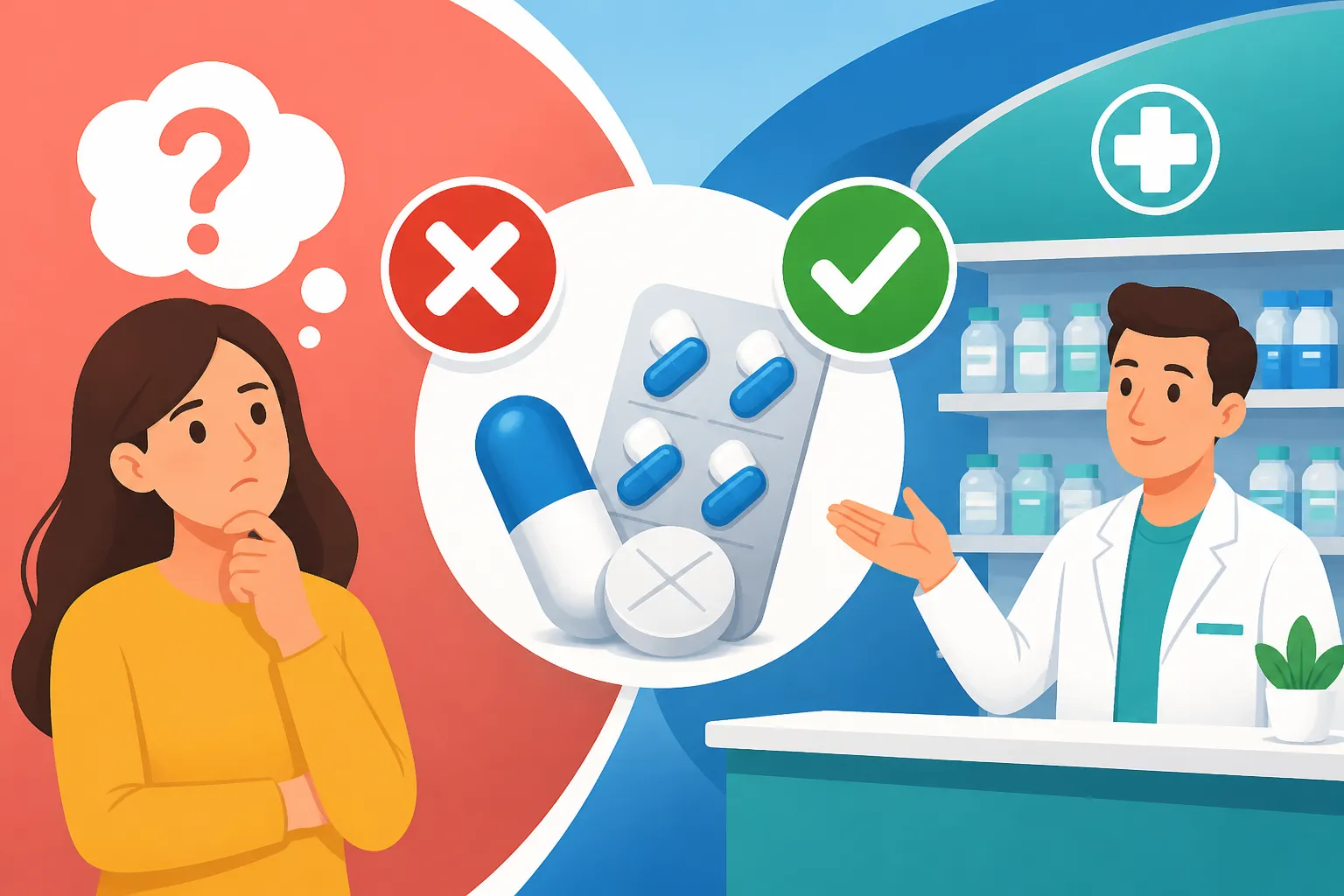
The "prescription only" rule for antibiotics in Canada isn't about making things difficult for you; it's a critical public health measure. Here, antibiotics are considered powerful medications, not something to be dispensed lightly. The primary reason for this strict approach is to combat antimicrobial resistance (AMR), often referred to as antibiotic resistance. When antibiotics are used unnecessarily or incorrectly, bacteria can adapt and become resistant to the drugs designed to kill them. This means that common infections that were once easily treatable can become dangerous, or even deadly, as the antibiotics lose their effectiveness.
Imagine coming from a place where a pharmacist could, with a quick chat, give you amoxicillin for what you think is strep throat. In Canada, a pharmacist isn't authorized to diagnose your condition or prescribe medication without a doctor's order. They are highly trained professionals, absolutely, but their role in this context is to dispense medication prescribed by a licensed physician or authorized practitioner, ensure you understand how to take it, and check for potential drug interactions. This system ensures that a medical professional thoroughly assesses your symptoms, runs tests if necessary, and determines if an antibiotic is truly the appropriate course of action, and if so, which specific antibiotic will be most effective. It's a layer of protection for both individual patients and the wider community.
The Dangers of Self-Medication
While it might seem convenient to self-diagnose and pick up antibiotics, the risks in doing so are substantial and often unseen until it's too late. Incorrect usage of antibiotics, whether it's taking the wrong type, an insufficient dose, or stopping a course too early, contributes directly to the problem of antibiotic resistance we just discussed.
Let's consider a common scenario: you have a cough, congestion, and a sore throat. In many cases, these are symptoms of a viral infection, like a common cold or the flu. Antibiotics are completely ineffective against viruses. Taking an antibiotic for a viral infection not only won't help you feel better but actively contributes to the development of resistant bacteria in your body. It's like trying to put out a fire with a sponge – it simply doesn't work, and in doing so, you're making the fire (the resistant bacteria) stronger for next time.
Beyond resistance, there are other dangers. What if your symptoms are indicative of something more serious that an antibiotic won't touch? A doctor can rule out other conditions. You could also experience significant side effects from an antibiotic that isn't necessary, ranging from mild digestive upset to severe allergic reactions. For example, some antibiotics can cause extreme photosensitivity, leading to severe sunburns, or interact dangerously with other medications you might be taking, like birth control or blood thinners. Without a proper medical assessment, you're essentially playing a game of medical roulette with your health, and frankly, that's not a game you want to lose.
How to Get Antibiotics Legally in Canada
Alright, so if you can't just pick them up, how do you get antibiotics when you genuinely need them in Canada? The process is straightforward, but it requires understanding and patience, especially when you're new to the system.
Seeing a Doctor: Your First Step
The golden rule in Canada for any prescription medication, including antibiotics, is that you must first be assessed by a licensed medical doctor or authorized healthcare practitioner. This means your first step is always a doctor's visit.
- Family Doctor: Ideally, you'd have a family doctor who knows your medical history. If you've managed to find and register with one, they are your primary point of contact. They can assess your symptoms, order any necessary tests (like a throat swab for strep), and prescribe the appropriate antibiotic if needed. Having a consistent relationship with a family doctor is invaluable for managing your health in Canada. If you're still searching, our guide on How to Find and Register with a Family Doctor in Canada offers some excellent tips.
- Walk-In Clinics: For urgent but non-life-threatening issues, walk-in clinics are a fantastic resource. These clinics operate on a first-come, first-served basis, and you can usually see a doctor within a few hours. This is often the most practical option for newcomers who haven't yet secured a family physician. You simply present your provincial health card (or private insurance details if you're in the waiting period) and explain your symptoms to the physician on duty. The doctor will conduct an examination and, if medically indicated, write you a prescription.
- Virtual Care: Over the past few years, virtual care options have exploded in popularity and accessibility. Many provinces now offer virtual appointments with doctors who can diagnose and prescribe medication through a video call or phone consultation. This can be incredibly convenient, especially if you're feeling too unwell to leave the house or live in a remote area. For more on these services, check out our piece on Understanding Telehealth and Virtual Care Options in Canada. Just be aware that for some conditions, a physical examination might still be necessary, and the virtual doctor will advise you to visit an in-person clinic if that's the case.
The key takeaway here is that a proper diagnosis is paramount. A doctor's assessment ensures that if an antibiotic is truly necessary, you receive the correct one for your specific infection, minimizing risks and maximizing effectiveness.
Navigating the Pharmacy with a Prescription
Once you have that sacred piece of paper (or digital prescription sent directly), your next stop is any licensed pharmacy. Canada has a vast network of pharmacies, from large chains like Shoppers Drug Mart, Rexall, and London Drugs to smaller independent pharmacies.
When you present your prescription, the pharmacist will review it, double-check for any potential drug interactions with other medications you're taking, and confirm the dosage. This is a crucial safety step, part of the pharmacist's professional responsibility. They will also counsel you on how to take the medication, what side effects to watch out for, and how long you should take it. Don't hesitate to ask questions – they are there to help! For a deep dive into how pharmacies work here, our Prescription Medications and Pharmacies in Canada: The Complete Guide is a great resource.
Regarding cost, if you have provincial health coverage (like OHIP in Ontario or MSP in British Columbia), some prescription medications might be fully or partially covered, especially for certain age groups or those with specific conditions. However, many common antibiotics are not fully covered by provincial plans, so you'll likely pay a portion or the full cost out of pocket. If you have private health insurance, often through an employer, that coverage will usually kick in here, significantly reducing your cost. Our article on Understanding Prescription Drug Coverage and Pharmacare in Canada offers more details on this. It's always a good idea to bring your provincial health card and any private insurance details to the pharmacy.
What If You Don't Have Provincial Health Coverage Yet?
This is a common and often stressful situation for many newcomers. Most provinces in Canada have a waiting period before you become eligible for provincial health coverage – typically up to three months after you establish residency. During this time, you are not covered for most routine medical care, including doctor visits and prescription medications, unless it's a true medical emergency. This is where many expats feel the pinch and the anxiety of not being fully integrated into the system.
If you fall ill and need antibiotics during this waiting period, you'll still follow the same process: see a doctor at a walk-in clinic or via virtual care. However, you will be expected to pay for the doctor's visit yourself, and the full cost of any prescribed antibiotics. A standard walk-in clinic visit can range from $80 to $200, and antibiotics vary in price but can easily add another $20-$100 or more.
This is precisely why many newcomers wisely invest in private health insurance for their initial months in Canada. Providers like SafetyWing offer comprehensive travel and medical insurance plans that can cover you during this crucial waiting period. Having this type of temporary insurance means that instead of paying out-of-pocket for your doctor's visit and prescription, your insurance might cover a significant portion, or even all, of the costs (after any deductible, of course). It provides immense peace of mind, knowing that a sudden illness won't result in a hefty bill. Our guide on How to Get Private Health Insurance to Cover the Waiting Period in Canada offers practical advice on choosing the right plan, and we also delve into the broader topic of Public vs Private Healthcare in Canada: What Newcomers Need to Know. Trust me, budgeting for this temporary coverage is one of the smartest things you can do when planning your move.
Common Misconceptions and Alternatives
When you're feeling unwell, it's easy to grasp at straws, especially if you're used to different medical practices. Let's clear up some common misunderstandings and discuss what alternatives are legitimately available for symptom relief.
"Natural" Alternatives and When to Be Wary
The world of "natural remedies" is vast, and many people wonder if they can simply use these instead of antibiotics. While certain natural products might offer symptomatic relief or support your immune system, it's absolutely crucial to understand that no natural remedy can replace a prescribed antibiotic for a bacterial infection. Garlic, honey, elderberry, oil of oregano – these can be wonderful for soothing a sore throat or boosting general wellness, but they do not have the specific antibacterial properties of an antibiotic designed to target and eliminate harmful bacteria.
The danger comes when people delay seeking proper medical attention for a bacterial infection, hoping a natural remedy will cure it. This delay can lead to the infection worsening, potentially requiring more aggressive treatment, longer recovery times, or even hospitalization. For example, a bacterial sinus infection or ear infection left untreated can spread and cause more serious complications. Always prioritize a doctor's diagnosis if you suspect a bacterial infection, especially if your symptoms are severe or persist. These natural options are best seen as complementary supports, not replacements for medical science.
Over-the-Counter Relief for Symptoms
While antibiotics require a prescription, the good news is that Canada's pharmacies are well-stocked with a wide array of over-the-counter (OTC) medications designed to alleviate symptoms of common ailments. You don't need a prescription for these, and pharmacists can offer guidance on their appropriate use.
Here's what you can readily buy to help you feel more comfortable while your body fights off an illness, or while you await a doctor's appointment:
- Pain Relievers and Fever Reducers: Acetaminophen (Tylenol) and ibuprofen (Advil, Motrin) are widely available. They are excellent for headaches, muscle aches, and bringing down a fever.
- Cough and Cold Medications: Syrups, lozenges, and pills for coughs (suppressants or expectorants), congestion (decongestants), and sore throats are plentiful. Brands like NyQuil, DayQuil, Benylin, and Robitussin are common.
- Antihistamines: For allergy-like symptoms such as sneezing, runny nose, or itchy eyes, non-drowsy antihistamines (e.g., Claritin, Aerius, Reactine) are easily found.
- Stomach Upset Medications: Antacids for heartburn, anti-diarrhea medications (e.g., Imodium), and laxatives are all available without a prescription.
- Topical Treatments: Ointments for minor cuts, burns, insect bites, and fungal infections (e.g., athlete's foot cream) can be purchased over-the-counter.
The key distinction is that these medications treat the symptoms, not the underlying bacterial cause of an infection. They can make you feel better while your body recovers or until a doctor can properly diagnose and treat you.
Emergency Situations
Let's talk about what happens in a medical emergency, especially if you're a newcomer without full provincial health coverage. If you experience sudden, severe symptoms that you believe are life-threatening – think difficulty breathing, severe chest pain, sudden loss of consciousness, uncontrolled bleeding, or signs of a severe allergic reaction – you should call 911 immediately or go to the nearest hospital emergency room.
In an emergency, you will always receive care, regardless of your immigration status or ability to pay. No one is turned away from an emergency room. However, the costs associated with emergency care, doctor's fees, tests, and any medications administered can be astronomical if you don't have provincial coverage or private insurance. An emergency room visit without coverage can cost hundreds, if not thousands, of dollars. For instance, our article How Much Does an Emergency Room Visit Cost in Canada? breaks down some of these potential expenses.
This underscores the importance of having some form of health coverage, even if it's temporary insurance like SafetyWing, especially during that initial waiting period for provincial plans. While no one wants to think about a medical emergency, being prepared for one financially is a critical step for any newcomer. For a comprehensive overview of how to handle urgent situations, our guide on Emergency Medical Care in Canada: What Every Newcomer Needs to Know is a must-read.
Here’s a quick overview of common health concerns and the Canadian approach:
| Condition / Symptom | Common Canadian Approach | Can I Buy Antibiotics OTC? |
|---|---|---|
| Common Cold / Flu (Viral) | Rest, fluids, OTC pain/fever reducers (Tylenol, Advil), cough syrup, decongestants. Doctor if symptoms worsen. | No |
| Sore Throat (mild) | Throat lozenges, warm liquids, OTC pain relievers. Doctor if severe, persistent, or suspect strep. | No |
| Urinary Tract Infection (UTI) | Doctor visit for diagnosis and prescription. | No |
| Sinus Infection | OTC decongestants, saline rinse for mild cases. Doctor if symptoms persist or severe, for antibiotics. | No |
| Pink Eye (Conjunctivitis) | Doctor visit for diagnosis; may be viral (OTC eye drops) or bacterial (antibiotic eye drops). | No |
| Minor Cuts/Scrapes | Clean, antiseptic ointment, bandage. | No |
| Fever (without clear cause) | OTC fever reducers. Doctor if high, persistent, or accompanied by other severe symptoms. | No |
| Dental Abscess | Emergency dentist or doctor for pain relief and antibiotics. | No |
Planning Ahead: Being Prepared for Illness in Canada
As you can see, navigating the Canadian healthcare system, especially when it comes to something as common as antibiotics, requires a shift in mindset. But with a bit of planning, you can ensure you're well-prepared for any bumps in the road.
Establishing Healthcare Connections
One of the best things you can do for your health and peace of mind in Canada is to proactively establish your healthcare connections. Don't wait until you're sick to figure out where to go.
- Find a Family Doctor: This is often easier said than done, particularly in larger cities. Start your search early, use online directories, and ask for recommendations. A family doctor will be your primary point of contact for routine care, referrals to specialists (which are crucial in Canada's public system), and consistent management of your health. Our guide, Navigating the Canadian Healthcare System: A Newcomer's Roadmap (2027), has a whole section on this.
- Locate Walk-In Clinics: Even if you have a family doctor, knowing where the nearest walk-in clinics are can be incredibly helpful for times when your doctor isn't available or you need something more urgent. Keep a list of nearby clinics and their operating hours handy.
- Understand Virtual Care Options: Familiarize yourself with the virtual care platforms available in your province. They can be a lifeline for quick consultations or prescription renewals when an in-person visit isn't necessary.
Understanding how the public system is structured, as explained in How Canada's Health System Works: Provincial Plans Explained (2027), will also significantly reduce any anxiety you might feel about accessing care.
Understanding Your Health Coverage
Beyond simply knowing where to go, it's vital to understand what your health coverage entails. This knowledge empowers you to make informed decisions and avoid unexpected costs.
- Provincial Health Plan: Once your waiting period (if applicable) is over and you've received your provincial health card (like your OHIP card), understand what it covers. Generally, it covers doctor's visits, hospital stays, and many medical procedures. However, it often doesn't cover prescription medications, dental care, vision care, or physiotherapy, among other things.
- Private Health Insurance (Supplementary Coverage): This is where private health insurance, whether through your employer or purchased independently, becomes incredibly valuable. These plans often fill the gaps left by provincial coverage, particularly for prescription drugs, dental care, vision care, and other extended health services. For newcomers, purchasing a private plan like SafetyWing for the initial waiting period is a non-negotiable step to protect against unforeseen medical expenses. Later, if your employer doesn't offer robust benefits, considering supplementary private insurance for ongoing prescription drug coverage can be a smart move, as discussed in our article Understanding Supplementary Health Insurance (Dental, Vision, Drugs) in Canada. Diving into Health Insurance in Canada: Provincial Plans and Private Coverage Explained will give you a fuller picture of your options.
Being proactive, understanding the system, and having appropriate coverage in place will ensure that when you inevitably need medical care in Canada, you'll be able to access it smoothly and without undue financial stress, even if it means no over-the-counter antibiotics.
Disclaimer
The information provided in this guide is for general informational purposes only and does not constitute medical or legal advice. Healthcare regulations and availability of services can change rapidly. Always consult with a qualified healthcare professional for any medical concerns or before making any decisions related to your health or treatment. For official and up-to-date information on immigration and healthcare policies, please refer to the Government of Canada's official websites and your provincial health ministry.