What Should I Pack in a Home Medical Kit for Canada?
Moving to Canada is an adventure, but the reality of an unfamiliar healthcare system, especially during the initial waiting period for provincial coverage, can be daunting. You're trying to set up your life, and the last thing you need is to be caught off guard by a sudden illness or minor injury with no immediate access to basic remedies or understanding of local pharmacy rules. This guide is here to help you assemble a robust home medical kit, ensuring you're prepared for common health hiccups from the moment you land in Canada.
Why a Home Medical Kit is Crucial for Newcomers
Let's be real, you've got a million things on your plate when you arrive in Canada: finding a place to live, navigating public transit, getting your SIN, and opening a bank account. Thinking about a runny nose or a scraped knee probably isn't at the top of your list, but it absolutely should be. Preparing a comprehensive home medical kit isn't just a good idea; it's a vital safety net that can save you a lot of stress, time, and potentially, money.
The Waiting Game: Provincial Health Coverage
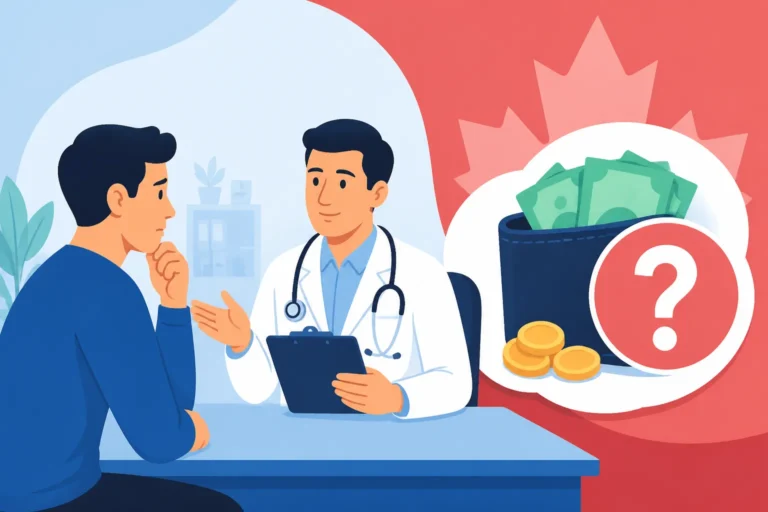
One of the biggest shocks for many newcomers is learning about the waiting period for provincial health coverage. While Canada is famous for its universal healthcare, it's not always instantaneous. Depending on the province you settle in, there could be a waiting period, often up to three months, before your provincial health card kicks in. Imagine getting a nasty flu or a sudden fever during this time. Without coverage, even a simple walk-in clinic visit could mean paying out-of-pocket, and trust me, those costs can add up quickly. This is where your home medical kit becomes your first line of defence. For a deeper dive into this, you can learn more about The Newcomer Waiting Period for Provincial Health Coverage in Canada (2027).
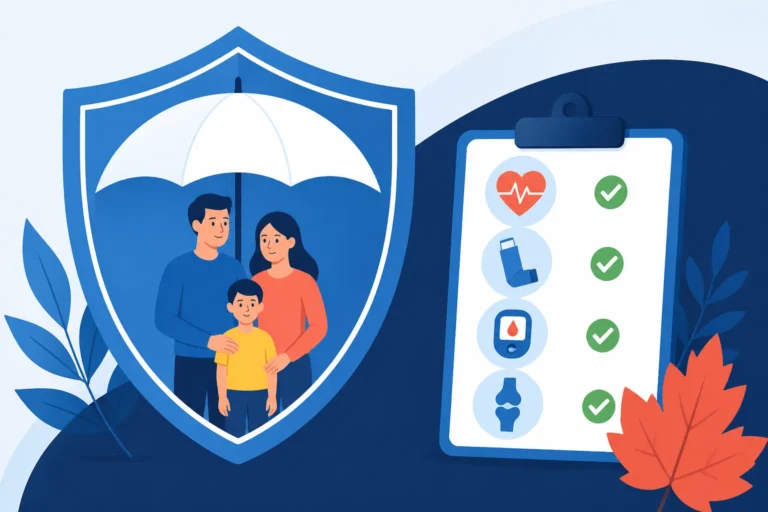
During this gap, you might rely on private health insurance, if you've been savvy enough to secure it. Companies like SafetyWing offer travel and medical insurance that can cover you during this transitional phase, providing some peace of mind. However, even with private insurance, having immediate access to over-the-counter medications and first-aid supplies can prevent a trip to an urgent care clinic for something easily treatable at home. It’s about minimizing the unexpected and staying as self-sufficient as possible while you navigate the new system.
Navigating Unfamiliar Ailments and Regulations
Another challenge is simply being in a new environment. New allergens, different climates, even the stress of moving can trigger unexpected health issues. What's more, the names of common medications might be different, and the regulations around purchasing them can vary from what you're used to. For instance, some medications you could buy easily over-the-counter in your home country might require a prescription here, or at least a consultation with a pharmacist.
Having your own kit means you don't have to immediately decipher a new pharmacy system when you're feeling unwell. It allows you to address minor issues promptly, preventing them from escalating. It's about empowering yourself with basic health solutions until you fully understand How Canada's Health System Works: Provincial Plans Explained (2027) and establish connections with local healthcare providers.
Essential Over-the-Counter Medications for Your Kit
When assembling your kit, focus on common ailments that can pop up unexpectedly. These are the items you'll be glad to have on hand at 2 AM when pharmacies are closed and you're not feeling well enough to venture out.
Pain Relief and Fever Reducers
These are the absolute staples. Headaches, muscle aches, fevers – they're inevitable.
- Acetaminophen (Tylenol, Paracetamol): This is excellent for pain relief and reducing fever. It's generally safe and widely available. Make sure to get formulations for both adults and children if you're moving with family. Always stick to the recommended dosage.
- Ibuprofen (Advil, Motrin): A non-steroidal anti-inflammatory drug (NSAID), ibuprofen is great for pain that involves inflammation, like muscle strains, menstrual cramps, or even headaches. It can also reduce fever. Again, dosages vary for adults and children, so read the labels carefully.
- Aspirin (Acetylsalicylic Acid – ASA): While also a pain reliever and anti-inflammatory, aspirin is generally not recommended for children and teenagers due to the risk of Reye's Syndrome. For adults, it's good for pain and can be taken as a blood thinner under medical advice. Ensure you know the difference between these common options, as their brand names may differ from what you know.
Allergy and Cold Remedies
Canada has distinct seasons, and with them come seasonal allergies and common colds. Even a slight change in environment can trigger an allergic reaction.
- Antihistamines (e.g., Loratadine – Claritin, Diphenhydramine – Benadryl): Non-drowsy antihistamines like Claritin are fantastic for daily allergy symptoms like sneezing, runny nose, and itchy eyes. For more severe reactions or if you need help sleeping, a drowsy antihistamine like Benadryl can be useful.
- Decongestants (e.g., Pseudoephedrine – Sudafed, Phenylephrine – Neo-Synephrine): These help clear up stuffy noses. Be aware that some decongestants like Sudafed are often kept behind the pharmacy counter and require you to ask a pharmacist for them due to regulations. Others, like saline nasal sprays, are readily available and can provide gentle relief.
- Cough Suppressants (e.g., Dextromethorphan – Robitussin DM) and Expectorants (e.g., Guaifenesin – Mucinex): Depending on whether your cough is dry and irritating or productive with mucus, you'll want different types of remedies. A combined cold and flu medication might also be helpful, but always check ingredients to avoid doubling up on active components.
- Sore Throat Lozenges/Spray: Simple menthol lozenges or a numbing throat spray can offer significant relief from a scratchy throat.
Digestive Distress and Skin Issues
New foods, stress, and even different water can sometimes upset your stomach. Minor skin irritations are also common.
- Antacids (e.g., Tums, Rolaids): For heartburn or indigestion, these can provide quick relief.
- Anti-diarrhea medication (e.g., Loperamide – Imodium): Essential for unexpected bouts of traveller's diarrhea or stomach bugs.
- Laxatives (e.g., Senna, Psyllium fibre): Constipation can also be a side effect of stress or dietary changes.
- Hydrocortisone Cream: A mild steroid cream that can reduce itching and inflammation from insect bites, minor rashes, or eczema flare-ups.
- Antiseptic Wipes/Solution (e.g., Rubbing Alcohol, Hydrogen Peroxide): For cleaning minor cuts and scrapes.
- Antifungal Cream (e.g., Clotrimazole – Canesten): Useful for common fungal skin infections like athlete's foot or ringworm.
- Insect Repellent and After-Bite Cream: Depending on where you settle in Canada, especially during warmer months, mosquitoes and other biting insects can be a real nuisance.
First Aid Essentials and Practical Supplies
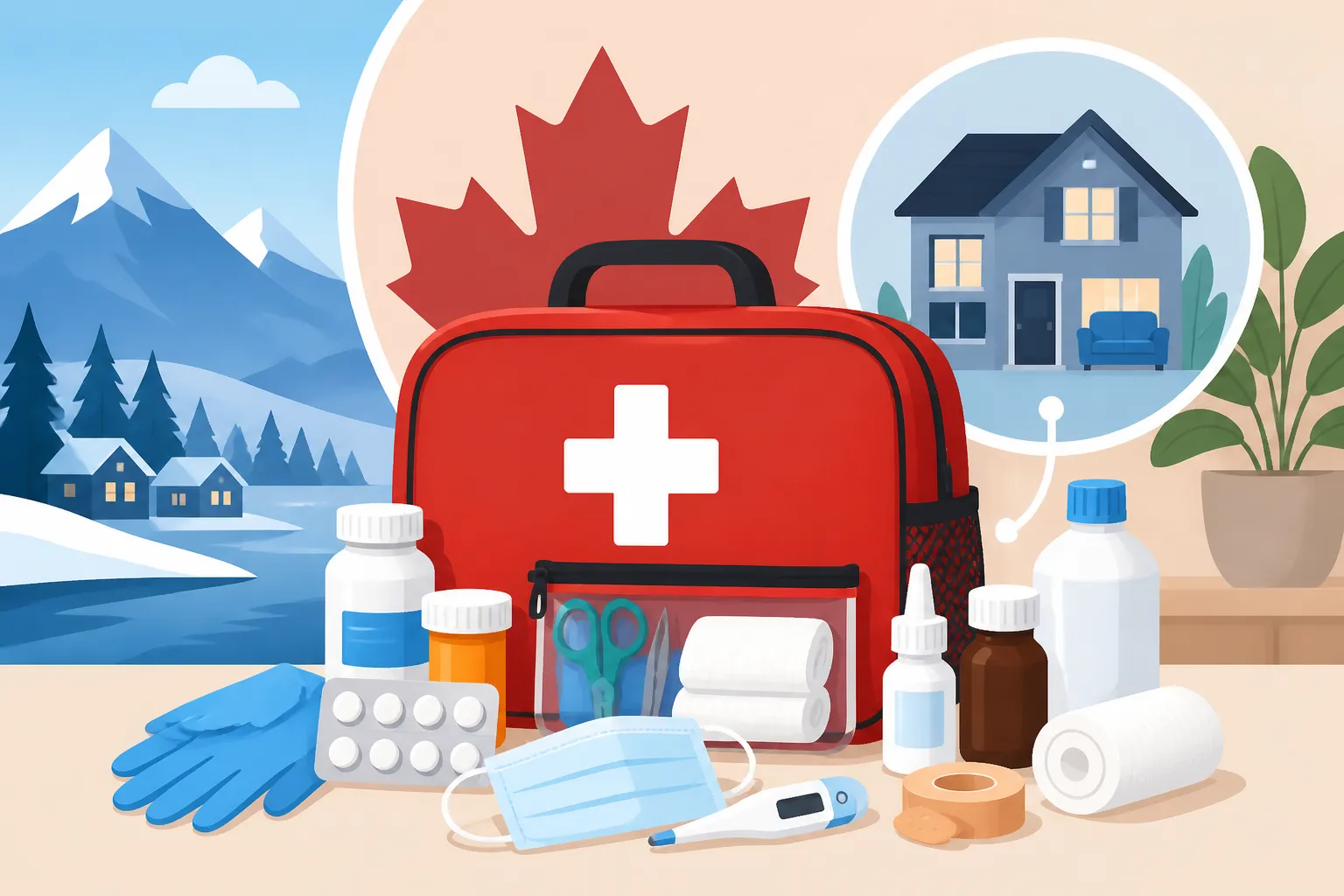
Beyond medications, a basic first aid kit is non-negotiable. These are the tools and supplies for immediate care of minor injuries.
Wound Care and Minor Injuries
Nobody wants to deal with a bleeding cut or a blister far from a pharmacy. Having these basics means you can handle common mishaps.
- Band-Aids/Adhesive Bandages: A variety of sizes for cuts, scrapes, and blisters.
- Sterile Gauze Pads and Medical Tape: For larger cuts or wounds that need more coverage than a simple bandage.
- Antiseptic Wipes or Solution: To clean wounds thoroughly before dressing them. This is crucial for preventing infection, especially in a new environment where you might not immediately know where to get such supplies.
- Antibiotic Ointment (e.g., Polysporin): Applying a thin layer to clean wounds can help prevent infection and promote healing.
- Roller Bandage (Elastic Bandage): For sprains or strains to provide compression and support.
- Non-latex Gloves: For hygiene when treating wounds, protecting both the injured person and the caregiver.
Tools and Other Handy Items
These are the non-medication items that complete your home medical kit, making it truly functional.
- Thermometer: Essential for checking fevers, especially if you have children. A digital thermometer is quick and easy to use.
- Tweezers: For removing splinters, ticks (yes, they exist in Canada!), or other small foreign objects from the skin.
- Small Scissors: For cutting tape, gauze, or clothing if needed.
- Hand Sanitizer: For cleaning hands when soap and water aren't available, especially before and after administering first aid.
- Cotton Balls/Swabs: Useful for applying antiseptic or ointments.
- Heating Pad or Hot Water Bottle: For muscle aches, cramps, or just for comfort in chilly Canadian winters.
- Instant Cold Packs: Great for sprains, bruises, or relieving minor swelling.
- Emergency Contact List: Keep a small card with emergency numbers (911 for all emergencies in Canada!), your local doctor's number once you find one, and perhaps a close friend or family member.
Specialty Items and Considerations
Your home medical kit isn't one-size-fits-all. You'll need to tailor it to your personal and family needs, and also consider how your existing prescriptions fit into the Canadian system.
Prescription Medications and Documentation
This is perhaps the most critical section for anyone with ongoing health conditions.
- Existing Prescriptions: Bring a sufficient supply of any prescription medications you or your family members take regularly, enough to last for at least 3-6 months if possible. This gives you ample time to find a Canadian doctor and get new prescriptions issued. Remember that Canadian pharmacies may not accept foreign prescriptions, so you’ll need a local doctor to re-prescribe your medications. For guidance on this, check out Prescription Medications and Pharmacies in Canada: The Complete Guide.
- Medical Records and Prescriptions List: Carry copies of all your medical records, including a detailed list of all medications (prescription and over-the-counter) you regularly use, their generic and brand names, dosages, and the conditions they treat. Include any allergies. Have this translated into English or French if it's not already. This documentation will be invaluable when you visit a new doctor.
- Proof of Prescription: Keep your medications in their original pharmacy containers with labels, and carry a doctor's note explaining your need for these medications, especially if you have large quantities or controlled substances. This is important for customs upon arrival.
Personal Health Needs and Travel Insurance
Think about specific conditions that you or your family might have. This personalizes your kit and addresses unique vulnerabilities.
- Allergy-Specific Medication: If anyone in your family has severe allergies, an EpiPen should be a top priority. Ensure you know how to use it and carry two doses.
- Asthma Inhalers: If someone has asthma, bring spare inhalers.
- Diabetes Supplies: If you or a family member is diabetic, ensure you have enough insulin, test strips, and other necessary supplies.
- Motion Sickness Medication: If you or your family are prone to motion sickness, especially if you're taking long drives or public transport initially.
- Eye Drops: For dry or irritated eyes, which can be common with air travel or new environments.
- Hearing Aid Batteries, Contact Lenses, etc.: Don't forget these daily essentials that fall under personal medical care.
- Private Health Insurance: As mentioned earlier, even with a robust home kit, major emergencies can happen. Having private health insurance for your initial period in Canada is not just a good idea, it's essential. This acts as a financial buffer for unexpected doctor visits, emergency room trips, or even ambulance fees, which can be very costly without provincial coverage. Companies like SafetyWing specifically cater to digital nomads and expats, offering flexible plans that can cover you during these crucial first months. Thinking about how to secure this coverage is as important as packing your medical kit. For more info, read about How to Get Private Health Insurance to Cover the Waiting Period in Canada.
Local Pharmacy Resources and Understanding Costs
Even with a comprehensive kit, you'll eventually need to replenish supplies or consult a pharmacist for new issues. Understanding local resources is part of your preparation.
- Pharmacy Chains: Familiarize yourself with major pharmacy chains in Canada, such as Shoppers Drug Mart, Rexall, and London Drugs. These stores are abundant and most have pharmacists on staff who can answer questions about over-the-counter medications and minor ailments.
- Pharmacist's Role: In Canada, pharmacists play a significant role. They can often recommend suitable over-the-counter treatments, advise on medication interactions, and in some provinces, even prescribe for minor ailments or renew certain prescriptions. Don't underestimate their expertise.
- Cost Awareness: Be aware that the cost of medications, even over-the-counter ones, can be higher than what you're used to. Without provincial coverage, you'll be paying full price. This is another reason why a well-stocked initial kit is beneficial. To get a grasp of potential expenses, you can explore The Cost of Healthcare in Canada: A Complete Breakdown for Newcomers (2026).
Here’s a quick overview of some common items and considerations:
| Item Category | Specific Items | Key Considerations for Newcomers |
|---|---|---|
| Pain & Fever | Acetaminophen (Tylenol), Ibuprofen (Advil) | Dosage for adults/children, brand names vary by country. |
| Cold & Allergy | Antihistamines (Claritin, Benadryl), Decongestants (Sudafed), Cough syrup, Lozenges | Some decongestants behind counter; new allergens in Canada. |
| Digestive Health | Antacids (Tums), Anti-diarrhea (Imodium), Laxatives | Stress/diet changes can cause issues. |
| First Aid | Band-Aids (various sizes), Gauze, Medical Tape, Antiseptic wipes, Antibiotic ointment (Polysporin) | Essential for minor cuts/scrapes during waiting period. |
| Tools & Supplies | Thermometer, Tweezers, Small scissors, Hand sanitizer, Cotton balls, Heating pad, Instant cold packs, Gloves | Crucial for accurate monitoring and hygienic treatment. |
| Personal Prescriptions | 3-6 month supply of all regular meds, Doctor's note, Translated medical records (allergies, conditions) | Canadian doctors must re-prescribe; customs checks. |
| Insurance | Proof of private travel/medical insurance (e.g., SafetyWing) | Critical for coverage during the provincial healthcare waiting period. |
| Emergency Info | List of 911 (emergency), Poison Control, personal doctor (once established), nearest walk-in clinic | Immediate access to help is paramount. |
Building your home medical kit is an empowering step in your journey to settling into Canada. It offers peace of mind, self-sufficiency, and prepares you for the inevitable small health issues that arise, giving you one less thing to worry about as you build your new life here. Having these essentials on hand means you can focus on the exciting parts of being a newcomer, knowing you're well-prepared for any minor bumps along the way.
Disclaimer
The information provided in this guide is intended for general informational purposes only and does not constitute medical advice. It is crucial to consult with a qualified healthcare professional for any health concerns or before making any decisions related to your health or treatment. Always read and follow the instructions on medication labels carefully. In case of a medical emergency, please call 911 immediately.