How to Apply for Your Provincial Health Card in Canada (2027)
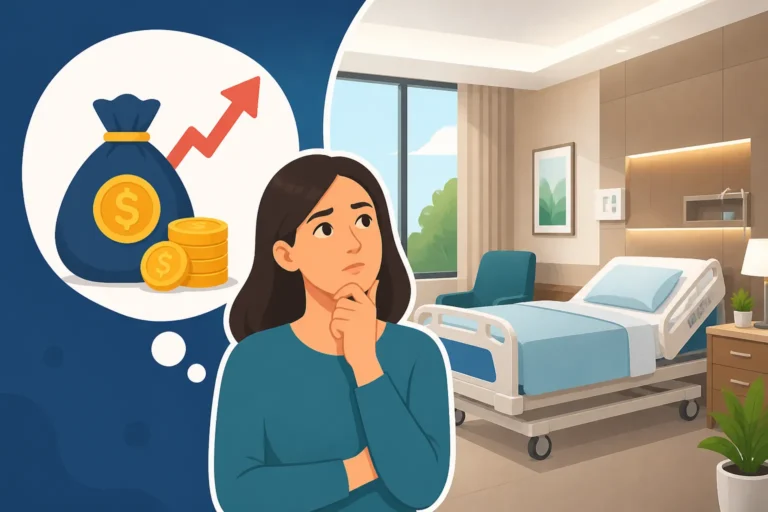
Arriving in Canada is an exhausting whirlwind of paperwork, jet lag, and the sheer sensory overload of a new life. One of the most stressful realizations for many newcomers is that the "free" healthcare they heard so much about isn't always instant. This guide solves the confusion by walking you through the exact steps to secure your provincial health card, ensuring you and your family aren't left vulnerable during those first critical months.
Understanding the Canadian Healthcare Mosaic
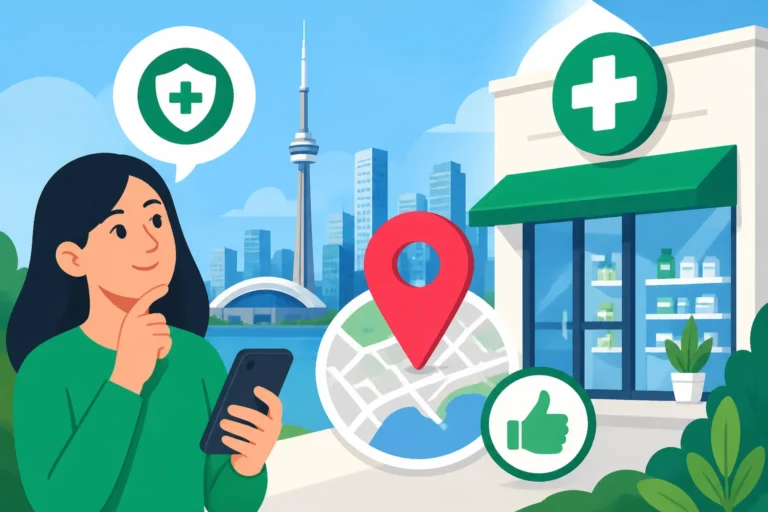
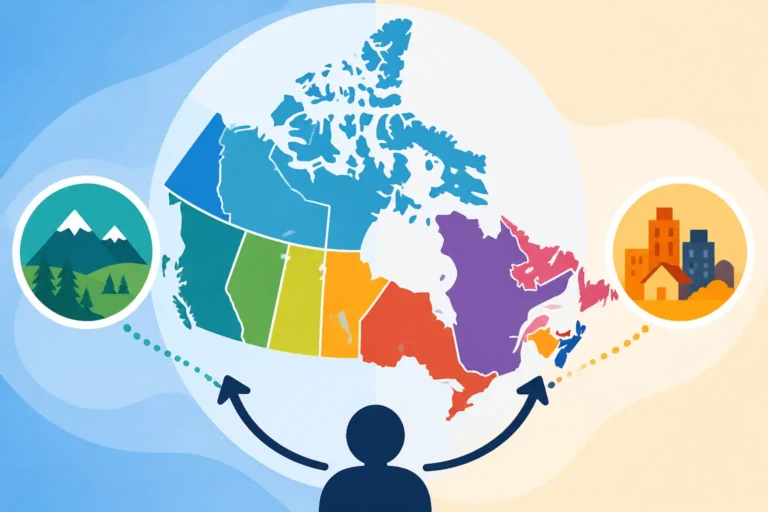
When I first landed in Toronto, I naively thought I could just walk into any clinic with my landing papers and get treated for the flu. I quickly learned that Canada doesn't have one single national healthcare plan. Instead, it is a federation of thirteen distinct provincial and territorial systems. While the federal government sets certain standards under the Canada Health Act, it is your specific province or territory that issues your health card and manages your care. This distinction is vital because the rules that apply in Vancouver are not the same as the ones in Montreal or Halifax.
Provincial vs. Federal Responsibilities
The federal government’s role is primarily about funding and setting broad policy goals. They ensure that healthcare remains "publicly administered, comprehensive, universal, portable, and accessible." However, once you are on the ground, the Ministry of Health in your province is your new best friend—or your most frequent administrative hurdle. They decide which specific documents satisfy residency requirements and which "extra" services, like chiropractic care or certain screenings, might be covered. You aren't applying for a "Canadian Health Card"; you are applying for an OHIP card, an MSP card, or a RAMQ card.
Understanding this division of labor helps manage the frustration when you realize that your coverage doesn't automatically move with you if you decide to relocate for a job. If you move from Calgary to Ottawa, you have to start a new application process. To get a head start on how these pieces fit together, it's worth reading How Canada's Health System Works: Provincial Plans Explained (2027) to see the bigger picture of the administrative landscape you’re entering.
The Concept of Medically Necessary Care
You will hear the phrase "medically necessary" a lot. In Canada, your provincial health card covers doctors' visits and hospital stays, but it generally does not cover "supplementary" care. This usually includes dental work, vision care, and prescription drugs taken outside of a hospital setting. This is a shock for many who come from countries with more holistic public coverage. For a deeper dive into these nuances, you should check out Public vs Private Healthcare in Canada: What Newcomers Need to Know to understand why most Canadians still carry private insurance for their teeth and eyes.
I remember being baffled that I had to pay $80 for a bottle of antibiotics even though my doctor’s visit was free. This is why many newcomers also look into Understanding Supplementary Health Insurance (Dental, Vision, Drugs) in Canada before they even land. Your provincial card is your ticket to the emergency room and the family doctor’s office, but it isn’t a magic wand for every health-related cost you’ll encounter in your first year.
Why the Health Card is Your Most Important ID
Beyond the obvious benefit of not paying thousands of dollars for a hospital stay, your health card often serves as a primary piece of government-issued photo identification. In some provinces, it's the second most powerful card in your wallet after your driver's licence. It proves you are a legal resident and is frequently requested when signing up for other services or even proving your identity for certain banking transactions.
In my experience, getting this card sorted early also provides a massive psychological relief. There is a specific type of anxiety that comes with knowing you are one trip on an icy sidewalk away from a five-figure medical bill. Having that plastic card in your hand is the moment you truly start to feel like a "resident" rather than just a visitor. If you're wondering about the immediate risks, Emergency Medical Care in Canada: What Every Newcomer Needs to Know covers what to do if an accident happens before your card arrives.
Eligibility: Who Can Actually Get a Health Card
Eligibility is where things get complicated. Not every person with a valid visa is entitled to provincial healthcare. Each province has its own definition of who counts as a "resident." Generally, to be eligible, you must make your home in the province and be physically present for a certain number of days each year (often 183 days or more). But for a newcomer, the focus is on your immigration status.
Permanent Residents and Refugees
If you are arriving as a Permanent Resident (PR), you are almost always eligible for provincial healthcare. This includes those coming through Express Entry, Provincial Nominee Programs, or family sponsorship. Protected persons and convention refugees also have a clear path to coverage, often supported by federal programs like the Interim Federal Health Program (IFHP) while their provincial applications are being processed.
However, just because you are "eligible" doesn't mean you are covered the second you clear customs. You still have to physically go and apply. Some PRs have waited months to apply because they thought it was automatic. It is not. You must initiate the process. If you are unsure about your specific status, Am I Eligible for Provincial Health Coverage on a Work Permit in Canada? provides a detailed breakdown of how different permits affect your rights.
Work Permit Holders and International Students
This is the group that faces the most hurdles. In most provinces, you must have a work permit that is valid for at least six months to a year to qualify. Furthermore, you usually need to prove that you are working full-time for an employer within that province. If you are on an open work permit but don't have a job yet, some provinces might deny your application until you can show a job contract.
International students are also in a unique position. In provinces like British Columbia, students are covered under the public plan but must pay a monthly health fee. In other provinces, students are excluded from the public plan entirely and must purchase private insurance through their university. This creates a confusing patchwork of rules. For those on work permits, Understanding How Your Immigration Status Affects Health Coverage in Canada is essential reading to avoid showing up at a government office only to be turned away because your permit is too short.
Dependents and Spouse Considerations
If you are moving with a family, remember that every individual needs their own health card, including infants. Typically, if the primary applicant is eligible (e.g., a worker with a 2-year permit), their spouse and children are also eligible. However, you must provide proof of their legal status and their relationship to you, such as marriage and birth certificates.
Families can get stuck because they didn't have translated copies of their marriage certificates. If your documents aren't in English or French, they must be translated by a certified Canadian translator. Don't assume your home country’s "official" translation will be accepted without question. To learn more about the specifics of bringing your family into the fold, How to Add Dependents to Your Provincial Health Plan in Canada offers a step-by-step guide on the paperwork required for your loved ones.
The Infamous Waiting Period: Navigating the Gap
This is the part of the guide where I have to be the bearer of stressful news. In several Canadian provinces, there is a mandatory waiting period before your coverage kicks in. This is often referred to as the "three-month wait." It’s designed to prevent "health tourism," but for a legitimate newcomer, it feels like a high-stakes gamble with your health.
Provinces with Immediate Coverage vs. 3-Month Wait
The landscape of waiting periods continues to shift. Traditionally, provinces like Ontario, British Columbia, and Quebec have enforced a waiting period that can last up to three months from the date you establish residency. Other provinces, like Alberta, have historically offered coverage starting on the first day of the third month, while some smaller provinces might offer coverage from day one.
| Province | Waiting Period Status (Estimated 2026) | Coverage Start Date |
|---|---|---|
| Ontario (OHIP) | Often 3 months (waived in emergencies occasionally) | 1st day of the 3rd month |
| British Columbia (MSP) | 2 months plus the balance of the arrival month | Approx. 90 days |
| Quebec (RAMQ) | Up to 3 months | After registration and wait |
| Alberta (AHCIP) | None/Immediate for eligible residents | Date of arrival/registration |
| Manitoba | None/Immediate | Date of arrival |
It is crucial to check the current status of the waiting period for your specific province before you fly. You can find updated details in The Newcomer Waiting Period for Provincial Health Coverage in Canada (2027) which tracks these changes in real-time.
Bridging the Gap with Private Insurance
Since you are not covered during those first 90 days in places like Ontario or BC, you are effectively "uninsured" in one of the most expensive healthcare markets in the world. A simple emergency room visit for a stitches-worthy cut can cost $1,000, and a hospital stay can easily reach $5,000 per night. This is where companies like SafetyWing become a lifesaver for expats. SafetyWing offers travel medical insurance that is specifically designed for nomads and those in transition, providing a safety net while you wait for your provincial card to arrive.
Using a provider like SafetyWing allows you to have peace of mind from the moment you step off the plane until your government coverage is activated. It is widely advised that skipping this step is the biggest mistake you can make. For more on how to set this up, read How to Get Private Health Insurance to Cover the Waiting Period in Canada. Remember, even a minor illness can drain your relocation savings if you aren't protected.
What Happens if You Get Sick During the Wait?
If you don't have private insurance from a provider like SafetyWing and you fall ill during the waiting period, you will be treated—Canada does not turn people away in life-threatening situations—but you will be billed as a "non-resident." These bills are aggressive. Clinics will ask for payment upfront, often ranging from $100 to $250 just to see a doctor for five minutes.
For those without coverage, walk-in clinics are usually the only option, but the costs are still high. You should familiarize yourself with How Much Does a Doctor Visit Cost in Canada Without Coverage? so you aren't blindsided by the invoice. If you find yourself in this situation, always ask the clinic for a detailed receipt so you can potentially claim it back if you have private bridge insurance.
Province-by-Province Application Guide
Once you've arrived and settled into your temporary or permanent home, your first task is the application. You cannot do this from your home country; you must be physically present in Canada.
Ontario (OHIP)
In Ontario, you apply for the Ontario Health Insurance Plan (OHIP) by visiting a ServiceOntario center in person. You cannot apply online for your first card. I recommend going mid-week, early in the morning, or you will spend half your day in a plastic chair. You will need to fill out the "Registration for Ontario Health Insurance Coverage" form.
The biggest hurdle with OHIP is proving residency. They are very strict. A lease agreement or a utility bill is the gold standard. If you are staying in an Airbnb or with friends, it can be very difficult to prove you "live" there. For a deep dive into the Ontario process, including which specific ServiceOntario locations are best for newcomers, check out How to Apply for OHIP in Ontario as a Newcomer.
British Columbia (MSP)
British Columbia’s Medical Services Plan (MSP) is slightly different. You are actually required by law to enroll as soon as you arrive. Unlike Ontario, BC allows you to apply online, which is a massive convenience. However, remember the waiting period! Even if you apply the day you arrive, your coverage won't start for about three months.
In BC, there is also a health fee for international students, which is currently $75 CAD per month. For everyone else, the premiums were eliminated a few years ago, but the administration remains rigorous. You can learn the step-by-step digital process in How to Apply for OHIP, MSP, RAMQ or AHCIP When You Arrive in Canada.
Alberta (AHCIP) and Quebec (RAMQ)
Alberta is often considered the most "newcomer-friendly" for health coverage because they generally do not have a three-month waiting period for those with eligible status. You can apply at a participating registry agent office, and your coverage often starts the day you arrive. Quebec, on the other hand, is known for its extensive paperwork and the French-language requirement for forms. RAMQ (Régie de l'assurance maladie du Québec) also has a waiting period, and they are very particular about proof of residence.
If you're moving to Montreal, you'll need to call RAMQ to start the process and have them mail you a personalized form. It's a bit old-school compared to BC's online portal. If you're heading west instead, How Do I Find a Pediatrician in Calgary? might be your next question once your AHCIP card is in the mail.
Required Documentation: Preparing Your "Paperwork War Chest"
The number one reason applications are rejected is not because the person isn't eligible, but because their paperwork is incomplete or "not the right kind." You need three distinct types of proof.
Proof of Identity and Immigration Status
You must show who you are and that you have a right to be in Canada. Your passport is your primary ID. Your immigration document—whether it’s your COPR (Confirmation of Permanent Residence), your work permit, or your study permit—is the second critical piece. Make sure these documents are originals. Photocopies are almost never accepted at government desks.
If you are a PR and haven't received your plastic PR card yet (which can take months), your signed COPR is your official proof. Keep it in a protective sleeve; if that document gets damaged or the signature is illegible, you are in for a world of administrative pain. For more on the paperwork for your first 90 days, The Complete Guide to Moving to Canada: Your First 90 Days (2027) is a great resource.
Establishing Residency: What Counts?
This is where the battle is often won or lost. You must prove you live in the province. The ministry wants to see that you have a "fixed" address. Acceptable documents usually include:
- A formal lease or mortgage agreement.
- A utility bill (Hydro, Gas, or Water) in your name.
- A bank statement showing your Ontario/BC/Alberta address.
- An employer’s pay stub or a letter from your employer.
Some offices insist on "original" mailed documents or specific "certified" digital versions. To avoid this, try to get a phone bill or internet bill generated as soon as possible. If you are struggling with the banking side, The Newcomer Guide to Opening a Bank Account in Canada explains how to get an address on your record quickly.
The Application Form and Submission Methods
Always download the latest version of the application form from the official provincial website. Do not rely on forms found on unofficial blogs (even mine, always double-check the gov link!). Fill it out in black ink, ensure there are no spelling mistakes, and that your name exactly matches your passport. If your passport says "Johnathan" and your form says "John," they will send you home.
Whether you are mailing it (Quebec), applying online (BC), or going in person (Ontario), keep a copy of everything you submit. If the government loses your application (it happens!), you want to be able to prove when you applied so your coverage can be backdated to the correct date. Using a bridge plan like SafetyWing during this administrative "limbo" is the only way to stay sane.
After You Apply: Waiting, Receiving, and Using the Card
Once the officer says "everything looks good," the wait begins. You won't walk out of the office with your card. It will be mailed to your home address.
Processing Times and Temporary Documents
Processing times can vary wildly. In peak immigration seasons, it can take 4 to 8 weeks for the physical card to arrive in the mail. In Ontario, they will usually give you a "Transaction Record" or a temporary paper document that has your health number on it. This paper is technically valid for medical visits, but some clinics are hesitant to accept it without the photo ID card.
If you need to see a doctor before the plastic card arrives, always call ahead and ask if they accept the temporary "paper" coverage. If you are worried about the gap, remember that Understanding Hospital Visits and Billing for Newcomers in Canada explains exactly what to do if you have to go to the ER while your card is still "in the mail."
Renewing Your Card and Reporting Changes
Your health card is not forever. It usually expires when your immigration document expires (for work/study permits) or every five years (for PRs). It is your responsibility to renew it. If you move to a new house, you must update your address with the Ministry of Health within 30 days. If you don't, and they mail a renewal notice to your old address, your coverage could be cancelled without you knowing.
Updating your status is also vital if you transition from a work permit to Permanent Residence. You need to go back to the office and show them your new status so they can issue a card that doesn't have an "expiry" tied to your old visa. For more on this transition, see How Your Immigration Status Affects Health Coverage in Canada.
How to Find a Doctor Once You Have the Card
Having the card is only half the battle. Finding a doctor who is "taking new patients" is the legendary quest of every Canadian resident. Most people start by visiting walk-in clinics, which accept your provincial health card and provide basic care. However, for long-term health, you need a Family Doctor.
The waitlists for family doctors can be years long in cities like Toronto or Vancouver. I recommend signing up for provincial "Find a Doctor" registries the very day your health card number is issued. To help you navigate this specific frustration, How to Find and Register with a Family Doctor in Canada offers some "insider" tips on how to actually get on a doctor’s list.
Common Pitfalls and Expert Tips for Newcomers
The same mistakes tend to be repeated over and over by people moving to Canada. Avoid these, and your transition will be much smoother.
Avoiding the "Moving Province" Trap
If you arrive in Ontario but decide after two months that you’d rather live in BC, you are in for a headache. Ontario will only cover you for a short "transition" period, and BC will start their own three-month waiting period from the day you arrive there. You could end up being "uncovered" for five or six months total.
Always try to settle in your "final" province before applying for healthcare if you can. If you must move, ensure you have extended your private coverage with a provider like SafetyWing to cover the second waiting period. This "inter-provincial gap" is a common trap for new arrivals chasing job opportunities.
Keeping Your Status Updated with the Ministry
If you are on a work permit and you get an extension, or if your job changes, you must inform the health ministry. Many people think the immigration department (IRCC) talks to the health department. They do not. If your work permit expires on the ministry’s records, your health card will be deactivated immediately, even if you have an "implied status" with IRCC.
Some people arrive at the hospital in labor, only to find their health card was "void" because they forgot to show the ministry their new work permit. Don't let this be you. For more on the intersection of work and health, Am I Eligible for Provincial Health Coverage on a Work Permit in Canada? is a must-read.
Handling Lost or Stolen Cards
If you lose your card, you must report it immediately. There is usually a small fee (around $10-$25) to replace a lost card. You will have to go back to the government office with your ID to prove who you are again. While you wait for the replacement, your health number remains the same, so you can still access care if you have the number memorized or written down.
Keep a photo of the front and back of your health card on your phone. This has saved me more than once when I forgot my wallet but needed to register at a clinic. It’s a simple "pro-tip" that makes life in Canada just a little bit easier.
Disclaimer
The information provided in this guide is for informational purposes only and does not constitute legal or medical advice. Healthcare regulations and waiting periods in Canada are subject to change by provincial governments at any time. While we strive to keep this information up-to-date for 2026, always verify requirements with the official Ministry of Health website in your specific province or territory before making any travel or insurance decisions. Private insurance from providers like SafetyWing is recommended as a supplemental measure and does not replace the requirement to enroll in provincial plans where mandatory.