The Complete Guide to Moving to Canada: Your First 90 Days (2027)
Moving to a new country like Canada is an adventure, but let’s be real – it’s also an absolute whirlwind of paperwork, new systems, and cultural quirks that can leave you feeling completely overwhelmed. From the moment your plane touches down, there’s a mountain of things to sort out, all while trying to navigate an unfamiliar landscape. This comprehensive guide is here to walk you through those critical first 90 days, providing an empathetic, step-by-step roadmap to help you settle in with less stress and more confidence.
The First Week: Landing and Immediate Essentials
That first week in Canada is a blur. You're probably jet-lagged, excited, and a little nervous all at once. It’s crucial to focus on a few key priorities to get your feet on the ground before diving into the deeper administrative tasks. Think of it as laying the groundwork for everything else that's to come.
Arrival at the Airport and Initial Steps
The moment you land, you'll go through customs and immigration. This isn't just a quick passport stamp; depending on your immigration stream, you might be issued your official immigration documents like your Permanent Resident card or work permit right then and there. Make sure you have all your essential documents readily accessible, not buried deep in your checked luggage. Things like your passport, Confirmation of Permanent Residence (COPR), Letter of Introduction, visa (if applicable), and any other supporting documents specified by IRCC should be at your fingertips.
After clearing immigration, resist the urge to immediately relax. Your first goal is often getting to your pre-arranged temporary accommodation. Whether it’s a hotel, an Airbnb, or a friend’s spare room, having a comfortable, secure place to rest is paramount. It’s easy to get lost in the excitement and forget practicalities, but remember to stay organized. Keep copies of all your important documents, both physical and digital, in case of loss or theft. This initial step sets the tone for your entire settlement process.
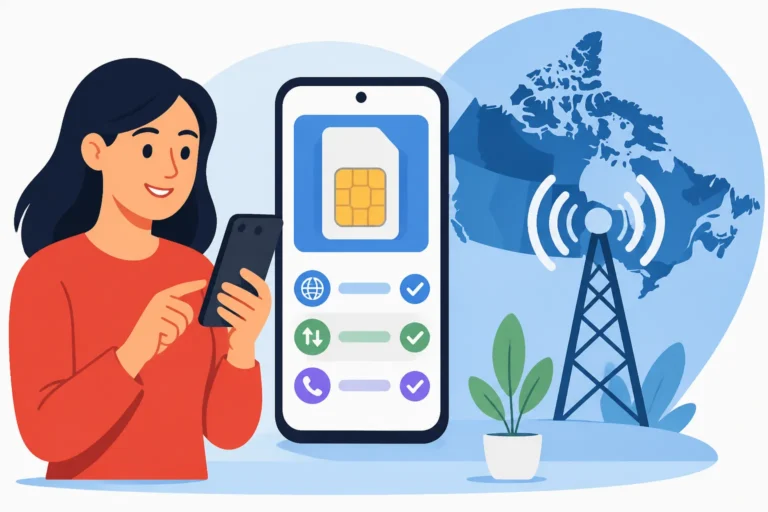
Once you’ve settled into your temporary spot, even if it’s just for the night, consider getting a local SIM card or an eSIM. While Wi-Fi is widely available, having a local number and data connection makes everything easier, from ordering food to contacting landlords or potential employers. Services like Airalo offer convenient eSIM plans that you can activate even before leaving your home country, giving you connectivity the moment you land without having to hunt for a physical SIM card. It’s a small detail that makes a huge difference in reducing initial anxiety.
Getting Your SIN Social Insurance Number
This is, without a doubt, one of the most critical things you’ll do in your first few days. Your Social Insurance Number (SIN) is a nine-digit number that you need to work in Canada and to access government benefits and programs. Without it, you can’t get paid legally, file taxes, or access many essential services. It’s the backbone of your administrative life here.
The good news is that getting your SIN is relatively straightforward, especially if you have all your documents in order. You can apply in person at any Service Canada office. The process is usually quick, and you'll receive a confirmation of your SIN on the spot. Make sure to bring your primary identity document (like your Permanent Resident card, work permit, or study permit) and a secondary document (like your passport). Don’t forget to check the specific requirements for your immigration status before you go; you can often find details on the Service Canada website.
Be prepared for a bit of a wait at the Service Canada office, especially in larger cities like Toronto or Vancouver. Bring a book or have some podcasts ready on your phone. Once you have that SIN, guard it with your life! It's a key piece of personal information that needs to be protected to prevent identity theft. Remember, no legitimate organization will ask for your SIN via email or unsecured phone calls. You can learn more about how to apply by reading our guide, How to Apply for a Social Insurance Number (SIN) in Canada.
First Night and Essential Purchases
After the travel and the initial administrative tasks, you’ll be exhausted. Your first night might involve ordering takeout and crashing early. But before you completely relax, think about a few immediate purchases that will make your temporary stay more comfortable. This could be anything from basic groceries for breakfast the next morning to toiletries if you didn't pack enough.
Finding a local grocery store or pharmacy will also give you a small taste of Canadian daily life. You'll quickly notice differences in product packaging, brands, and even how stores are organized. Don't be shy to ask store employees for help if you can't find something; Canadians are generally very friendly and willing to assist. For example, if you're looking for milk, you might be surprised to find it sold in bags in some provinces like Quebec, alongside cartons and jugs.
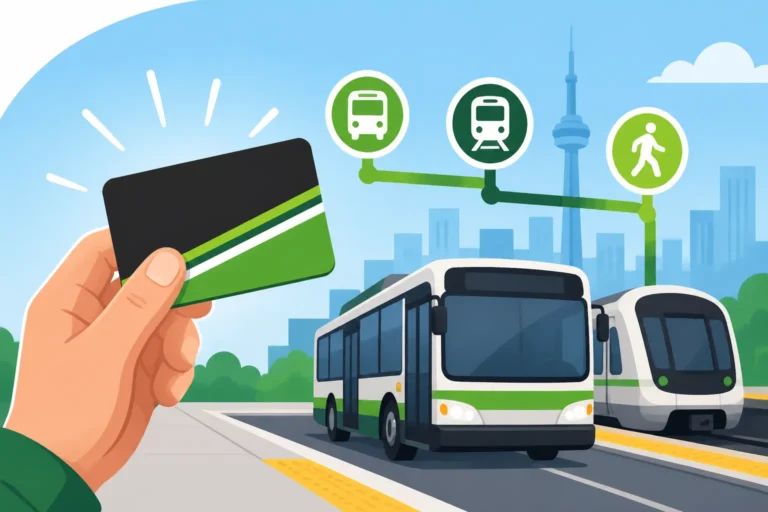
It's also a good idea to consider local public transport passes if you plan on exploring. In Toronto, for instance, a Presto card is indispensable for TTC and GO Transit. In Vancouver, you'll want a Compass Card. Getting one of these early on saves you the hassle of fumbling for change and can make your initial explorations much smoother. These small practical steps help you start feeling like you're actually living here, not just visiting.
The First Month: Settling In and Administrative Hurdles
The first month is all about solidifying your basic infrastructure. You've got your SIN; now it's time to build on that foundation and tackle the next layer of administrative tasks. This period often feels like a constant loop of appointments and paperwork, but sticking with it will pay off immensely.
Opening a Canadian Bank Account
You absolutely cannot function financially in Canada without a local bank account. Your foreign cards might work for a bit, but transaction fees will eat you alive, and you'll need a Canadian account for everything from receiving your salary to paying bills. This is a top priority.
Canada has several major banks, often referred to as the "Big Five": RBC, TD, Scotiabank, BMO, and CIBC. Many of these banks offer special newcomer packages that waive monthly fees for the first year or so and provide perks like free transactions or even small cash bonuses. It's worth comparing these offers before choosing. Don't just pick the first one you see; do a little research online or ask other newcomers for their experiences. You can find more specific advice in our article, How to Open a Bank Account at a Canadian Bank as a Newcomer.
When you go to open your account, bring your passport, your SIN, and your immigration documents (work permit, PR card, etc.). Some banks might ask for proof of address, even if it's just your temporary accommodation. The process is generally smooth, but again, expect some waiting time. Once your account is set up, don't forget to ask about online banking and mobile banking apps – they're incredibly convenient for managing your finances on the go. Also, remember to ask about Interac e-Transfer, which is the most common way to send money between individuals in Canada.
Applying for Your Provincial Health Card
Canada’s publicly funded healthcare system is a huge benefit, but accessing it requires a provincial health card, and there's often a waiting period. This period can vary by province, but commonly it’s around three months. It's a critical detail that many newcomers overlook until it's too late.
You need to apply for your health card as soon as you are eligible in your province. For example, if you're in Ontario, you'll apply for OHIP; in British Columbia, it's MSP; in Quebec, RAMQ. The specific application process and required documents differ slightly by province, so check your provincial health ministry's website for the exact steps. Generally, you’ll need proof of identity, proof of Canadian immigration status, and proof of residency in that province. We have a detailed guide on How to Apply for Your Provincial Health Card in Canada (2027) that can walk you through the specifics.
During this waiting period, it is absolutely vital to have private health insurance. Seriously, do not skip this step. A sudden illness or accident can lead to astronomical medical bills if you're not covered. Many newcomers purchase private insurance specifically to bridge this gap. You can explore options like private travel insurance or specific newcomer health insurance plans that cover you during the provincial waiting period. It's a small investment that could save you from significant financial hardship. Consider reading How to Get Private Health Insurance to Cover the Waiting Period in Canada for more information.
Getting Your Canadian Phone Number and Internet
Having a reliable phone and internet connection isn't just a convenience; it's a necessity for settling in. You need it for job searching, connecting with family, navigating, and accessing online government services. Canada's telecommunications market can be a bit of a shock if you're used to cheaper plans elsewhere, but you have options.
For your phone, major providers include Rogers, Bell, and Telus, often referred to as the "Big Three." They offer comprehensive coverage but can be pricey. There are also smaller, often more affordable, flanker brands like Fido (Rogers), Koodo (Telus), and Virgin Plus (Bell), which offer similar service on the same networks at lower costs. Additionally, independent providers like Freedom Mobile (primarily urban coverage) or Public Mobile (prepaid, no-frills) might suit your budget. If you haven't already, using an eSIM from a service like Airalo can give you immediate connectivity upon arrival, and then you can shop for a local plan once you're more settled and have a better idea of your usage.
For internet, the same major players typically dominate, along with smaller regional providers. You'll need to research what's available in your specific building or neighbourhood. Often, internet providers offer bundles with TV and home phone services, but many newcomers opt for internet-only plans. Be aware that installation fees might apply, though some providers waive them for new customers or specific plans. Setting up these services usually requires an appointment with a technician, so plan ahead to avoid being without connectivity for too long.
Weeks 5-8: Navigating Daily Life and Community Integration
By this point, the initial chaos should be subsiding. You're past the urgent administrative tasks and can now focus on really living in Canada. This means understanding how things work day-to-day and beginning to build your social network.
Exploring Transportation Options
Canada is a vast country, and how you get around depends heavily on where you live. In major cities, public transit is usually excellent; in smaller towns or rural areas, a car might be indispensable. Understanding your options is key to maintaining your independence and accessing everything you need.
Many large cities boast robust public transit systems. Toronto has the TTC, Vancouver has TransLink, Montreal has the STM, and so on. These systems often include buses, subways/metros, and sometimes streetcars or commuter trains. Learning the routes, schedules, and fare systems (which usually involve reloadable cards like Presto or Compass) is crucial. Use apps like Google Maps or the transit authority's official app to plan your journeys. Relying on public transit can save you a significant amount on car ownership, insurance, and parking, which can be quite expensive. Our guide, The Newcomer Guide to Public Transit in Canada, offers a deeper dive into this topic.
If you’re in an area where public transit is limited, or if you prefer the freedom of driving, you'll need to start thinking about getting a Canadian driver's licence. The process for exchanging a foreign licence or obtaining a new one varies by province and by the country your original licence was issued in. Some countries have reciprocal agreements with Canada, allowing for a direct exchange, while others require you to go through graduated licensing steps. Research your specific provincial requirements early, as this can take time. For instance, in Ontario, you might need to take written and practical driving tests, even if you’ve been driving for years abroad.
Understanding Canadian Workplace Culture
If you've come to Canada to work, adapting to the local workplace culture is just as important as having the right skills. It's easy to make assumptions, but Canadian offices often have subtle (and not-so-subtle) differences from what you might be used to.
Canadians tend to value punctuality, respect for hierarchy (though often less rigid than in some other cultures), teamwork, and a direct, but polite, communication style. Feedback might be delivered more subtly, and it's common for colleagues to engage in small talk before getting down to business. Networking is also incredibly important here; many jobs are found through connections rather than just online applications. Attending industry events, joining professional associations, and leveraging platforms like LinkedIn can make a big difference. Read our guide, Learning About the Canadian Workplace Culture: A Complete Guide for Newcomers, for more detailed insights.
Understanding your rights as an employee is also critical. Canada has strong labour laws that protect workers. Familiarize yourself with basic employment standards in your province regarding minimum wage, working hours, overtime, vacation pay, and termination notice. This knowledge empowers you and helps you avoid exploitation. For example, probationary periods are common, but even during this time, there are rules employers must follow. Always know where to find information from your provincial Ministry of Labour or similar government body.
Community and Social Integration
Beyond the paperwork and logistics, making Canada feel like home involves building connections. This is often the hardest part for many newcomers, but it’s incredibly rewarding. Don’t isolate yourself; actively seek out opportunities to meet people.
Start by exploring your local neighbourhood. Visit community centres, libraries, parks, and local shops. These are natural places to strike up conversations. Many cities also have newcomer settlement agencies that offer free services, including language classes, job search assistance, and social events specifically designed to help integrate new immigrants. These agencies are invaluable resources for meeting others who are also navigating similar experiences.
Volunteering is another fantastic way to meet people, gain Canadian experience, and contribute to your new community. Whether it's at a local charity, a festival, or a school, volunteering exposes you to different aspects of Canadian life and allows you to practice your language skills in a low-pressure environment. Joining clubs or groups based on your hobbies and interests – be it a sports league, a book club, or a hiking group – is also a great strategy. Remember, building a social circle takes time and effort, but it's essential for your overall well-being and sense of belonging.
Weeks 9-12: Looking Ahead and Future Planning
As you approach the end of your first 90 days, you should feel a greater sense of stability. Now it’s time to shift your focus from immediate survival to medium- and long-term planning, setting yourself up for success in the months and years to come.
Long-Term Accommodation Planning
If you started in temporary accommodation, this is the time to finalize your long-term rental or even consider buying a home. Finding a permanent place to live is a huge step and often one of the biggest challenges for newcomers. The rental market, especially in major cities, can be highly competitive and frustrating.
Start your search well in advance, usually a month or two before your current lease or temporary stay ends. Websites like Rentals.ca, Zumper, and Kijiji are popular for listings. You'll likely need to provide references (if you have Canadian ones), proof of income, and possibly a credit check (which can be tricky if you’re new). Be prepared for landlords to ask for a credit report, and if you don't have one yet, explain your newcomer status and offer alternatives like showing bank statements or paying a few months' rent upfront (though this is not always legal in all provinces for more than a single month's rent deposit). Our guide, The Complete Guide to Renting an Apartment in Canada (2027), will offer extensive details.
When viewing apartments, pay attention to the neighbourhood, proximity to public transit, schools, and amenities. Don't be afraid to ask questions about utilities, maintenance, and noise levels. Also, be wary of scams; never send money or personal information without verifying the landlord and property first. If you're using a moving service, remember that companies like Sirelo can help connect you with reputable movers who understand the nuances of relocating, which can ease the stress of the actual moving day.
Driving in Canada and Vehicle Registration
If you decided that car ownership is essential for your Canadian life, this period is when you'll likely be finalizing that process. Getting your Canadian driver's licence is the first step, as mentioned, but then comes the car itself.
Buying a car involves choosing between new and used, understanding insurance requirements, and registering the vehicle. Used cars are a popular option for many newcomers, and websites like AutoTrader.ca are great places to start looking. Always get a pre-purchase inspection from an independent mechanic to avoid buying a lemon. Once you have a car, you'll need to insure it (which can be very expensive for new drivers in Canada, especially if you lack Canadian driving history) and register it with your provincial motor vehicle authority (e.g., Service Ontario, ICBC in BC, SAAQ in Quebec). This usually involves getting licence plates and paying annual registration fees. More detailed information can be found in Driving in Canada: Licences, Registration and Rules for Newcomers (2027).
It's critical to understand that car insurance is mandatory and can be a significant recurring expense. Rates vary wildly based on your driving history, the type of car, where you live, and even your age. Shop around for quotes from different insurance providers. Some provinces, like British Columbia, have a public insurance system, while most others rely on private insurers. Don't assume your foreign driving history will automatically get you low rates; you might need to obtain a letter from your previous insurer to prove your claims-free driving record, which can sometimes help reduce premiums.
Understanding Canadian Taxes
While you won't be filing your first full tax return until the following tax season (which is typically by April 30th for the previous calendar year), it's never too early to start understanding the Canadian tax system. This will help you plan your finances and ensure you’re compliant from day one.
Canada has a progressive tax system, meaning you pay more tax as your income increases. You'll pay federal income tax and provincial/territorial income tax. Your employer will deduct income tax, Canada Pension Plan (CPP) contributions, and Employment Insurance (EI) premiums from each paycheque. It's a lot to wrap your head around, but there are resources available. The Canada Revenue Agency (CRA) website is the official source of information. You can even set up a "CRA My Account" online, which will become essential for managing your tax affairs. Our comprehensive guide, The Complete Guide to Taxes in Canada for Newcomers (2027), is an excellent resource to get started.
Understanding tax credits and benefits for which you might be eligible is also important. Newcomers, especially those with lower incomes or families, can qualify for various benefits like the Canada Child Benefit (CCB) or the GST/HST credit. These aren't automatic; you often need to file a tax return to receive them. Even if you have no income in your first partial year, filing a return is crucial to establish your eligibility for these benefits. Don't leave money on the table!
Financial Foundations: Banking and Budgeting
Money matters are at the heart of settling in, and getting a handle on your finances early will save you a lot of headaches. This isn’t just about opening an account; it’s about strategically managing your funds and building a financial future.
Choosing a Canadian Bank and Opening Accounts
As mentioned earlier, opening a bank account is a priority. But it's not just about getting any account; it's about choosing the right bank and the right type of accounts for your needs. The "Big Five" banks (RBC, TD, Scotiabank, BMO, CIBC) are popular, but credit unions also offer great services, often with a more community-focused approach and potentially lower fees.
When you're comparing banks, look beyond the newcomer packages. Consider:
- Fees: What are the monthly fees after the promotional period? Are there transaction limits?
- ATM Access: How extensive is their ATM network?
- Online and Mobile Banking: How user-friendly are their apps and online platforms?
- Customer Service: Do they offer services in your preferred language? Is support easily accessible?
- Additional Products: Do they offer credit cards for newcomers, investment accounts (like TFSAs or RRSPs), or mortgages you might need down the line?
Many newcomers gravitate towards one of the big banks initially because of their widespread presence and familiar names. However, don't dismiss credit unions; they can offer competitive rates and personalized service, especially if you're in a smaller community. Make sure you understand the terms and conditions of any account you open, particularly regarding fees and how to avoid them (e.g., by maintaining a minimum balance).
Budgeting for Canadian Life
Canada can be an expensive place to live, particularly in major cities. Without a clear budget, your funds can disappear faster than you expect. Starting a detailed budget in your first few months is crucial for financial stability.
Your budget should account for:
- Housing: Rent or mortgage, utilities (hydro, gas, water), internet, phone. These are often the largest expenses.
- Food: Groceries and dining out. Grocery prices have been rising, so cooking at home is often the most cost-effective option.
- Transportation: Public transit passes, car payments, insurance, gas, maintenance.
- Healthcare: Private insurance during the waiting period, prescription medications not covered by provincial plans, dental and vision care.
- Personal Expenses: Clothing, entertainment, hobbies, personal care.
- Savings: Even a small amount set aside for emergencies or future goals is important.
Use budgeting apps, spreadsheets, or even just a notebook to track your income and expenses. Be realistic about what you’re spending. Many newcomers are surprised by the cost of things like fresh produce or certain imported goods. For instance, in Toronto, a single person might find their rent alone consuming 40-50% of their income, making careful budgeting for other categories absolutely essential.
Building Your Credit History
This is often one of the most frustrating aspects for newcomers. In Canada, your financial history from your home country rarely carries over, so you'll essentially be starting from scratch in terms of credit. A good credit score is vital for renting an apartment, getting a phone contract, securing a mortgage, or even buying car insurance at a reasonable rate.
Start building credit as soon as possible. The easiest way is often through a secured credit card. Many banks offer these to newcomers: you put down a deposit (e.g., $500), and that becomes your credit limit. You use the card like a regular credit card, making small purchases and paying them off in full and on time every month. After 6-12 months of responsible use, the bank might convert it to an unsecured card and return your deposit.
Another option is to apply for a regular (unsecured) credit card that's specifically designed for newcomers. Some banks like RBC and Scotiabank have programs that consider your income and immigration status rather than just Canadian credit history. Finally, ensure all your utility bills and phone contracts are in your name and paid punctually, as this can also contribute to your credit file. Remember, building good credit is a marathon, not a sprint. Be patient and consistent.
| Task Category | Key Actions for First 90 Days | Important Considerations |
|---|---|---|
| Arrival & Admin | – Clear immigration & collect documents | Keep all essential documents readily accessible. Consider an eSIM for immediate connectivity. |
| – Apply for Social Insurance Number (SIN) | Essential for work and government benefits. Apply in person at Service Canada. | |
| – Open a Canadian bank account | Compare newcomer packages from major banks and credit unions. Bring SIN, passport, immigration documents. | |
| Healthcare | – Apply for provincial health card | Be aware of provincial waiting periods (often 3 months). Research eligibility and required documents. |
| – Obtain private health insurance | Crucial for covering the waiting period before provincial coverage begins. | |
| Accommodation | – Secure temporary accommodation | Book in advance. Know the local transportation options from your temporary spot. |
| – Begin search for long-term rental | Research tenant rights, prepare documents (references, proof of income). Be aware of rental scams. | |
| Utilities & Comm. | – Set up Canadian phone number & internet | Compare major providers and flanker brands. Budget for higher telecom costs. |
| – Set up essential home utilities (hydro, gas, water) | Contact utility companies, understand billing cycles and deposit requirements. | |
| Transportation | – Learn local public transit system | Purchase a transit card (e.g., Presto, Compass). Use apps for route planning. |
| – Research Canadian driver's licence requirements | Check provincial rules for foreign licence exchange vs. new licence application. | |
| Financial Mgmt. | – Start a detailed budget | Track income and expenses rigorously. Be realistic about Canadian cost of living, especially for housing and groceries. |
| – Begin building Canadian credit history | Apply for a secured credit card or a newcomer-specific unsecured card. Pay bills on time, every time. | |
| Work & Study | – Adapt resume & job search (if applicable) | Tailor your resume to Canadian standards. Utilize job boards, networking, and newcomer agencies. |
| – Research educational enrolment (if applicable) | Understand school systems and enrolment processes for children or for your own studies. | |
| Integration | – Explore local community & resources | Visit libraries, community centres, settlement agencies. Consider volunteering or joining clubs. |
Healthcare Essentials: Navigating the System
Navigating a new healthcare system can be daunting. Canada’s system is generally excellent, but understanding its nuances, especially as a newcomer, is crucial to accessing timely care.
Understanding the Waiting Period
Let’s be brutally honest: the provincial healthcare waiting period is a huge hurdle for many newcomers, and it causes immense stress. Imagine arriving, full of hope, only to realize you could face a huge bill if you break an ankle in your first three months. It happens, and it's terrifying.
As discussed, most provinces impose a waiting period, typically up to three months, before you become eligible for provincial health coverage. This means for your initial period, you are essentially on your own for medical expenses unless you have private insurance. For example, if you arrive in Ontario on January 1st, your OHIP coverage might not begin until April 1st. During this time, a simple doctor's visit can cost $100-$200, and an emergency room visit without coverage could easily run into thousands. Don't underestimate this. You must understand The Newcomer Waiting Period for Provincial Health Coverage in Canada (2027) to avoid costly surprises.
This is where private health insurance becomes your best friend. Look for plans specifically designed for visitors to Canada or newcomers. Many travel insurance companies offer such policies. These plans can cover everything from doctor visits and emergency care to prescription drugs, depending on the policy. Compare different providers and plans carefully, paying attention to deductibles, coverage limits, and any exclusions (e.g., pre-existing conditions).
Finding a Family Doctor or Walk-in Clinic
Once your provincial health coverage kicks in, your next big mission is finding a family doctor. This is another area where patience is a virtue, as there's a nationwide shortage of family physicians, particularly in urban centres. It's incredibly frustrating to know you have coverage but can't find a doctor who will take you on as a patient.
Start your search early. Many provinces have online registries or health connect services that can help you find a doctor accepting new patients. Websites like Health Care Connect in Ontario, or provincial health authority websites, often list doctors. Word of mouth from other newcomers or community groups can also be surprisingly effective. When you do find a doctor, don't be afraid to meet them for a "meet and greet" appointment to see if they're a good fit for you and your family. For more guidance, see our article How to Find and Register with a Family Doctor in Canada.
In the meantime, or if you can't find a family doctor, walk-in clinics are your alternative. These clinics provide care for non-emergency conditions, like colds, minor infections, or prescription refills. They operate on a first-come, first-served basis, so be prepared for potentially long wait times. Always bring your provincial health card (or private insurance details if you're in the waiting period) to a walk-in clinic. They are a valuable resource, but they are not a substitute for ongoing primary care from a family doctor who knows your medical history.
Navigating Prescription Medications
Understanding how prescription medications work in Canada is another piece of the healthcare puzzle. While doctor visits are generally covered by provincial plans, prescription drugs often are not, or are only partially covered.
Most provincial plans only cover prescription drugs for specific populations (e.g., seniors, those on social assistance) or for certain severe conditions. For the majority of working adults, prescription drug coverage typically comes from private health insurance, either through an employer benefits plan or a private plan you purchase yourself. Without such coverage, you will pay out-of-pocket for most prescriptions. This is why many employer benefits packages include supplementary health insurance that covers dental, vision, and prescription drugs.
Pharmacies are widely available, typically found in grocery stores, standalone shops, or larger retail chains like Shoppers Drug Mart or Rexall. You'll need a prescription from a Canadian doctor to fill most medications. The pharmacist can also be a great resource for minor ailments, offering advice on over-the-counter medications and often administering vaccinations like the flu shot. Don't hesitate to ask your pharmacist questions about your medications or health concerns.
Finding Your Feet: Accommodation and Utilities
Securing a stable home and ensuring your utilities are running are fundamental to feeling settled. This involves more than just signing a lease; it's about understanding your rights and responsibilities in your new environment.
Securing Your First Rental Home
The Canadian rental market can be a brutal introduction for newcomers. Especially in hot markets like Vancouver or Toronto, competition is fierce, and securing a decent place can feel like a full-time job. You might face requests for documents you don't have, like a Canadian credit score or local references.
Be prepared with a "rental resume" – a folder containing your immigration documents, SIN, bank statements (showing funds), a letter of employment (if you have one), and any references you can gather (even from previous landlords abroad or professional contacts). Landlords are looking for reliable tenants, so present yourself as organized and trustworthy. It's not uncommon to attend open houses with dozens of other applicants, so move quickly if you find something you like and are prepared to offer all requested documentation. You can get a much deeper understanding by reading The Complete Guide to Renting an Apartment in Canada (2027).
Also, understand the standard lease agreement in your province. In most provinces, landlords can ask for a last month's rent deposit, but not usually more than that. They cannot ask for a security deposit for damages (except in certain provinces like British Columbia). Knowing your tenant rights is crucial to avoid being taken advantage of. Websites for your provincial Landlord and Tenant Board (or similar body) are excellent resources for understanding the rules.
Setting Up Essential Utilities
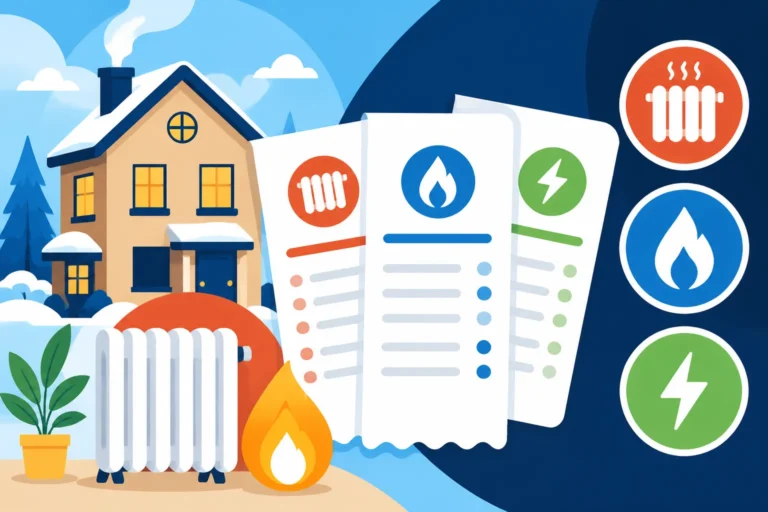
Once you have your rental agreement sorted, the next step is setting up utilities. This typically includes electricity (hydro), natural gas (for heating and hot water in many homes), and water. In some apartments, certain utilities might be included in your rent, while in houses or certain condo units, you'll be responsible for setting them up yourself.
Contact the local utility providers well in advance of your move-in date. For electricity, it's usually one main provider per region (e.g., Hydro One or Toronto Hydro in Ontario, BC Hydro in British Columbia). For natural gas, companies like Enbridge Gas (Ontario) or FortisBC (British Columbia) are common. Water services are typically managed by the municipality. You'll need your new address and possibly your SIN or a piece of ID to set up an account. Some providers may require a security deposit from new customers, especially if you don't have a credit history in Canada. Don't forget internet! Our guide, The Newcomer Guide to Setting Up Utilities (Hydro, Gas, Internet) in Canada, goes into more detail.
It's common for utility bills to arrive monthly or bi-monthly, and many companies offer equal billing plans to smooth out seasonal fluctuations (e.g., higher heating costs in winter). Setting up pre-authorized payments from your bank account is a convenient way to ensure bills are paid on time and contribute positively to your payment history.
Understanding Tenant Rights
The relationship between landlord and tenant is governed by provincial laws, and it's essential for newcomers to understand their rights and responsibilities to protect themselves. This can save you from potential disputes and unfair treatment.
Key areas to understand include:
- Rent Increases: How often and by how much can your landlord increase rent? There are often limits, especially in provinces with rent control.
- Maintenance and Repairs: What are your landlord's responsibilities for maintaining the property? What is the process for requesting repairs?
- Privacy: Does your landlord need to give notice before entering your unit? (Usually 24 hours).
- Eviction: Under what circumstances can you be evicted, and what is the proper legal process?
- Deposits: What deposits can landlords legally collect, and how are they handled?
Each province has a specific board or tribunal that handles landlord-tenant disputes (e.g., the Landlord and Tenant Board in Ontario). Knowing that these resources exist and how to contact them can be empowering if you encounter issues. Don't assume everything your landlord says is legally binding; always cross-reference with official provincial information.
Getting Around: Transportation
Mobility is key to independence in Canada. Whether you're commuting to work, exploring your new city, or visiting other parts of this vast country, understanding your transportation options is essential.
Public Transit Systems
As mentioned, major Canadian cities boast impressive public transit networks, often a mix of buses, subways, and commuter rail. Learning these systems is an art and a science for a newcomer, but it's totally achievable.
Each city's transit system has its own quirks and benefits. In Montreal, the Metro is fantastic, but learning the rues and boulevards can be a challenge with all the one-way streets. Toronto’s TTC is extensive but can get crowded during rush hour. Vancouver's SkyTrain offers stunning views. Embrace it, use mapping apps, and don’t be afraid to ask for directions. Locals are usually happy to help. Investing in a refillable transit card (Presto, Compass, OPUS) is a no-brainer – it saves time and often money compared to single-ride fares.
Beyond daily commutes, Canada also has inter-city bus services like Greyhound (though less prevalent than before) and Megabus, as well as passenger rail services like VIA Rail, which connect major cities. These can be great for weekend trips or longer journeys if flying isn't an option. While these can be slower, they offer a different perspective of the Canadian landscape.
Getting Your Canadian Driver's Licence
For many, a Canadian driver's licence is more than just a permit to drive; it's a primary piece of photo ID and often a prerequisite for things like car insurance or even certain jobs. The process varies significantly by province and your country of origin.
Some countries have agreements with Canadian provinces allowing you to directly exchange your foreign licence for a Canadian one, often after proving your driving experience (e.g., a letter from your previous licensing body or insurance company). Others might require you to complete a graduated licensing program, starting with a written test, then a series of road tests (G1, G2, G in Ontario, for example), with waiting periods in between. This can take years, so research this immediately upon arrival.
It’s not just about driving; having a Canadian licence can significantly reduce your car insurance premiums in the long run. Insurers often penalize new Canadian drivers heavily. For example, if you move to Alberta from a country without a reciprocal agreement, even if you've driven for decades, you might be treated as a new driver for insurance purposes until you gain some Canadian driving experience or successfully prove your past record. This can result in incredibly high premiums.
Considering Car Ownership
The decision to buy a car in Canada is a big one, weighing convenience against significant costs. For city dwellers with good public transit, it might be an unnecessary luxury; for those in suburbs or rural areas, it’s often a necessity.
The initial cost of buying a car (new or used) is just the beginning. Factor in:
- Insurance: This is often the biggest shock. Get multiple quotes.
- Fuel: Gas prices fluctuate but are a constant expense.
- Maintenance: Regular oil changes, tire rotations, and unexpected repairs.
- Winter Tires: A non-negotiable expense in most of Canada for safety and often required by law in some areas like Quebec.
- Registration and Licensing: Annual fees to your provincial government.
- Parking: Can be exorbitant in cities.
A helpful way to compare options is to tally up the annual cost of public transit vs. the estimated annual cost of car ownership (including insurance, gas, maintenance, and depreciation). For many, especially those who primarily commute to work within a city, public transit often emerges as the more economical choice. If you do opt for a car, remember that services like Sirelo can help with shipping vehicles if you're bringing one from overseas, though local purchase is often more straightforward.
Work and Study: Getting Started
For many newcomers, the primary reason for moving to Canada is work or study. Getting these aspects organized early ensures your journey here is productive and fulfilling.
Job Search and Resume Adaptation
Finding a job in Canada, especially for newcomers, is a common source of frustration. You might have years of experience, but Canadian employers often prioritize "Canadian experience," which can feel like a Catch-22.
The first step is to adapt your resume and cover letter to Canadian standards. This usually means a concise, achievement-oriented resume without personal details like photos, marital status, or birth date. Focus on quantifying your achievements and using keywords relevant to Canadian job descriptions. Networking is also incredibly important. Don't just apply online; reach out to people in your field on LinkedIn, attend industry events, and connect with newcomer employment services. These services often provide free workshops on resume writing, interview skills, and job search strategies. Our post, How to Adapt Your Resume for the Canadian Job Market, is a must-read.
Be prepared for a job search that might take longer than you anticipate. It’s okay to start with a survival job if needed, while continuing to search for something in your field. This helps you gain Canadian work experience, earn income, and expand your local network. Every bit of Canadian experience, even volunteer work, can help open doors.
Enrolling in Education
If you’ve moved with children, enrolling them in school is a top priority. Canada has an excellent public education system, generally free for residents up to grade 12. The process usually involves registering at your local school board or district office, which will then assign your child to a school based on your address.
You'll need documents like your child's birth certificate, immigration papers, proof of address, and immunization records. Schools might also assess your child's English or French language proficiency to determine if they need additional language support. The Canadian school system might differ from what your children are used to, so be patient and encourage them to participate in school activities to help them adjust socially.
For adult newcomers pursuing higher education, the process involves applying to colleges or universities, which can be competitive, especially for popular programs. Research programs, admission requirements, and tuition fees (which are significantly higher for international students than for permanent residents). Many institutions have services for international students or newcomers to help with the application process and transition.
Understanding Employment Rights
Knowing your employment rights is crucial for protecting yourself in the Canadian workplace. Canada has robust labour laws designed to ensure fair treatment for all workers, regardless of their immigration status.
Each province has its own employment standards legislation that covers minimum wage, working hours, breaks, vacation pay, statutory holidays, and termination notice. Familiarize yourself with the specific rules in your province, as they can vary. For instance, minimum wage differs across provinces, and rules about overtime pay might also vary. Our guide, Understanding Canadian Employment Standards and Worker Rights (2027), covers these topics in depth.
If you ever feel that your rights are being violated, know that there are resources available. Your provincial Ministry of Labour or similar government body can provide information and assistance. Unions also play a significant role in many industries, advocating for their members' rights. Don't hesitate to seek advice if you're unsure about any aspect of your employment; silence can often lead to further exploitation.
Disclaimer
The information provided in this guide is intended for general informational purposes only and does not constitute legal, financial, or medical advice. Regulations, policies, and costs can change frequently in Canada, and provincial variations are significant. While we strive to keep our content up-to-date, we strongly recommend consulting official government websites, licensed professionals (e.g., immigration consultants, financial advisors, lawyers, doctors), and relevant provincial authorities for the most current and accurate information pertaining to your specific situation.