How Do I Apply for OHIP in Ontario as a Newcomer?
Moving to a brand new country like Canada is an adventure, but let's be honest, it comes with its own unique set of headaches. One of the biggest worries for any newcomer landing in Ontario is figuring out the healthcare system, especially how to apply for that all-important OHIP card. It feels like a crucial step, yet the process can seem opaque and riddled with questions. This guide will walk you through everything you need to know about getting your OHIP sorted in Ontario, from eligibility to the actual application, easing some of that initial stress.
Understanding OHIP and Your Eligibility as a Newcomer
First things first, let's demystify OHIP. OHIP stands for the Ontario Health Insurance Plan, and it's Ontario's provincial health coverage. It's what allows eligible residents to access a wide range of healthcare services without having to pay out-of-pocket at the point of service. Think of it as your golden ticket to most doctor visits, hospital stays, and many medical procedures. For many, the idea of "free healthcare" is a huge draw to Canada, and OHIP is a big part of that promise here in Ontario.
Who Qualifies for OHIP Coverage?
The eligibility criteria for OHIP can feel a bit like reading legal jargon, but let's break it down simply for newcomers. Generally, to qualify, you must be a Canadian citizen, a permanent resident, or in Canada under certain immigration categories that grant you residency for healthcare purposes. This means if you've arrived with permanent resident status, you're usually on the right track.
However, not all newcomers are immediately eligible. For instance, if you're here on a visitor visa or certain types of temporary work permits that don't lead to permanent residency, you likely won't qualify for OHIP. This distinction is incredibly important because it means you absolutely must have private health insurance if you fall into one of those categories. Even if you are on a work permit, ensure it’s one that makes you eligible, such as a closed work permit tied to a specific employer for a set period, and you plan to reside in Ontario for at least 153 days in any 12-month period and make Ontario your primary residence. It's always best to check the official ServiceOntario website or speak to an immigration professional to confirm your specific situation. This ensures you fully understand How Your Immigration Status Affects Health Coverage in Canada.
Navigating the Dreaded Waiting Period
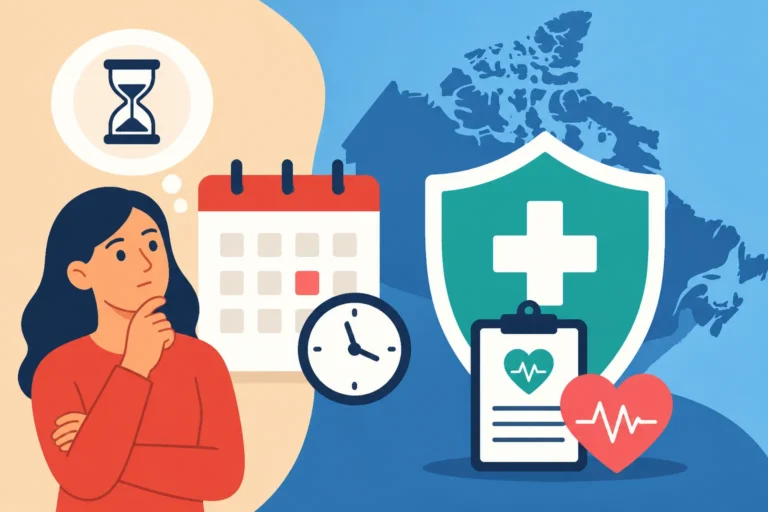
Ah, the waiting period. This is often the biggest shock and source of anxiety for many newcomers. Even if you meet all the eligibility criteria for OHIP, you're generally subject to a waiting period of up to three months before your coverage actually begins. This isn't just a slight delay; it means for potentially three whole months, you could be without public health insurance. Imagine falling ill, breaking a bone, or needing emergency care during this time. The medical bills could be astronomical.
This is precisely why having a robust private health insurance plan is not just recommended, but absolutely essential during those initial months. Companies like SafetyWing offer travel and medical insurance plans that can cover you during this critical gap. It's a lifesaver, truly. Don't think, "Oh, I'm healthy, I'll be fine." Life happens, and you don't want to be caught off guard. I can't stress enough how important it is to explore How to Get Private Health Insurance to Cover the Waiting Period in Canada as soon as you know your arrival date. Having that peace of mind, knowing that if you suddenly need to see a doctor or, heaven forbid, visit the emergency room, you're covered, is invaluable. Many newcomers have shared horror stories of unexpected medical bills because they underestimated this waiting period.
Gathering Your Documents for OHIP Application
Okay, so you've understood the eligibility and mentally prepared for the waiting period (and hopefully arranged private coverage like SafetyWing's options!). Now comes the nitty-gritty: gathering all the paperwork. This part can feel like a scavenger hunt, but having everything in order before you head to ServiceOntario will save you a world of frustration and potentially multiple trips. They're very particular about original documents, so leave your photocopies at home for this one.
Essential Proof of Canadian Status and Identity
This is the cornerstone of your OHIP application. You need to prove who you are and why you're allowed to be in Canada long enough to qualify for provincial health coverage.
- Proof of Canadian Citizenship or Immigration Status: This is usually your Canadian Birth Certificate (if you're a returning citizen), your Canadian Permanent Resident Card, or your Record of Landing (IMM 1000) or Confirmation of Permanent Residence (IMM 5292 or IMM 5688) if you're a new permanent resident. If you're on an eligible work permit, you'll need that original document. Make sure it's valid and unexpired!
- Proof of Identity: You'll need at least one document from this category that has your signature. Common choices include your passport, a Canadian driver's licence (if you've already managed to get one, bravo!), or a Canadian credit card.
Imagine arriving at ServiceOntario, only to be turned away because your work permit copy isn't accepted, or your passport is too close to expiry. It happens, and it's incredibly frustrating when you've already spent hours in line. Double-check everything before you go.
Proving Your Ontario Residency
OHIP is for Ontario residents, so you need to prove that Ontario is your primary place of residence. This means showing that you genuinely live here and intend to make it your home.
- Proof of Residency in Ontario: You'll need at least two separate documents, each showing your current Ontario address. This is where many newcomers stumble. Think about what bills or official letters you might have received.
- Housing documents: A lease agreement (with your name and address), a property deed, or a utility bill (hydro, gas, water, internet) in your name.
- Financial documents: A bank statement or credit card statement addressed to your Ontario home.
- Government mail: A Notice of Assessment from the Canada Revenue Agency, a Child Tax Benefit statement, or a driver's licence (if it shows your current address).
- Employment documents: A recent pay stub with your address, or a letter from your employer on company letterhead confirming your employment and Ontario address.
I remember my first time, I brought my lease and a bank statement, thinking I was all set. But they wanted more, or perhaps a different type of document for the second proof. It's tricky! They want variety. So, don't bring two bank statements from different banks; try a lease and a utility bill. The more official the document, the better. And remember, they must show your current Ontario address. If you’re living in temporary accommodation, it might be challenging, so plan to apply once you have a stable, long-term address.
Here's a handy table to help you keep track of the documents you'll likely need:
| Document Type | Description | Examples |
|---|---|---|
| Proof of Canadian Status | Shows your legal right to reside in Canada as a citizen, permanent resident, or under an eligible immigration program. Must be original. | Permanent Resident Card, Record of Landing (IMM 1000), Confirmation of Permanent Residence (IMM 5292/5688), Valid Work Permit (specific types only), Study Permit (specific types and conditions only), Canadian Birth Certificate. |
| Proof of Identity | Confirms your identity and usually includes your signature. Must be original. | Passport, Canadian Driver's Licence, Ontario Photo Card, Canadian Credit Card, Employee ID Card. |
| Proof of Residency | Demonstrates that you permanently live in Ontario. Two different original documents showing your current Ontario address. | Valid Ontario Driver's Licence, Lease Agreement/Property Deed, Utility Bill (hydro, gas, water, internet), Bank Statement, Credit Card Statement, Employer Letter (on company letterhead), Canada Revenue Agency (CRA) correspondence (e.g., Notice of Assessment), Child Tax Benefit Statement, Mortgage Statement, Car Insurance Policy (with address). |
Remember, always bring the original documents. Copies, even certified ones, usually won't cut it. This is a common pitfall.
The OHIP Application Process: Step-by-Step
Alright, documents in hand, you’re ready for the main event: applying. The actual process itself isn't terribly complicated, but it does require a trip to a ServiceOntario centre and a dose of patience.
Where and How to Apply
Your journey to getting an OHIP card begins at a ServiceOntario centre. These are government offices that handle various provincial services, including health card applications. You can find your nearest centre by searching online for "ServiceOntario near me." It’s highly advisable to check their website before you go to see if you can book an appointment. While walk-ins are often accepted, booking an appointment can sometimes save you a significant amount of waiting time.
Once you arrive at the ServiceOntario centre, you’ll typically take a number and wait for your turn. This can sometimes be a lengthy wait, especially in larger cities like Toronto or Vancouver (though for OHIP, you'll be in Ontario!), so bring a book, your phone, and a good attitude. When your number is called, you’ll present your documents to a ServiceOntario representative. They will review everything, ask a few clarifying questions, and guide you through filling out the application form (if you haven't pre-filled it). They're usually quite helpful, but their primary job is to ensure you meet all the requirements, so be prepared for a thorough review.
What to Expect After Application
If all your documents are in order and you meet the eligibility criteria, the representative will process your application. They will usually provide you with a temporary proof of coverage letter right there on the spot. This letter is crucial! It acts as your temporary OHIP card during the waiting period until your official card arrives in the mail. Keep it safe and carry it with you.
Your physical OHIP card won't be issued immediately. It will be mailed to your Ontario address, usually within a few weeks. The actual timeframe can vary, but expect to wait anywhere from two to six weeks. It's a small plastic card, similar to a credit card, with your name, unique health card number, and a photo. You'll need to sign the back of it as soon as it arrives.
It’s important to understand that your OHIP card doesn't just appear when you apply; there are administrative steps and mailing times involved. This waiting period after application can be an anxious time for some, especially if their initial three-month waiting period isn't quite over. Remember, your private insurance, like SafetyWing, is still your safety net until that official card is in your hand and the provincial waiting period has fully passed.
What Happens During the Waiting Period and Beyond?
So, you've applied, you have your temporary letter, and now you're either in the midst of, or just about to start, your waiting period. This phase can be nerve-wracking, but with proper planning, you can navigate it smoothly.
Managing Healthcare During the Waiting Period
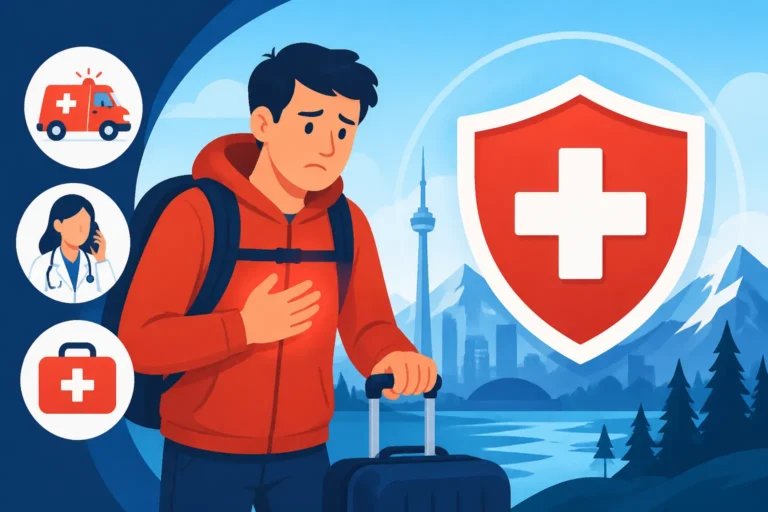
As we’ve discussed, the waiting period (up to three months) means OHIP is not covering you yet. This is not a time to take chances. Any medical services you receive during this period, including doctor visits, hospital stays, or even emergency care, will be billed directly to you. These costs can easily run into thousands of dollars.
This is where your private health insurance truly shines. If you’ve secured a plan, such as those offered by SafetyWing, make sure you understand its terms, conditions, and how to make a claim. Keep your policy documents handy. If you need to see a doctor during this time, you'll typically pay upfront and then submit a claim to your private insurer for reimbursement. For emergencies, always remember Emergency Medical Care in Canada: What Every Newcomer Needs to Know, including how ambulance fees work, as these are often not fully covered by OHIP even once it kicks in.
Consider registering with a local walk-in clinic if you need non-emergency care. While you'll pay out-of-pocket, the costs for a walk-in clinic visit are generally less than an emergency room visit for minor ailments. Always verify the cost beforehand. This interim period is also a good time to start looking for a family doctor, as finding one can take time even with OHIP. You can explore How to Find and Register with a Family Doctor in Canada so you're ready when your OHIP coverage begins.
Understanding What OHIP Covers and What It Doesn't
Once your OHIP coverage officially begins and you have your shiny new card, congratulations! You've unlocked access to a significant portion of Canada's public healthcare system. Generally, OHIP covers:
- Doctor visits: This includes visits to your family doctor, specialists (with a referral), and walk-in clinics.
- Hospital services: Accommodation and meals if you're admitted, nursing services, diagnostic services (like X-rays and lab tests), and most surgical procedures.
- Medical procedures: Many medically necessary procedures performed in hospitals or doctor's offices.
- Some eligible dental surgery: Specific procedures performed in a hospital.
- Eye exams: For children and seniors, and for adults with specific medical conditions.
However, and this is a big "however" that often surprises newcomers, OHIP does not cover everything. It’s crucial to understand Understanding What Provincial Health Plans Do and Don't Cover in Canada. Key exclusions typically include:
- Prescription medications: Unless you're a senior or have specific conditions, most prescriptions filled at a pharmacy are not covered by OHIP. This is where supplementary insurance or employer benefits come in. Learn more about Prescription Medications and Pharmacies in Canada: The Complete Guide.
- Dental care: Routine dental check-ups, cleanings, fillings, and most dental procedures are not covered by OHIP. You'll need private dental insurance or pay out-of-pocket. There is the Canadian Dental Care Plan, but eligibility varies.
- Vision care: Eyeglasses, contact lenses, and most eye exams for adults between 20-64 are not covered.
- Paramedical services: This includes things like physiotherapy, chiropractic care, and massage therapy, unless specifically covered under very limited circumstances or by supplementary insurance. You can learn about How to Get Physiotherapy and Rehabilitation Covered in Canada to see your options.
- Private hospital rooms: OHIP covers a standard ward room. If you opt for a semi-private or private room, you'll pay the difference.
For these uncovered services, many Canadians rely on supplementary health insurance, often provided through their employer benefit plans. If you don't have employer benefits, you might consider purchasing private supplementary insurance. This is a good time to revisit Health Insurance in Canada: Provincial Plans and Private Coverage Explained to understand your options.
Using your OHIP card is straightforward: simply present it every time you access a healthcare service that OHIP covers. This includes doctor’s appointments, hospital visits, or any diagnostic tests. Without it, you’ll be asked to pay upfront. Always keep your card safe, and report a lost or stolen card to ServiceOntario immediately.
Navigating the Canadian healthcare system as a newcomer can feel like a steep learning curve, but understanding OHIP eligibility, the waiting period, and what your coverage entails is a huge first step. Be proactive, get that interim private insurance, and patiently gather your documents, and you'll be well on your way to accessing the excellent healthcare services Ontario has to offer.
Disclaimer
The information provided in this guide is for general informational purposes only and does not constitute legal or medical advice. Healthcare policies, eligibility criteria, and required documents are subject to change by the government of Ontario. Newcomers are strongly advised to consult the official ServiceOntario website or speak directly with a ServiceOntario representative or an immigration consultant for the most accurate and up-to-date information pertaining to their specific circumstances. Private health insurance coverage and terms vary by provider; always review your policy details carefully.