How Do I Access Emergency Dental Care in Canada?
One of the most unsettling things about moving to a new country is the thought of a medical emergency, but let's be honest, a dental emergency can feel even more terrifying. You're in a new place, your jaw is throbbing, and you have no idea where to go or how you'll pay for it. This guide is here to walk you through exactly how to access emergency dental care in Canada as a newcomer, demystifying the process so you can get relief when you need it most.
Understanding What Constitutes a Dental Emergency in Canada
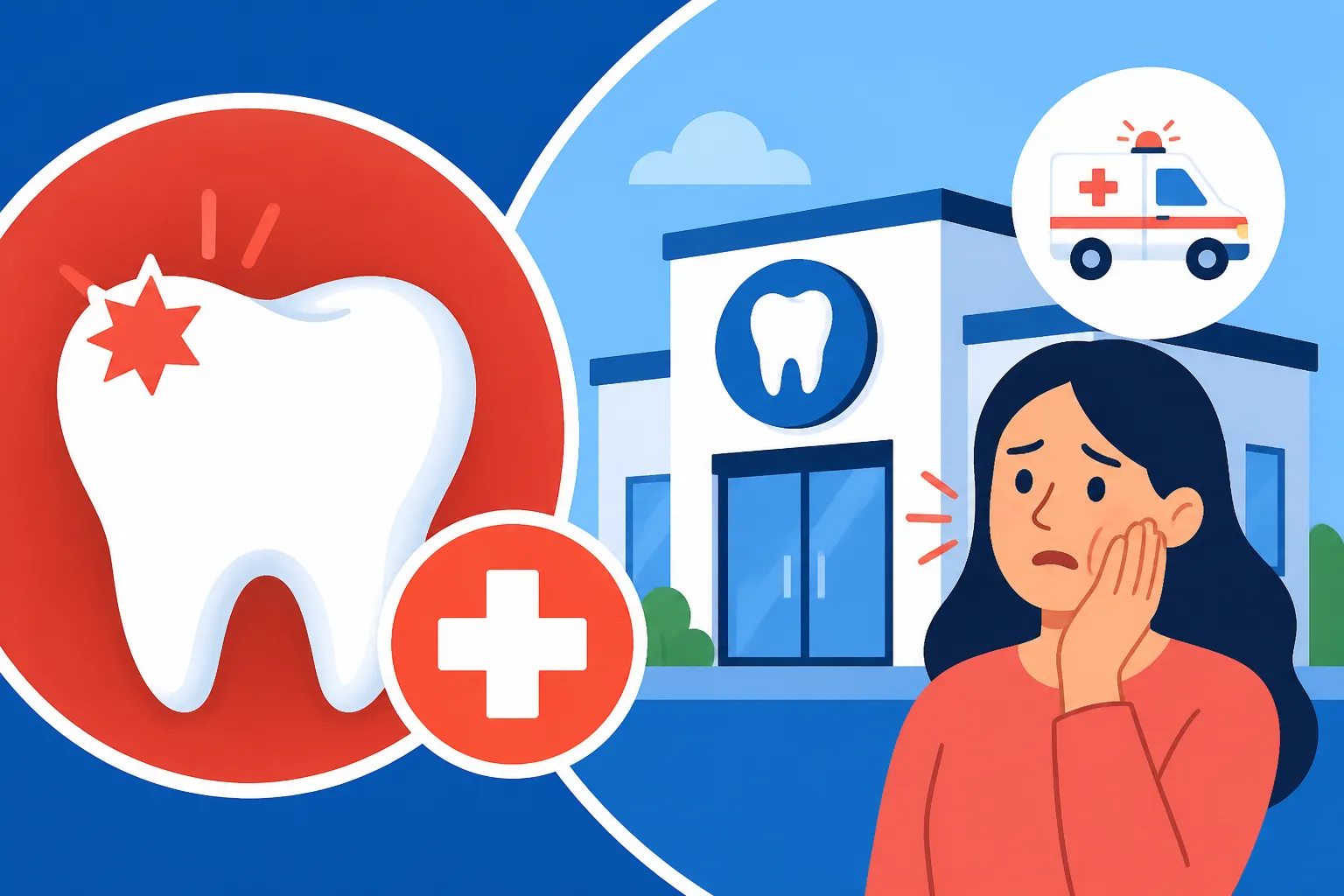
First things first, let's talk about what actually counts as a dental emergency in Canada. It's not just a toothache, although severe pain definitely qualifies! Knowing what situations warrant immediate attention versus what can wait for a regular appointment can save you a lot of stress, time, and potentially money.
Distinguishing Urgent from Non-Urgent Dental Issues
Imagine you're enjoying a crisp Canadian apple, and suddenly, crack! You've chipped a tooth. Is that an emergency? Maybe. What if you wake up in the middle of the night with a pulsating pain that keeps you from sleeping? Definitely. The key here is immediate threat to your oral health, severe pain, or potential for rapid deterioration.
Here’s a quick breakdown of what usually qualifies as a dental emergency that requires immediate care:
- Severe, Uncontrolled Pain: This is probably the most common reason people seek emergency dental care. If you're experiencing excruciating pain in your tooth, jaw, or gums that painkillers aren't touching, it's time to see a dentist right away. This could indicate a severe infection, an abscess, or nerve damage that needs urgent attention.
- Facial Swelling or Fever Related to Dental Pain: If your dental pain is accompanied by swelling in your face or jaw, or you develop a fever, this is a serious red flag. It suggests a widespread infection that could spread to other parts of your body if not treated promptly. Don't delay—this is definitely an emergency.
- Trauma to the Mouth or Jaw: Accidents happen, right? If you've had a fall, been in a sports incident, or anything that resulted in a broken, knocked-out, or displaced tooth, you need immediate care. The sooner a knocked-out tooth is replanted, for instance, the higher the chance of saving it. This also includes severe bites to the lip or tongue.
- Bleeding that Won't Stop: After an injury or even a tooth extraction, some bleeding is normal. But if you're experiencing continuous, heavy bleeding that doesn't subside after applying pressure, it’s an emergency.
- Lost Filling, Crown, or Bridge with Pain: While a lost filling or crown might not seem like an emergency if there's no pain, it exposes the sensitive inner parts of your tooth to bacteria and further damage. If it's causing significant pain or sharp edges are cutting your tongue or cheek, it warrants urgent care.
- Abscess or Pimple-like Swelling on Gums: An abscess is a localized infection that can cause a painful, pus-filled pocket. These need immediate treatment to drain the infection and prevent it from spreading.
Now, what about those things that can wait a day or two? A minor chip without pain, a dull ache that’s manageable with over-the-counter medication, or a lost retainer are usually not considered emergencies. You should still get them checked out, but you likely won't need to rush to an after-hours clinic.
The Reality: Dental Care is Mostly Private in Canada
This is a crucial point that often catches newcomers off guard. Unlike general medical care, which is largely covered by provincial health plans, dental care in Canada operates almost entirely outside the public system. Yes, you heard that right. Your provincial health card – whether it's OHIP in Ontario, MSP in British Columbia, or RAMQ in Quebec – typically won't cover routine dental check-ups, cleanings, fillings, or even emergency dental procedures.
It's a stark contrast to what many might expect from a country known for its universal healthcare. The public health system might cover some emergency dental work if it's performed in a hospital setting for specific life-threatening conditions (e.g., severe facial trauma requiring surgery), but for your average toothache or broken tooth, you'll be paying out of pocket or relying on private insurance. This is why understanding Public vs Private Healthcare in Canada: What Newcomers Need to Know is so vital for all aspects of your health.
For newcomers, this can be a huge source of anxiety, especially if you arrive without immediate employer benefits or private insurance. It means that while the quality of dental care in Canada is generally excellent, accessing it quickly and affordably during an emergency requires a bit of foresight and understanding of the system.
Where to Go for Emergency Dental Care
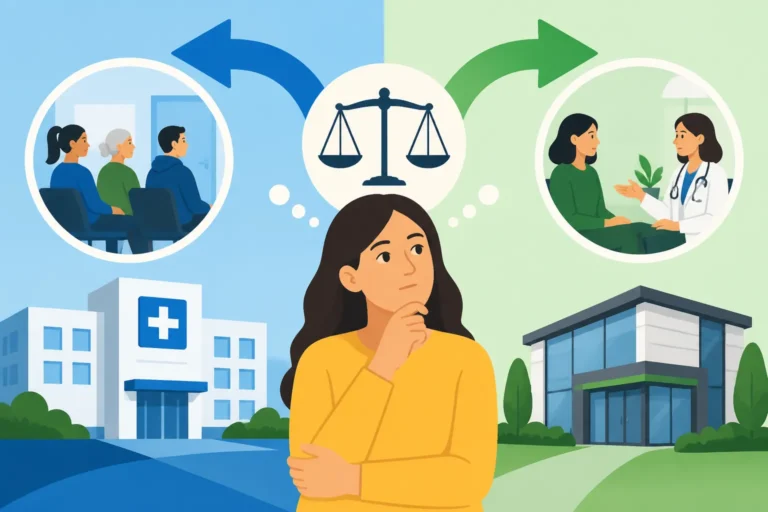
So, you're in pain, and you've determined it's a true dental emergency. Where do you actually go? The options can vary depending on the severity of your situation and the time of day or night.
Regular Dental Offices and Walk-In Dental Clinics
For most dental emergencies that aren't life-threatening but require immediate attention, your best bet is a dental office. If you've already found a family dentist, that's your first call. They know your dental history, and many offices have emergency protocols in place for their existing patients, offering same-day appointments or after-hours contact information.
If you haven't found a regular dentist yet (which is common for newcomers, especially when you're still navigating How to Find and Register with a Family Doctor in Canada for general health), don't despair. This is where walk-in dental clinics or emergency dental clinics come into play. These clinics are specifically designed to handle urgent dental issues without an appointment. They might have extended hours or be open on weekends, making them incredibly valuable for those unexpected moments.
To find one, a quick online search for "emergency dentist near me" or "walk-in dental clinic [your city]" will usually yield results. You can also call your local dental association for referrals. When you call, be very clear about your symptoms and the severity of your pain. They'll assess if you need to come in immediately. Keep in mind that while they cater to emergencies, wait times can vary, especially during peak hours.
For example, if you're in Toronto and wake up with a severe tooth infection, you could look for clinics like Altima Dental or Dental emergency clinics that advertise same-day appointments. Always call ahead if possible, even for a walk-in, to confirm their capacity and what to expect.
Hospital Emergency Rooms: When and Why
This is a common point of confusion. Should you go to the hospital emergency room for a dental issue? The general rule of thumb is: only if it's life-threatening or involves significant facial trauma that isn't solely dental.
What does that mean?
- Life-threatening infections: If a dental infection has spread rapidly, causing difficulty breathing, swallowing, or severe swelling that affects your airway, then yes, go to the hospital ER. This is a medical emergency that happens to originate from a dental issue.
- Severe facial trauma: If you've been in an accident and have broken facial bones, deep lacerations, or other severe injuries to your head and neck alongside dental damage, the hospital ER is the appropriate place. They can stabilize you and address the overall trauma before referring you to a dental specialist.
- Uncontrolled bleeding: If you've had a tooth pulled or an injury and the bleeding is profuse and won't stop despite applying pressure, the ER can help control it.
For just a toothache, even a very severe one, or a broken tooth without other major injuries, the hospital ER is generally not the right place. Hospital ERs are not equipped or staffed for routine dental procedures like fillings, root canals, or extractions. They can provide pain relief and antibiotics if there's an infection, but you'll still need to follow up with a dentist for the actual dental work. Going to the ER for a non-life-threatening dental issue also contributes to longer wait times for others with true medical emergencies. It's important to understand the difference when Navigating the Canadian Healthcare System: A Newcomer's Roadmap (2027).
Dental Schools and Community Health Centres
Another option, particularly if you're looking for potentially lower-cost care or are in a larger city, is a dental school clinic. Universities with dentistry programs, like the University of Toronto's Faculty of Dentistry or the University of British Columbia's Faculty of Dentistry, often have clinics where students (under the supervision of licensed instructors) provide care. These clinics typically offer a range of services, including emergency care, at reduced rates. The trade-off can sometimes be longer appointment times, but the quality of care is high, and the cost savings can be significant.
Community health centres (CHCs) in some areas may also offer limited emergency dental services, especially for low-income individuals or those without insurance. These services are often focused on pain management and urgent extractions rather than comprehensive care. Availability varies greatly by location, so you'll need to search for "community dental clinic [your city]" or "dental services low income [your city]" to see what's available in your area. They often have specific eligibility criteria, so make sure to check.
The Cost of Emergency Dental Care and How to Pay
Alright, let's get to the elephant in the room: the cost. Because emergency dental care isn't covered by provincial health plans, you're looking at out-of-pocket expenses. This is often the biggest shock for newcomers.
Typical Costs for Common Emergency Procedures
Dental fees in Canada are not standardized across the board, but provincial dental associations often publish suggested fee guides. These guides provide a range for common procedures, but individual dentists can set their own prices. This means the cost can vary depending on your province, city, and the specific clinic.
Here's a ballpark idea of what you might expect for common emergency procedures without any insurance coverage:
- Emergency Exam and X-ray: Expect to pay anywhere from $100 to $250. This is the initial assessment to figure out what's wrong.
- Simple Extraction: If the tooth is easily removed, a simple extraction could cost between $150 and $400.
- Surgical Extraction (e.g., impacted wisdom tooth): This is more complex and can range from $300 to $800 or even more, especially if sedation is involved.
- Root Canal Treatment: This is a multi-step procedure to save an infected tooth. The cost varies significantly by which tooth is affected (front teeth are generally cheaper than molars). Expect $800 to $2,000 per tooth, not including the cost of a crown, which is often needed afterwards and can add another $800 to $1,500.
- Filling (emergency repair): Depending on the material and size, a filling could be $150 to $500.
- Temporary Crown/Repair for a Chipped Tooth: Around $200 to $600, depending on complexity.
As you can see, these costs add up quickly. A severe toothache requiring a root canal and a crown could easily run you well over $1,500, which is a significant chunk of change, especially when you're just starting out in a new country. This is why it's so important to understand The Cost of Healthcare in Canada: A Complete Breakdown for Newcomers (2026), as dental care forms a substantial part of potential out-of-pocket expenses.
Payment Options: Private Insurance, Employer Benefits, and Self-Pay
Given the high costs, how do most people manage?
-
Private Dental Insurance: This is the most common way Canadians cover dental costs. Many individuals purchase private dental insurance plans separately from their provincial health coverage. These plans can be basic, covering a percentage of routine check-ups and cleanings, or comprehensive, covering a higher percentage of major procedures like crowns, bridges, and orthodontics. If you arrive in Canada with a private health insurance plan, such as one you might have purchased specifically for newcomers to cover the initial waiting period for provincial health care, check if it includes emergency dental benefits. Companies like SafetyWing offer travel and medical insurance that can be particularly useful for those who haven't yet secured long-term coverage, providing a safety net for unexpected incidents, including certain emergency dental treatments. While it's not a full dental plan, having some coverage is better than none.
-
Employer Benefits: A significant number of Canadians receive dental coverage through their employer's benefits package. If you've started a job in Canada, inquire about your benefits as soon as possible. These plans often cover a percentage (e.g., 80% for basic, 50% for major) of dental costs, up to an annual maximum. This is often the most comprehensive and affordable way to get dental coverage. Make sure you understand How to Use Private Health Insurance and Employer Benefits in Canada as soon as you get settled.
-
University/College Plans: If you're an international student, your educational institution likely enrolls you in a mandatory health and dental plan. These plans are designed to cover basic medical needs and often include a component for dental emergencies and routine care. Familiarize yourself with your student plan's benefits.
-
Self-Pay (Out of Pocket): For many newcomers, especially those who haven't secured a job with benefits or opted for private insurance, paying out of pocket is the reality. Most dental clinics expect payment at the time of service. They typically accept credit cards, debit cards, and cash. If the cost is substantial, you might be able to discuss a payment plan with the clinic, but this is at their discretion. It’s always a good idea to discuss costs and payment options before any major work is done. It can be stressful, but it gives you a clearer picture. For example, if you visit a clinic and they recommend a root canal, ask for a detailed cost breakdown and if they have any temporary measures that might buy you time to sort out finances.
-
Canadian Dental Care Plan (CDCP): This is a relatively new federal program that aims to provide dental coverage for eligible Canadian residents who do not have access to private dental insurance. While it is primarily for those with a net family income of less than $90,000, and is being rolled out in phases, it's worth checking your eligibility if you qualify, as it could offer significant relief for emergency and routine dental costs. Learn more about Understanding Dental Care Costs and the Canadian Dental Care Plan.
A quick tip for newcomers: If you're planning your move, consider getting a short-term private health insurance policy that includes emergency dental coverage for your initial months in Canada. Providers like SafetyWing are well-regarded for travel insurance that can extend to cover medical emergencies, which can often include sudden, severe dental pain requiring immediate treatment. This can bridge the gap before you secure provincial coverage or an employer benefits package.
Navigating the Process as a Newcomer
Dealing with a dental emergency is tough enough, but doing it in a new country adds another layer of complexity. Here are some pointers to help you navigate the process more smoothly.
Language Barriers and Explaining Symptoms Effectively
Canada is officially bilingual (English and French), but most services operate primarily in English outside of Quebec. If English or French isn't your first language, or you're simply struggling with medical terminology under duress, it can feel incredibly isolating. Don't be afraid to communicate this to the dental office staff.
- Be Direct: State upfront if you need slower speech or simpler terms.
- Use Translation Apps: Have a translation app ready on your phone to help describe your pain – "sharp," "dull," "throbbing," "constant," "intermittent." Describing where the pain is (upper left molar, lower right front tooth) and how long it's been happening, as well as what makes it worse (cold, hot, biting down) or better, is crucial for diagnosis.
- Bring a Friend/Family Member: If possible, bring someone with you who can help translate and advocate on your behalf.
- Visual Aids: Point to the exact tooth or area that hurts. Gestures can often bridge language gaps.
Dental professionals are accustomed to patients in pain and will do their best to understand you, but clear communication helps them help you faster and more accurately.
Finding a Dentist and What to Expect at the Appointment
Finding a dentist in Canada can sometimes feel like a quest, especially finding one that's accepting new patients. Here’s how you can approach it, especially for emergencies:
- Online Search Engines: As mentioned, Google Maps is your friend. Search for "emergency dentist [your city]," "walk-in dental clinic [your neighbourhood]," or "dentist accepting new patients." Websites like the Canadian Dental Association or provincial dental college websites might also have directories.
- Referrals: Ask new friends, colleagues, or community groups for recommendations. Word-of-mouth is still a powerful tool.
- Call Ahead: For any emergency, always call the clinic first. Explain your situation, the severity of your pain, and that you are a new patient seeking emergency care. They will guide you on whether to come in immediately or if they can fit you into their schedule.
- Documentation: When you go for your appointment, even if it's an emergency, bring any relevant documents. This includes:
- Identification: Your passport or Canadian driver's licence.
- Immigration Documents: Your work permit, study permit, or PR card.
- Insurance Information: Details of any private health or dental insurance you have, including policy numbers and contact information for the insurer (like SafetyWing if you have a plan with them).
- Medication List: A list of any medications you are currently taking, including dosages.
- Allergies: Be prepared to state any allergies you have.
- Payment Method: A credit card or debit card.
At the appointment, the dentist will conduct an examination, take X-rays, and diagnose the problem. They will then explain the treatment options, estimated costs, and what they can do immediately to alleviate your pain. Often, for a true emergency, the first step is pain relief and addressing any infection, with definitive treatment scheduled for a follow-up visit. This is especially true for complex procedures like root canals or extensive extractions.
Follow-Up Care and Long-Term Dental Health
Once the immediate crisis is over, don't just forget about your teeth! Emergency care often provides a temporary fix or gets you out of severe pain, but it's rarely the complete solution.
- Complete the Treatment: If the emergency visit involved a partial treatment (e.g., draining an abscess, starting a root canal), ensure you schedule and attend all follow-up appointments to complete the work. Neglecting this could lead to a recurrence of the problem or further complications.
- Find a Regular Dentist: Even if you found an emergency clinic, use the experience as a catalyst to find a regular family dentist. Regular check-ups and cleanings are crucial for preventative care and can help you avoid future emergencies. Your emergency dentist might even accept new patients for routine care or be able to recommend someone.
- Consider a Dental Plan: Once you're settled, explore your options for long-term dental coverage. This could be through your employer, a personal private plan, or checking eligibility for the Canadian Dental Care Plan. Proactive dental care is almost always less expensive and less painful than reactive emergency treatment. Understanding How to Buy Private Health Insurance as a Newcomer in Canada can include looking at options that encompass dental coverage.
Remember, dental health is a vital part of your overall well-being. Don't let the complexities of a new system deter you from seeking the care you need. Take these steps, prepare as best you can, and you'll be much better equipped to handle any unexpected dental woes that come your way in Canada.
Comparing Emergency Dental Care Options
To help you get a clearer picture, here's a table summarizing the different avenues for emergency dental care in Canada:
| Option | Best For | Typical Coverage | Pros | Cons |
|---|---|---|---|---|
| Your Family Dentist | Existing patients with any dental emergency during office hours. | Private insurance, employer benefits, or self-pay. | Familiarity with your history, often faster access, continuity of care. | May not be available after hours, requires an existing relationship. |
| Walk-In/Emergency Dental Clinic | Non-life-threatening emergencies (severe pain, broken tooth) without a regular dentist. | Private insurance, employer benefits, or self-pay. | No appointment needed (often), extended hours, specifically equipped for emergencies. | Potentially higher fees, may not be able to offer ongoing care, wait times can vary. |
| Hospital Emergency Room | Life-threatening infections (airway compromise), severe facial trauma beyond dental. | Provincial health plan (for medical emergency aspects). | Equipped for severe medical trauma, can stabilize critical conditions, immediate pain relief for severe cases. | Not equipped for dental procedures, long wait times for non-critical issues, won't fix dental problem. |
| University Dental School Clinic | Non-life-threatening emergencies, seeking lower-cost care. | Reduced fees, self-pay. | Lower cost, high quality of care (supervised students), comprehensive services. | Longer appointment times, limited availability, may not be open for immediate walk-ins for emergencies. |
| Community Health Centre (CHC) | Low-income individuals, those without insurance, specific urgent needs (pain, extraction). | Often subsidized or free for eligible individuals. | Affordable or free care, access for vulnerable populations. | Limited services, strict eligibility criteria, long wait lists, specific locations only. |
This table highlights that while Canada has excellent dental care, navigating emergency situations requires understanding the nuances of how dental services are provided and paid for, especially as a newcomer without an established network or comprehensive benefits. Don't be shy about asking questions and exploring all your options to ensure you get the care you need.
Disclaimer
Please remember that I'm just an expat blogger, not a licensed medical or dental professional, nor an immigration consultant. The information provided in this guide is for general informational purposes only and is based on my personal experiences and general understanding of the system in Canada. Dental and medical regulations, costs, and services can change, and what applies in one province might be different in another. Always consult with a qualified dental professional, your insurance provider, or relevant provincial health authorities for the most accurate and up-to-date information regarding your specific situation. This content is not a substitute for professional advice.