How Do I Choose Between Public and Private Care in Canada?
One of the biggest head-scratchers for newcomers to Canada, and honestly, even for long-time residents, is figuring out the healthcare system. It's often touted as "free," but that's a vast oversimplification that leaves many feeling confused and frustrated when they encounter unexpected costs or wait times. This guide will walk you through the nuances of Canada's public and private healthcare options, helping you understand what's covered, what isn't, and how to make informed choices for your health and peace of mind.
Understanding Canada's "Public" Healthcare System: Provincial Plans
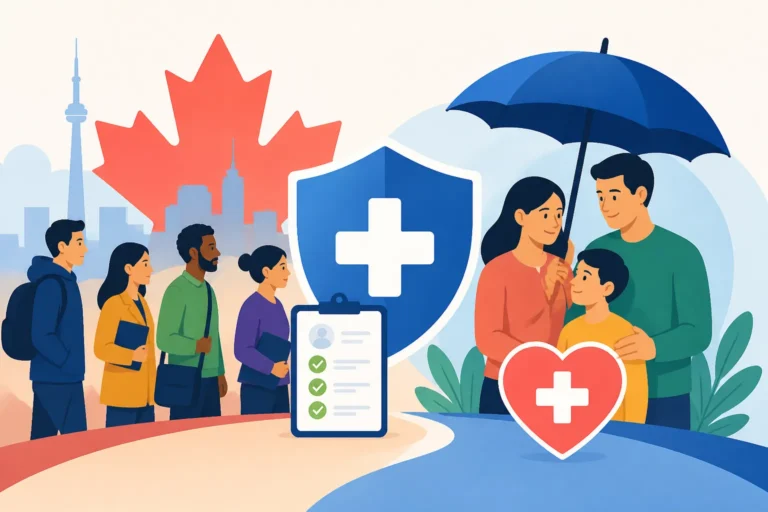
Let's get one thing straight right off the bat: Canada's public healthcare system isn't a single, unified entity. It's a patchwork of provincial and territorial health insurance plans, all operating under the umbrella of the Canada Health Act. Each province manages its own health plan, and while they share core principles, the specifics can vary wildly. This is where a lot of the confusion for newcomers begins because what applies in Ontario (OHIP) might be different from British Columbia (MSP) or Quebec (RAMQ).
What Provincial Health Plans Cover (and Don't)
The fundamental promise of Canada's public healthcare is medically necessary services, primarily delivered in hospitals and by doctors. This generally includes things like doctor visits, diagnostic tests (X-rays, blood work), most hospital stays, and surgeries. Sounds great, right? And it truly is for those critical, life-saving moments. You can walk into an emergency room or see a family doctor (once you find one, a whole other saga for newcomers!) without pulling out your wallet, provided you have your provincial health card. For a comprehensive overview, check out our guide on Understanding What Provincial Health Plans Do and Don't Cover in Canada.
However, this "medically necessary" definition has some significant exclusions that often catch people off guard. For instance, prescription medications, unless you're an in-patient in a hospital, are usually not fully covered by provincial plans. Dental care? Mostly out-of-pocket, unless it's a very specific emergency dental procedure performed in a hospital setting. Vision care, physiotherapy, chiropractic services, massage therapy, and private or semi-private hospital rooms also typically fall outside the provincial safety net. This is where many expats, used to more comprehensive universal systems elsewhere, start to feel the pinch and the need for supplementary coverage becomes glaringly obvious.
The Newcomer Waiting Period and Provincial Eligibility
One of the most anxiety-inducing aspects for new arrivals is the provincial health coverage waiting period. Most provinces, with a few exceptions like Alberta and New Brunswick, impose a waiting period, often up to three months, before you become eligible for their public health insurance. Imagine arriving in a new country, trying to settle in, and knowing that if you get seriously ill or have an accident, you could be facing astronomical medical bills. It's a terrifying thought, and a very real concern that many expats grapple with. You can dive deeper into this topic with our article on The Newcomer Waiting Period for Provincial Health Coverage in Canada (2027).
To be eligible for provincial health coverage, you generally need to be a permanent resident, a Canadian citizen, or hold a valid work permit or study permit for a specific duration, demonstrating an intent to reside in the province. Each province has its own criteria, so it's crucial to check the specific requirements for where you're settling. For example, to apply for OHIP, MSP, RAMQ or AHCIP When You Arrive in Canada, you’ll need to provide proof of residency, identity, and immigration status. This waiting period is precisely why many newcomers consider private health insurance right from day one.
The Role and Realities of Private Healthcare in Canada
Given the gaps in public coverage and the waiting period for new arrivals, private healthcare in Canada isn't just a luxury; it's often a necessity. This segment of the system acts as a crucial complement to public plans, filling in where provincial coverage ends.
What Private Health Insurance Covers
Private health insurance, often referred to as "supplementary" insurance, steps in to cover those services that public plans largely ignore. This includes a wide array of benefits that Canadians often take for granted because they're covered through employer benefit plans. Think about it:
- Prescription Drugs: This is a big one. Without private insurance or a robust provincial drug plan (which usually has income thresholds or specific criteria), you could be paying hundreds, even thousands, out of pocket for ongoing medications.
- Dental Care: Routine check-ups, cleanings, fillings, extractions – almost all of it falls under private coverage. Want to avoid a massive bill for a root canal? You'll need private dental insurance.
- Vision Care: Eye exams (especially for adults, as children and seniors often have some provincial coverage), glasses, and contact lenses are typically covered by private plans.
- Paramedical Services: This covers specialists like physiotherapists, chiropractors, massage therapists, osteopaths, and sometimes even dietitians or psychologists, up to a certain annual limit. These services can be incredibly important for recovery from injuries or managing chronic conditions.
- Private/Semi-Private Hospital Rooms: While your hospital stay itself is covered by the province, a private room for more comfort or privacy is an extra cost that private insurance can cover.
- Travel Medical Insurance: If you plan on leaving Canada, even for a quick trip across the border, your provincial plan will offer very limited coverage (if any) for medical emergencies outside the country. Private travel insurance is essential for this, and many expat-focused providers like SafetyWing offer plans that include this.
Many people get private insurance through their employer. If you're lucky enough to land a job with good benefits, you'll find that these policies make a huge difference in your overall healthcare costs. But for those who are self-employed, working precarious jobs, or still looking for work, purchasing individual private insurance is the path to peace of mind. Our guide on Understanding Supplementary Health Insurance (Dental, Vision, Drugs) in Canada can give you more details on these benefits.
Navigating the Private Sector for Quicker Access
Beyond insurance, "private care" in Canada can also refer to privately operated clinics or services that are still within the public system, but where you might pay out-of-pocket for certain non-medically necessary amenities or quicker access for things like diagnostic imaging. For instance, while an MRI or CT scan is covered by your provincial plan, the wait times can be notoriously long in some areas. There are private clinics where you can pay to get an MRI much faster, although the actual reading and follow-up with your doctor would still integrate back into the public system. This is a complex area because the Canada Health Act generally prohibits direct billing for medically necessary services, but clinics find ways to offer services that fall outside this strict definition.
It's a tricky balance, and it’s a source of ongoing debate in Canada. The idea is to maintain equity in access, but the reality is that long wait lists in the public system sometimes push people to explore these private options, particularly for diagnostic tests that aren't deemed urgent enough for a fast-track. This isn't about jumping the queue for a covered surgery, but rather about getting quicker answers or access to services that aren't strictly part of the public plan.
Navigating the Gaps: When Private Coverage Becomes Essential
The Canadian healthcare system, while robust in its public core, has undeniable gaps that can be particularly challenging for newcomers. Understanding these gaps is crucial for deciding if and when private care or insurance is right for you.
The Waiting Period Dilemma
As an expat, the waiting period for provincial health coverage is probably the most immediate and pressing concern. Arriving in a new country with no health coverage for up to three months is a huge risk. A broken leg, a sudden illness, or even an unexpected trip to a walk-in clinic could lead to thousands of dollars in medical bills. For example, a single emergency room visit without coverage can easily run into hundreds, if not thousands, of dollars, especially if diagnostic tests are involved. A stay in the hospital could quickly escalate into five or six-figure sums. This is not fear-mongering; these are real-world costs.
Many newcomers wisely opt for private health insurance to bridge this gap. Providers like SafetyWing offer robust travel medical insurance that can cover you from the moment you land until your provincial coverage kicks in. This kind of interim coverage is not just smart; it's a critical safety net that allows you to breathe a little easier during those stressful first months. Don't underestimate the peace of mind this provides when you're already juggling so many other aspects of settling into a new country. Our article How to Get Private Health Insurance to Cover the Waiting Period in Canada provides more detail on this.
Filling the Gaps in Ongoing Care
Beyond the initial waiting period, private insurance continues to play a vital role in day-to-day health management. As mentioned, most provincial plans don't cover prescription drugs, dental, or vision care. Think about your current health needs:
- Do you take regular medication for a chronic condition? Those costs can add up quickly without a drug plan. A common generic medication for blood pressure might cost $20-30 per month, while specialized biologics could be hundreds or thousands.
- When was your last dental check-up? Regular cleanings and preventative care are essential, but entirely out-of-pocket without private insurance. A cleaning can be $150-250, a filling even more.
- Do you wear glasses or contacts? Eye exams for adults can cost $80-150, and new frames and lenses can easily run into hundreds.
Without supplementary insurance, these routine but essential health expenses become a significant financial burden. This is why many Canadians, particularly those employed by larger companies, rely heavily on their employer-sponsored health benefits. For those who don't have this luxury, exploring individual private plans is essential. You can learn more about finding the right plan in our guide, How to Buy Private Health Insurance as a Newcomer in Canada.
Mental Health Services and Other Specialized Care
While there's growing recognition of the importance of mental health, access to covered psychological counselling or therapy through the public system can still be limited. Often, you might get a referral to a publicly funded psychiatrist if your case is severe, but private therapists and counsellors are usually paid for out-of-pocket or through private insurance. Similarly, other specialized care like physiotherapy after an injury, while sometimes partially covered if deemed medically urgent, often requires private insurance for consistent, ongoing treatment. This can be a significant gap for many, especially when dealing with the stresses of moving to a new country.
Making Your Choice: A Comparison and Decision Framework
Deciding between relying solely on public care or supplementing with private insurance isn't a simple "either/or" question; it's about understanding how they complement each other and what best suits your personal situation.
Public Care: The Foundation
Canada's public healthcare system is indeed the bedrock of medical support. It ensures that in emergencies, for serious illnesses, and for essential doctor and hospital visits, you are covered. This is the beauty of universal healthcare – it prevents medical bankruptcy for major health crises. The Canadian public health system aims to provide everyone with access to necessary medical care, regardless of their income or social status. For more insights into how the system works across the country, refer to How Canada's Health System Works: Provincial Plans Explained (2027).
The pros of relying on public care are significant:
- Accessibility for emergencies: If you have a critical medical event, you will receive care without direct cost at the point of service. This is a massive relief, especially for serious conditions or accidents.
- No premiums (after taxes): Once you're eligible, you don't pay direct premiums for provincial health coverage. It's funded through taxes.
- Comprehensive for core services: Doctor visits, specialist referrals, diagnostic tests, and hospital stays are generally covered.
However, the cons are equally important to acknowledge:
- Waiting periods for newcomers: This is a major hurdle for initial arrivals.
- Gaps in coverage: Prescription drugs, dental, vision, and many paramedical services are usually not covered.
- Potential for long wait times: While emergencies are prioritized, non-urgent specialist appointments or elective surgeries can involve significant wait times, sometimes months or even years, depending on the procedure and location. You can get an idea of typical wait times by checking out How Long Are Wait Times to See a Specialist in Canada?.
- Limited choice of providers: You generally cannot "choose" your specialist or hospital in the same way you might in a fully private system; referrals dictate access.
Private Care: The Supplementary Shield
Private health insurance is not about opting out of the public system; it's about building a more robust personal health safety net. It's the shield that protects you from the financial shock of those uncovered services and helps you manage your day-to-day health needs more effectively.
The pros of private insurance:
- Covers critical gaps: Fills the void for prescription drugs, dental, vision, and paramedical services.
- Bridges the waiting period: Essential for newcomers to avoid massive bills in their first few months. Many newcomers purchase a plan from companies like SafetyWing for this very reason.
- Increased choice and access: While not allowing you to jump queues for covered services, it grants access to a broader range of services and providers that are not publicly funded.
- Financial predictability: Helps budget for health expenses, reducing unexpected out-of-pocket costs.
The cons of private insurance:
- Cost: You pay monthly or annual premiums, which can be a significant expense, especially for comprehensive plans or families.
- Complexity: Plans can vary widely in coverage, deductibles, and co-payments, requiring careful research.
- Still reliant on public for core: Private insurance generally won't get you a faster heart surgery; it supplements, it doesn't replace, the public system for medically necessary procedures.
Decision Framework: What to Consider
To make the best choice for yourself and your family, ask yourself these questions:
- Your Immigration Status & Arrival Date: Are you a newcomer still in the waiting period for provincial coverage? If so, private interim insurance (like SafetyWing) is highly recommended.
- Your Health Needs: Do you have existing medical conditions requiring prescription drugs, physiotherapy, or regular specialist visits not covered by public plans?
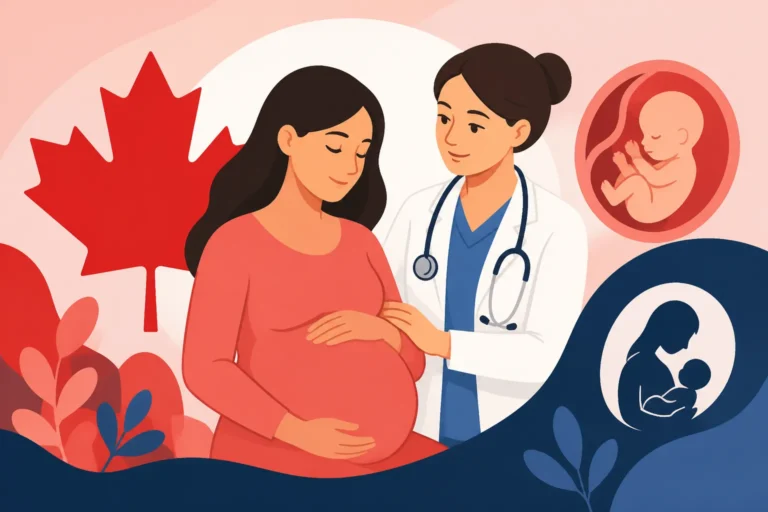
- Family Composition: Do you have children who might need dental or vision care? Expecting a baby? Maternity and prenatal care are covered by provincial plans, but a private room in a hospital is not. Consider our guide on Understanding Maternity and Prenatal Care in Canada.
- Financial Situation: Can you comfortably afford monthly premiums for private insurance? How would you manage significant out-of-pocket costs for dental work or prescription drugs without it? For a detailed breakdown of costs, check out The Cost of Healthcare in Canada: A Complete Breakdown for Newcomers (2026).
- Employment Benefits: Will your employer provide a benefits package? If so, this might alleviate much of the need for individual private insurance. If you're self-employed or working part-time, you'll need to explore individual options.
- Tolerance for Risk: Are you comfortable with the financial risk of no coverage during the waiting period or for services not covered by the province?
Ultimately, for most expats, the smart approach is a hybrid one: embracing the robust public system for its core coverage, while thoughtfully supplementing it with private insurance to fill the inevitable gaps, especially during that initial stressful waiting period. It's not about choosing one over the other, but understanding how they work together to keep you healthy and financially secure in Canada.
Table: Public vs. Private Healthcare in Canada
| Feature | Provincial (Public) Health Coverage | Private Health Insurance (Supplementary) |
|---|---|---|
| Funding Source | Tax-funded; no direct premiums (after general taxes) | Monthly/annual premiums paid by individual or employer |
| Core Services | Doctor visits, hospital stays, most diagnostic tests, surgeries | Prescription drugs, dental care, vision care, paramedical services, private hospital rooms |
| Eligibility | Permanent Residents, Citizens, valid Work/Study Permits (with provincial residency requirements) | Anyone can purchase (subject to insurer's terms); often tied to employment |
| Newcomer Waiting Period | Typically 0-3 months, varies by province | Can provide immediate coverage from arrival date (e.g., SafetyWing) |
| Cost at Point of Service | Generally $0 for covered services (with provincial health card) | Varies by plan: deductible, co-payment, or full cost (then reimbursed) |
| Wait Times | Can be long for non-urgent specialist appointments/procedures | Can offer quicker access to non-publicly funded services or diagnostics (if paying out-of-pocket) |
| Geographic Scope | Primarily within the specific province/territory | Often includes emergency travel medical coverage outside Canada |
| Mental Health | Limited; often only severe cases via psychiatrist referrals | May cover a portion of psychological counselling/therapy sessions |
Disclaimer
The information provided in this guide is for general informational purposes only and does not constitute medical, legal, or financial advice. Healthcare policies, eligibility requirements, and insurance offerings in Canada are subject to change by provincial governments and private providers. While we strive to provide accurate and up-to-date information, it is essential to consult official government websites (e.g., provincial Ministry of Health), healthcare professionals, and licensed insurance brokers for personalized advice tailored to your specific circumstances.