What Private Insurance Covers Pre-Existing Conditions in Canada?
One of the most pressing concerns for anyone moving to Canada, especially if you're not a fresh-faced twenty-something, is figuring out how to manage your health needs, particularly if you have existing medical conditions. It’s a huge source of anxiety, and rightly so. The Canadian healthcare system, while incredible, works differently, and your provincial health plan often won't jump in to cover everything, especially right when you land. This guide is here to shed some light on the often-confusing world of private insurance and how it might – or might not – cover those dreaded "pre-existing conditions" when you're starting your new life in Canada.
Understanding Pre-Existing Conditions in Canada's Insurance Landscape
Let's be honest, talking about "pre-existing conditions" with insurance companies often feels like walking a tightrope in the dark. It’s a term that strikes fear into the hearts of many newcomers, and for good reason. In the Canadian insurance context, it's a critical factor that can determine not just what you pay, but if you're even covered for certain health issues.
Defining "Pre-Existing Condition" from an Insurer's Perspective
So, what exactly is a pre-existing condition? It's not just a fancy medical term; it's a legal and financial definition crafted by insurance providers. Generally, a pre-existing condition refers to any illness, injury, or medical condition for which you have received diagnosis, medical advice, consultation, treatment, or medication within a specified period before the effective date of your insurance policy. This period is often called the "look-back period" and can range from 90 days to several years, depending on the insurer and the type of policy.
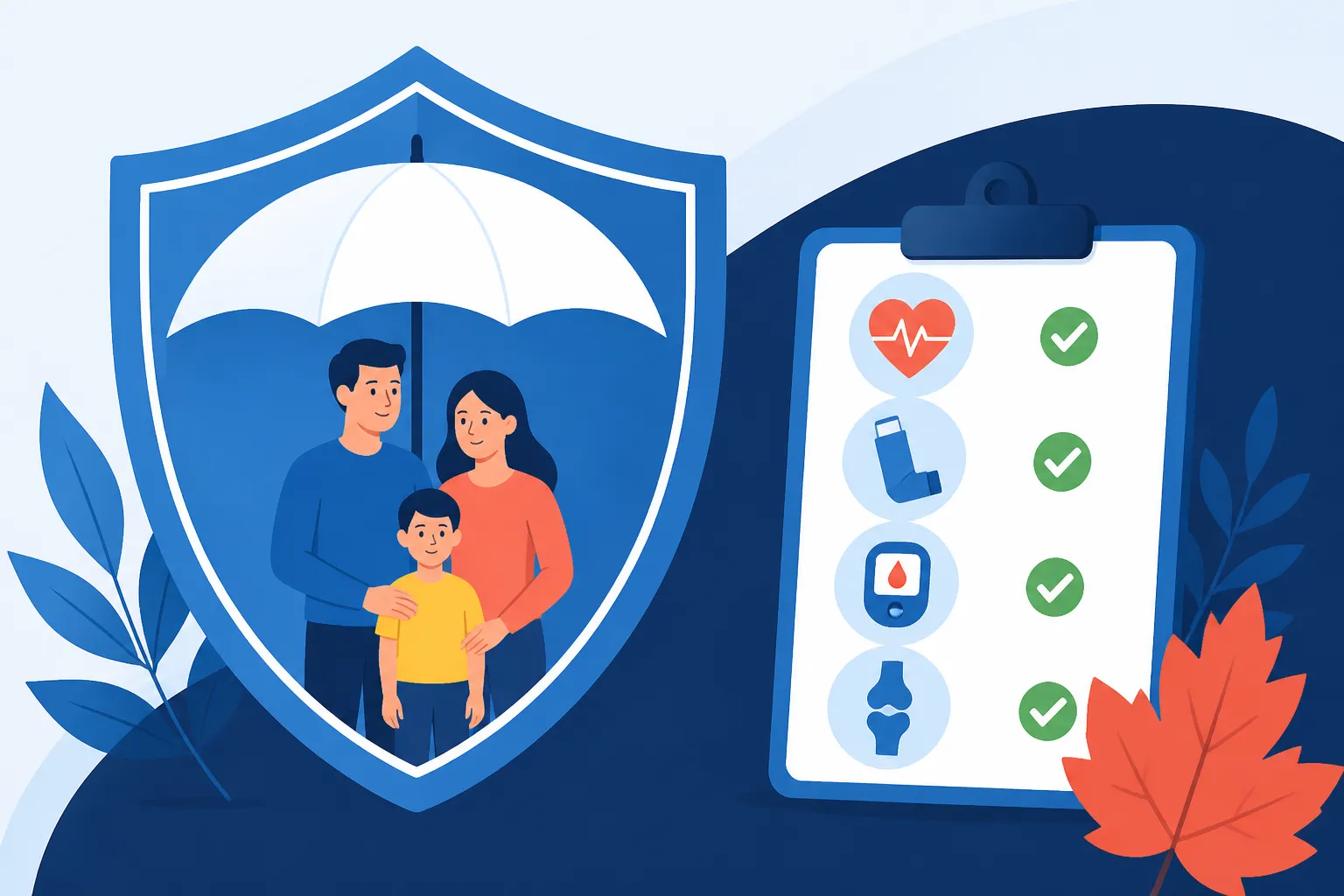
For example, if you've been managing high blood pressure with medication for the past five years, that's almost certainly a pre-existing condition. If you had a knee surgery two years ago and are still doing physiotherapy, that's another one. Even something as common as asthma or diabetes, if managed with regular doctor visits or prescriptions, falls into this category. It's not about how severe the condition is, but rather that it was known or treated before you sought new coverage.
Why Pre-Existing Conditions Pose a Challenge for Insurers
From an insurance company’s standpoint, pre-existing conditions represent a higher, more predictable risk. Insurance thrives on pooling unpredictable risks. If someone already has a known, ongoing medical issue, the likelihood of them needing medical care and making claims is significantly higher and more certain than for someone with no known health problems.
This is why insurers are typically cautious. They want to avoid a situation where someone waits until they need expensive treatment for a chronic illness and then buys insurance specifically to cover it. That would undermine the entire insurance model. This isn't unique to Canada; it's a global insurance principle. So, don't take it personally when an insurer probes deeply into your health history. They're just doing their due diligence to assess the risk, which unfortunately often means exclusions or higher premiums for those with pre-existing conditions.
The Role of Provincial Health Plans in Canada
When you arrive in Canada, the first thing everyone talks about is the provincial health plan. It’s often touted as "free healthcare," which it largely is for eligible residents, but it's not a magical fix for every medical need, especially not immediately, and particularly not for pre-existing conditions.
Provincial Coverage Basics and Limitations
Each Canadian province and territory has its own public health insurance plan, like OHIP in Ontario, MSP in British Columbia, or RAMQ in Quebec. Once you're eligible and have your provincial health card, these plans cover essential medical services, primarily doctor visits, hospital stays, and most diagnostic tests. It's a fantastic system that ensures everyone has access to medically necessary care, regardless of their income.
However, these plans have limitations. They typically don't cover prescription medications outside of hospitals for most adults, nor do they cover dental care, vision care, physiotherapy, chiropractic services, or private rooms in hospitals. These are often called "supplementary" health services. For newcomers, the biggest limitation, especially when dealing with pre-existing conditions, is the waiting period. You can learn more about how Canada's Health System Works: Provincial Plans Explained.
The Critical Waiting Period for Newcomers
This is where many newcomers get caught out. Most provinces impose a waiting period, typically up to three months, before you become eligible for provincial health coverage. This means that for your first few months in Canada, you are effectively without public health insurance. During this time, any medical emergency or routine check-up will be entirely out-of-pocket, and trust me, it can get incredibly expensive very quickly.
If you have a pre-existing condition, this waiting period becomes even more critical. Imagine you arrive with diabetes and need regular insulin refills. Your provincial plan won't cover that during the waiting period. If your condition flares up and requires a hospital visit, you'll be footing the entire bill. This is precisely why understanding The Newcomer Waiting Period for Provincial Health Coverage in Canada (2027) is absolutely vital. Many people look for private insurance specifically to bridge this gap.
Private Health Insurance and Pre-Existing Conditions
Navigating private health insurance with pre-existing conditions in Canada can feel like a labyrinth. While private insurance can fill many gaps in provincial coverage, its stance on pre-existing conditions is often complex and varies wildly between providers and policy types.
Standard Private Insurance Limitations and Exclusions
Most standard private health insurance plans in Canada, whether purchased individually or through an employer, have clauses regarding pre-existing conditions. It's common for a policy to exclude coverage for any medical condition that existed or was treated within a "look-back period" (e.g., 6-12 months) prior to the policy's effective date. This exclusion might be permanent for that specific condition, or it might apply for a certain period, say, the first 12 or 24 months of your private policy.
For instance, if you’ve been taking medication for depression in the six months before getting private insurance, that policy might explicitly state it won't cover any mental health-related treatments or prescriptions for the first year. This means you’d be paying for those out of pocket even with private insurance, which can be a real shock if you weren't expecting it. It's not uncommon to find exclusions for chronic conditions like heart disease, cancer, or even severe allergies if they required recent treatment.
The "Stability Period" Clause
A critical concept to grasp when dealing with pre-existing conditions is the "stability period." Many private insurance policies, especially those designed for new immigrants or visitors, will include this clause. It states that for a pre-existing condition to be covered, it must have been "stable" for a certain period (e.g., 90, 180, or 365 days) immediately preceding your coverage start date.
What does "stable" mean? This is where it gets tricky and where you absolutely need to read the fine print. Generally, it means:
- No new symptoms or diagnoses of the condition.
- No changes in medication (dosage, type, or frequency) for the condition.
- No new treatment received or recommended.
- No unscheduled doctor visits or hospitalizations related to the condition.
- No test results indicating a worsening of the condition.
If your condition hasn't met this stability period, even if it's generally well-managed, it's likely to be excluded. For example, if you have asthma and your doctor recently adjusted your inhaler dosage a month before you bought insurance, your asthma might not be considered "stable," and any related claims could be denied. This is a common pitfall, and it highlights why transparency about your medical history is paramount when applying for any private health insurance in Canada.
Finding Private Insurance for Pre-Existing Conditions: Your Options
Alright, so the provincial plan has a waiting period, and standard private insurance can be tricky with pre-existing conditions. What are your actual options then? It’s not always a clear-cut path, but there are avenues to explore, each with its own nuances.
Travel Insurance vs. Long-Term Health Insurance
This is a crucial distinction, especially for newcomers. Many individuals arriving in Canada initially purchase what is essentially travel insurance. Companies like SafetyWing, for example, offer plans that are excellent for travel and often provide emergency medical coverage, which can be invaluable during that initial provincial waiting period. These plans are designed for short to medium-term stays and primarily cover unforeseen medical emergencies.
However, standard travel insurance plans often have very strict limitations or outright exclusions for pre-existing conditions, especially for non-emergency or ongoing care. They might cover an acute flare-up of a stable pre-existing condition, but usually not ongoing management, medication, or routine check-ups related to it.
For long-term residents or those planning to stay permanently, a more comprehensive long-term private health insurance policy is what you’ll eventually need to supplement provincial coverage. These plans, while still scrutinizing pre-existing conditions, might offer more options for covering them, albeit often with higher premiums, specific waiting periods for those conditions, or a limited scope of coverage. They are built for planned, elective care and ongoing support, unlike the emergency-focused nature of travel insurance.
Specialized Newcomer Plans and "Guaranteed Issue" Options
Some insurance providers in Canada recognize the unique challenges newcomers face, particularly with the provincial waiting period and pre-existing conditions. There are indeed specialized plans designed for new immigrants, visitors, and temporary residents. These plans might be slightly more lenient on pre-existing conditions than a standard travel policy, or they might offer limited coverage for stable pre-existing conditions after a reduced waiting period.
A key term to look for is "guaranteed issue." These are plans that do not require a medical questionnaire or examination for eligibility. They often come with higher premiums and might still have waiting periods (e.g., 6-12 months) before coverage for pre-existing conditions kicks in, but they guarantee you will get coverage. They are a good option for those who might otherwise be uninsurable due to their health history. However, be aware that even "guaranteed issue" plans might have blanket exclusions for very severe or unstable conditions. Always, always, always read the policy wording carefully.
Employer-Sponsored Benefits
If you're fortunate enough to land a job in Canada that offers an employee benefits package, this is often your best bet for comprehensive private health coverage, including for pre-existing conditions. Employer-sponsored plans typically have more generous terms regarding pre-existing conditions. They often cover them with minimal or no waiting periods, because the risk is spread across a large group of employees.
These plans usually cover supplementary health services like prescription drugs, dental care, vision care, paramedical services (physiotherapy, massage, chiropractic), and sometimes even mental health support. If you have a pre-existing condition, getting an employer-sponsored plan is often the smoothest path to getting it covered privately. When you're looking for work, don't forget to inquire about the benefits package. Many newcomers find their first few months are bridged by individual private insurance, but then they transition to an employer plan once employed. Understanding How Does Employer Health Coverage Work in Canada? will give you a clearer picture.
Key Considerations When Choosing a Plan
Choosing the right private insurance plan, especially when dealing with pre-existing conditions, requires a meticulous eye for detail and a thorough understanding of what you're actually signing up for. This isn't the time to skim through terms and conditions.
Waiting Periods for Specific Conditions
Even if an insurer indicates they might cover pre-existing conditions, there will almost certainly be specific waiting periods attached to those conditions. This means that even after your policy starts, you won't be able to claim for any issues related to that pre-existing condition for a set amount of time, which could be anywhere from a few months to a year or even two.
For example, a plan might cover new illnesses immediately but impose a 12-month waiting period for any expenses related to your previously diagnosed arthritis. If your arthritis flares up within that 12-month window, you'd be paying out of pocket. It's crucial to identify these specific waiting periods for your conditions before committing to a policy. Make sure they align with your anticipated needs and the provincial waiting period.
Coverage Limits and Exclusions
This is another area where the devil is truly in the details. Even if a pre-existing condition isn't outright excluded, it might be subject to lower coverage limits or specific exclusions. For instance, a plan might cover your diabetic medication up to a certain dollar amount per year, or it might exclude coverage for specific types of expensive diagnostic tests related to your heart condition.
You might find that mental health support for a pre-existing anxiety disorder is covered, but only up to a very limited number of therapy sessions per year. Or, perhaps, certain medical devices related to a past injury are explicitly not covered. Always ask for a sample policy document and go through the "Exclusions" section with a fine-tooth comb. If you're considering SafetyWing as a temporary option, review their policy documents thoroughly for specific pre-existing condition clauses related to their travel medical insurance.
Deductibles and Co-Insurance
These are standard components of most insurance plans that determine how much you pay out-of-pocket before your insurance kicks in.
- Deductible: This is a fixed amount you must pay yourself before the insurance company starts paying. For example, a $500 deductible means you pay the first $500 of eligible medical expenses each year, and then your insurance covers the rest (up to its limits).
- Co-insurance: After you've met your deductible, co-insurance means you still pay a percentage of the remaining costs, with the insurance covering the rest. A common split is 80/20, meaning the insurer pays 80%, and you pay 20%.
For pre-existing conditions, you might find that deductibles or co-insurance percentages are higher, or specific to those conditions. Understanding these costs is crucial for budgeting your healthcare expenses in Canada.
The Importance of Full Disclosure
I cannot stress this enough: always disclose your full medical history when applying for private insurance. It might be tempting to omit details about a minor condition you think isn't important, but this is a grave mistake. Insurance policies are contracts based on "utmost good faith." If an insurer discovers you withheld material information about a pre-existing condition, they can deny your claim, retroactively cancel your policy, and even keep your premiums.
Imagine you didn't mention your chronic back pain, and a month after your policy starts, you need emergency surgery for a slipped disc. If the insurer finds out you had a long history of back issues, they could deny the entire claim, leaving you with tens of thousands of dollars in medical bills. It's a terrifying prospect, and it's simply not worth the risk. Be honest and upfront, and let the insurer decide what they will or won't cover. This transparency allows you to make informed decisions about your coverage.
Steps to Secure Coverage for Pre-Existing Conditions
Finding the right private insurance that adequately addresses your pre-existing conditions in Canada isn't a passive process. It requires active research, careful comparison, and a commitment to understanding the fine print.
Assessing Your Specific Medical Needs
Before you even start looking at policies, sit down and make an honest assessment of your health situation. List out all your pre-existing conditions. For each, consider:
- What medications do you regularly take?
- How often do you see a specialist or family doctor for this condition?
- What kind of diagnostic tests (blood work, scans) do you need?
- Have there been any recent changes in your treatment or stability?
- Are there any potential complications or flare-ups you anticipate?
This detailed inventory will help you articulate your needs to potential insurers and, more importantly, help you evaluate whether a policy truly meets those needs. If you know you need monthly physiotherapy for an old injury, you'll specifically look for policies that cover paramedical services, and assess their waiting periods for pre-existing conditions.
Researching Providers and Policy Types
Once you know your needs, it's time to dive into research. Don't just pick the first company you see. Look at various providers, focusing on those that cater to newcomers or offer specialized plans.
- Newcomer-specific plans: Many insurance companies, and even some brokerages, have products specifically designed for new immigrants, visitors, and international students. These are often more attuned to the nuances of the provincial waiting period and may have slightly different approaches to pre-existing conditions.
- Group vs. Individual: As mentioned, employer-sponsored (group) plans are often the best. If that's not an option, you'll be looking at individual plans.
- Online comparison tools: Use reputable online platforms to compare quotes and policy details. However, be wary of just looking at the price; the coverage details are far more important, especially for pre-existing conditions.
- Brokers: Consider working with an independent insurance broker who specializes in newcomer insurance. They can often navigate the complex market and find policies that might be more suitable for your specific health profile.
Keep companies like SafetyWing in mind for your initial bridging insurance needs, but always be clear about their limitations regarding pre-existing conditions if you’re looking beyond emergency travel coverage. They are excellent for travel emergencies, but a different beast for chronic condition management.
| Insurance Type | Typical Approach to Pre-Existing Conditions | Best For | Key Considerations |
|---|---|---|---|
| Provincial Health | Generally covers stable pre-existing conditions after waiting period; no coverage for non-essential services (dental, drugs, vision, physio). | Permanent residents, citizens, long-term workers after waiting period. | Mandatory waiting period (up to 3 months for newcomers); limited scope of services. |
| Standard Travel Med. | Strict exclusions or limited coverage for acute flare-ups of stable pre-existing conditions; often requires "stability period." | Tourists, temporary visitors, newcomers during provincial waiting period for emergencies. | Not for ongoing management; very strict "stability period" definitions. |
| Specialized Newcomer | May offer limited coverage for stable pre-existing conditions, sometimes with shorter waiting periods or "guaranteed issue" options. | New immigrants, temporary residents bridging provincial waiting period. | Higher premiums; still subject to stability clauses, specific waiting periods, and benefit limits for pre-existing issues. |
| Employer Group Benefits | Often the most comprehensive, usually covering pre-existing conditions with minimal or no waiting periods. | Employees with benefit packages. | Availability depends on employment; coverage varies by employer plan. |
| Individual Private Health | Varies widely; often has exclusions, high deductibles, or specific waiting periods for pre-existing conditions; medical questionnaire required. | Individuals needing supplementary coverage after provincial plan kicks in. | Underwriting can be strict; difficult to get comprehensive coverage for severe pre-existing conditions without high cost. |
Reading the Fine Print – Policy Wording is Key
This is where many people stumble. The marketing materials might sound great, but the actual policy document, known as the "policy wording" or "certificate of insurance," is the legal contract. It will contain the precise definitions of "pre-existing condition," the "look-back period," the "stability period," and all the exclusions and limitations.
If you don't understand something, ask. Call the insurance provider or your broker. Get clarification in writing if possible. For instance, if you have a history of back pain, explicitly ask: "If I purchase this policy, and my back pain requires treatment in three months, will it be covered, assuming it has been stable as per your definition?" Be specific. A clear understanding here can save you immense stress and financial hardship later.
Applying for Coverage and Follow-Up
When you apply, be honest and thorough with your medical declaration. Don't leave anything out. Once you've submitted your application, the insurer may request additional medical information from your doctors, especially if you've disclosed significant pre-existing conditions. This is normal. Cooperate fully and promptly provide any requested documentation.
Once your policy is issued, review it again. Ensure that any conditions or exclusions specifically noted on your policy match your understanding. If there are discrepancies, contact the insurer immediately. Remember, purchasing Health Insurance in Canada: Provincial Plans and Private Coverage Explained is a crucial step for any newcomer, and doing your homework on pre-existing conditions is a major part of that.
Disclaimer
The information provided in this article is for general guidance only and does not constitute professional medical, legal, or financial advice. Healthcare regulations, insurance policies, and eligibility criteria in Canada can change frequently and vary by province. Always consult with a qualified insurance professional, healthcare provider, or legal expert for advice tailored to your specific situation.