Is Maternity Care Covered by Provincial Plans in Canada?
One of the biggest worries many newcomers have, especially if they're expecting, is navigating the Canadian healthcare system and figuring out what’s covered. It's a system that can feel like a labyrinth even for long-term residents, let alone those just finding their feet. If you're wondering, "Is maternity care covered by provincial plans in Canada?" you're asking a vital question, and this guide is here to shed some light on the reality, cut through the myths, and offer practical advice for your journey.
The Good News: Provincial Coverage for Maternity Care
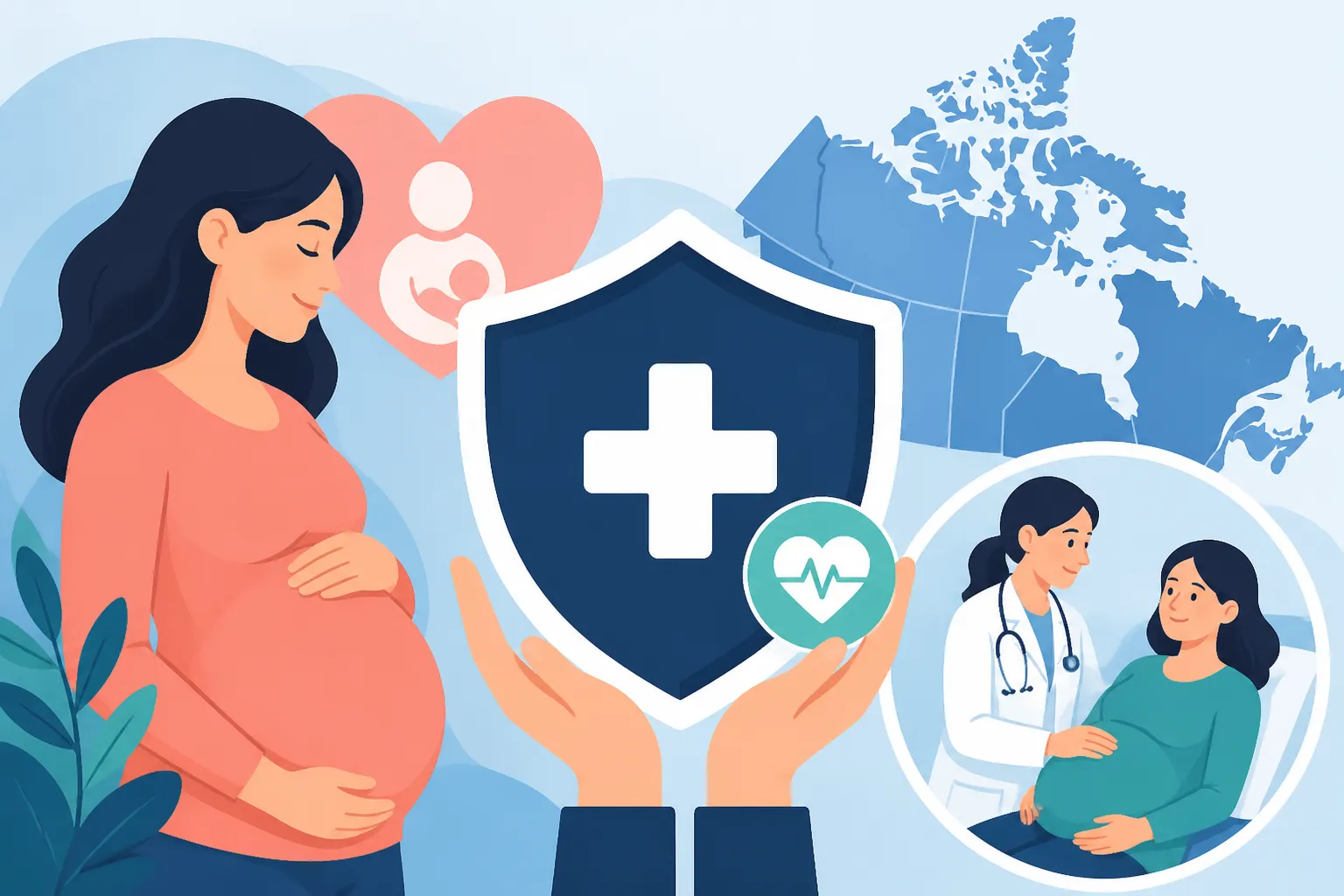
Let's start with the essential fact that brings a huge sigh of relief to many: yes, generally speaking, medically necessary maternity care is covered by Canada's provincial health plans. This means that once you're eligible for and enrolled in a provincial health plan, the significant costs associated with pregnancy, childbirth, and immediate postpartum care are typically not coming out of your pocket. This is a cornerstone of Canadian healthcare – a system designed to ensure everyone has access to necessary medical services, regardless of their financial situation.
Who is Eligible for Provincial Plans?
Ah, "eligible." There's the rub, isn't it? It's not always a straightforward "arrive and you're covered" situation. Eligibility for provincial health plans is primarily tied to your immigration status and residency.
- Permanent Residents and Citizens: If you're a Canadian citizen or a permanent resident, you are definitively eligible for provincial health coverage. This is your fundamental right and benefit within the system. You just need to apply for your provincial health card – for instance, an OHIP card in Ontario or an MSP card in British Columbia – and meet the residency requirements for your specific province.
- Work Permit Holders: Many individuals on valid work permits are also eligible for provincial health coverage, provided their permit is for a certain duration (often six months or more) and they establish residency in a province. This is where things can get a bit nuanced, as the exact rules can vary slightly between provinces. For example, if you're coming on an intra-company transfer or a specific type of work permit, you'll generally be on solid ground for applying.
- Study Permit Holders: International students often have specific requirements. In some provinces, they are eligible for the provincial plan (e.g., British Columbia, Alberta, Saskatchewan, Manitoba, New Brunswick, Newfoundland and Labrador), while in others (like Ontario or Quebec), they might need to purchase private health insurance unless their study permit meets certain criteria for provincial plan eligibility. However, for maternity care, if an international student is covered by the provincial plan, then their pregnancy and birth would be included.
- Visitors/Tourists: This is a crucial distinction. If you are in Canada solely as a visitor or tourist, you are not eligible for provincial health coverage. This is incredibly important to understand, especially if you or your partner becomes pregnant unexpectedly during a visit. In such cases, all medical costs, including maternity care, would be entirely out-of-pocket, and trust me, those bills can be astronomical. This is why having comprehensive private travel insurance is non-negotiable for visitors.
Beyond immigration status, you'll need to demonstrate that you are a genuine resident of the province you're applying in. This usually means having a physical address, setting up utilities, and showing intent to reside there. Each province has its own application process and required documents, so be sure to check the specific guidelines for your region. Learning How to Apply for Your Provincial Health Card in Canada (2027) is one of the very first things you should do.
What Exactly Does "Covered" Mean?
When we say maternity care is "covered," what does that actually encompass? For most eligible residents, provincial health plans generously cover the essential services you'll need throughout your pregnancy and delivery.
Typically, this includes:
- Doctor Visits: All your prenatal appointments with a family doctor or an obstetrician-gynecologist (OB/GYN) are covered. These regular check-ups are vital for monitoring your health and the baby's development.
- Midwife Services: If you choose a registered midwife for your care – an increasingly popular option in many parts of Canada for those seeking a more holistic and personalized birth experience – their services are fully covered by provincial plans. Midwives provide comprehensive care from early pregnancy through labor and delivery, and up to six weeks postpartum for both mother and baby.
- Hospital Stays: Your stay in a hospital for labour and delivery is covered. This includes the use of the birthing suite, standard recovery room, and basic nursing care.
- Labour and Delivery: The actual process of childbirth, whether it's a vaginal delivery or a medically necessary C-section, is covered. This also includes the services of anesthesiologists if you opt for an epidural or other pain management.
- Diagnostic Tests: A wide range of diagnostic tests deemed medically necessary are covered. This typically includes blood tests, urine tests, ultrasounds (usually one or two standard ones, more if medically indicated), and genetic screening tests.
- Postpartum Care: Initial care for both mother and baby in the hospital after birth, and follow-up appointments with your doctor or midwife for the first few weeks postpartum, are also covered. This is crucial for ensuring both of you are recovering well.
However, it's not an all-inclusive buffet. There are certain things that provincial plans often do not cover:
- Private Hospital Rooms: While a standard ward or semi-private room is usually covered, if you desire a private room during your hospital stay, you'll likely have to pay the difference out-of-pocket, or rely on supplementary private insurance if you have it.
- Elective Services/Tests: Any tests, screenings, or procedures that are not considered medically necessary by your healthcare provider may not be covered. Always clarify with your doctor and the provincial health ministry if you have concerns about coverage for specific elective services.
- Dental and Vision Care: Generally, provincial health plans do not cover routine dental care or eye exams/glasses for adults (though children's eye exams might be covered depending on the province). You'll need private supplementary insurance or pay out of pocket for these. For more on this, you can look into Understanding Supplementary Health Insurance (Dental, Vision, Drugs) in Canada.
- Prescription Medications: While some prescription drugs administered in a hospital are covered, outpatient prescription medications might not be fully covered by provincial plans, or they might require co-payments. This can be a significant cost, especially if you need medications throughout your pregnancy or postpartum. Many Canadians rely on private insurance or employer benefits for prescription drug coverage.
Understanding What Provincial Health Plans Do and Don't Cover in Canada is key to avoiding unpleasant surprises.
Navigating the Not-So-Simple Parts: Waiting Periods and Gaps
Here's where many newcomers experience a significant amount of stress and frustration. Canada's "free" healthcare comes with a catch for new residents: waiting periods. This isn't unique to maternity care but affects all medical services when you first arrive.
The Infamous Three-Month Waiting Period
Many provinces, including some of the most populous ones like Ontario, British Columbia, and Quebec, impose a waiting period before your provincial health coverage officially kicks in. For most eligible newcomers, this is typically a three-month period from the date you establish residency in the province.
Imagine this: You've just arrived in Toronto, full of hope, and you're pregnant. You apply for your OHIP card, but you're told there's a three-month wait. During these crucial 90 days, if you need any medical attention – whether it's a routine prenatal check-up, an emergency scare, or even the baby decides to make an early appearance – you are essentially uninsured by the provincial system. This means you would be personally responsible for all medical bills incurred during this time. A single emergency room visit, let alone a childbirth, could easily cost thousands, if not tens of thousands, of dollars.
This waiting period is a major pain point for countless expats. You're trying to settle into a new country, often with limited funds, and the thought of an unexpected medical bill can be terrifying. It can feel like the system is setting you up to fail, or at least to worry endlessly. You might feel like you've moved to a country known for its public healthcare, only to find yourself in a vulnerable position. This is the reality many face, and it's absolutely valid to feel anxious about it. Understanding The Newcomer Waiting Period for Provincial Health Coverage in Canada (2027) is paramount.
Bridging the Gap: Private Health Insurance
Given the very real risks associated with the waiting period, private health insurance becomes not just an option, but a critical necessity for expectant parents arriving in Canada. This is where you proactively protect yourself and your unborn child.
Many private insurance companies offer plans specifically designed for newcomers to cover this initial gap. These plans can provide coverage for doctor visits, emergency care, and crucially, maternity services during the waiting period. Think of it as your safety net during those vulnerable first few months.
For instance, companies like SafetyWing offer travel and medical insurance that can be particularly useful for those who might have a waiting period for provincial coverage or for those who are not yet eligible for it. While primarily known for digital nomads and travelers, some of their plans can offer short-term medical coverage that could include emergency maternity benefits, or at least general medical care to bridge the gap before provincial plans start. It's crucial to read the fine print of any private policy, especially regarding pre-existing conditions and specific maternity benefits, to ensure it meets your needs. Some policies might have their own waiting periods for maternity coverage, so planning ahead is key.
When looking for private health insurance, ask specific questions about:
- Maternity Coverage: Does it cover prenatal appointments, delivery costs, and postpartum care? Are there any exclusions or specific waiting periods for maternity benefits within the private plan itself?
- Emergency Care: What happens if you need to go to the emergency room during the waiting period?
- Doctor Visits: Are general practitioner visits covered?
- Hospital Stays: What level of hospital stay does it cover (ward, semi-private, private)?
- Cost: What are the premiums, deductibles, and co-payments?
Having private insurance means you can avoid facing astronomical bills if something unexpected happens. While Canada’s public system is excellent once you're in, this initial period requires careful planning. If you want to know more about this crucial topic, read How to Get Private Health Insurance to Cover the Waiting Period in Canada and How Much Does Private Health Insurance Cost in Canada in 2026?.
Understanding Your Options for Maternity Care Providers
Once you're settled and your provincial coverage is active, you'll have options for who provides your maternity care. It’s not just one path, which is a wonderful thing, but it can also be a little overwhelming to choose.
Family Doctors, OB/GYNs, and Midwives
In Canada, your primary point of contact for maternity care can be one of three types of healthcare professionals:
- Family Doctors: Many family doctors (General Practitioners or GPs) provide comprehensive prenatal care. If your family doctor offers this, they will typically manage your pregnancy until a certain point, and then either continue to deliver your baby (if they have hospital privileges and offer obstetrical care) or refer you to an OB/GYN for delivery. Some family doctors also provide postpartum care for both mother and baby. If you already have a family doctor, this can be a comfortable and familiar route. Finding How to Find and Register with a Family Doctor in Canada is an important first step.
- Obstetrician-Gynecologists (OB/GYNs): These are specialists in women's reproductive health, including pregnancy and childbirth. You typically need a referral from a family doctor or a walk-in clinic to see an OB/GYN. If you have a high-risk pregnancy, or if your family doctor doesn't offer obstetrical care, you will definitely be referred to an OB/GYN. They will manage your pregnancy and deliver your baby in a hospital setting. The wait times to see a specialist can vary, but generally, once you have a referral, your initial appointment during pregnancy will be prioritized.
- Midwives: Registered midwives offer comprehensive primary care to pregnant individuals and their babies. They follow you throughout your pregnancy, attend your labour and birth (whether at home, in a birth centre, or in a hospital), and provide care for you and your baby for the first six weeks postpartum. Midwifery care focuses on a holistic, client-centred approach, and it's fully covered by provincial health plans. However, due to high demand, securing a midwife can sometimes be challenging, especially in larger urban centres. It's advisable to seek out a midwife early in your pregnancy if this is your preferred option.
Choosing between these providers often comes down to personal preference, the nature of your pregnancy (low-risk vs. high-risk), and availability in your area. All are excellent choices and are covered by your provincial health plan.
Hospital vs. Birth Centre vs. Home Births
The location of your birth is another decision you'll make with your healthcare provider.
- Hospital Births: This is the most common option in Canada. Hospitals offer a full range of medical interventions, pain management options (like epidurals), and access to specialists should any complications arise. Your hospital stay, labour, and delivery are covered by your provincial plan, with the exception of extras like private rooms.
- Birth Centres: Available in some provinces (like Ontario, Quebec, and British Columbia), birth centres offer a more home-like, non-medicalized environment for low-risk pregnancies. They are staffed by midwives and focus on natural childbirth, but with immediate access to a hospital if transfer becomes necessary. Care in a birth centre is also covered by provincial plans.
- Home Births: For individuals with low-risk pregnancies, a home birth attended by a registered midwife is another covered option. Midwives bring necessary equipment and are trained to handle emergencies, but the birth takes place in the comfort of your own home.
Most newcomers will likely experience a hospital birth, as it's the most widely available and often the default for those new to the system. Rest assured, whichever medically appropriate option you choose, the core services are covered.
The Financial Side: What Might You Still Pay For?
Even with provincial coverage, it’s realistic to expect some out-of-pocket expenses. Canada’s system, while universal for medically necessary services, isn’t entirely without cost. It's important to be prepared.
Unexpected Costs and "Extras"
- Private Hospital Rooms: As mentioned, a private room during your hospital stay is an upgrade. Depending on the hospital and province, this could range from $100 to $400 or more per night. If you have private supplementary insurance, it might cover a portion or all of this.
- Elective Tests and Services: While standard ultrasounds and screenings are covered, if you opt for additional elective tests (e.g., specific genetic screenings not deemed medically necessary by your province, 3D/4D ultrasounds purely for keepsake purposes), these will be out of pocket. Always clarify with your provider.
- Specific Post-Natal Care: While most public health services like postpartum nurse visits are covered, if you seek private lactation consultants, certain physiotherapy for postpartum recovery, or specialized doula support, these are generally not covered by provincial plans.
- Prescription Medications: After you leave the hospital, any prescriptions for pain relief, antibiotics, or other medications may require you to pay a portion or the full cost, depending on your provincial pharmacare program and whether you have private insurance. For example, in Ontario, the Ontario Drug Benefit (ODB) program covers some medications for certain age groups or those on specific assistance programs, but for many adults, employer-sponsored private plans are key. Learning about Understanding Prescription Drug Coverage and Pharmacare in Canada can help here.
Out-of-Pocket Expenses Before Coverage Kicks In
This cannot be stressed enough: the waiting period is where the most significant financial risk lies.
If you go to a walk-in clinic, a family doctor, or – God forbid – an emergency room during the three-month waiting period without private insurance, you will be billed directly.
- Doctor's Visit: A single doctor's visit could cost anywhere from $80 to $200.
- Specialist Visit: Seeing an OB/GYN could be several hundred dollars per visit.
- Emergency Room Visit: This is where it gets really scary. An ER visit can easily be over $500, and if it involves diagnostic tests, consultations with specialists, or any procedures, it can quickly escalate into thousands. If you require Emergency Medical Care in Canada: What Every Newcomer Needs to Know before your provincial plan is active, you are on the hook.
- Childbirth Without Coverage: The cost of giving birth in Canada without any health insurance is immense. A vaginal delivery without complications can cost upwards of $5,000 to $10,000, and a C-section or a complicated birth could easily reach $15,000 to $30,000 or more.
It’s not about if you’ll get sick, it’s about if you can afford the bill if you do. This is why private coverage like SafetyWing's offerings, or similar travel/newcomer insurance, is so vital. You might feel like you're paying twice – once for the public system through taxes (eventually) and once for private insurance – but it’s a necessary buffer to prevent financial ruin.
Beyond Delivery: Post-Natal Care and Support
The journey doesn't end with childbirth. Canada's healthcare system also provides robust support for new mothers and their newborns.
Newborn Care and Provincial Health Cards
One of the great reliefs for new parents is that, generally, your newborn will receive immediate provincial health coverage. This means that any necessary medical care for your baby after birth, including their initial hospital stay, check-ups, and vaccinations, is covered.
You’ll typically need to apply for a provincial health card for your newborn shortly after their birth. The hospital or your midwife will provide you with information on how to do this. It’s usually a fairly straightforward process, requiring proof of birth and the parents' identification and residency. Adding dependents to your plan is often part of the process.
Postpartum Support for New Parents
The Canadian system recognizes the importance of support for new parents beyond the initial hospital stay.
- Public Health Nurses: In most provinces, a public health nurse will contact you after you've been discharged from the hospital. They often offer home visits or clinic appointments to check on the well-being of both mother and baby, provide feeding support (breastfeeding or formula), answer questions about newborn care, and offer resources for new parents. These services are covered by provincial plans.
- Lactation Support: Many public health units offer free or low-cost lactation consulting services to help with breastfeeding challenges. Hospitals may also have lactation consultants on staff.
- Mental Health Support: The postpartum period can be incredibly challenging, and mental health issues like postpartum depression are serious. Provincial health plans generally cover visits to your family doctor or a psychiatrist if referred, for mental health concerns. Many community organizations and public health units also offer free or subsidized support groups and counselling for new parents. Don’t hesitate to seek out How to Access Mental Health Services in Canada as a Newcomer if you're struggling; it's a covered and crucial service.
- Well-Baby Visits: Your baby will have a series of scheduled check-ups (well-baby visits) with your family doctor or pediatrician during their first year and beyond. These visits, which include routine vaccinations, are fully covered by provincial plans.
Actionable Steps for Expectant Newcomers
Navigating pregnancy and childbirth in a new country can feel like a monumental task, but with the right information and proactive steps, you can ensure a smoother experience.
Before You Arrive or As Soon As You Land
- Apply for Your Social Insurance Number (SIN): This is a foundational step for almost everything in Canada, including health benefits. Get it sorted as soon as you are eligible.
- Apply for Your Provincial Health Card Immediately: Seriously, don't delay this. The waiting period starts from when you establish residency, but your application needs to be processed. The sooner you apply, the sooner your coverage can begin after the waiting period. Look up How Do I Apply for a Health Card in Canada? for your specific province.
- Research and Purchase Private Health Insurance: If there’s any chance you’ll be in Canada during a provincial waiting period while pregnant, get private insurance. Don't skimp here. Compare providers like SafetyWing or other Canadian-focused newcomer insurance companies. Understand what their maternity coverage entails, their deductibles, and any exclusions. It’s an investment in your peace of mind and financial security.
- Start Looking for a Family Doctor or Midwife Early: This can be surprisingly difficult in some areas, as many providers have full rosters. Start your search as soon as you know you're moving or as soon as you land. Ask for recommendations, use online directories, and don't be afraid to put your name on waitlists. How to Find a Doctor Taking New Patients in Canada is an excellent resource for this.
During Your Pregnancy in Canada
- Understand Your Provincial Plan's Specifics: While there are general similarities, each province has its nuances. Familiarize yourself with what your specific provincial plan (OHIP, MSP, RAMQ, AHCIP, etc.) covers and any specific programs or benefits related to maternity and child care in that province.
- Keep All Receipts During the Waiting Period: If you do end up needing medical services during the waiting period, keep meticulous records of all appointments, tests, and bills. If you have private insurance, you'll need these for claims.
- Don't Hesitate to Ask Questions: Whether it’s your doctor, midwife, hospital administration, or your provincial health ministry, ask questions about coverage, costs, and processes. It’s better to be informed than to face surprises. The Canadian healthcare system is there to help, but you need to know how to navigate it.
- Utilize Public Health Resources: Your local public health unit is an invaluable resource for information, support, and programs for expectant and new parents. From prenatal classes to breastfeeding support, many services are free and accessible.
Comparing Coverage: Provincial Plans vs. Private Insurance (for the Waiting Period)
| Feature | Provincial Health Plan (Once Active) | Private Health Insurance (During Waiting Period) |
|---|---|---|
| Maternity Doctor Visits | Fully covered (Family doctor, OB/GYN, Midwife) | Usually covered, depending on policy (often requires emergency or medical necessity) |
| Labour & Delivery | Fully covered (Hospital stay, medical procedures) | Can be covered, but often with specific limits, deductibles, or policy waiting periods for maternity specific care. Important to check! |
| Diagnostic Tests | Medically necessary tests (ultrasounds, blood tests) fully covered | Often covered if medically necessary (e.g., emergency). Elective tests usually not. |
| Hospital Room | Standard ward or semi-private room covered | May cover semi-private or private room upgrades, depending on policy |
| Prescription Meds | Some in-hospital meds covered; outpatient coverage varies by province/plan | Varies widely by policy; often included for medically necessary prescriptions |
| Emergency Care | Fully covered | Fully covered (primary reason for having it during the waiting period) |
| Newborn Care | Immediate coverage for newborn once born (separate application needed) | Generally covers newborn if part of mother's emergency delivery and covered by policy; not ongoing infant care. |
Disclaimer
The information provided in this guide is intended for general informational purposes only and does not constitute professional medical, legal, or financial advice. Healthcare policies, eligibility criteria, and costs in Canada can change and vary significantly by province and individual circumstances. While we strive to provide accurate and up-to-date information, it is essential to consult official government sources, healthcare providers, and licensed professionals for advice tailored to your specific situation. Always verify details with the relevant provincial health authority and insurance providers.