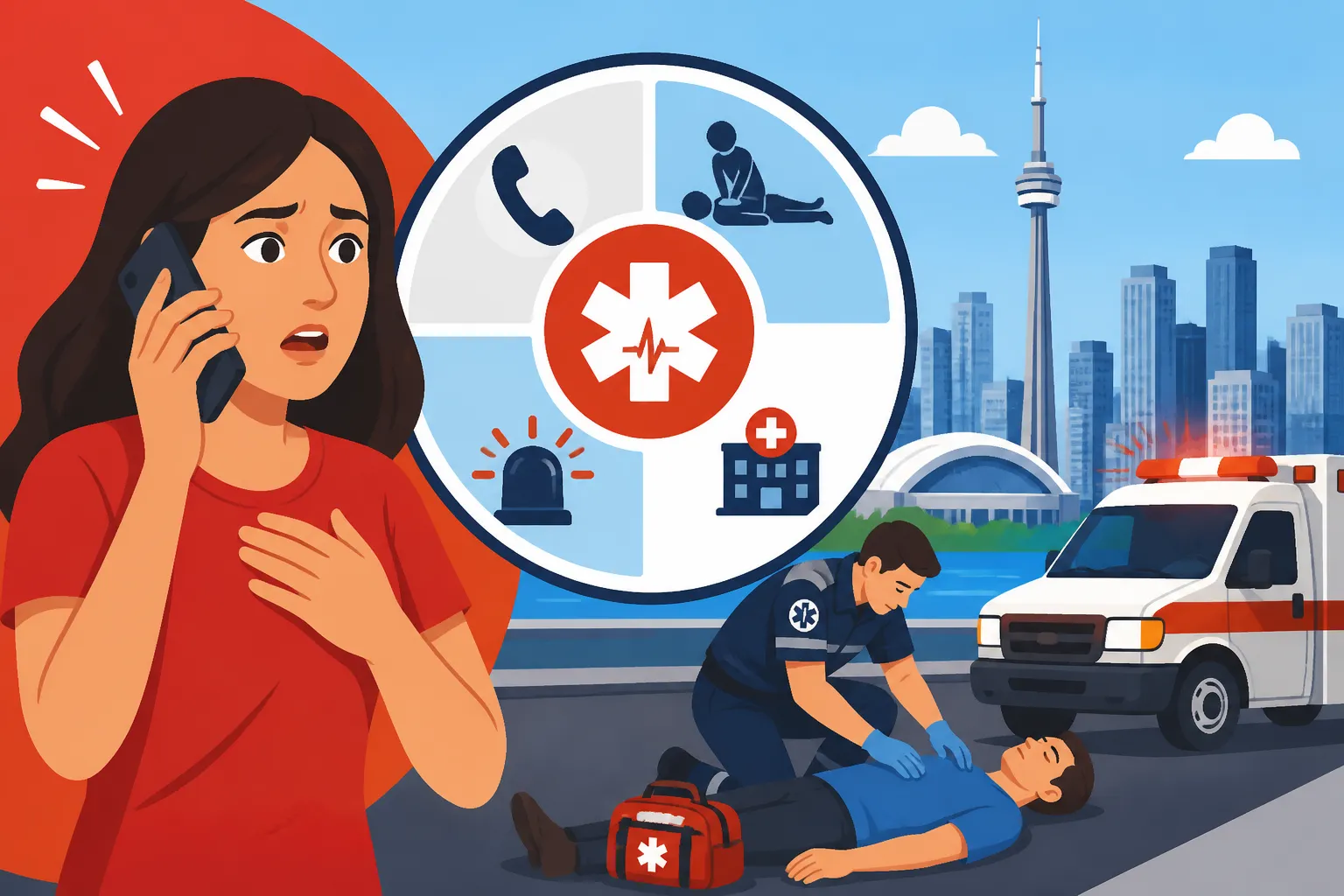
What Should I Do in a Medical Emergency in Toronto?
Facing a medical emergency in a new country like Canada, especially in a bustling city like Toronto, can feel incredibly daunting and stir up a lot of anxiety. You're likely wondering where to go, who to call, and what the financial implications might be, particularly if you're new here and still figuring out the ropes. This comprehensive guide is designed to walk you through exactly what to do when a medical emergency strikes in Toronto, ensuring you're as prepared as possible to navigate the system effectively and confidently.
Understanding Emergency Services in Toronto
When something serious happens, knowing who to call and where to go in Toronto is half the battle. It's not just about dialling 911; it's about understanding the different levels of care available and choosing the right one for your situation. Trust me, I've seen newcomers make honest mistakes that lead to unnecessary stress and bills, so let's get this clear from the get-go.
When to Call 911 vs. Urgent Care
This is perhaps the most crucial distinction you'll need to make when a health crisis hits. Canada's emergency system, like many others, is designed for life-threatening situations.
-
Calling 911: For Life-Threatening Emergencies Only.
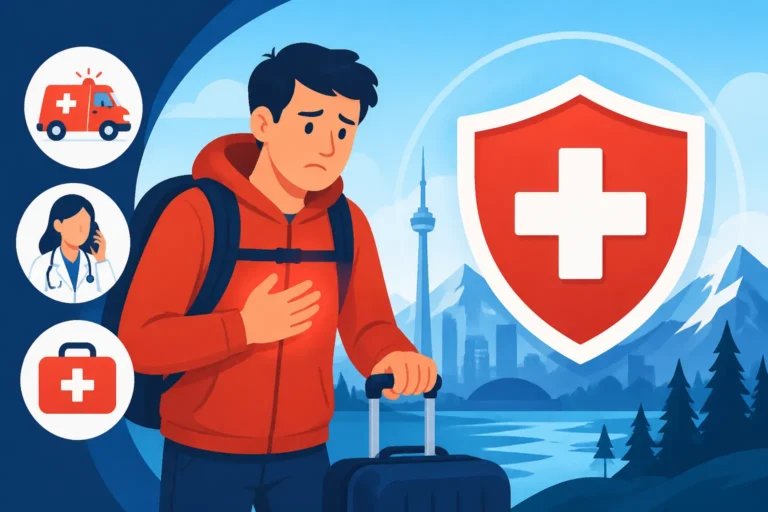
If you or someone around you is experiencing a sudden, severe, and potentially life-threatening medical issue, do not hesitate – dial 911 immediately. This number connects you to emergency services: police, fire, and ambulance. Think heart attacks, strokes, severe bleeding, major accidents, unconsciousness, difficulty breathing, or sudden, excruciating pain. For instance, if your chest suddenly tightens, your arm goes numb, and you feel dizzy, that's a 911 call. If a child stops breathing or someone has a severe allergic reaction and can't use their EpiPen, call 911. The dispatcher will ask you a series of questions to assess the situation and dispatch the appropriate help. They might even guide you through immediate first aid over the phone. Remember, calling 911 for a non-emergency takes resources away from genuine critical situations, leading to longer wait times for those who truly need it. It’s important to understand Understanding Emergency Numbers (911) and Ambulance Fees in Canada as ambulance services often come with a fee, even for those with provincial health insurance, unless deemed medically necessary and requiring transport. -
Urgent Care: For Non-Life-Threatening but Immediate Concerns.
For medical issues that require prompt attention but aren't life-threatening, an urgent care centre or a walk-in clinic is a much more appropriate choice than an emergency room. These facilities are equipped to handle things like sprains, minor fractures, deep cuts that might need stitches, severe colds or flu, urinary tract infections, or sudden fevers. Imagine you slip on ice and twist your ankle badly, or your child develops a high fever and rash on a weekend. These situations need attention, but they aren't critical enough to warrant an emergency room visit that could mean hours of waiting. Toronto has several urgent care clinics, sometimes integrated within larger medical centres, that are specifically designed for these types of situations. You'll generally find shorter wait times and focused care for your specific issue.
The Role of Hospitals and Emergency Departments
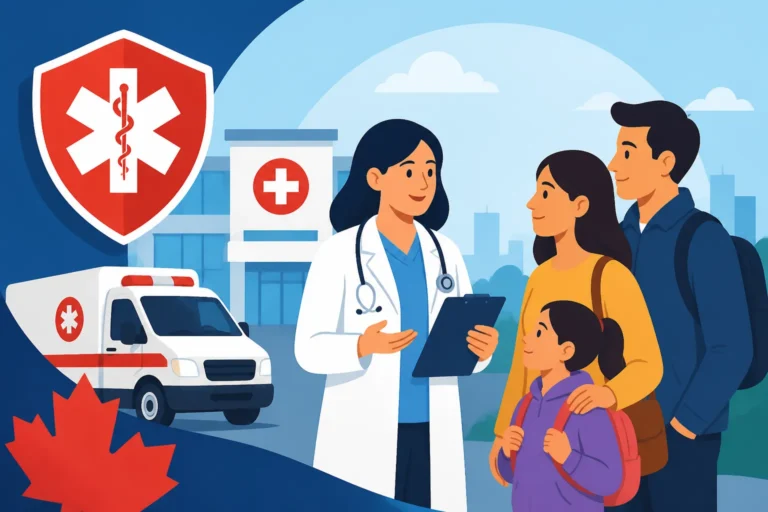
Once you've determined that your situation warrants a trip to the emergency department, either by ambulance via 911 or by private transport, understanding how these departments operate in Toronto can alleviate some stress. Toronto is home to many world-class hospitals, each with its own emergency department, serving a vast and diverse population.
For instance, downtown, you have major players like Toronto General Hospital (part of University Health Network) which is known for its advanced care, and St. Michael's Hospital, often serving critical trauma cases. Further north, you'll find Sunnybrook Health Sciences Centre, which is another leading trauma centre. Other excellent hospitals across the city include Mount Sinai Hospital, North York General Hospital, and Humber River Hospital, each serving its local community with dedicated emergency services.
When you arrive at an emergency department, either by ambulance or on your own, you won't necessarily be seen in order of arrival. Instead, you'll go through a process called triage. A nurse will assess your symptoms and vital signs to determine the severity of your condition. This system prioritizes those with the most critical needs, meaning someone who arrived after you with a more severe condition might be seen by a doctor sooner. This can be frustrating, especially when you're in pain or feeling anxious, but it's crucial for saving lives. Be prepared for potentially long wait times for less urgent conditions, sometimes several hours, particularly during peak times like evenings, weekends, or during flu season. Bringing a book, a fully charged phone, or even a friend for support can make the wait more bearable.
Navigating the Emergency Room: What to Expect
Stepping into a Canadian emergency room for the first time can feel like walking into a maze, especially if you're not used to the system. The sheer volume of people, the hushed urgency, and the unfamiliar processes can all add to the stress. But knowing what’s coming can make a huge difference in how you cope.
Registration and Triage
Your journey in the ER typically begins at the registration desk. This is where you’ll provide your personal information and details about your medical concern.
-
What to Bring: If you have it, your Ontario Health Insurance Plan (OHIP) card is the most important document. If you don't have OHIP yet (which is often the case for newcomers during their waiting period), make sure you have your private health insurance details ready. This includes your policy number, the insurance company's contact information, and any membership cards. Also, have a piece of photo identification, like your passport or driver's license. It's also incredibly helpful to have a list of any medications you’re currently taking, including dosages, and any known allergies. For a more general guide, knowing What Documents Do I Need to See a Doctor in Canada? can be very helpful for any medical appointment.
-
The Triage Process: After registration, a triage nurse will see you. This isn't a doctor's consultation, but a rapid assessment of your condition to determine how quickly you need to see a physician. They'll ask about your symptoms, measure your vital signs (blood pressure, temperature, heart rate, oxygen saturation), and assign you a triage level based on the Canadian Triage and Acuity Scale (CTAS). This scale ranges from Level 1 (Resuscitation – immediate, life-threatening) to Level 5 (Non-urgent – can wait a long time). This is why someone who arrived after you might be called in before you; their condition was triaged as more urgent. Don't be shy about clearly explaining your symptoms and how you're feeling to the triage nurse – it helps them accurately assess your needs.
Communication and Language Support
Toronto is a wonderfully multicultural city, and its hospitals reflect that diversity. However, in a stressful emergency situation, language barriers can add a layer of complexity.
-
Hospital Resources: Many hospitals in Toronto employ professional medical interpreters or have access to over-the-phone interpretation services for a wide range of languages. If English isn't your primary language and you're struggling to communicate your symptoms effectively, don't hesitate to ask for an interpreter. It's your right to understand your care and be understood. They want to help you, and clear communication is paramount for accurate diagnosis and treatment.
-
Bringing Support: If possible, it's always a good idea to bring a friend, family member, or even a kind colleague who is fluent in English to advocate for you and help interpret. They can assist in explaining your medical history and relaying information from the healthcare team. If you're alone and worried about communication, consider having a translation app on your phone ready to go, though a human interpreter is always preferred for complex medical discussions.
Understanding Costs and Billing for Emergency Care
This is often the part that sends shivers down a newcomer's spine, and rightfully so, as the costs can be substantial if you're not covered.
-
With Provincial Health Coverage (OHIP): If you are an Ontario resident with a valid OHIP card, most emergency room services, including doctor's fees, diagnostic tests (X-rays, blood work), and hospital stays, are covered. You typically won't see a bill for these core services. However, there might be charges for "preferred accommodation" (e.g., a private room if not medically necessary), or for certain supplies that aren't fully covered. It’s a common misconception that everything is free, so it’s good to be aware.
-
Without Provincial Health Coverage (Newcomers, Tourists): This is where it gets critical. If you are a newcomer still within The Newcomer Waiting Period for Provincial Health Coverage in Canada (2027) (which can be up to three months in Ontario), or if you are a tourist or temporary visitor without eligible provincial coverage, you will be responsible for the full cost of emergency care. These costs can quickly escalate into thousands, or even tens of thousands, of dollars. For example, a basic emergency room visit without provincial coverage could easily cost a few hundred dollars just for the doctor's fee, and that's before any tests, procedures, or hospital admission. An overnight stay could be well over $1,000, not including physician fees. This is why having comprehensive private health insurance is non-negotiable. Travel insurance or dedicated newcomer health insurance plans, like those offered by SafetyWing, are designed specifically to cover these unexpected medical emergencies during your uninsured period or as a visitor. They can cover everything from doctor consultations and diagnostic tests to hospital stays and even ambulance fees, providing immense peace of mind. Without it, you’ll be personally footing the bill, which can lead to significant financial hardship. To get a better grasp of the potential financial burden, it's worth checking out How Much Does an Emergency Room Visit Cost in Canada? and learning about How to Get Private Health Insurance to Cover the Waiting Period in Canada.
| Service/Category | OHIP Coverage | No OHIP (Uninsured/Newcomer) | Private Insurance (e.g., SafetyWing) |
|---|---|---|---|
| Doctor's Fees | Generally covered | Full cost (e.g., $300-$600) | Often covered |
| Hospital Stay | Generally covered | Full cost (e.g., $1,000+/day) | Often covered |
| Diagnostic Tests | Generally covered | Full cost | Often covered |
| Ambulance Services | Partial coverage; fee | Full cost (e.g., $240-$800) | Often covered |
| Medications | Limited coverage | Full cost | May be covered if part of plan |
| Private Room | Not covered | Full cost | May be covered if part of plan |
Alternatives to the Emergency Room for Non-Life-Threatening Issues
I can't stress this enough: the emergency room is for emergencies. For everything else, there are fantastic alternatives in Toronto that are often quicker, more convenient, and significantly less expensive if you're footing the bill. Misusing the ER contributes to the infamous wait times and can be a huge drain on your time and wallet.
Walk-in Clinics and Urgent Care Centres
For many common ailments and minor injuries, a walk-in clinic or an urgent care centre is your best bet. These facilities bridge the gap between your family doctor (who might not have immediate availability) and the emergency room.
-
What They Treat: Think of things like colds, flu, persistent coughs, minor infections (ear, throat, skin, urinary tract), rashes, minor cuts, sprains, minor burns, and general aches and pains. They are perfect for when you feel unwell but it’s not truly an emergency. Many also offer prescription refills, basic vaccinations, and medical notes.
-
Finding One in Toronto: Toronto has a plentiful supply of walk-in clinics. You'll often find them conveniently located within larger pharmacy chains like Shoppers Drug Mart or Rexall, or as standalone medical centres. A quick online search for "walk-in clinic Toronto" will usually bring up numerous options near you, often with their hours and services listed. Some even offer online check-in to reduce your waiting time. For example, Appletree Medical Group is a large network of walk-in clinics across Toronto that are quite popular.
-
Cost and Coverage: If you have OHIP, visits to walk-in clinics are covered. If you don't, you will be charged a fee for the visit, which is typically much less than an ER visit but still ranges from $60 to $150 or more depending on the complexity. Again, this is where your private insurance like SafetyWing comes in handy, covering these types of urgent but non-emergency visits. It's truly a lifesaver when you're caught without provincial coverage. To learn more about how these clinics fit into the broader healthcare landscape, read Understanding the Role of Walk-In Clinics in Canada.
Telehealth and Virtual Care Options
The world has become increasingly digital, and healthcare in Canada has followed suit. Telehealth and virtual care services have become incredibly popular, especially for newcomers who might not yet have a family doctor.
-
Convenience at Your Fingertips: These services allow you to consult with a doctor or nurse practitioner over the phone or via video call from the comfort of your home. They are ideal for receiving advice, getting prescriptions for common conditions, discussing symptoms, or obtaining referrals without needing to travel to a clinic.
-
Access in Ontario: Ontario has its own provincial health advice line, Health Connect Ontario, where you can speak to a registered nurse 24/7 by calling 811. For actual virtual doctor visits, platforms like Telus Health MyCare, Maple, and Rocket Doctor are popular. If you have OHIP, many virtual care platforms are covered. If you don't, some platforms offer pay-per-visit options, and this is another area where private insurance like SafetyWing can cover the costs, making it a very accessible option. For a deeper dive into these modern healthcare solutions, check out Understanding Telehealth and Virtual Care Options in Canada.
Pharmacy Services
Never underestimate the power of your local pharmacist in Canada! They are highly trained healthcare professionals and can be your first point of contact for many minor health concerns.
-
More Than Just Prescriptions: Canadian pharmacists can offer a wealth of advice on over-the-counter medications for colds, allergies, pain relief, and minor skin conditions. They can also assess minor ailments, suggest remedies, and sometimes even prescribe medications for certain common conditions like uncomplicated urinary tract infections, pink eye, or cold sores, saving you a doctor's visit. They are also your go-to for questions about prescription medications, potential side effects, and drug interactions.
-
Finding a Pharmacy: Pharmacies are ubiquitous in Toronto, with major chains like Shoppers Drug Mart, Rexall, and Guardian located on almost every major street and within many grocery stores. Most have extended hours, and some are open 24/7. Don't hesitate to pop in and speak to the pharmacist if you have a health question that isn't urgent but needs expert advice. They are incredibly knowledgeable and often a faster resource than a doctor for minor issues. Understanding their full scope of practice is part of Prescription Medications and Pharmacies in Canada: The Complete Guide.
Important Preparations for Newcomers
Coming to Canada, there’s so much on your plate – finding a place to live, a job, setting up banking, and then BAM, you or a loved one gets sick. It's easy to overlook healthcare until you need it. As someone who’s been through it, let me tell you, a little preparation goes a long way to turning a potential crisis into a manageable bump in the road.
Health Insurance is Key
I’ve said it before, and I'll say it again: get private health insurance as soon as you arrive in Canada, especially if you’re a newcomer. This isn't just friendly advice; it's a critical safety net. Ontario, like many provinces, has a waiting period of up to three months before your provincial health insurance (OHIP) kicks in. During this time, you are financially exposed to every single medical cost, including emergency services.
- Protect Yourself from Day One: Imagine needing emergency surgery or an extended hospital stay during that waiting period. Without private insurance, you could be looking at a debt of tens of thousands of dollars, a burden no one needs when starting a new life. This is why investing in private health insurance designed for newcomers or travel insurance is non-negotiable. Companies like SafetyWing offer plans specifically for digital nomads and expats, providing coverage that can protect you from the moment you land, covering everything from emergency hospital visits to urgent care and even prescription drugs in some cases. Don't just hope for the best; plan for the worst. It offers invaluable peace of mind. For a full breakdown, delve into Health Insurance in Canada: Provincial Plans and Private Coverage Explained and understand the specifics of The Newcomer Waiting Period for Provincial Health Coverage in Canada (2027).
Essential Documents to Keep Handy
In a medical emergency, the last thing you want to be doing is scrambling for documents. Organize yourself now and keep these vital pieces of information easily accessible.
- Provincial Health Card (if you have one): Your OHIP card is your key to covered services.
- Private Health Insurance Details: Your policy number, the insurance provider's contact number, and any membership cards or digital copies. Knowing who to call and what your coverage is will save precious time.
- Photo Identification: Your driver's license, passport, or provincial ID card.
- Medication List: A comprehensive list of all prescription and over-the-counter medications you are currently taking, including dosages. This is crucial for medical staff to avoid adverse drug interactions.
- Allergy Information: A clear list of any known allergies to medications, foods, or environmental factors.
- Emergency Contacts: Names and phone numbers of people who should be contacted in an emergency.
- Medical History: Briefly jot down any significant past medical conditions, surgeries, or ongoing treatments.
Consider keeping a small, waterproof pouch with these documents in your wallet or purse. There are also apps that allow you to securely store this information on your phone.
Knowing Your Local Resources
Being proactive about your health resources will make you feel more in control. Before an emergency strikes, take a few minutes to familiarize yourself with the healthcare landscape in your Toronto neighbourhood.
- Identify Your Nearest ER: Know the name and address of the closest emergency department to your home and workplace. It's often helpful to know the next closest one too, just in case.
- Find Local Walk-in Clinics: Look up a few walk-in clinics in your area and save their addresses and hours. You can even check if they offer online check-in.
- Locate a Pharmacy: Know where your nearest 24-hour pharmacy is.
- Save Important Numbers: Beyond 911, save the non-emergency lines for your local police, Health Connect Ontario (811), and your private insurance provider.
- Explore Primary Care Options: While this guide focuses on emergencies, also start the process of finding a family doctor. Having a regular physician for ongoing care can help prevent smaller issues from escalating into emergencies. Navigating the Canadian Healthcare System: A Newcomer's Roadmap (2027) offers more extensive guidance on this.
By taking these steps now, you'll be much better equipped to handle a medical emergency in Toronto, ensuring you receive the right care at the right time, and importantly, without undue financial stress.
Disclaimer
The information provided in this guide is for general informational purposes only and does not constitute medical, legal, or professional advice. While we strive to provide accurate and up-to-date information, healthcare policies, regulations, and costs can change rapidly in Canada. Always consult with a qualified healthcare professional for any medical concerns and a licensed insurance or legal professional for specific advice regarding your situation. We recommend verifying all information with official government sources and healthcare providers.