Where Can I Get an Annual Health Check in Toronto?
Alright, let's talk about getting an annual health check-up in Toronto. When you first land in a new country, especially one with a healthcare system as unique as Canada's, even something as seemingly straightforward as a routine check-up can feel like trying to solve a Rubik's Cube blindfolded. Many of us arrive expecting a familiar system, perhaps like the comprehensive "executive check-ups" common in other parts of the world, only to find that things operate a bit differently here. This guide is going to walk you through the ins and outs of getting that all-important health review in the Greater Toronto Area, helping you understand your options, whether you're new to Canada, still in a waiting period, or just visiting.
The Canadian Approach to Annual Health Checks in Toronto
Let's clear something up right from the start: the concept of an "annual physical" or a comprehensive "executive health check" in Canada, particularly within the public healthcare system, might not be what you're accustomed to. This can be a huge point of frustration for newcomers, so let's unpack it.
What "Annual Health Check" Really Means Here
In many countries, it's common to book a yearly appointment with your doctor for a full-body once-over, including a battery of tests, regardless of symptoms. You might have walked in feeling perfectly fine and walked out with a stack of lab results covering everything from your liver function to your cholesterol, just because it was "time." Here in Canada, the public healthcare system, which is largely focused on needs-based care and preventative medicine, tends to be more targeted.
When you manage to find a family doctor (and we’ll get to that monumental task later!), your "annual health check" is often more of a preventative discussion and screening appointment. It typically includes an updated medical history, vital signs (blood pressure, weight, height), and a physical exam that focuses on areas relevant to your age, gender, and risk factors. For example, if you're a woman of a certain age, your doctor will discuss cervical cancer screening (Pap test) and mammograms. For men, prostate cancer screening might be a topic. Blood tests are usually ordered if there's a clinical indication – meaning, if your doctor has a specific reason to check something based on your health history, symptoms, or age-based screening guidelines, not just as a blanket routine. So, while it's still about staying healthy and catching potential issues early, it’s less about a generic, exhaustive sweep and more about evidence-based, personalized preventative care. This can feel minimalistic if you’re used to more extensive yearly screens, but it's how the system generally operates to manage resources and focus on effective prevention.
The Importance for Newcomers and Tourists
For newcomers, getting connected with a healthcare provider and establishing some form of ongoing care is absolutely paramount. It’s not just about addressing immediate health concerns, but about integrating into the Canadian system, building a medical history here, and understanding what resources are available to you. Even if it's not the "full service" annual check-up you might expect, having a doctor who knows you, even minimally, can make all the difference when a more serious issue arises. This initial contact is also crucial for ensuring you're up-to-date on vaccinations, understanding local health guidelines, and getting referrals should you need specialist care down the line. It's truly your first step in Navigating the Canadian Healthcare System: A Newcomer's Roadmap (2027).
For tourists or those on temporary visas, the situation is a bit different. While a routine "annual" check-up might not be your top priority, understanding how to access non-emergency medical care is still vital. If you’re not covered by a provincial health plan like OHIP (which we'll discuss soon), you’ll be paying out of pocket for any doctor's visit, including a preventative check. This is where private travel insurance comes into play. Many international visitors and even newcomers during their waiting period rely on robust travel insurance, like SafetyWing, to cover unexpected medical needs. While SafetyWing's primary focus is on emergency and unexpected medical situations, knowing you have some form of coverage can give you peace of mind, even if it’s just for peace of mind, or for non-urgent care if you need it during your stay. Getting a basic check for any pressing concerns is a good idea, especially if you have a pre-existing condition, but be prepared for the costs if you don't have Canadian provincial coverage.
Navigating the Public System for Your Health Check in Toronto
Okay, let's dive into the public side of things. This is where most permanent residents and eligible temporary residents will aim to get their annual health checks, but it's also where you'll encounter some of the biggest hurdles.
The Holy Grail: Finding a Family Doctor in Toronto
Oh, the quest for a family doctor in Toronto! This, my friends, is where many newcomers feel the real bite of the Canadian healthcare system's challenges. It's not uncommon to hear stories of people waiting months, even years, to find a family physician who is accepting new patients. It's frustrating, I know, and it feels counter-intuitive in a country with universal healthcare. The reality is that there's a significant shortage of family doctors, particularly in bustling urban centres like Toronto, leading to long waitlists and limited availability.
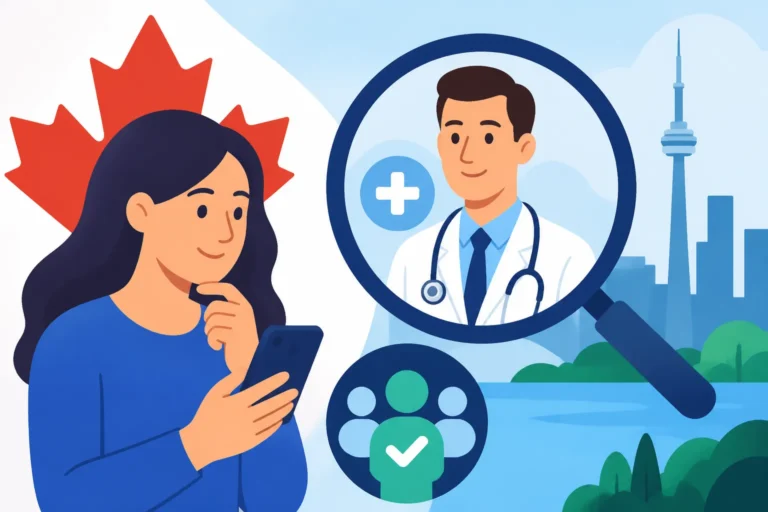
So, how do you even begin this quest? One of the official avenues is Health Care Connect. This is a program run by the Ontario government designed to help people without a family doctor find one. You register, they assess your needs, and then they connect you with doctors or nurse practitioners who are accepting new patients in your area. While it’s a legitimate service, it can still take time, and you might not get connected immediately. Another strategy is to literally ask everyone you know – friends, colleagues, neighbours. Word-of-mouth can sometimes be surprisingly effective. Check local community health centres; these often have doctors and can sometimes take on new patients, especially those with specific needs. You might also want to search online directories or simply call clinics in your desired neighbourhood directly to inquire about their patient intake status. Be persistent, but also be prepared for a long haul. For more detailed tips, check out our guide on How to Find and Register with a Family Doctor in Canada and specifically for the city, How Do I Find a Family Doctor Taking Patients in Toronto?.
Walk-In Clinics: A Temporary Solution, But Not Ideal for Continuity
While you're on your epic quest for a family doctor, walk-in clinics will likely become your go-to for immediate, non-emergency medical needs. They are incredibly useful for things like sudden colds, minor infections, prescription refills, or even getting a basic doctor's note. The biggest pro is accessibility: you can often see a doctor the same day, without an appointment, which is a huge relief when you're feeling unwell. You simply walk in, register, and wait your turn.
However, for a true "annual health check-up," walk-in clinics are far from ideal. The doctors you see are unlikely to be the same person each time, meaning there's no continuity of care. They won't have your full medical history at their fingertips (unless you meticulously bring it yourself), and their focus is generally on addressing the acute issue you presented with, not on comprehensive preventative care. They might perform a basic physical or order some standard blood tests if you specifically request them and they deem it necessary, but it won’t be the holistic review you'd get from a dedicated family doctor who knows your history and context. Think of them as a useful band-aid, not a long-term solution for managing your health. For more on how these operate, you can look into Understanding the Role of Walk-In Clinics in Canada.
Provincial Coverage (OHIP) and Waiting Periods
Once you successfully apply for your provincial health card, the Ontario Health Insurance Plan (OHIP) is what covers your annual health check-up with a family doctor, assuming you have one. This includes the consultation, physical examination, and any medically necessary diagnostic tests (like blood work or imaging) that your doctor orders. It's part of the public healthcare system, which means it's "free" at the point of service, paid for through taxes. So, once you're fully covered by OHIP, you generally won't pay out-of-pocket for these services. This is a crucial distinction and a huge relief for many.
However, and this is a big "however" for newcomers, there's often a waiting period before your provincial health coverage kicks in. In Ontario, for most new residents, this waiting period is up to three months from the date you establish residency. During this time, you are not covered by OHIP. This means that if you need any medical services, including a non-urgent annual check-up or even emergency care, you will be responsible for the full cost yourself. This is where many newcomers face financial vulnerability. It’s absolutely critical to understand The Newcomer Waiting Period for Provincial Health Coverage in Canada (2027) and plan accordingly. Make sure you apply for your OHIP card as soon as you're eligible; our guide on How to Apply for Your Provincial Health Card in Canada (2027) can help. And while you're in this waiting period, having private health insurance is not just a good idea, it's essential for peace of mind and financial protection.
Exploring Private Health Check Options in Toronto
So, what if you're in that waiting period, or you just can't seem to find a family doctor, or perhaps you simply prefer a more comprehensive, streamlined experience for your annual health check? Toronto, like other major Canadian cities, offers private options.
When Public Isn't an Option: The Private Route
For many newcomers, especially during the often-dreaded three-month waiting period for provincial health coverage, or for those who simply prioritize speed and convenience over waiting for a public system doctor, private clinics become a viable, albeit costly, alternative. These clinics operate outside the provincial health plan and offer a range of services from basic medical consultations to highly comprehensive "executive" health assessments. They often boast shorter wait times, state-of-the-art facilities, and a more personalized, unhurried experience.
The key thing to remember is that these services are not covered by OHIP. You'll be paying out-of-pocket for everything unless you have private health insurance that specifically covers preventative care or "annual physicals." This can be a significant expense, but for some, the benefits of peace of mind, thoroughness, and immediate access outweigh the cost. This is a prime example of the differences between Public vs Private Healthcare in Canada: What Newcomers Need to Know.
Understanding the Costs and What's Included
The cost of a private annual health check in Toronto can vary dramatically depending on the clinic and the level of service you choose. A basic private doctor's visit, without any provincial coverage, might run you anywhere from $80 to $200. However, a comprehensive annual health assessment at a dedicated private health clinic, often marketed towards professionals or those seeking a more in-depth review, can easily cost anywhere from $500 to several thousand dollars.
These premium packages often include a very detailed physical examination, an extensive range of blood tests (far more than would typically be ordered by a public system doctor without specific indications), perhaps cardiac assessments (like an ECG or even a stress test), body composition analysis, dietary consultations, vision and hearing screenings, and even advanced imaging in some cases. Clinics like Medcan or Cleveland Clinic Canada, for instance, are well-known in Toronto for offering these types of executive health programs. Before committing, always get a detailed breakdown of what's included in the package and what the total cost will be. Don't be shy about asking questions and comparing services across different providers. Knowing How Much Does a Doctor Visit Cost in Canada Without Coverage? can help you budget for these out-of-pocket expenses.
The Role of Private Health Insurance
For many newcomers, especially those facing the OHIP waiting period, private health insurance is not just a luxury but a necessity. While many private plans, particularly travel insurance options like SafetyWing, are designed primarily to cover emergency medical situations, some comprehensive private plans might also offer coverage for preventative care or a portion of your annual check-up costs.
If you’re fortunate enough to have employer-provided health benefits in Canada, check your policy carefully. Many Canadian employer plans offer a "health spending account" or "wellness allowance" that can be used for things like dental, vision, prescription drugs, and sometimes even a portion of a private annual physical. If you're self-employed or your employer doesn't offer extensive benefits, you might consider purchasing individual private health insurance. When looking into these plans, pay close attention to the details. Do they cover routine physicals? What are the deductibles and co-pays? How much of the cost will they actually reimburse? It’s an investment, but it can provide immense peace of mind. For those without provincial coverage, looking into options like SafetyWing can be a smart move, as they are designed for digital nomads and long-term travellers, offering some coverage during that initial, vulnerable period. Our article on How to Get Private Health Insurance to Cover the Waiting Period in Canada goes into more detail.
| Feature | Public System (OHIP) | Private Clinics |
|---|---|---|
| Cost to Patient | Generally $0 (tax-funded) | Full cost, often hundreds to thousands of dollars |
| Coverage Basis | Medically necessary preventative care | Extensive packages, including non-medically necessary services |
| Access | Requires a family doctor; long waits for new patients | Faster appointments, no prior physician required |
| Continuity of Care | Excellent, if with a family doctor | Variable; usually a one-off assessment |
| Scope of Services | Targeted; based on age/risk/symptoms | Comprehensive; often includes more tests and consultations |
| Best For | Long-term residents with a family doctor | Newcomers in waiting period, those preferring extensive care, or those without a family doctor |
| Insurance Impact | Covered by OHIP | Covered by some private health insurance (employer or purchased), but not all |
Practical Steps and Realistic Expectations for Your Check-Up
Regardless of whether you go the public or private route, being prepared and having realistic expectations will make the process much smoother.
Preparing for Your Appointment
Preparation is key, especially in a new healthcare system. First, if you have a family doctor through OHIP, make sure your provincial health card is valid and readily available. If you're going the private route, be prepared with your payment method and, if applicable, your private health insurance details (e.g., SafetyWing policy number if you’re still in your waiting period and they offer relevant coverage).
Gather any relevant medical history you have from your home country. This includes a list of any current medications you're taking (prescription and over-the-counter), any known allergies, a summary of past surgeries or serious illnesses, and family medical history (e.g., if there's a history of heart disease or cancer in your family). While Canadian doctors might not be able to immediately access your foreign medical records, providing a concise summary can be incredibly helpful. Also, write down any specific health concerns or questions you have. This will ensure you don't forget anything important during your consultation, especially since appointments can sometimes feel a bit rushed.
What to Expect During the Check-Up
When you finally get to your appointment, whether it's with an OHIP-covered family doctor or at a private clinic, here’s a general idea of what to expect for an annual health check. The doctor will likely start by reviewing your medical history and discussing your lifestyle (diet, exercise, smoking, alcohol use). They'll take your vital signs, which usually include blood pressure, heart rate, temperature, and weight.
A physical examination will follow. This typically involves listening to your heart and lungs, checking your abdomen, and sometimes examining your skin and lymph nodes. Depending on your age and gender, specific screenings will be discussed. For example, women might have a breast exam, and men might have a testicular exam. Your doctor will also discuss age-appropriate cancer screenings, such as colon cancer screening guidelines. Blood tests will be ordered if they are clinically indicated, meaning your doctor sees a specific reason based on your risk factors or current health status. Don't be surprised if they don't order every test under the sun; the Canadian approach is more targeted.
If you have specific concerns that require further investigation, your doctor will discuss additional tests or may provide a referral to a specialist. This is where the intricacies of How Specialist Referrals Work in the Canadian Health System come into play.
Follow-Up and Ongoing Care
After your annual health check, if any tests were ordered, ensure you understand how and when you'll receive the results. Some clinics might call you, others might have an online patient portal, and some might require you to book a follow-up appointment. It's crucial to follow up on any abnormal results and adhere to any recommendations made by your doctor.
This is where having a consistent family doctor really shines. They maintain a comprehensive record of your health, making it easier to track changes over time, manage chronic conditions, and ensure continuity of care. If you're relying on walk-in clinics for various issues, it's a lot harder to maintain this kind of cohesive health management, as each doctor you see will be starting almost from scratch. The annual check-up isn't just a one-off event; it's a component of your overall health management strategy. It's about establishing a relationship with a healthcare provider who can guide you through your health journey in Canada.
Disclaimer
This article is for general informational purposes only and does not constitute professional advice. Laws, prices and regulations vary by location and change over time. Consult a qualified professional for guidance on your specific situation.