Where Can I Find a Family Doctor Taking Patients in Toronto?
When you first arrive in Canada, especially in a bustling metropolis like Toronto, the idea of universal healthcare is often a comforting thought. You envision seamless access to medical care, including finding a family doctor. The reality, however, often hits new arrivals like a cold Canadian winter blast: finding a family doctor taking new patients in Toronto is a significant challenge, often feeling like an impossible quest. This guide will walk you through the realistic landscape of primary care in Toronto and equip you with practical strategies to navigate this often frustrating journey.
The Stark Reality: Why Finding a Family Doctor in Toronto is So Challenging
It's not your imagination, and it's certainly not because you're doing something wrong. The struggle to find a family doctor in Toronto is a very real and widely acknowledged issue that affects not only newcomers but long-time residents as well. This isn't unique to Toronto, but the city's size and constant influx of people intensify the problem. When I first moved here, I spent weeks calling every clinic I could find, only to be met with the same disheartening message: "We're not accepting new patients." It can feel incredibly isolating when you're in a new country and don't even have a consistent point of contact for your health.
The Pervasive Doctor Shortage in Ontario
The core of the problem lies in a widespread shortage of family physicians across Ontario, and indeed much of Canada. While Canada boasts a publicly funded healthcare system, the supply of doctors, particularly those in family medicine, simply hasn't kept pace with population growth and the increasing healthcare needs of an aging populace. Many family doctors are nearing retirement, and new graduates are often opting for more specialized fields or choosing to work in environments that may not include taking on a large roster of patients. This imbalance means that existing family physicians are often stretched thin, managing patient lists that are already at capacity. They simply cannot take on more. This leads to a bottleneck where even routine care becomes difficult to access, pushing more people towards walk-in clinics or, regrettably, emergency rooms for non-urgent issues, further straining the system.
Imagine trying to register with a new doctor, only to be told they haven't accepted new patients in years. It’s a disheartening cycle. This isn't about lack of funding in the same way some other countries experience; it's a critical shortage of practitioners, exacerbated by the complex administrative burdens and remuneration models within the healthcare system that sometimes make family medicine less appealing to new doctors compared to other specialties.
Toronto-Specific Hurdles and High Demand
Toronto, being Canada's largest city and a magnet for immigrants and internal migrants alike, experiences this doctor shortage more acutely than many other regions. Every year, thousands of new residents settle in the Greater Toronto Area (GTA), all needing access to primary care. This immense demand means that the competition for an open spot on a family doctor's roster is incredibly fierce. Neighbourhoods across the city, from downtown core areas like the Financial District and Entertainment District to sprawling residential zones like Scarborough or Etobicoke, are all affected, though some areas might have slightly more or fewer options.
Many newcomers have moved to specific Toronto neighbourhoods, hoping to find a local doctor, only to realize the clinics closest to them had closed their patient lists indefinitely. This hyper-localized demand can create pockets where finding a doctor feels impossible. Furthermore, if you have specific needs, such as a desire for a doctor who speaks a particular language, understands certain cultural contexts, or specializes in a niche area (e.g., LGBTQ+ health, women's health), your search becomes even more narrowed and challenging. It’s an uphill battle, but one that many of us have faced and eventually overcome with persistence.
Navigating Your Options: Where to Actually Look for a Family Doctor
So, you're faced with this reality. What do you actually do? While it may seem daunting, there are several avenues you need to explore concurrently. Don't put all your eggs in one basket; this is a multi-pronged approach that requires patience and a proactive mindset.
Official Provincial Programs: Health Care Connect
Your absolute first step, if you're an Ontario resident seeking a family doctor, should be registering with Health Care Connect. This is the official program set up by the provincial government specifically to link individuals with a family doctor or nurse practitioner who is accepting new patients. You can register online or over the phone. Once registered, you'll be assigned a "care connector," usually a registered nurse, who will review your needs and try to find a suitable practitioner in your area.
In theory, this sounds perfect. In practice, the wait times can be substantial. For many in Toronto, it can take several months, or even over a year, to hear back with a potential match. And sometimes, the match isn't in a convenient location or doesn't perfectly align with your needs. However, it's crucial to register because it places you on an official waiting list, and you never know when an opportunity might arise. Consider it one vital spoke in your wheel of strategies, but don't rely on it as your sole solution. It’s akin to putting your name down for a popular restaurant; you might get a table, but you'll need to find a snack elsewhere while you wait.
Online Directories and Search Tools
While Health Care Connect is the official pathway, many newcomers find success through diligent, old-fashioned legwork, combined with modern online tools. There are several websites and directories that list doctors and clinics in Toronto.
- The College of Physicians and Surgeons of Ontario (CPSO) Doctor Search: While primarily a regulatory body to ensure doctors are licensed, their public register often indicates if a doctor is accepting new patients. It's a reliable source for current contact information.
- RateMDs, Doctor.ca, and Healthgrades: These websites allow you to search for doctors by specialty, location, and even patient reviews. While the "accepting new patients" status isn't always updated immediately, they can give you a starting point. Patient reviews can offer insights into a doctor's bedside manner, wait times, and clinic environment, which can be helpful once you find a potential lead.
- Local Hospital Websites: Many hospitals in Toronto, such as Toronto Western Hospital or Sunnybrook Health Sciences Centre, have affiliated family health teams or clinics. Check their websites directly; sometimes they have a section on finding a physician, or you can call their general inquiry lines for advice.
The strategy here is to compile a list of clinics and doctors in your desired area and start making calls. Be prepared for many rejections, but remember, you only need one "yes." I suggest creating a simple spreadsheet to track your calls: clinic name, phone number, date called, person spoken to, and outcome. This will save you from repeatedly calling the same places.
Community Health Centres CHCs
Community Health Centres (CHCs) are an absolute gem in the Canadian healthcare landscape, especially for vulnerable populations and newcomers. These non-profit organizations offer comprehensive primary healthcare services, often including doctors, nurse practitioners, social workers, dietitians, and mental health counsellors, all under one roof. They are known for their holistic approach, focusing not just on medical care but also on the social determinants of health.
Many CHCs in Toronto specifically cater to immigrant and refugee communities, offering services in multiple languages and understanding the unique challenges newcomers face. Examples include Access Alliance Multicultural Health and Community Services or the Regent Park Community Health Centre. The catch is that CHCs often have their own waiting lists, and they may have specific eligibility criteria based on geography, income, or specific health needs. However, if you meet their criteria, a CHC can provide truly excellent and integrated care. It's worth researching if there's a CHC in your neighbourhood and if you qualify for their services. They often provide services beyond just medical care, like health promotion and community programs, which can be incredibly beneficial for settling in.
Leveraging Your Network and Local Communities
Never underestimate the power of word-of-mouth. Talk to everyone you meet: new colleagues, neighbours, friends you make through expat groups, community centres, or even language classes. Often, someone knows someone whose doctor is retiring, or a new clinic has opened up and is quietly accepting patients for a short window. Expats in particular are usually eager to share their experiences and tips, having been through the same struggles themselves.
Online communities can also be surprisingly helpful. Search for "expats in Toronto" or "newcomers Canada" groups on Facebook, Reddit (r/Toronto, r/askTO), or other social media platforms. People often post about new doctors accepting patients or share strategies that worked for them. Just be mindful that information found online should always be verified, but it can certainly give you leads you wouldn't find through official channels. Remember, personal anecdotes can guide you, but always call the clinic yourself to confirm.
Tools and Resources to Aid Your Search
Beyond knowing where to look, having the right tools and mindset will significantly aid your quest for a family doctor in Toronto. Preparation and persistence are truly your best allies.
Preparing Your Documentation
Before you start reaching out to clinics, make sure you have all your essential documents in order. This demonstrates that you are ready and organized, which can sometimes make a difference when clinics are inundated with inquiries.
- Your Provincial Health Card (OHIP): In Ontario, this is your key to publicly funded healthcare. Most clinics will require you to have this to register as a patient. If you're a newcomer, be aware that there might be a waiting period (often up to three months) before your OHIP coverage begins. Understanding the three-month waiting period for health coverage in Canada is critical.
- Immigration Documents: Have your Permanent Resident card, work permit, or study permit readily available. Clinics might ask for proof of your immigration status.
- Previous Medical Records: If you brought medical records from your home country, have them translated into English (if necessary) and organized. While clinics might not review them in detail immediately, having them available shows you're proactive about your health history.
- List of Current Medications and Health Concerns: Be ready to clearly articulate your current health needs and any medications you are taking. This helps the clinic determine if they can adequately serve you.
Having these documents ready will allow you to act quickly if a clinic indicates they are accepting new patients, streamlining the registration process.
Using Dedicated Doctor Finder Websites
While mentioned briefly before, let's dive a little deeper into dedicated online platforms designed to connect patients with doctors. These aren't just directories; some offer more interactive features.
- Medimap: Primarily known for showing real-time wait times for walk-in clinics, Medimap also has a feature where you can sometimes find family doctors accepting new patients. It’s worth checking regularly as clinic availability can change quickly.
- DoctorCare: This platform often works with clinics to help them manage their patient rosters and sometimes advertises when their partner clinics are opening up spots for new patients. It's less of a general search engine and more about specific, advertised openings.
These websites augment your manual searching and are often more current than static lists. However, always confirm information directly with the clinic. I recall finding a promising lead on one of these sites, only to call and learn they had filled their spots the day before. It happens, so maintain that spreadsheet!
Patience and Persistence: The Newcomer's Mantra
Let's be real: finding a family doctor in Toronto can be a long, drawn-out process. It requires immense patience and an almost stubborn level of persistence. You will likely face numerous rejections and dead ends. It's easy to get discouraged, to feel like giving up, or to wonder if you'll ever find someone. Many expats I know have felt this way, including myself.
My advice is to set aside dedicated time each week for this search. Make a block of calls, send emails, or visit clinics in person. Don't call the same clinic every day, but do revisit your list every few weeks or months, as situations can change. Clinics sometimes open their lists for short periods due to a new doctor joining or another doctor leaving, creating openings. Remember, this isn't a reflection of you or your eligibility; it's a systemic challenge. Keep at it, and eventually, your persistence will pay off. Keep your spirits up, connect with others facing similar challenges, and share tips. That camaraderie can make a big difference.
What to Do While You're Still Searching (Crucial Interim Solutions)
While you’re actively searching for a family doctor in Toronto, you still need to address your healthcare needs. Fortunately, Canada has several interim solutions that can bridge the gap until you find a permanent primary care provider. Understanding these options is crucial for navigating the Canadian healthcare system.
Relying on Walk-In Clinics for Immediate Needs
Walk-in clinics will likely become your primary source of care for non-emergency medical issues while you search for a family doctor. These clinics operate on a first-come, first-served basis and are excellent for acute but not life-threatening conditions. Think colds, flu, minor infections, rashes, prescription refills, or even basic check-ups. They are generally covered by your provincial health insurance (OHIP in Ontario) once your waiting period is over. If you're still in that waiting period, you'll need to pay out-of-pocket or rely on private health insurance.
The main drawback of walk-in clinics is the lack of continuity of care. You’ll see whichever doctor is on duty, meaning they won't have your long-term medical history. This can be challenging for managing chronic conditions. Expect wait times, especially during busy hours or flu season. Many walk-in clinics, often located in pharmacies like Shoppers Drug Mart or within large grocery stores like Loblaws, now offer online check-in services, allowing you to secure a spot in the queue remotely and reduce your physical waiting time in the clinic. It's a system many Canadians, and certainly expats, have become very familiar with. If you want to dive deeper into how these operate, you can check out our guide on Understanding the Role of Walk-In Clinics in Canada.
Exploring Virtual Care and Telehealth Options
Another fantastic interim solution, particularly for quick consultations or prescription refills, is virtual care or telehealth services. Platforms like Telus Health MyCare, Rocket Doctor, and Maple allow you to connect with a doctor or nurse practitioner via video call or phone from the comfort of your home. These services have really taken off, especially since the pandemic, and many are now covered by OHIP for Ontario residents.
Virtual care is incredibly convenient for diagnosing common ailments, getting medical advice, receiving new prescriptions, or renewing existing ones, and even obtaining doctor's notes for work or school. It’s not suitable for physical examinations or complex diagnostic procedures, but for countless everyday health concerns, it's a game-changer. I personally use a virtual care platform for most minor issues, saving myself a trip to a crowded walk-in clinic. It’s an efficient way to get professional medical input without the commute or long waits. If you're keen to learn more about this growing trend, our post on Understanding Telehealth and Virtual Care Options in Canada offers a detailed look.
Urgent Care Centres vs. Emergency Rooms
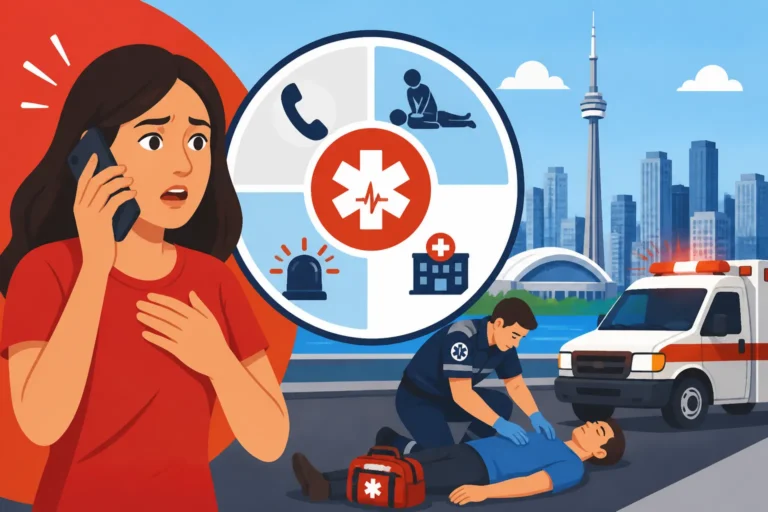
It's absolutely critical to understand the difference between Urgent Care Centres and hospital Emergency Rooms (ERs). Misusing ERs for non-emergencies is a major problem in Canada and contributes significantly to their notoriously long wait times.
- Urgent Care Centres: These are for serious but non-life-threatening conditions that require prompt attention. Examples include severe sprains, minor fractures, deep cuts needing stitches, mild asthma attacks, moderate infections, or persistent fevers. They are equipped to handle more than a walk-in clinic but are not designed for critical, life-threatening events. They typically have shorter wait times than ERs. In Toronto, facilities like the Toronto Western Hospital's Urgent Care Centre or St. Joseph's Health Centre's Urgent Care are good examples.
- Emergency Rooms (ERs): These are strictly for life-threatening emergencies. Think severe chest pain, symptoms of a stroke, major trauma, uncontrollable bleeding, sudden loss of consciousness, or severe difficulty breathing. If you arrive at an ER with a non-emergency, you will be triaged and likely face extremely long waits, as truly critical cases are always prioritized.
Knowing where to go can save you hours of waiting and ensure you get the right care at the right time. For a deeper understanding of critical situations, our guide on Emergency Medical Care in Canada: What Every Newcomer Needs to Know is invaluable.
Private Health Insurance for Peace of Mind
For many newcomers, the most terrifying aspect of finding a doctor isn't just the search, but the gap in coverage that exists when they first arrive. As mentioned, Ontario has a waiting period, typically three months, before your provincial health insurance (OHIP) kicks in. During this time, you are largely responsible for your own medical costs unless it’s a true emergency where life or limb is at risk, and even then, billing can be a headache.
This is where private health insurance becomes not just an option, but a vital safety net. Companies like SafetyWing offer travel medical insurance specifically designed for digital nomads and expats, providing comprehensive coverage for unexpected illnesses or accidents during these vulnerable periods. Imagine having an accident or suddenly falling ill during your first few weeks in Canada – the medical bills could be astronomical without private insurance. SafetyWing, for example, is tailored to cover you while you're navigating new countries, bridging that crucial gap until your provincial coverage begins. It’s about more than just medical emergencies; it’s about peace of mind.
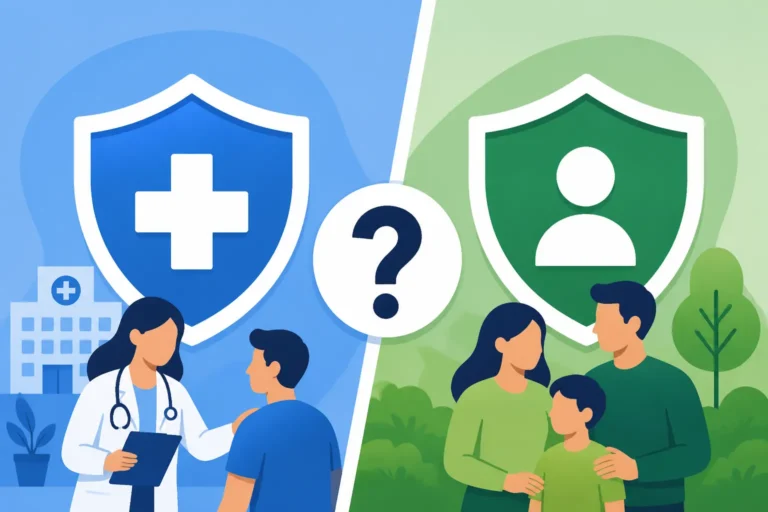
Even after your OHIP coverage begins, private health insurance can play a significant supplementary role. Provincial plans don't cover everything. Often, dental care, vision care, prescription medications, physiotherapy, and many specialist services are not fully covered. Private plans, often offered through employers or purchased individually, can fill these gaps. Understanding How to Get Private Health Insurance to Cover the Waiting Period in Canada is a must for any newcomer. It's an investment in your health and financial security as you settle into your new life in Canada. Our article on How Much Does Private Health Insurance Cost in Canada in 2026? might also give you a better idea of the costs involved.
Here's a quick comparison of the various methods for finding a doctor and accessing care:
| Search Method / Care Option | Pros | Cons | Best For |
|---|---|---|---|
| Health Care Connect | Official provincial program, systematic approach, assigns a "care connector." | Potentially very long wait times (months to over a year) in Toronto, less proactive, often limited choices. | Your first official step to get on a waiting list for a GP. |
| Online Directories (CPSO, RateMDs) | Provides direct contact info for clinics, some indicate "accepting new patients." | Information can be outdated, requires many phone calls and follow-ups, can be frustrating. | Proactive, manual searching for potential GP leads. |
| Community Health Centres (CHCs) | Holistic care, often culturally sensitive, multidisciplinary team, can be free/low-cost. | Specific eligibility criteria (geographic, income, etc.), often have their own waiting lists. | Newcomers, specific communities, those seeking integrated care. |
| Word-of-Mouth / Networking | Personal recommendations, can uncover "hidden" openings, support from fellow expats. | Unreliable, depends on your network size and luck, information needs verification. | Tapping into local expat and community networks for leads. |
| Walk-In Clinics | Immediate access for non-emergencies, covered by OHIP, no appointment needed. | No continuity of care, long wait times, not for chronic conditions. | Acute, minor health issues while searching for a GP. |
| Virtual Care (Telus Health, Maple) | Immediate access to doctors/NPs from home, convenient, covered by OHIP for many services. | Not suitable for physical exams or complex diagnostics, no continuity of care for ongoing health management. | Quick consultations, prescription refills, minor ailments. |
| Urgent Care Centres | Faster than ER for serious non-life-threatening issues, well-equipped. | Not for life-threatening emergencies, limited in number, still may have waits. | Serious injuries or illnesses that are not life-threatening. |
| Private Health Insurance | Covers waiting period before OHIP, supplements provincial coverage (dental, vision, drugs). | Additional cost, not a replacement for provincial coverage, does not help find a GP. | Newcomers during OHIP waiting period, those wanting expanded coverage. |
Finding a family doctor in Toronto can be a marathon, not a sprint. It takes dedication, a systematic approach, and a good dose of patience. But armed with the right information and realistic expectations, you can navigate this challenging aspect of life as a newcomer in Canada. Remember, you're not alone in this journey. For a broader perspective on the healthcare landscape, you might find our article Navigating the Canadian Healthcare System: A Newcomer's Roadmap (2027) to be very helpful.
Disclaimer
The information provided in this guide is for general informational purposes only and does not constitute medical, legal, or professional advice. While we strive to provide accurate and up-to-date information, the Canadian healthcare system and immigration policies are complex and subject to change. Always consult with a qualified professional for advice tailored to your specific situation. Reliance on any information in this article is solely at your own risk.