How Much Does Cancer Treatment Cost in Canada?
One of the most terrifying things that can happen after moving to a new country is facing a serious health diagnosis, especially something as life-altering as cancer. For many of us expats, the immediate thought isn't just about our health, but about the financial tsunami that often accompanies such an illness. We come to Canada hearing about its "free" healthcare, but when you're suddenly confronted with a complex disease like cancer, the question of "how much will this cost me?" can feel overwhelming, especially with the provincial waiting periods and the nuances of coverage. This guide is here to shed light on exactly what cancer treatment costs in Canada, what's covered, what isn't, and how you can prepare for the unexpected.
The Canadian Public Healthcare System and Cancer Treatment
Let's start with the good news, which is probably what drew many of us to Canada in the first place: the public healthcare system. For eligible residents, Canada's universal healthcare system, often dubbed Medicare, covers a significant portion of medically necessary services. But what does "medically necessary" really mean when we're talking about something as extensive as cancer treatment?
What Provincial Plans Cover
For eligible residents with a valid provincial health card, the vast majority of direct costs associated with cancer treatment are covered. This typically includes:
- Doctor's Appointments: Visits to oncologists, specialists, and family doctors involved in your cancer care journey.
- Hospital Stays: All charges for your bed, nursing care, meals, and standard hospital services during inpatient stays.
- Surgery: The cost of the surgical procedure itself, including the surgeon's fees, anesthesiology, and operating room time.
- Radiation Therapy: The full course of radiation treatments, including planning, simulation, and actual sessions.
- Chemotherapy (In-Hospital): Chemotherapy drugs administered in a hospital setting, either intravenously or orally, are generally covered by provincial health plans.
- Diagnostic Tests: This includes crucial tests like biopsies, MRI scans, CT scans, PET scans, blood tests, and other laboratory analyses required for diagnosis and monitoring.
So, if you're a permanent resident or on a long-term work permit and have successfully applied for your provincial health card (like OHIP in Ontario, MSP in British Columbia, or RAMQ in Quebec), you won't be paying directly out of pocket for these core services. This is a massive relief and a cornerstone of the Canadian healthcare system. You might have heard How Canada's Health System Works: Provincial Plans Explained (2027) covers these details, and it's certainly true that for the fundamental aspects of cancer care, the system is there for you.
The Waiting Period – A Critical Concern for Newcomers
Here's where things can get incredibly stressful, especially for recent arrivals: the provincial waiting period. Most provinces impose a waiting period, typically around three months, before you become eligible for provincial health coverage. This means that if you arrive in Canada and are diagnosed with cancer before your provincial health coverage kicks in, you are personally liable for all medical costs incurred during that period. And when we're talking about cancer, these costs can be astronomically high.
Imagine arriving, full of hope, only to find yourself facing an unexpected diagnosis a month later. A single emergency room visit can easily cost thousands of dollars, a CT scan could be another few thousand, and if immediate treatment or surgery is required, you're looking at tens of thousands, if not hundreds of thousands, of dollars. It’s a truly terrifying prospect, and it's a reality that too many newcomers have faced. This is precisely why having comprehensive travel or private insurance, like SafetyWing, during those initial months is not just recommended, it's absolutely essential. Many expats wisely choose to get coverage that bridges this gap, protecting them from unforeseen medical emergencies. Understanding The Newcomer Waiting Period for Provincial Health Coverage in Canada (2027) is paramount, and thankfully, guides like How to Get Private Health Insurance to Cover the Waiting Period in Canada can walk you through your options.
Understanding Out-of-Pocket Expenses and Gaps in Coverage
While the public system covers a lot, it's crucial to understand that it's not a blanket coverage for everything. There are significant gaps that can lead to substantial out-of-pocket expenses, even for fully covered residents. These are the "hidden" costs that can quickly add up and cause financial strain during an already difficult time.
Medications: The Big Variable
This is arguably the largest area of potential out-of-pocket expense for cancer patients in Canada. While chemotherapy administered in a hospital is generally covered, many oral chemotherapy drugs, supportive medications (like anti-nausea drugs, pain relievers, antibiotics), or specialized biological therapies taken at home might not be fully covered by provincial health plans.
Each province has its own drug formulary, which is a list of medications that are covered. What's covered in one province might not be in another, and even within a province, there might be specific criteria you need to meet. Some provincial plans offer partial coverage based on income or age, like Ontario's Trillium Drug Program or BC PharmaCare. However, you might still face significant co-payments or deductibles, or some drugs might not be covered at all. This is where private health insurance, often provided through an employer, becomes incredibly valuable. These plans typically cover a much broader range of prescription medications, significantly reducing your personal financial burden. For a deeper dive, check out Prescription Medications and Pharmacies in Canada: The Complete Guide and Understanding Prescription Drug Coverage and Pharmacare in Canada.
Supplementary Treatments and Allied Health Services
Beyond the core medical treatments, cancer care often involves a holistic approach, which can include services not typically covered by provincial plans. These might include:
- Private Psychological Counselling: The emotional and mental toll of a cancer diagnosis is immense. While some basic mental health services are covered, extensive or specialized counselling with a private therapist is usually an out-of-pocket expense, unless covered by private insurance.
- Physiotherapy and Rehabilitation: After surgery or during certain treatments, patients often need rehabilitation to regain strength and mobility. While some hospital-based physio is covered, ongoing private physiotherapy sessions are generally not. You can learn more about this in How to Get Physiotherapy and Rehabilitation Covered in Canada.
- Specialized Nutrition Advice: Diet plays a crucial role in managing cancer and its side effects. Consultations with private dietitians or nutritionists fall outside provincial coverage.
- Acupuncture, Massage Therapy, Naturopathy: Many patients seek complementary therapies to manage symptoms or improve well-being. These are almost always out-of-pocket.
- Medical Devices: While some prosthetics might be covered, others, or specific custom devices, might require co-payments or full payment.
- Home Care Services: While some government-subsidized home care exists, if you need extensive, private home care assistance, that will be an additional cost.
These services, while not "medically necessary" in the traditional sense, can significantly improve a patient's quality of life and recovery. They represent a substantial cost for many families and are typically covered by private insurance plans or paid directly by the patient. Understanding Supplementary Health Insurance (Dental, Vision, Drugs) in Canada offers more details on what these private plans might include.
Non-Medical Costs and Hidden Fees
This category often catches people by surprise, but these expenses can add up to a considerable financial burden:
- Travel and Accommodation: If you live in a smaller town or rural area, you might need to travel to a larger city for specialized cancer treatment centres. The costs of transportation, gas, parking, and potentially accommodation for extended periods can be high.
- Parking Fees: Hospital parking lots are notorious for being expensive, and daily visits over weeks or months can quickly accumulate hundreds of dollars.
- Lost Income: A cancer diagnosis and treatment often mean a reduction or complete loss of income for the patient, and sometimes for a caregiver. While Employment Insurance (EI) sickness benefits exist, they only cover a portion of your income for a limited time.
- Childcare/Elderly Care: If the patient or caregiver is responsible for dependents, these costs can skyrocket during treatment.
- Special Dietary Needs: Prescribed special diets or nutritional supplements can be an added grocery expense.
- Wigs and Prosthetics: While some coverage might exist for prosthetics (e.g., after mastectomy), wigs for hair loss due to chemotherapy are generally not covered.
- Adaptive Equipment: Certain equipment for daily living that might be needed during recovery could be an out-of-pocket cost.
These are the insidious "invisible" costs that aren't directly part of the medical bill but impact your household budget profoundly. They are part of the broader financial strain, and it's essential to factor them in when considering the overall cost of cancer treatment in Canada.
Navigating Financial Assistance and Support Systems
Even with the public healthcare system's robust coverage for primary treatment, the reality of gaps and supplementary costs means many individuals and families will need to seek additional financial support. Fortunately, Canada has various programs and organizations dedicated to helping those affected by cancer.
Provincial Drug Programs and Patient Assistance
As mentioned, provincial drug programs can be a lifesaver for managing medication costs. Programs like the Ontario Drug Benefit (ODB) or BC PharmaCare help residents with the cost of eligible prescription drugs. Eligibility and the extent of coverage often depend on your income, age, and whether you have private insurance. It's crucial to register for these if you qualify, as they can significantly reduce your financial burden on prescription medications.
Beyond provincial programs, many pharmaceutical companies offer their own patient assistance programs for specific, high-cost drugs. If your oncologist prescribes a medication that isn't fully covered by your provincial or private plan, always ask your care team or pharmacy if a patient assistance program is available for that particular drug. They often have dedicated staff who can help you navigate these applications. For a more detailed look at how to approach the system, Navigating the Canadian Healthcare System: A Newcomer's Roadmap (2027) provides excellent insights.
Non-Governmental Organizations and Charities
Canada is home to numerous charitable organizations that provide invaluable support to cancer patients and their families. These groups often fill the gaps where government funding or private insurance doesn't reach.
- The Canadian Cancer Society (CCS): This is perhaps the most well-known. The CCS offers a wide range of services, including information, peer support programs, and sometimes financial assistance for practical needs like transportation to appointments, wigs, or prosthetics. They have local chapters across the country and are an excellent first point of contact for many.
- Local Hospice and Palliative Care Organizations: These organizations often provide support beyond end-of-life care, including counselling, day programs, and sometimes practical aid.
- Disease-Specific Charities: For specific types of cancer (e.g., Leukemia & Lymphoma Society of Canada, Breast Cancer Canada), there are dedicated charities that may offer grants, support groups, and resources tailored to those particular diagnoses.
These organizations can offer direct financial aid, help with navigating the healthcare system, provide emotional support, and connect you with resources that ease the non-medical costs associated with cancer. It's worth reaching out to them early in your journey.
The Role of Private Health Insurance and Benefits
For many Canadians, private health insurance is the primary way to cover the gaps left by provincial health plans. Most Canadians access these benefits through their employers as part of a compensation package. These plans typically cover:
- Prescription Drugs: A larger formulary and higher coverage percentage for medications not fully covered by provincial plans.
- Dental Care: Essential for maintaining oral health, which can be impacted by cancer treatments.
- Vision Care: Eye exams and corrective lenses.
- Paramedical Services: Coverage for services like physiotherapy, massage therapy, chiropractic care, and psychological counselling (up to certain limits).
- Medical Equipment: Partial coverage for certain medical devices or supplies.
If you are employed, understanding How to Use Private Health Insurance and Employer Benefits in Canada is crucial. If you're self-employed, working freelance, or your employer doesn't offer a comprehensive benefits package, then exploring individual private health insurance plans becomes absolutely vital. Companies like Manulife, Sun Life, or Canada Life offer various plans that can cover many of these expenses. For those without employer benefits, or if you're newly arrived and past your initial SafetyWing coverage, exploring individual private plans is essential to protect yourself from significant out-of-pocket costs. You can learn more about your options by looking at How to Buy Private Health Insurance as a Newcomer in Canada.
Costs for Non-Residents and Visitors
This is the most financially precarious situation to be in when facing a serious illness like cancer in Canada. If you are not an eligible resident for provincial health coverage and do not have adequate private or travel medical insurance, the financial responsibility for all medical services falls squarely on your shoulders.
The Full Financial Burden for Those Not Covered
Without provincial health coverage or private insurance, every single service comes with a direct bill, and the costs are staggering. Hospitals are required to charge non-residents and uninsured individuals rates that reflect the true cost of care, which can be many times higher than what the provincial government pays for insured residents.
Here's a snapshot of potential costs (these are estimates and can vary wildly by province and facility):
- Emergency Room Visit: $500 – $3,000+ (just for the facility fee, before any doctor fees or tests)
- Doctor's Visit (Walk-in/Clinic): $100 – $300+
- Diagnostic Tests:
- X-ray: $50 – $200+
- CT Scan: $1,000 – $5,000+
- MRI Scan: $1,500 – $8,000+
- Biopsy: $500 – $3,000+ (plus lab fees)
- Hospital Bed Per Day: $1,000 – $5,000+ (for a standard room)
- Surgery: $10,000 – $100,000+ (depending on complexity, type of cancer, and length of hospital stay)
- Chemotherapy/Radiation: A single round of chemotherapy can be $10,000 to $30,000+, and a full course of radiation therapy could easily run into tens of thousands of dollars.
- Cancer Drugs: Uninsured oral chemotherapy drugs can cost thousands to tens of thousands of dollars per month.
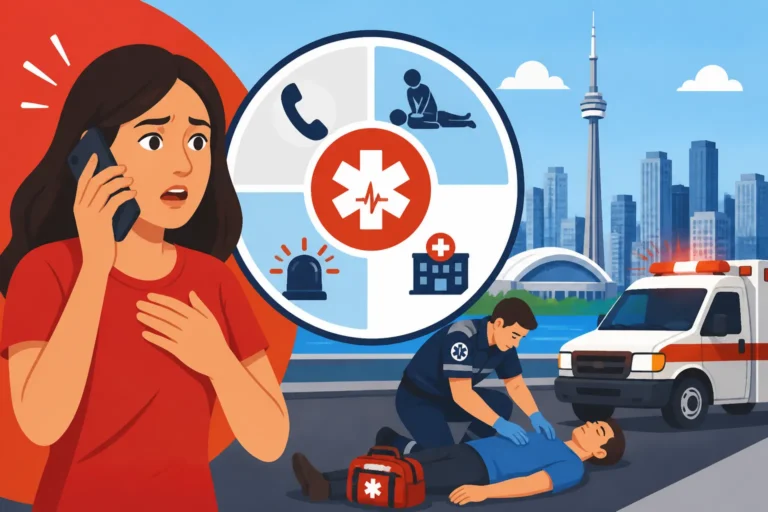
If you're here on a visitor visa and unexpectedly receive a diagnosis, the financial shock can be truly devastating. This is where emergency medical insurance, like SafetyWing, becomes your only shield. Without it, you could face medical bills that easily bankrupt you, potentially impacting your ability to ever return to Canada or even leave the country if debts are unpaid. Can Tourists Access Emergency Care in Canada? delves into these grim realities.
The Importance of Travel/Emergency Medical Insurance
For anyone not yet covered by a provincial health plan – whether you're a visitor, an international student, or a newcomer still in your waiting period – robust travel or emergency medical insurance is non-negotiable. This insurance is designed to cover unexpected medical emergencies, including sudden illnesses like a new cancer diagnosis, up to a specified limit.
However, it's crucial to read the fine print:
- Pre-existing Conditions: Most travel insurance policies have strict clauses regarding pre-existing conditions. If your cancer had any symptoms, diagnoses, or treatments before you purchased the policy or before you arrived in Canada, it might not be covered. Always declare everything honestly to avoid a denied claim.
- Waiting Periods Within the Policy: Some private plans may also have their own waiting periods for certain benefits.
- Coverage Limits: Ensure the policy offers a high enough coverage limit (e.g., $1,000,000 or more) to truly protect you from the astronomical costs of cancer treatment.
Having this insurance provides peace of mind and, more importantly, financial protection against unforeseen catastrophes. Without it, you are putting yourself at extreme financial risk. For more on this, check out Emergency Medical Care in Canada: What Every Newcomer Needs to Know. Understanding the differences between public and private healthcare options is key to navigating this, as explored in Public vs Private Healthcare in Canada: What Newcomers Need to Know.
To help clarify, here's a table summarizing common cancer treatment costs and coverage status:
| Service/Expense Category | Generally Covered by Provincial Plan (for eligible residents) | Typically NOT Covered by Provincial Plan (out-of-pocket for residents) | Potential Cost to You if Uninsured/No Private Plan (e.g., visitor or during waiting period) |
|---|---|---|---|
| Doctor Visits (Oncologist, GP) | Yes | No | $100 – $300+ per visit |
| Hospital Stays | Yes | No | $1,000 – $5,000+ per day |
| Surgery | Yes | No | $10,000 – $100,000+ per procedure |
| Radiation Therapy | Yes | No | $10,000 – $50,000+ for a course of treatment |
| Chemotherapy (In-hospital) | Yes | No | $10,000 – $30,000+ per round |
| Oral Chemo/Take-Home Meds | Sometimes (provincial formulary specific, may have co-pay) | Yes (unless covered by private insurance) | Thousands to tens of thousands per month |
| Diagnostic Tests (MRI, CT, PET) | Yes | No | $1,000 – $8,000+ per test |
| Physiotherapy | Limited (often only in-hospital or specific programs) | Yes (unless covered by private insurance) | $80 – $150+ per session |
| Private Counselling | No (limited public options) | Yes (unless covered by private insurance) | $150 – $250+ per session |
| Wigs/Prosthetics | No (some prosthetics may have partial coverage) | Yes | Hundreds to thousands of dollars |
| Travel, Parking, Accommodation | No | Yes | Varies significantly based on location and duration |
| Lost Income | No (EI sickness benefits are temporary and partial) | Yes | Full loss of income, potentially for extended periods |
In summary, facing cancer in Canada as a newcomer can be incredibly complex. While the provincial healthcare system does an incredible job covering core medical treatments, the costs associated with medication gaps, supplementary services, and non-medical expenses can still be substantial. For those without provincial coverage, the financial implications are catastrophic. It highlights the absolute necessity of understanding the system, getting your provincial health card as soon as possible, and securing robust private insurance, like SafetyWing, to cover those initial crucial months and any ongoing gaps. Your peace of mind and financial security truly depend on it.
Disclaimer
The information provided in this article is for general guidance only and does not constitute medical, financial, or legal advice. Healthcare policies, costs, and availability of services can change rapidly and vary significantly by province and individual circumstances. Always consult with qualified professionals for personalized advice regarding your health, insurance needs, or financial planning in Canada.