How Do I Choose a Hospital in Toronto?
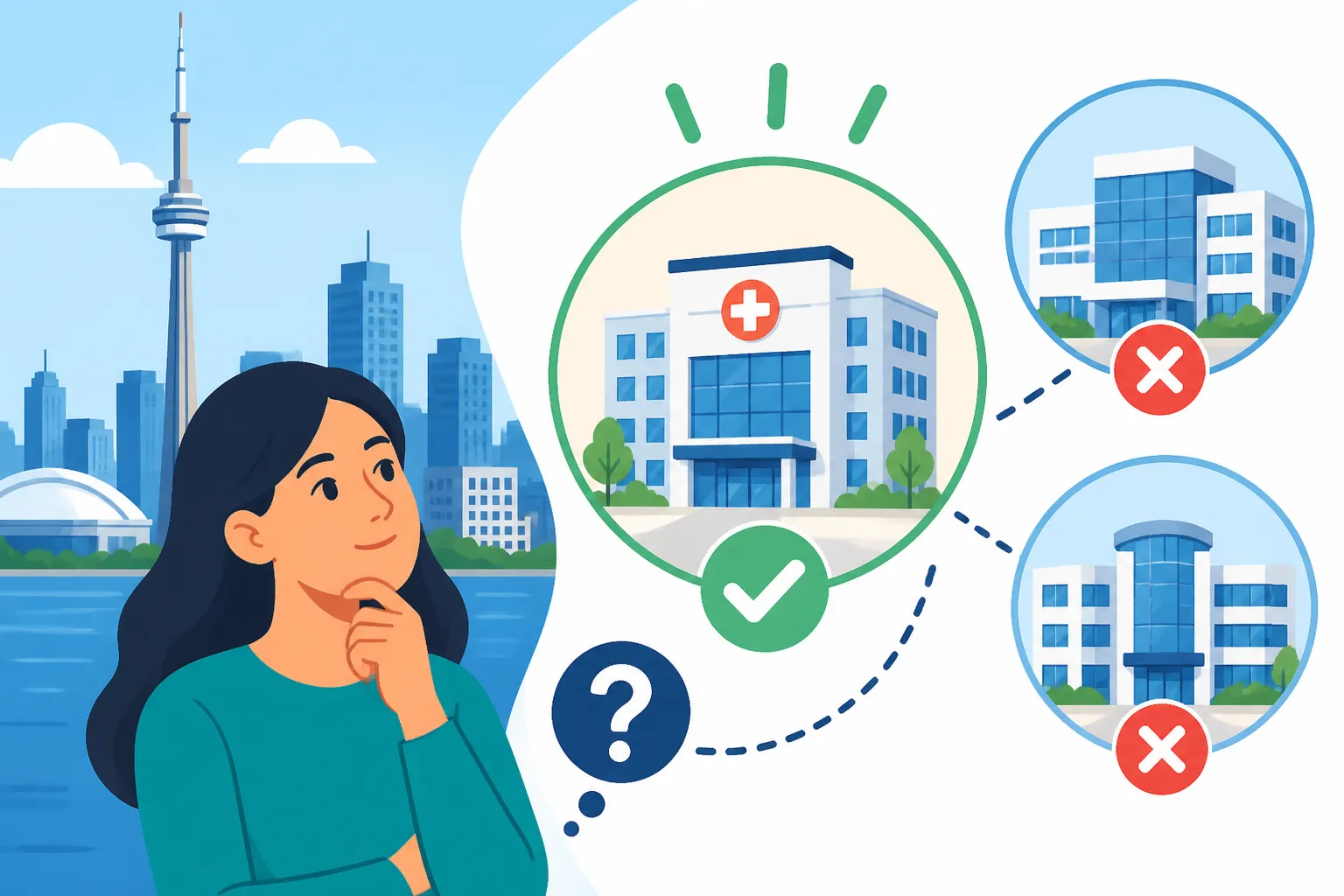
Landing in a new country, especially a bustling city like Toronto, comes with a whole host of anxieties. Among the biggest concerns for many newcomers, expats, and even long-term visitors is understanding how the healthcare system works and, specifically, how to choose a hospital if you ever need one. It's not like picking a coffee shop; you want to feel confident and informed. This guide is here to cut through the confusion and help you understand Toronto's hospital landscape, so you can make informed decisions should the need arise.
Understanding Toronto's Hospital Landscape
When you first arrive, the sheer scale of a city like Toronto can be daunting, and its healthcare system is no exception. It’s not just one big hospital; it’s a network of incredible institutions, each with its own strengths and focus areas. Knowing a bit about them upfront can make all the difference, whether you're dealing with an urgent situation or planning for future healthcare needs.
Major Hospital Networks and Their Specialties
Toronto is home to some of the best hospitals in Canada, and indeed, the world. These hospitals often operate as part of larger networks, sharing resources and expertise. It's worth noting that while they all offer a wide range of services, many have developed particular specializations over time.
For instance, the University Health Network (UHN) is a massive player, encompassing Toronto General Hospital, Princess Margaret Cancer Centre, Toronto Western Hospital, and Toronto Rehab. Toronto General is renowned for its complex organ transplants, cardiac care, and neuroscience, often attracting patients from across the country for highly specialized procedures. Princess Margaret, as its name suggests, is a world leader in cancer research and treatment. Toronto Western is known for its incredible work in neurosciences, particularly brain and spinal cord surgery, and ophthalmology, boasting the Donald K. Johnson Eye Centre. If you’re dealing with a complex chronic condition or a highly specialized medical issue, a UHN hospital might be where your journey takes you.
Then there's Unity Health Toronto, which includes St. Michael's Hospital, St. Joseph's Health Centre, and Providence Healthcare. St. Michael's, located downtown, is a major trauma centre and a leader in cardiac care, inner-city health, and critical care. They see a huge volume of emergency cases due to their central location. St. Joseph's, in the west end, serves a large community and offers excellent family-centred care, emergency services, and rehabilitative programs. Providence Healthcare, in the east, focuses on rehabilitation, long-term care, and palliative care. Each of these caters to distinct community needs while contributing to the overall strength of Unity Health.
Sunnybrook Health Sciences Centre in North York is another powerhouse, particularly recognized for its critical care and trauma services, including Canada's largest trauma centre. They also have a world-class cancer centre (Odette Cancer Centre) and strong programs in brain sciences and women's health. If you’re in a serious accident, chances are you’ll be heading to Sunnybrook. It’s a huge facility with an incredibly dedicated staff.
On the east side, you’ll find Michael Garron Hospital (formerly Toronto East General), a robust community hospital that serves a diverse population. They offer strong emergency services, mental health programs, and family and community health initiatives. It’s a vital hub for residents in the East Toronto area, providing comprehensive care closer to home.
The North York General Hospital is another excellent community-focused institution, providing comprehensive care including emergency services, maternal and child care, and mental health services. They're well-regarded for their patient-centred approach and accessibility for families in the northern parts of the city.
In the northwest, Humber River Hospital stands out as Canada's first fully digital hospital. This means a highly integrated technological approach to patient care, from automated systems to digital records. They offer a wide array of services including emergency care, surgery, maternal and child care, and mental health. Their modern facilities are truly impressive.
Finally, don't forget Mount Sinai Hospital, which is part of the broader Sinai Health system, along with Bridgepoint Active Healthcare. Mount Sinai is particularly renowned for its leadership in obstetrics and gynaecology (often referred to simply as "Sinai" when talking about birthing), as well as its expertise in arthritis, inflammatory bowel disease, and emergency medicine. It's a fantastic place for family-centred care and boasts an excellent reputation for welcoming new parents.
Public vs. Private Hospitals in Toronto
This is a really important distinction to grasp as a newcomer to Canada. The Canadian healthcare system is predominantly public, funded by taxes, and administered by the provinces. This means that almost all the hospitals you'll encounter in Toronto—like the ones I just mentioned—are public institutions. When you hear people talk about "free" healthcare in Canada, they are largely referring to medically necessary services provided in these public hospitals and by doctors under the provincial health insurance plans, like OHIP in Ontario.
So, the notion of "private hospitals" as you might understand them in other countries, where you pay out-of-pocket for a bed or a procedure outside the public system, is extremely rare for core medical services. There are no private, for-profit hospitals providing general medical and surgical services in the same vein as public ones, and certainly not for emergencies.
However, where "private" comes into play is typically in private clinics that offer supplementary or elective services that are often not covered by OHIP. This could include things like certain cosmetic surgeries, private diagnostic imaging (though many are covered by OHIP with a referral), some physiotherapy, chiropractic care, or certain specialist consultations if you choose to bypass the referral system and pay privately. Even within public hospitals, you might encounter semi-private or private rooms that come with an extra charge, but these charges are for the room itself, not for the medical care, which remains publicly funded. These extra room charges might be covered by supplementary private health insurance, often through employer benefits.
It's crucial to understand that even if you choose to pay for a service at a private clinic, if you then require hospital admission for something serious, you will be admitted to a public hospital. The emergency rooms are all publicly funded. This can be a point of confusion, but generally speaking, for any significant medical event or emergency in Toronto, you will be seeking care at one of the public hospitals I’ve outlined. If you're still in The Newcomer Waiting Period for Provincial Health Coverage in Canada (2027), having private travel insurance like SafetyWing for emergency medical incidents is incredibly important. It bridges that gap, ensuring you're not facing astronomical bills if you need to use a public hospital's emergency services before your OHIP kicks in.
Factors to Consider When Choosing a Hospital
Choosing a hospital isn't just about picking the biggest or most famous name. It's about finding the best fit for your specific needs, comfort, and logistical considerations. Especially as a newcomer, you want to minimize stress during an already potentially stressful time.
Location and Accessibility
This might seem obvious, but it's often overlooked until you're in a bind. Proximity to your home or workplace is a huge factor, particularly for emergencies or if you'll need frequent visits for appointments.
Think about how you'll get there. Is it easily accessible by public transit, like the TTC subway, streetcar, or bus? Toronto's transit system is extensive, but some hospitals are easier to reach than others. For example, Toronto General and Mount Sinai are right downtown, steps from major subway lines, which makes them very accessible for many. Others, like Sunnybrook or Humber River, might require a bus ride from the nearest subway station. If you have a car, consider parking availability and cost. Parking at Toronto hospitals can be notoriously expensive and sometimes hard to find, so factor that into your planning. If you're relying on someone else to drive you, their ease of access is also a consideration. Having a hospital within a reasonable travel time, whether by car or public transport, can be a huge relief in an urgent situation. Knowing What Is the Emergency Phone Number in Canada? and when to use it is also essential, as ambulances will take you to the nearest appropriate hospital, which might not be your "chosen" one if it's a critical situation.
Specializations and Services Offered
While most major hospitals offer comprehensive emergency care and general medical services, their specialized departments can vary significantly. If you have a known pre-existing condition or anticipate needing particular services, this factor becomes paramount.
For example, if you're planning on having a baby, you might research hospitals known for their excellent maternity and prenatal care departments, like Mount Sinai or North York General. If you have a family history of heart disease, you might prefer a hospital with a strong cardiology department, such as St. Michael's or Toronto General. For cancer treatment, Princess Margaret Cancer Centre is a clear leader. For complex surgeries or specific chronic diseases, certain hospitals have specialists and units dedicated to those areas. Sometimes, your family doctor or a specialist will refer you to a specific hospital because of its expertise in your particular condition, so always follow their guidance. However, it's still good to be aware of the landscape. For deeper insight into how specialist referrals work, check out our guide on How Specialist Referrals Work in the Canadian Health System.
It’s not just about the big, flashy specialties either. Think about the quieter, but equally important, services. Do they have strong mental health programs? Excellent rehabilitation services? Paediatric care if you have young children? Many hospitals publish their areas of excellence or strategic priorities on their websites, which can be a good starting point for your research.
Reputation and Patient Experience
A hospital's reputation isn't just about its medical prowess; it's also about the patient experience, which includes everything from the friendliness of the staff to the clarity of communication and the overall comfort of the facilities.
While Canada doesn't have a single, widely publicized "hospital ranking" system like some other countries, you can gather information from several sources. Websites like Health Quality Ontario often publish reports on various aspects of hospital performance, including patient safety indicators and wait times. Patient reviews on platforms like Google or specialized healthcare review sites (though less common for hospitals than for individual doctors) can offer anecdotal insights. Word-of-mouth from friends, colleagues, or community groups can also be incredibly valuable. Ask around in expat forums or local community groups for personal experiences.
Think about what matters most to you in terms of patient experience. Is it cultural sensitivity? Access to language services? The availability of patient advocates? Some hospitals, particularly those in diverse areas, might be better equipped to serve a multicultural population. For instance, St. Michael's Hospital is known for its strong community ties and support for vulnerable populations, which often translates to a very inclusive approach to patient care. Many hospitals in Toronto offer interpreter services, which can be a huge relief if English isn't your first language. Knowing What Documents Do I Need to See a Doctor in Canada? is also part of a smooth patient experience.
How to Approach Hospital Selection for Specific Needs
Navigating hospital care isn't a one-size-fits-all situation. The way you choose and interact with a hospital will largely depend on the urgency and nature of your medical need.
Emergency Situations
Let's be real: in a true emergency, you often don't "choose" a hospital. The nearest appropriate facility, or the one an ambulance takes you to, is where you'll end up. However, knowing when to go to an emergency room and what to expect can significantly reduce stress.
When to go to the Emergency Room (ER): The ER is for life-threatening conditions or severe injuries. This includes things like suspected heart attacks, strokes, severe bleeding, major fractures, difficulty breathing, or sudden, excruciating pain. If you're experiencing any of these, don't hesitate. Call 911 for an ambulance. For less urgent but still serious matters—like a nasty cut that needs stitches, a high fever that won't break, or a possible minor fracture—a walk-in clinic or urgent care centre might be a more appropriate and faster option, as ER wait times can be incredibly long. For a comprehensive guide, refer to our article on Emergency Medical Care in Canada: What Every Newcomer Needs to Know.
What to expect: Wait times in Toronto's ERs can be hours, sometimes even 10+ hours, depending on the severity of your condition and the hospital's current load. You will be triaged upon arrival, meaning a nurse will assess your condition and determine how quickly you need to be seen. Life-threatening cases always take priority. As a newcomer, ensure you have your provincial health card (OHIP in Ontario) or your private insurance information readily available. If you're without OHIP or private insurance, you will still be treated, but you'll receive a bill for the services, which can be substantial. This is where a plan like SafetyWing can really be a lifesaver, especially during that initial waiting period for provincial coverage.
Preparation: Keep a small folder or digital file with your health card, any private insurance details, a list of your medications, and any known allergies. This quick access to information can be invaluable in an emergency.
Non-Emergency Planned Procedures or Specialist Care
For situations that aren't life-threatening but require hospital services—think elective surgeries, diagnostic tests like MRIs or CT scans, or ongoing specialist treatments—your journey usually begins with a referral from your family doctor.
The Referral Process: In Canada, access to most specialist and hospital-based services requires a referral from a primary care physician (family doctor or sometimes a walk-in clinic doctor). Your doctor will assess your condition and, if needed, refer you to a specialist who practices at a particular hospital or clinic. This is how you "choose" a hospital in a non-emergency context: your doctor guides you to the most appropriate specialist, who then determines which hospital is best for your procedure. You can learn more about finding a family doctor by reading How to Find and Register with a Family Doctor in Canada.
Wait Times: Be prepared for potential wait times for specialist appointments and non-urgent procedures. These vary widely depending on the specialty, the procedure, and the hospital. While the Canadian system aims for equitable access, demand can sometimes outstrip supply. Your doctor or the specialist's office should be able to give you an idea of expected wait times. It's often longer for things like elective knee surgery than for something more critical.
Information Gathering: Once you have a referral, you can do your own research on the hospital or clinic where the specialist practices. Look into their specific department's reputation, accessibility, and patient reviews, much like you would for choosing the hospital itself. Don't be afraid to ask your family doctor about their recommendation or if there are other options available.
Maternity and Family Care
For expectant parents, choosing a hospital for childbirth is a significant decision. Toronto offers excellent options, many of which specialize in maternal and newborn care.
Hospitals known for Maternity Care: As mentioned earlier, Mount Sinai Hospital is particularly celebrated for its leadership in obstetrics and gynaecology, attracting many families. North York General Hospital also has a highly regarded maternal and child program. St. Michael's Hospital provides excellent maternity services, particularly for those in the downtown core, often dealing with more complex cases due to its trauma centre status. These hospitals often provide tours and information sessions for expectant parents, which can be invaluable for making your decision and feeling comfortable with the environment. Read our detailed guide on Understanding Maternity and Prenatal Care in Canada for more information.
What to look for: Consider the facilities available – private rooms (often an extra charge, but can be covered by private insurance), birthing tubs, or special care nurseries for newborns. Some hospitals have dedicated prenatal education programs, lactation consultants, and post-natal support groups. If you have specific preferences for your birthing experience, research hospitals that align with those. For instance, some focus heavily on natural birth options, while others are more intervention-focused.
Connecting with Care Providers: Your obstetrician, midwife, or family doctor (if they offer shared care) will be affiliated with specific hospitals. This affiliation will largely determine where you deliver. Discuss your hospital preferences with your care provider early in your pregnancy.
| Hospital Network/Name | Location (General Area) | Key Specializations | Notable Features |
|---|---|---|---|
| University Health Network | Downtown/Central | Organ Transplants, Cardiac Care, Neurosciences, Cancer Treatment, Rehabilitation | Premier research & teaching hospitals, e.g., Toronto General, Princess Margaret |
| Unity Health Toronto | Downtown, West End, East End | Trauma Care, Cardiac Care, Community Health, Rehabilitation | St. Michael's (trauma), St. Joseph's (community), Providence (rehab) |
| Sunnybrook Health Sciences Centre | North York | Critical Care, Trauma (largest in Canada), Cancer (Odette Centre), Brain Sciences, Women's Health | Large academic teaching hospital, significant research |
| Mount Sinai Hospital (Sinai Health) | Downtown | Obstetrics & Gynaecology, Arthritis, Inflammatory Bowel Disease, Emergency Medicine | Highly regarded for maternal care and family-centred approach |
| North York General Hospital | North York | Maternal & Child Care, Emergency Services, Mental Health, Community Care | Focus on patient-centred care, serves diverse community |
| Michael Garron Hospital | East Toronto | Community Health, Emergency, Mental Health, Family & Community Health | Vital community hub for East Toronto residents |
| Humber River Hospital | North West Toronto | Fully Digital Hospital, Emergency, Surgery, Maternal & Child, Mental Health | Canada's first fully digital hospital, modern facilities |
Navigating Hospital Care as a Newcomer
Moving to Canada means adjusting to a new way of life, and the healthcare system is a big part of that. Knowing the ropes can save you a lot of worry and ensure you get the care you need when you need it.
Understanding Your Health Coverage
This is perhaps the most critical piece of the puzzle for newcomers. Canada has provincial health insurance plans, and in Ontario, that's OHIP (Ontario Health Insurance Plan). While Canada's healthcare system is generally publicly funded, newcomers often face a waiting period before they become eligible for provincial coverage. This period can vary by province but is typically up to three months in Ontario.
During this waiting period, you are responsible for the full cost of any medical services you receive, including emergency hospital visits. And let me tell you, those bills can be astronomical! This is precisely why it's highly recommended, and frankly, essential, to secure private health insurance for those first few months. Companies like SafetyWing offer comprehensive travel medical insurance that can cover unexpected illnesses or injuries during this vulnerable time. It gives you peace of mind that if you suddenly need an emergency room visit or an urgent procedure, you won't be staring down a five-figure bill. You can find out more about securing this crucial coverage in our guide on How to Get Private Health Insurance to Cover the Waiting Period in Canada.
Once you're eligible for OHIP, you'll need to apply for your health card. This card is your key to accessing provincially covered services, including hospital care. Always carry your OHIP card with you. Even after OHIP kicks in, remember that certain services, like prescription medications, dental care, and vision care, are typically not fully covered by the provincial plan. Many Canadians opt for supplementary private insurance (often through their employers) to cover these gaps. For a broader overview, check out The Complete Guide to Healthcare in Canada for Newcomers (2027).
Communication and Support
Dealing with medical issues in a new country, possibly in a language that isn't your first, can be incredibly isolating. Toronto's hospitals are generally very aware of their diverse patient populations and strive to offer support.
Language Services: Most major hospitals in Toronto offer interpreter services for patients who are not proficient in English. Don't be afraid to ask for an interpreter if you feel you cannot fully understand or articulate your medical needs in English. Clear communication is paramount to receiving proper care and making informed decisions about your health. Hospital staff will be able to arrange this for you, sometimes on-site, or often via phone or video conference.
Patient Advocates and Navigators: Some hospitals have patient advocates or navigators who can help you understand your rights, navigate the system, and communicate with medical staff. If you feel overwhelmed or have concerns about your care, inquire if such a service is available. They can be an invaluable resource, especially for newcomers who are still learning the ropes of the Canadian healthcare system.
Family and Friends: Don't underestimate the power of bringing a trusted friend or family member with you to appointments or the hospital, especially for important discussions. They can offer emotional support, help with note-taking, and even assist in clarifying information if language is a barrier. It’s always better to have an extra set of ears and a supportive presence when facing medical challenges in a new environment. For a full breakdown of how Canada's healthcare system operates, consider reading How Canada's Health System Works: Provincial Plans Explained (2027).
Disclaimer
The information provided in this guide is intended for general informational purposes only and does not constitute medical, legal, or professional advice. While we strive to offer accurate and up-to-date content, healthcare policies, hospital services, and personal circumstances can vary. Always consult with qualified healthcare professionals, immigration consultants, or legal experts for advice tailored to your specific situation. Reliance on any information in this guide is solely at your own risk.