How Do I Get a Referral to a Specialist in Canada?
One of the most perplexing aspects of the Canadian healthcare system for newcomers is often the process of seeing a specialist. Unlike many countries where you might have direct access to a dermatologist or an orthopedist, Canada's system usually requires a formal referral, and this can be a source of significant frustration and confusion. This guide is here to walk you through exactly how to get that referral, what to expect along the way, and how to navigate the system so you can access the specialized care you need.
The Gatekeeper Role of the Family Doctor
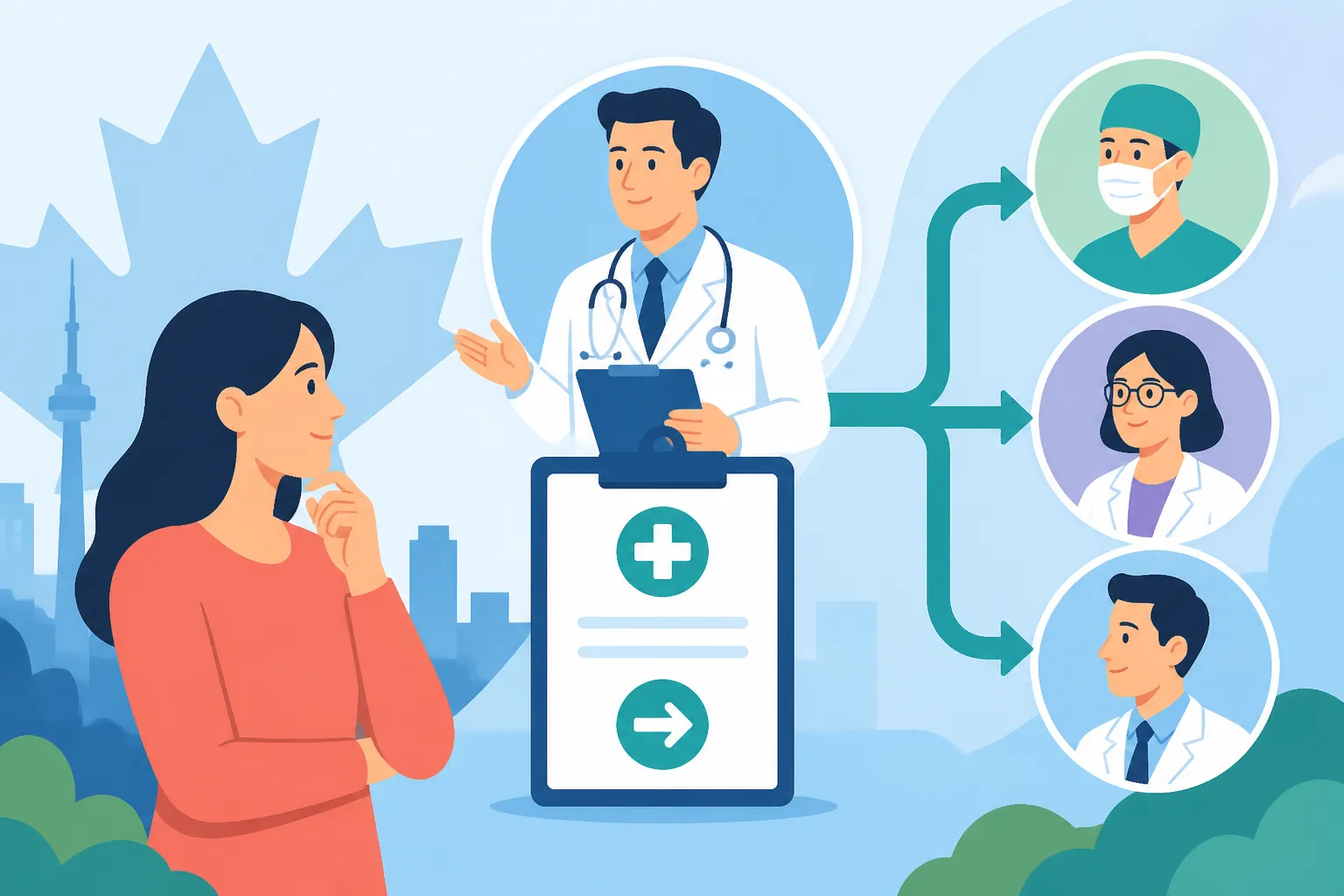
In Canada, your family doctor, also known as a general practitioner (GP), is usually the first point of contact for nearly all your medical needs. They play a pivotal "gatekeeper" role in the public health system, and understanding this is key to getting the specialist care you require.
Why You Need a Referral for Most Specialists
The Canadian healthcare system is designed with the family doctor at its core. Their job isn't just to treat common illnesses; it's also to manage your overall health, provide preventative care, and, crucially, to determine if and when you truly need to see a specialist. This model serves several purposes:
- Ensuring Appropriate Care: Your family doctor has a comprehensive understanding of your medical history. They can assess your symptoms, conduct initial tests, and often treat many conditions themselves. This prevents unnecessary specialist visits, ensuring that specialists can focus on complex cases that truly require their expertise. It also means you're not cycling through multiple specialists when your condition could be managed by your GP. Imagine explaining your full medical history to a different doctor every time; your family doctor keeps all that information in one place, making your care more cohesive.
- System Efficiency and Cost Control: Referrals help manage the demand on specialists and reduce healthcare costs. If everyone could book directly with any specialist they wanted, wait times would be even longer, and resources would be stretched thin. This gatekeeper function helps prioritize cases and ensures that the most urgent needs are addressed first within the public system.
- Triage and Prioritization: Your family doctor acts as a vital triage point. They can discern the urgency of your condition and, based on their clinical judgment and the severity of your symptoms, refer you to the most appropriate specialist. They'll also classify the referral as urgent, semi-urgent, or routine, which directly impacts how quickly you might be seen.
This system can feel like an extra hurdle, especially if you're used to a different model. You might know exactly what specialist you need, but in Canada, you generally have to convince your family doctor first. It’s not about mistrust; it’s about how the system is structured to work efficiently.
How to Find a Family Doctor in Canada
Before you can even think about a specialist referral, you need a family doctor. This can be one of the biggest challenges for newcomers in Canada, as there's a nationwide shortage, and finding a family doctor who is accepting new patients can feel like an impossible quest.
Start your search as soon as you settle in. Don't wait until you're unwell. Here are some common avenues:
- Provincial Health Directories: Most provinces have online portals or phone lines to help residents find a family doctor. For example, Ontario has Health Care Connect, which assigns you a Care Connector to help you find a doctor, though even this can take time. Quebec has the Quebec Health Booklet (Carnet santé Québec) and the Guichet d'accès à un médecin de famille (GAMF). British Columbia residents can use the HealthLink BC directory.
- Word-of-Mouth: Ask colleagues, neighbours, or new friends for recommendations. They might know of a doctor taking new patients or a clinic that occasionally opens its books.
- Online Search Engines and Clinic Websites: Websites like Healthgrades, RateMDs, or even a simple Google search for "family doctors accepting new patients [your city]" can yield some results. Many clinics will post on their websites if they have openings.
- Walk-in Clinics (as a temporary measure): While not ideal for continuous care, a walk-in clinic can sometimes act as a temporary stopgap if you need immediate, non-emergency care and don't have a family doctor. Some walk-in clinics may even have an affiliation with a family practice that might be accepting new patients eventually. However, it's important to understand that Understanding the Role of Walk-In Clinics in Canada is usually for acute issues, not for establishing long-term primary care.
The process of finding a family doctor can take months, sometimes even years, depending on your location. This waiting period highlights the importance of securing private health insurance when you first arrive in Canada. A provider like SafetyWing might offer coverage for unexpected medical needs during this initial phase, before you've even been able to apply for your provincial health card or find a doctor. Remember to check out resources like How to Find and Register with a Family Doctor in Canada for more detailed strategies.
The Referral Process: Step-by-Step
Once you have a family doctor, the actual referral process usually follows a fairly standard path across Canada, though the specific timelines can vary wildly by province and specialty.
Your Initial Consultation and Discussing Concerns
Your journey to a specialist begins with an appointment with your family doctor. This isn't just a quick chat; it's your opportunity to clearly and comprehensively explain your symptoms, medical history, and any concerns you have.
Here’s how to make this initial consultation as effective as possible:
- Be Prepared: Before your appointment, write down your symptoms, when they started, how frequently they occur, what makes them better or worse, and any other relevant details. Don't forget to include a list of any medications you're currently taking, allergies, and your family medical history. The more information you provide, the better your doctor can understand your situation.
- Be Specific and Honest: Avoid downplaying your pain or discomfort. Doctors rely on your descriptions. Be explicit about how your symptoms impact your daily life, work, or sleep.
- Ask Questions: Don't be afraid to ask your doctor why they are or aren't recommending a referral, what tests they plan to run, or what the next steps are. Understanding their reasoning can alleviate anxiety and help you feel more involved in your care. If you feel strongly that you need a specialist, explain why. They might agree, or they might offer an alternative approach.
- Follow Through on Initial Tests: Your family doctor will likely order some initial tests (blood work, X-rays, etc.) to gather more information or rule out common conditions before considering a specialist referral. Completing these tests promptly is crucial, as the results will inform the referral decision and allow your doctor to provide the specialist with all necessary information.
The Waiting Game and What to Expect
Ah, the infamous Canadian wait times. This is often the most challenging part of the specialist referral process for newcomers. Once your family doctor has decided to refer you, they will send a referral letter to the specialist's office. This letter contains your medical history, current symptoms, and the reason for the referral.
- The Referral Confirmation: You might receive a call or letter from the specialist's office acknowledging receipt of the referral, or you might hear nothing for a while. Your family doctor's office is usually the primary point of contact for tracking the referral.
- Variable Wait Times: This is where things get real. Wait times for specialists can range from a few weeks to several months, or even over a year, depending on the specialty, the urgency of your condition, and your geographical location. For instance, seeing a dermatologist in a major city like Toronto could take significantly longer than seeing a general surgeon in a smaller community for an urgent issue. For common specialties like orthopedics or internal medicine, the wait can be considerable. Data consistently shows that wait times for elective procedures and specialist consultations are a known challenge in Canada's public system.
- Impact of Provincial Coverage Waiting Periods: If you're a newcomer, you might also be subject to a waiting period (often up to three months) before your provincial health coverage kicks in. If you need to see a specialist during this period, you'll generally have to pay out-of-pocket, or rely on private health insurance. This is another scenario where having private insurance like SafetyWing is invaluable, as it can provide a safety net for unexpected medical needs during The Newcomer Waiting Period for Provincial Health Coverage in Canada (2027). For more on this, check out How to Get Private Health Insurance to Cover the Waiting Period in Canada.
- Monitoring and Following Up: Don't just sit and wait. While your doctor's office handles the referral, it's perfectly acceptable to call them (not the specialist's office directly, unless instructed) to inquire about the status of your referral after a reasonable period, say a few weeks. They can often provide updates or advocate on your behalf if the wait is excessively long and your condition is worsening.
Following Up and Navigating the System
Navigating the healthcare system can feel like a part-time job, especially when you’re waiting for a specialist. Being proactive, but polite, is key.
- Stay in Touch with Your GP’s Office: Your family doctor's administrative staff will typically have a record of your referral. They are your best resource for updates. Call them periodically for status checks.
- Inform Them of Changes: If your symptoms worsen significantly, or you experience new, concerning issues while waiting, contact your family doctor immediately. They might be able to re-evaluate your case, contact the specialist to push for an earlier appointment, or recommend alternative care options.
- Understanding Priorities: Specialists prioritize referrals based on the urgency indicated by your family doctor. If your condition becomes more urgent, your family doctor can revise the referral and potentially expedite your appointment.
- Keep Records: Keep a personal log of dates you spoke to your doctor's office, names of staff you spoke with, and any information they provided. This can be helpful if there are any discrepancies or if you need to follow up again.
When a Referral Isn't Needed: Direct Access and Emergencies
While the family doctor is the primary gatekeeper, there are specific situations where you can bypass the referral system, providing some much-needed relief and direct access to care.
Walk-in Clinics and Urgent Care Centres
For non-life-threatening medical issues that require prompt attention but aren't severe enough for an emergency room, walk-in clinics and urgent care centres are invaluable.
- Walk-in Clinics: These clinics operate on a first-come, first-served basis for acute, episodic issues like a sudden cold, minor injury, or prescription refill. You generally don't need an appointment. However, they are not a substitute for a family doctor and generally won't issue referrals for ongoing specialist care. A doctor at a walk-in clinic might assess you and recommend you see your family doctor for a referral, or if they deem it urgent, they might refer you to a local hospital's emergency department. For more details, see Understanding the Role of Walk-In Clinics in Canada.
- Urgent Care Centres: These centres bridge the gap between a walk-in clinic and an emergency room. They can handle more serious, but not life-threatening, conditions such as sprains, minor fractures, infections, or cuts requiring stitches. They have more diagnostic tools than a typical walk-in clinic and may have a wider range of medical professionals. Similar to walk-in clinics, while they provide immediate care, they typically don't initiate long-term specialist referrals but might direct you to the appropriate next step.
It’s crucial to understand their scope. If you go to a walk-in clinic expecting a specialist referral for a chronic issue you've been dealing with for months, you’ll likely be redirected back to your family doctor.
Direct Access Services
Good news! Not every medical professional requires a GP referral. Several types of healthcare providers offer direct access, which can save you time and hassle.
- Optometrists: You can book an eye exam directly with an optometrist for routine vision checks and to update your prescription for glasses or contact lenses. If they detect a serious eye condition that requires specialized medical treatment (e.g., glaucoma, cataracts), they will then refer you to an ophthalmologist (an eye surgeon/specialist), who does require a referral.
- Physiotherapists: For musculoskeletal issues, strains, sprains, or rehabilitation needs, you can usually book an appointment directly with a physiotherapist. Many employer benefits or private health insurance plans cover physiotherapy. If you need coverage before an employer plan kicks in or if you're self-employed, private options might be available, which is another area where a flexible plan could offer support.
- Chiropractors: For issues related to the spine and nervous system, you can directly consult a chiropractor.
- Dentists: Routine dental check-ups, cleanings, and most dental treatments can be accessed directly. For specialized dental procedures (e.g., orthodontics, oral surgery), your general dentist will typically refer you to a dental specialist. Understanding Dental Care Costs and the Canadian Dental Care Plan offers more details on this.
- Mental Health Professionals (some): You can often directly contact psychologists, psychotherapists, and counsellors. However, the costs for these services are generally not covered by provincial health plans unless delivered by a psychiatrist (who requires a referral) or within specific public programs. Many people rely on employer benefits or private insurance to cover these services. How to Access Mental Health Services in Canada as a Newcomer provides more information.
This direct access is a huge advantage and can significantly speed up getting treatment for certain conditions. Always check with the specific practitioner or your private insurance provider about coverage before booking.
Emergency Situations
If you are experiencing a life-threatening medical emergency, you absolutely bypass the referral system and go directly to the nearest hospital emergency room or call 911 (Canada’s emergency services number).
- What Constitutes an Emergency: Severe chest pain, symptoms of stroke, major trauma, uncontrollable bleeding, sudden loss of consciousness, severe allergic reactions, or difficulty breathing are all reasons to go to the ER.
- Specialist Consultations in the ER: In an emergency setting, if a specialist's opinion or intervention is needed, the ER doctors will arrange for an in-house consultation. You won't need a prior referral from a family doctor in these critical situations.
- Cost Considerations: If you are a newcomer and have not yet qualified for provincial health coverage, or if your immigration status does not grant you public coverage, emergency room visits can be incredibly expensive. This underscores the vital importance of having robust travel or private health insurance, like a plan from SafetyWing, which can cover these high costs during the waiting period or if you are not eligible for provincial plans. For crucial information on this, refer to Emergency Medical Care in Canada: What Every Newcomer Needs to Know and The Cost of Healthcare in Canada: A Complete Breakdown for Newcomers (2026).
Common Frustrations and Practical Tips for Newcomers
Navigating any new healthcare system is daunting, and Canada's unique blend of public funding and private service delivery, especially around specialist access, can be a steep learning curve. It's perfectly normal to feel confused or frustrated.
Understanding Wait Times and Managing Expectations
One of the most persistent complaints about the Canadian healthcare system, even from long-time residents, is the length of wait times for specialist appointments and non-emergency procedures. For newcomers, this can be a particular shock.
- Reality Check: Accept that long waits are a common feature of the publicly funded system for many specialties. While your family doctor determines the urgency, even "urgent" cases might wait several weeks or months for certain specialists.
- Be Patient, But Proactive: While you must be patient, don't be passive. Continue to monitor your condition and communicate any changes to your family doctor. They are your primary advocate within the system.
- Provincial Differences: Wait times can vary significantly by province. For example, a specialist wait time in Nova Scotia might be different from one in Alberta or Ontario. You can often find provincial data on wait times through government health ministry websites, which can help manage expectations.
The Role of Private Health Insurance
Many newcomers arrive in Canada assuming all healthcare is "free," but this is a common misconception. While provincial plans cover many core medical services, there are significant gaps, particularly for services that require a referral or during waiting periods. This is where private health insurance becomes incredibly important.
- Filling the Gaps: Private health insurance, often provided by employers as part of a benefits package, covers what provincial plans do not. This typically includes dental care, vision care, prescription medications, private hospital rooms, and often mental health services like psychology or counselling. Many people find themselves needing a specialist for conditions covered only by these supplementary plans. For more on this, check out Understanding Supplementary Health Insurance (Dental, Vision, Drugs) in Canada.
- Direct Access (Sometimes): Some private plans might offer partial coverage or reimbursement for services from specialists like physiotherapists or chiropractors without a prior GP referral. This is not common for medical specialists but is a definite advantage for allied health professionals.
- During Waiting Periods: As mentioned, if you need specialist care during the initial provincial health coverage waiting period, private insurance (like a plan designed for travellers or new immigrants, such as SafetyWing) is crucial. It acts as your primary payer for emergencies or necessary consultations, potentially saving you thousands of dollars.
- Employer Benefits: Once you secure employment, carefully review your employer's health benefits package. It will often include private insurance that covers many of these "extra" services. Understand How Does Employer Health Coverage Work in Canada?.
| Type of Care | Referral Needed for Public Coverage? | Typically Covered by Provincial Plan? | Covered by Private Insurance (often)? |
|---|---|---|---|
| Family Doctor Visit | No | Yes | N/A (primary care) |
| Medical Specialist (e.g., Cardiologist, Dermatologist) | Yes (from GP) | Yes (after referral) | No (unless for specific, non-covered services) |
| Emergency Room Visit | No | Yes | Yes (critical during waiting period) |
| Walk-in Clinic Visit | No | Yes | No (primary care) |
| Optometrist (routine eye exam) | No (direct access) | Yes (for children/seniors in some provinces, otherwise out-of-pocket or private) | Yes |
| Physiotherapist | No (direct access) | Limited (only specific cases, e.g., after surgery) | Yes |
| Chiropractor | No (direct access) | Limited (only specific cases) | Yes |
| Dentist (routine check-up) | No (direct access) | No (except in limited public programs) | Yes |
| Psychologist/Counsellor | No (direct access) | No (except for psychiatrists via referral) | Yes |
| Prescription Medications | Yes (after doctor consultation) | Varies by province (Pharmacare) | Yes (often a key benefit) |
This table provides a general overview. Always confirm specifics with your provincial health ministry and your private insurance provider.
Advocating for Yourself and Communication
The Canadian healthcare system works best when you are an active participant in your own care. Don’t be shy about advocating for yourself, but always do so respectfully.
- Communicate Clearly: During your appointments, articulate your symptoms, concerns, and desired outcomes clearly.
- Ask "Why": If you don't understand a diagnosis, treatment plan, or why a referral isn't being made, ask for clarification. Doctors are there to educate you.
- Second Opinions (with your GP): If you're not satisfied with a diagnosis or feel your concerns aren't being addressed, you can request a second opinion from another family doctor. Your current GP might also be open to discussing your desire for a second opinion from another specialist.
- Stay Organized: Keep a folder with all your medical documents, including test results, referral letters, and records of communication. This will make it easier to track your progress and provide information if you need to see different doctors.
- Leverage Online Resources: Provincial health authority websites offer a wealth of information. Services like HealthLink BC in British Columbia or the Ontario Ministry of Health website provide details on patient rights, wait times, and how the system functions. Understanding How Canada's Health System Works: Provincial Plans Explained (2027) is fundamental.
Remember, the Canadian system is robust but has its quirks. With patience, persistence, and a good understanding of the referral process, you’ll be much better equipped to navigate it and get the specialist care you need. Take charge of your health and don't hesitate to seek information and support. For a broader perspective on your healthcare journey, consider reading Navigating the Canadian Healthcare System: A Newcomer's Roadmap (2027).
Disclaimer
The information provided in this guide is intended for general informational purposes only and does not constitute medical advice. Healthcare regulations and availability can change. Always consult with a qualified healthcare professional for any medical concerns or before making any decisions related to your health or treatment.