Are Prescription Medications Expensive in Canada?
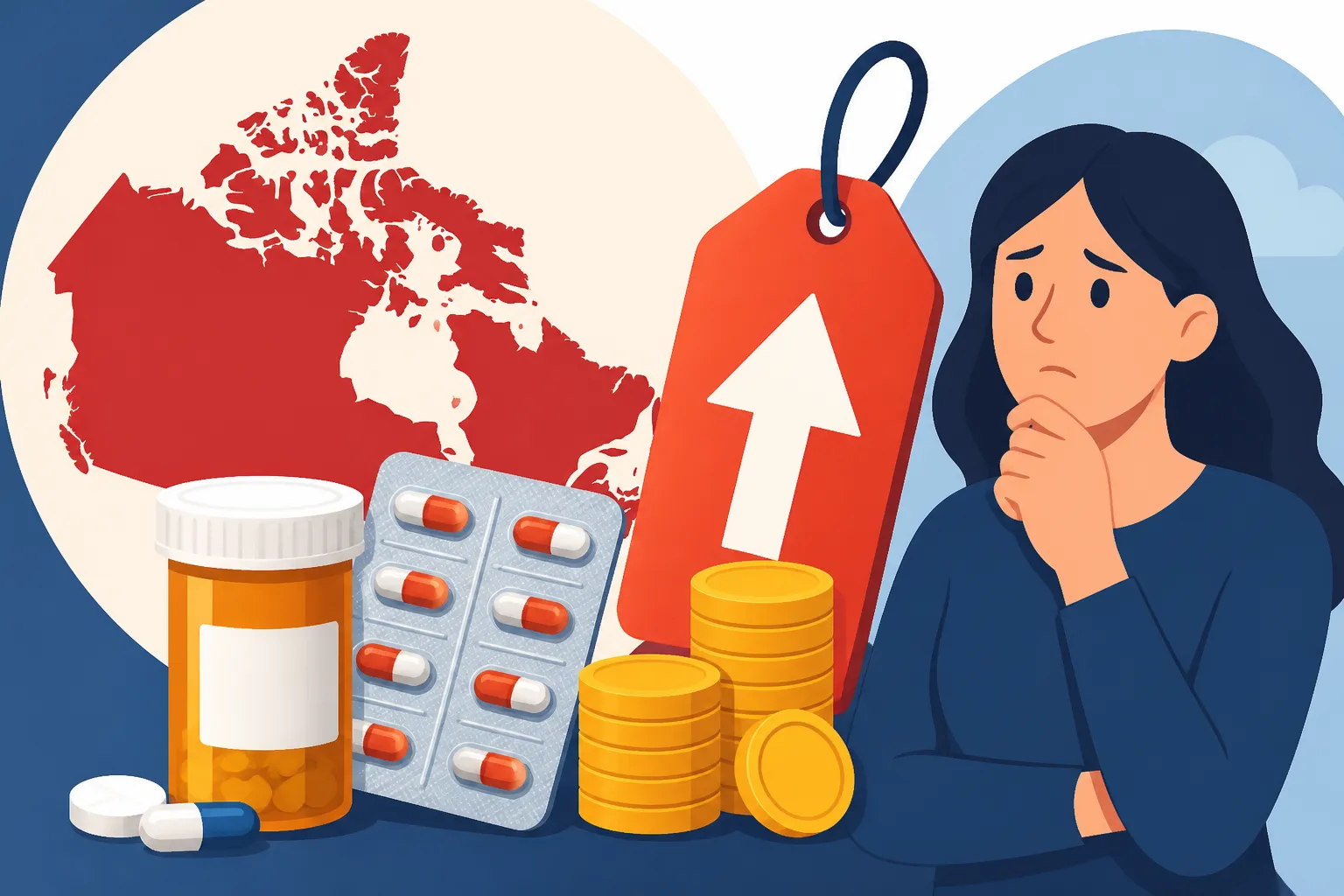
So, you've landed in Canada, got your provincial health card (or are diligently waiting for it!), and now you're wondering about prescription medications. It’s a completely valid concern, especially if you're coming from a country where prescription costs were either fully covered, heavily subsidized, or simply had a fixed, predictable co-pay. Let's be realistic: while Canada's public healthcare system generally covers doctor visits and hospital stays, prescription drugs often fall into a confusing grey area that can leave newcomers feeling a bit adrift at the pharmacy counter. This guide is here to demystify the cost of prescription medications in Canada, outline your coverage options, and give you some real-world advice to navigate the system without breaking the bank.
The Realities of Prescription Drug Costs in Canada: It's Not Always "Free"
One of the biggest misconceptions many newcomers bring to Canada is that "healthcare is free, so my medications must be too!" Oh, if only that were entirely true. While our public health system is indeed a blessing for doctor visits and hospital care, the coverage for prescription medications is far more fragmented and complex. Unlike medical services, which are largely funded by your provincial health plan (like How Canada's Health System Works: Provincial Plans Explained (2027)), prescription drugs often fall under a patchwork of provincial drug benefit programs, private insurance, or, unfortunately, your own pocket.
Understanding the Fragmented Coverage Landscape
Imagine Canada's prescription drug coverage as a quilt made by many different hands – some patches are large and comprehensive, others are small and specific, and some areas are just… missing. This fragmentation means that what's covered in Ontario might not be covered in British Columbia, and what's covered for one person might not be for another.
For most Canadians, including newcomers, prescription medication costs are typically covered through one of three avenues:
- Provincial/Territorial Drug Plans: These are government-funded programs that offer some level of coverage, but they are often income-based, age-based, or disease-specific. They rarely cover all prescription drugs for all residents. We'll dive deeper into this shortly, but suffice it to say, don't expect your provincial health card alone to cover every pill bottle.
- Private Health Insurance: This is usually provided through an employer's benefits package, which is a fantastic perk if you get one. If not, you might purchase an individual private plan. These plans are the heavy lifters when it comes to covering the majority of drug costs for many Canadians.
- Out-of-Pocket Payments: For many, especially those without comprehensive private insurance or who don't qualify for provincial programs, paying for medications directly at the pharmacy is a common reality. This can quickly add up, turning a simple prescription into a significant financial burden.
This complexity can be particularly frustrating for newcomers who are still trying to figure out How to Apply for Your Provincial Health Card in Canada (2027) or grappling with The Newcomer Waiting Period for Provincial Health Coverage in Canada (2027). It's a steep learning curve, and the last thing you need is a surprise bill for vital medication.
The Cost of Common Medications Without Coverage
So, how much are we talking about here? It varies wildly. The price of a prescription drug depends on several factors: the specific medication, whether a generic equivalent is available (and if your doctor prescribes it or the pharmacist dispenses it), the pharmacy you go to, and even the province you're in.
Let's look at some hypothetical examples of what you might pay out-of-pocket for common medications, just to give you a sense:
| Medication Type | Example (Generic Equivalent) | Estimated Out-of-Pocket Cost (30-day supply) | Notes |
|---|---|---|---|
| Antibiotics | Amoxicillin | $15 – $40 | Varies greatly by specific antibiotic and dosage. |
| Antidepressants | Sertraline | $30 – $70 | Generics significantly cheaper than brand names. |
| Cholesterol Meds | Atorvastatin | $20 – $60 | Widely used, generic options common. |
| Blood Pressure Meds | Lisinopril | $20 – $50 | Many generic options available. |
| Insulin | Varies | $100 – $300+ | Essential for diabetics, often a significant cost without coverage. |
| Asthma Inhaler | Salbutamol | $30 – $80 per inhaler | Can be a recurring expense. |
| Oral Contraceptives | Various | $15 – $40 | Often covered by private plans, but can be a monthly cost without. |
Note: These are rough estimates and can fluctuate significantly. Always check with your pharmacy for exact pricing.
As you can see, even for relatively common conditions, the costs can add up, especially if you require ongoing medication for a chronic condition. For critical, life-sustaining drugs like insulin, the cost can be incredibly daunting, highlighting why understanding your coverage options is so crucial.
Public Drug Programs: What Provincial Plans Actually Cover
Now, let's talk about those provincial drug programs. While your provincial health card covers most doctor and hospital services, Understanding What Provincial Health Plans Do and Don't Cover in Canada reveals that prescription drugs usually aren't included by default. Each province and territory operates its own separate drug benefit program, and they all have different eligibility criteria, drug formularies (lists of covered medications), and co-payment structures.
The Patchwork of Provincial Drug Plans
It’s truly a mixed bag across the country. Some provinces have more generous programs than others, but generally, these programs target specific populations or conditions:
- Seniors: Most provinces have drug plans for seniors (usually 65+), often with low or no deductibles and co-payments.
- Low-Income Individuals/Families: Programs exist to help those with financial hardship access necessary medications. Eligibility often depends on your household income.
- Individuals with Specific Chronic Diseases: Some provinces offer specific coverage for high-cost drugs related to conditions like cancer, cystic fibrosis, or HIV/AIDS.
- Social Assistance Recipients: If you're receiving social assistance, you'll likely have drug coverage through that program.
For instance, Ontario has the Ontario Drug Benefit (ODB) program, which covers most prescription drug costs for seniors, those on social assistance, and residents in long-term care homes. For others, there's the Trillium Drug Program, which helps with high medication costs relative to household income. It acts as a "deductible" system – you pay a portion based on your income, and the program covers the rest once you hit that deductible.
In Quebec, residents are legally required to have drug insurance. If you don't have private insurance (e.g., through an employer), you must register with the provincial public plan, the Régie de l'assurance maladie du Québec (RAMQ). This plan has a deductible, a co-insurance payment, and a maximum annual contribution.
British Columbia has PharmaCare, which is an income-based program. The more you earn, the more you’re expected to pay out-of-pocket before PharmaCare begins to cover your drug costs. Alberta has the Alberta Blue Cross Non-Group Coverage plan, which is available to all Alberta residents, but it comes with premiums and co-payments, and it's not "free."
It's clear that Understanding Prescription Drug Coverage and Pharmacare in Canada is a deep dive into each province's specific rules. The key takeaway for newcomers is this: do not assume your provincial health card automatically covers your prescriptions. Always investigate your province's specific drug benefit program and your eligibility criteria.
The Waiting Game and Temporary Solutions
Adding another layer of complexity for newcomers is the dreaded waiting period for provincial health coverage. Many provinces, like Ontario, British Columbia, and Quebec, impose a waiting period (often up to three months) before you become eligible for provincial health insurance. During this time, you're responsible for all your medical costs, including prescriptions. This is where proper planning becomes paramount.
Imagine you arrive in Canada, you're excited, getting settled, and then BAM – you get a sudden infection or need a refill for an existing condition. If you're still in your waiting period, those medications will be entirely out-of-pocket. This is precisely why it's highly recommended for newcomers to secure private health insurance for this initial period. Companies like SafetyWing offer travel and medical insurance that can cover emergency medical needs, including potentially urgent prescription medications, during this vulnerable time. It's not just for travel anymore; it’s a smart move for bridging that initial gap.
Without this temporary coverage, a routine course of antibiotics could set you back $20-$40, or more if it's a specialized drug. For those with pre-existing conditions requiring regular medication, the costs could be hundreds or even thousands of dollars. Thinking ahead and having a plan, whether it's an employer's extended benefits or a private newcomer insurance plan, is absolutely crucial.
Private Health Insurance: Your Best Bet for Comprehensive Drug Coverage
For many Canadians, including new immigrants who quickly integrate into the workforce, private health insurance is the primary method for covering prescription drug costs. This usually comes in two forms: employer-sponsored plans and individual plans.
Employer-Sponsored Benefits: The Gold Standard
If you're lucky enough to land a job with good benefits in Canada, you'll likely have access to an employer-sponsored health plan. These plans are often the most comprehensive and cost-effective way to get Understanding Supplementary Health Insurance (Dental, Vision, Drugs) in Canada.
How they work:
Typically, your employer pays a significant portion (or even all) of the premiums, and you might contribute a smaller amount through payroll deductions. These plans usually cover a wide range of prescription drugs, often with a co-payment (e.g., you pay 10-20% of the cost, and the plan covers the rest) or a deductible (you pay a certain amount first, then the plan kicks in).
Many employer plans also have a drug formulary, which is a list of covered medications. They might encourage or require you to use generic versions of drugs when available, as generics are chemically identical but significantly cheaper. For example, if your doctor prescribes a brand-name drug but a generic equivalent exists, the plan might only cover the cost of the generic, leaving you to pay the difference if you insist on the brand name.
Navigating these benefits can feel a bit like learning a new language, but it's worth the effort. Make sure you understand your plan's specifics, including:
- Deductibles: How much you have to pay out of pocket before the plan starts covering costs.
- Co-payments/Co-insurance: The percentage or fixed amount you pay for each prescription.
- Annual Maximums: The total amount the plan will cover in a year.
- Drug Formularies: Which specific drugs are covered.
- Dispensing Fees: Pharmacies charge a fee for filling your prescription, which some plans cover fully, partially, or not at all.
This type of coverage is often the answer to the question "Are prescription medications expensive in Canada?" because it significantly reduces your out-of-pocket expenses. When comparing job offers, always look closely at the benefits package, especially the drug coverage. It can make a huge difference to your monthly budget, particularly if you have ongoing medication needs.
Individual Private Health Insurance: Bridging the Gaps
What if you're self-employed, working for a small business without benefits, or still within your provincial waiting period? This is where individual private health insurance comes in. You can purchase these plans directly from insurance providers to cover gaps in your public coverage or to get comprehensive drug coverage. Many newcomers will explore How to Buy Private Health Insurance as a Newcomer in Canada during their initial months.
Companies like Manulife, Great-West Life (now Canada Life), Sun Life, and Blue Cross offer various individual plans. These plans vary widely in terms of premiums, coverage levels, deductibles, and co-insurance. You'll need to shop around and compare options carefully to find a plan that suits your budget and needs.
Considerations when choosing an individual plan:
- Premiums: You'll be paying these monthly or annually out of your own pocket.
- Coverage Levels: Basic plans might offer limited drug coverage, while comprehensive plans will cost more but cover more.
- Pre-existing Conditions: Some plans might have exclusions or waiting periods for pre-existing medical conditions. Be sure to read the fine print.
- Dental and Vision: Many private plans combine drug coverage with dental and vision benefits, which are also not typically covered by provincial plans. This aligns with Public vs Private Healthcare in Canada: What Newcomers Need to Know and is a critical consideration.
For newcomers, especially during that initial waiting period for provincial coverage, a robust private plan can be a lifesaver. Even if you're only here temporarily on a work permit, having a plan that covers medical emergencies and prescriptions is essential. Organizations like SafetyWing are well-known for providing flexible, travel-focused insurance plans that can also cover medical incidents, including necessary prescriptions, for expats and digital nomads. This kind of temporary coverage is invaluable for peace of mind when you're navigating an entirely new healthcare system. Even after your provincial health card arrives, many newcomers find themselves in a bit of a limbo, especially if their employer doesn't offer benefits right away. This is where private plans, or even temporary solutions like SafetyWing, can bridge that gap until you secure more permanent employer benefits or qualify for provincial drug programs.
It’s worth noting that How to Get Private Health Insurance to Cover the Waiting Period in Canada is a common search for good reason. Being uninsured for even a short period can lead to significant financial stress if an unexpected medical need arises.
Strategies for Reducing Your Prescription Costs
Even with some form of coverage, you might still face out-of-pocket costs due to deductibles, co-payments, or non-covered medications. Here are some strategies to help reduce your prescription expenses in Canada:
Talk to Your Doctor About Generic Medications
This is one of the easiest and most impactful ways to save money. Generic drugs contain the exact same active ingredients, dosage, strength, route of administration, and intended use as their brand-name counterparts, but they are significantly cheaper. Health Canada rigorously regulates generic drugs to ensure they are safe and effective.
When your doctor prescribes a medication, always ask if a generic version is available. Most doctors are accustomed to this question and will happily prescribe the generic. Pharmacists are also often empowered to substitute a brand-name prescription with a generic equivalent unless the doctor has specifically indicated "no substitution." Always ask the pharmacist if a generic is available. This can save you a substantial amount, as outlined in Are Generic Medicines Available in Canadian Pharmacies?.
Shop Around for Pharmacies
Believe it or not, pharmacy prices for prescription drugs can vary, especially when it comes to dispensing fees. Dispensing fees are charges added by the pharmacy for their professional services in preparing and dispensing your medication. These fees are not regulated uniformly across all provinces, and they can range from $7 to $12 or even more per prescription.
If you have multiple prescriptions or require long-term medication, these fees can add up. It's perfectly acceptable to call a few local pharmacies (e.g., a Shoppers Drug Mart, Rexall, or an independent pharmacy) and ask about their dispensing fees and the price of your specific medication without coverage. You might be surprised by the differences.
Utilize Provincial Drug Programs Where Eligible
Even if you have private insurance, it’s crucial to understand your provincial drug program. For high-cost or specialized medications, or if you have a significant financial burden from prescriptions, you might be eligible for additional assistance through programs like Ontario’s Trillium Drug Program or British Columbia’s PharmaCare. Don't leave money on the table – investigate what's available in your province. Your local pharmacy can often provide information or direct you to resources for these programs.
Use Mail-Order Pharmacies for Maintenance Medications
For medications you take regularly, some provinces and private insurance plans offer mail-order pharmacy services. These services can sometimes provide a 90-day supply of medication at a lower cost than filling 30-day prescriptions at a retail pharmacy, partly due to fewer dispensing fees over time. Check with your insurance provider or provincial health authority if this is an option for you.
Consider Patient Assistance Programs
For very expensive medications, particularly those for rare diseases or complex conditions, some pharmaceutical companies offer patient assistance programs. These programs can help eligible patients reduce the financial burden of their medications. Your doctor or pharmacist can often provide information on whether a specific drug has such a program available.
By combining these strategies with a solid understanding of your public and private coverage options, you can significantly mitigate the impact of prescription medication costs in Canada. It takes a bit of research and proactive planning, but it's well worth the effort for your health and your wallet. Remember, understanding The Cost of Healthcare in Canada: A Complete Breakdown for Newcomers (2026) in its entirety includes these often-overlooked drug costs. And if you're still navigating the initial stages of your move, recall the importance of temporary solutions like SafetyWing to ensure you're covered for unexpected medical needs, including prescriptions. You have options, and with a little bit of knowledge, you can ensure you get the medications you need without undue financial stress.
Disclaimer
The information provided in this guide is for general informational purposes only and does not constitute medical, financial, or legal advice. While we strive to keep the information up-to-date and accurate, policies and costs related to prescription medications and healthcare in Canada can change frequently. Always consult with a qualified healthcare professional, financial advisor, or insurance provider for advice tailored to your specific situation.