What Is the Visa-Exempt Period for British Citizens in Canada?
It’s easy to assume that because you hold a British passport, you can just hop on a plane to Canada without a second thought. After all, we're Commonwealth countries, right? Well, my friends, while Canada is indeed a welcoming place, that "visa-exempt" status comes with a few crucial caveats that often trip up even the most seasoned travellers. This guide will meticulously break down exactly what the visa-exempt period means for British citizens, what you need to do, and how to avoid common pitfalls that could turn your Canadian dream into an administrative headache.
Demystifying the "Visa-Exempt" Status for British Citizens Visiting Canada
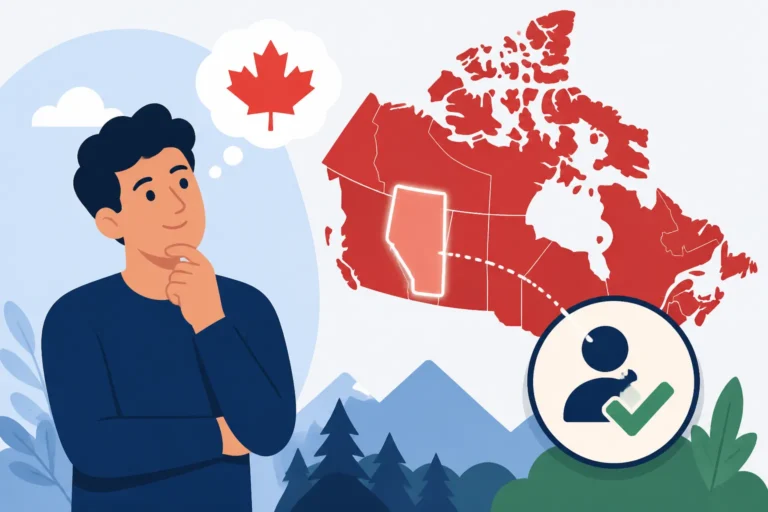
The term "visa-exempt" can be a bit of a siren song, luring many British citizens into a false sense of complete freedom when planning their trip to Canada. You hear "visa-exempt" and your mind instantly conjures images of breezing through customs with just your passport and a polite nod. If only it were that simple! While it's true that as a British citizen, you generally don't need a traditional temporary resident visa to enter Canada for short visits, there's a critical piece of the puzzle many overlook: the Electronic Travel Authorization, or eTA.
For years, British citizens flying to Canada could indeed just show up with their passport. But the world, and Canada's immigration policies, have evolved. The introduction of the eTA in 2016 fundamentally changed how visa-exempt foreign nationals, including those from the UK, enter Canada by air. So, when someone says "visa-exempt," what they actually mean is "visa-exempt, but you still need an eTA if you're flying in." It’s a subtle but hugely significant distinction that can, and often does, cause stress and missed flights if not understood. For a deeper dive into this, you might want to check out our detailed guide: Do I Need a Visa or eTA to Visit Canada in 2027?.
The Unseen Requirement: Your eTA
Let's get this straight from the get-go: if you're a British citizen planning to fly to Canada, you must have an eTA. This isn't a suggestion; it's a mandatory pre-screening requirement. Think of it as a digital permission slip that’s electronically linked to your passport. Without it, airlines won't even let you board your flight to Canada. I've heard countless stories from fellow expats about friends and family from the UK showing up at the airport, excited for their Canadian adventure, only to be turned away at the check-in desk because they didn't have this simple document. The frustration and disappointment are palpable, and entirely avoidable.
Applying for an eTA is thankfully a straightforward online process. It usually costs a modest CAD $7 and is valid for up to five years, or until your passport expires, whichever comes first. It allows for multiple entries into Canada for short visits. The application typically takes only a few minutes to complete, and most approvals are granted within minutes or hours. However, in some cases, it can take several days if additional documentation is requested. So, my advice? Apply for your eTA as soon as you book your flights, not the day before departure. Trust me, that peace of mind is priceless. To learn more about this vital document, read our guide: What Is an eTA and Do I Need One for Canada?.
The "Default" Six-Month Stay: Not a Guarantee
Once you've successfully navigated the eTA hurdle and landed in Canada, British citizens are generally authorized to stay for up to six months. This is often referred to as the "visa-exempt period." However, and this is another crucial point that often catches people off guard, this six-month period is not an automatic right. The final decision on the length of your stay rests solely with the Canada Border Services Agency (CBSA) officer at your port of entry.
When you arrive at customs, the officer will assess your purpose of visit, your ties to your home country, and whether you have sufficient funds to support yourself during your stay without working illegally. They might ask for proof of onward travel, like a return flight ticket. If they have any doubts, they can grant you a shorter stay – say, two weeks or three months – or even deny you entry altogether, though the latter is rare if all your paperwork is in order and you're genuinely here for a legitimate visit. You’ll know the exact date you need to leave Canada because the CBSA officer will stamp your passport and write the departure date, or if there's no stamp, the default is six months from your entry date. Always, always verify this date before leaving the airport! It’s your responsibility to know when your legal stay expires. If you want to know more about the typical stay duration, check out: How Long Can I Stay in Canada on a Visitor Visa?.
Essential Requirements and Conditions for Entry Beyond the eTA
So, we’ve established the eTA is crucial for British citizens flying into Canada. But what else do you need to be aware of when you step up to that customs desk? It’s not just about having the right digital authorization; it’s about presenting yourself as a genuine visitor with a clear purpose and the means to support your trip.
Your Valid British Passport: Beyond the Expiry Date
First and foremost, your British passport must be valid for your entire intended stay in Canada. This might sound obvious, but many people don't realize that some countries require your passport to be valid for at least six months beyond your planned departure date. While Canada doesn't have this specific "six-month rule" for British passports, it's always prudent to have ample validity on your passport. An expiring passport during your stay could lead to unnecessary complications, especially if you need to extend your visit unexpectedly. Ensure your passport is in good condition; a damaged passport, even slightly, could cause issues at the border.
Your Purpose of Visit and Demonstrating "Ties to Home"
When the CBSA officer asks about the purpose of your visit, be clear and concise. Are you here for tourism? Visiting family? Attending a conference? Your answer should align with your "visa-exempt" status, which generally means temporary visits for tourism, family visits, or short business trips. This status does not permit you to work, study, or live in Canada permanently without proper permits.
Officers are trained to look for "ties to home" as evidence that you intend to leave Canada at the end of your authorized stay. This could include:
- Return airline tickets: Showing you have a confirmed departure plan.
- Proof of employment in the UK: A letter from your employer stating your position and that you're expected back.
- Property ownership or lease agreements in the UK: Demonstrating you have a residence to return to.
- Family responsibilities in the UK: Proof of dependents or ongoing care responsibilities.
- Bank statements: To show you have enough funds to support yourself during your Canadian trip without seeking illegal employment. They want to see that you won't become a burden on the Canadian system.
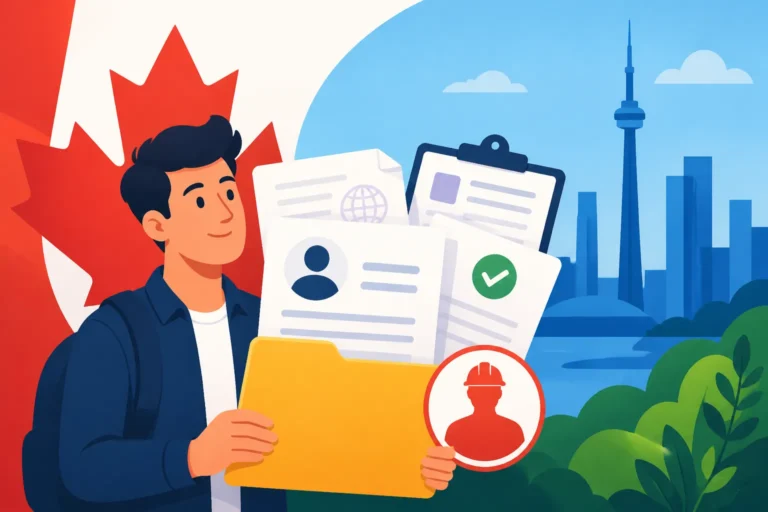
While you might not be asked for all of these, having them readily available, perhaps in a well-organized folder in your carry-on, can save you a lot of anxiety and time at the border. It shows you're prepared and have nothing to hide. For a better understanding of how to get your documents ready for any IRCC application, check out How to Get Your Documents Ready for an IRCC Application.
The Unspoken Necessity: Private Health Insurance
Here's where my experience as an expat really kicks in. While Canada boasts a fantastic public healthcare system, it's generally not accessible to visitors, even those on a "visa-exempt" entry. If you fall ill or have an accident during your stay, you could face astronomical medical bills. A simple emergency room visit could run into thousands of dollars, and a serious accident or prolonged hospitalization? We're talking tens of thousands, easily. This is not to scare you, but to be realistic. I've known people who had minor incidents, like a broken arm or a bad flu, and the resulting bills were a brutal shock.
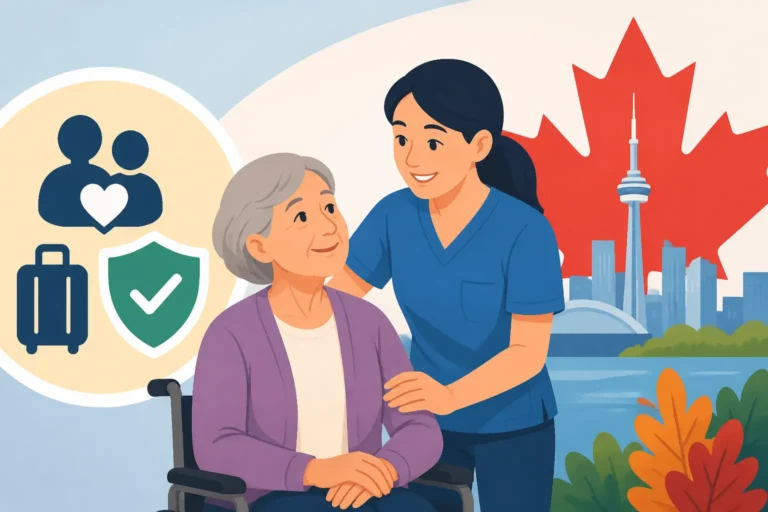
This is why robust private health insurance is absolutely non-negotiable for any British citizen visiting Canada. Don't risk it. Before you travel, ensure you have comprehensive coverage that includes emergency medical care, hospitalization, and repatriation if necessary. Companies like Cigna Global specialize in international health insurance, providing peace of mind for travelers. It's an investment in your well-being and financial security, because Canada's healthcare, while public for residents, is definitely not free for visitors. For information on emergency care, refer to Emergency Medical Care in Canada: What Every Newcomer Needs to Know, and for costs, How Much Does a Doctor Visit Cost in Canada Without Coverage?.
Navigating Stays Beyond the Initial Period
So, you're here, you've settled in, and you're absolutely loving Canada. Maybe you're visiting family, exploring the stunning landscapes, or found yourself captivated by a particular city. Now, your six-month authorized stay is drawing to a close, and you're thinking, "I'm just not ready to leave yet!" What do you do?
The default six-month period, as we've discussed, is not an immutable law. It's the standard, but it can be extended under specific circumstances. However, this isn't a casual decision, and it requires proactive steps.
Applying for a Visitor Record to Extend Your Stay
If you wish to stay longer than the period initially granted (or the default six months if no date was stamped), you must apply for a "visitor record" before your current legal status expires. This is critically important. Waiting until the last minute or, worse, overstaying, can have severe consequences for any future travel or immigration plans to Canada.
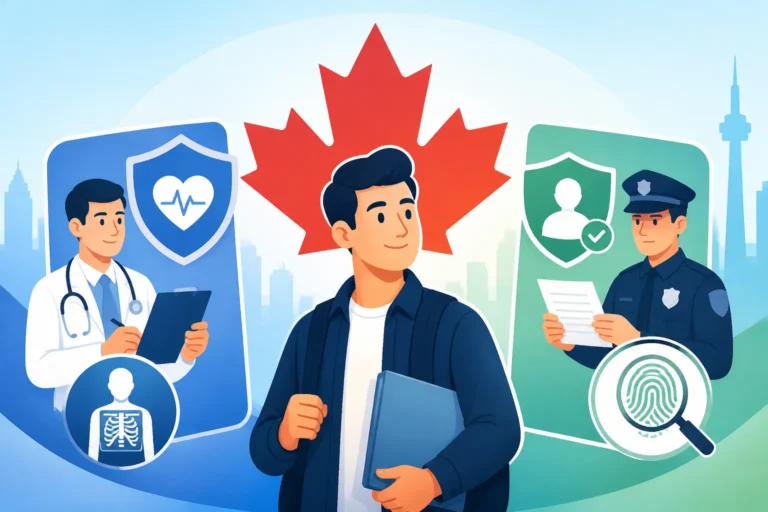
The application for a visitor record is usually done online through the IRCC (Immigration, Refugees and Citizenship Canada) portal. You'll need to provide reasons for your extension, prove you still have sufficient funds, maintain your ties to your home country, and potentially undergo a medical examination if your stay will exceed a certain duration (e.g., more than six months in total in Canada). You might also need to demonstrate that you continue to hold adequate private health insurance, especially if unexpected medical issues are part of your reason for seeking an extension. Companies like Cigna Global often have options for extended travel insurance that can cover such periods. The processing times for visitor records can vary widely, so apply well in advance, ideally 30 days or more before your status expires.
The Concept of "Implied Status"
What happens if you apply for a visitor record before your current status expires, but IRCC hasn't made a decision by your original departure date? This is where "implied status" comes in. If you remain in Canada after your authorized period of stay has expired, but you've submitted an application to extend your stay before that expiry date, you are considered to have "implied status." This means you can legally remain in Canada under the same conditions as your previous permit until a decision is made on your new application. It’s a huge relief for many, but it's not an excuse to delay your application. Implied status only applies if your application was complete and submitted on time.
Consequences of Overstaying: A Serious Warning
Let me be brutally honest here: overstaying your welcome in Canada is a really bad idea. It's not just a minor infraction; it can lead to serious immigration consequences. If you remain in Canada after your authorized period has ended without having applied for an extension, you become "out of status." This means you're illegally present in the country.
The repercussions can include:
- Deportation: You could be ordered to leave Canada.
- Bans: You might be banned from re-entering Canada for a significant period, often one year or more.
- Future Immigration Impact: Any future applications for Canadian visas, work permits, study permits, or even permanent residency will be severely impacted, if not outright denied, due to your history of non-compliance.
It's simply not worth the risk. Always keep track of your authorized stay date and act promptly if you need to extend it. For comprehensive information on this topic, refer to What Happens If I Overstay My Visa in Canada?.
The "Border Run" Myth: Leaving and Re-entering
Many long-term travellers, especially those who enjoyed the simpler pre-eTA days, might suggest a "border run" – leaving Canada for a short trip (e.g., to the US) and then re-entering, hoping to reset the six-month clock. While this might have worked in the past or under very specific circumstances, it's not a reliable or recommended strategy, especially for British citizens aiming to prolong a visitor stay.
CBSA officers are highly aware of this tactic. If they suspect you're simply trying to circumvent immigration rules by leaving and immediately re-entering, they can deny you re-entry, grant you a much shorter stay, or ask probing questions about your true intentions. It's crucial that each entry into Canada is a new, genuine visit with a legitimate purpose. Do not assume leaving for a weekend and coming back will automatically grant you another six months.
Transitioning from Visitor to Resident: Work, Study, or Immigration
You've experienced Canada as a visitor, and now you're considering something more permanent. Perhaps you've fallen in love with the bustling streets of Toronto, the natural beauty of British Columbia, or the vibrant culture of Montreal. Many British citizens arrive as visitors and then explore options for a longer stay. However, this transition is not as simple as deciding to convert your visitor status.
It's a common misconception that you can simply "switch" your visitor status to a work or study permit from within Canada. Generally, this is not the case. Unless you fall under very specific, limited exceptions (such as being the spouse of a Canadian citizen or permanent resident, or meeting specific criteria for certain temporary public policies), you typically need to apply for these permits before arriving in Canada or from outside Canada.
The Path to a Work Permit
If your goal is to work in Canada, you’ll almost certainly need a work permit. For British citizens, this usually means securing a job offer from a Canadian employer who has obtained a Labour Market Impact Assessment (LMIA), which proves that hiring a foreign worker will not negatively impact Canadian jobs. There are also LMIA-exempt work permits, which apply to certain professions or international agreements (like the International Experience Canada program for youth).
Applying for a work permit is a separate, more complex process than obtaining an eTA. It requires specific documentation, processing fees, and can take several weeks or even months. You generally cannot begin working in Canada simply because you have a job offer and are a visa-exempt visitor. You need the work permit itself. To understand the specifics of applying for a work permit, please read How Do I Apply for a Work Permit for Canada?.
Pursuing Education with a Study Permit
Similarly, if you're enchanted by Canada's educational institutions and wish to study, you'll need a study permit. To be eligible, you must first be accepted by a Designated Learning Institution (DLI) in Canada. Once accepted, you apply for the study permit. Like work permits, study permits generally need to be obtained before you arrive in Canada, or from outside the country. There are limited situations where you might apply from within, such as if you are already in Canada on a different type of permit that allows you to transition. However, simply being a visitor does not typically grant you this option.
A study permit also has specific conditions, such as continuous enrollment and adherence to any work restrictions if your permit allows for part-time work. It’s a formal process, and you can’t just enroll in a university or college as a visitor. For more information, check out How Do I Apply for a Study Permit for Canada? and Can I Study in Canada on a Visitor Visa?.
The Long Game: Permanent Residence
For those British citizens who envision a life-long future in Canada, the ultimate goal is often permanent residence (PR). This is an entirely different category of immigration and involves a much more comprehensive application process. Common pathways include Express Entry (which manages applications for skilled workers), Provincial Nominee Programs (PNPs), or family sponsorship.
Moving to Canada permanently is a monumental undertaking, requiring extensive documentation, adherence to eligibility criteria, and often, a significant investment of time and effort. If you are serious about making Canada your long-term home, you'll need to explore these immigration pathways, which are distinct from visitor status. Many new residents use international moving services to help with the logistics of bringing their entire lives across the ocean. Companies like Sirelo can assist with comparing quotes and finding reliable movers to make this transition smoother. For a detailed roadmap to immigrating, consult our guide: How Do I Immigrate to Canada?.
In summary, while your British passport offers the convenience of visa-exempt travel for short visits to Canada, remember that this status is specifically for temporary purposes. Any intention to work, study, or live permanently requires a dedicated application process through the appropriate immigration streams.
| Aspect | British Citizen (Visa-Exempt) for Tourism/Visitor | British Citizen (Work Permit) | British Citizen (Study Permit) |
|---|---|---|---|
| Visa Requirement | No formal visa, but eTA mandatory for air travel. | No visa, but work permit required. | No visa, but study permit required. |
| Entry Document | Valid British Passport + eTA (for air). | Valid British Passport + Work Permit. | Valid British Passport + Study Permit. |
| Default Stay Duration | Up to 6 months (at CBSA officer's discretion). | Specified on permit (can be years). | Specified on permit (can be years). |
| Purpose of Stay | Tourism, visiting family/friends, short business. | Employment. | Education at DLI. |
| Can Work? | No. | Yes, as per permit conditions. | Yes, often part-time, as per permit. |
| Can Study? | No (short courses may be exceptions). | No (unless specified). | Yes, at DLI. |
| Extend Stay (Visitor)? | Yes, via Visitor Record application. | Possible to extend work permit. | Possible to extend study permit. |
| Healthcare Access | Private health insurance essential. | Provincial coverage (after waiting period). | Provincial coverage (after waiting period). |
| Application Location | eTA: Online, usually before travel. | Work Permit: Often outside Canada. | Study Permit: Often outside Canada. |
Disclaimer
The information provided in this guide is for general informational purposes only and does not constitute legal advice. Immigration policies and requirements for Canada are subject to change. It is crucial to consult the official website of Immigration, Refugees and Citizenship Canada (IRCC) or a qualified Canadian immigration lawyer or consultant for the most accurate and up-to-date information pertaining to your specific situation. Relying solely on general information without professional consultation may lead to errors or issues with your immigration status.