Do I Need a Visa or eTA to Visit Canada in 2027?
Figuring out the entry requirements for Canada can feel like trying to solve a Rubik's Cube while blindfolded, especially when you're just trying to plan a visit. The rules around visas and Electronic Travel Authorizations (eTAs) can be confusing and they do change from time to time, leaving many newcomers scratching their heads. This guide will cut through the jargon and explain exactly whether you'll need a visa or an eTA to visit Canada in 2026, offering clear steps to help you get prepared.
Navigating Canada's Entry Requirements: Visa, eTA, or Neither?
When you’re dreaming of Canada’s majestic mountains, bustling city streets, or serene wilderness, the last thing you want to be stressing about is whether you have the right paperwork to even get here. The truth is, Canada has a pretty robust system to determine who needs what, and it all boils down to your citizenship and, sometimes, how you’re arriving. It’s not just a guessing game; there are clear distinctions that every potential visitor needs to understand. Getting this wrong can literally mean being turned away at the border, which is a nightmare no one wants.
Understanding Visa-Exempt Countries
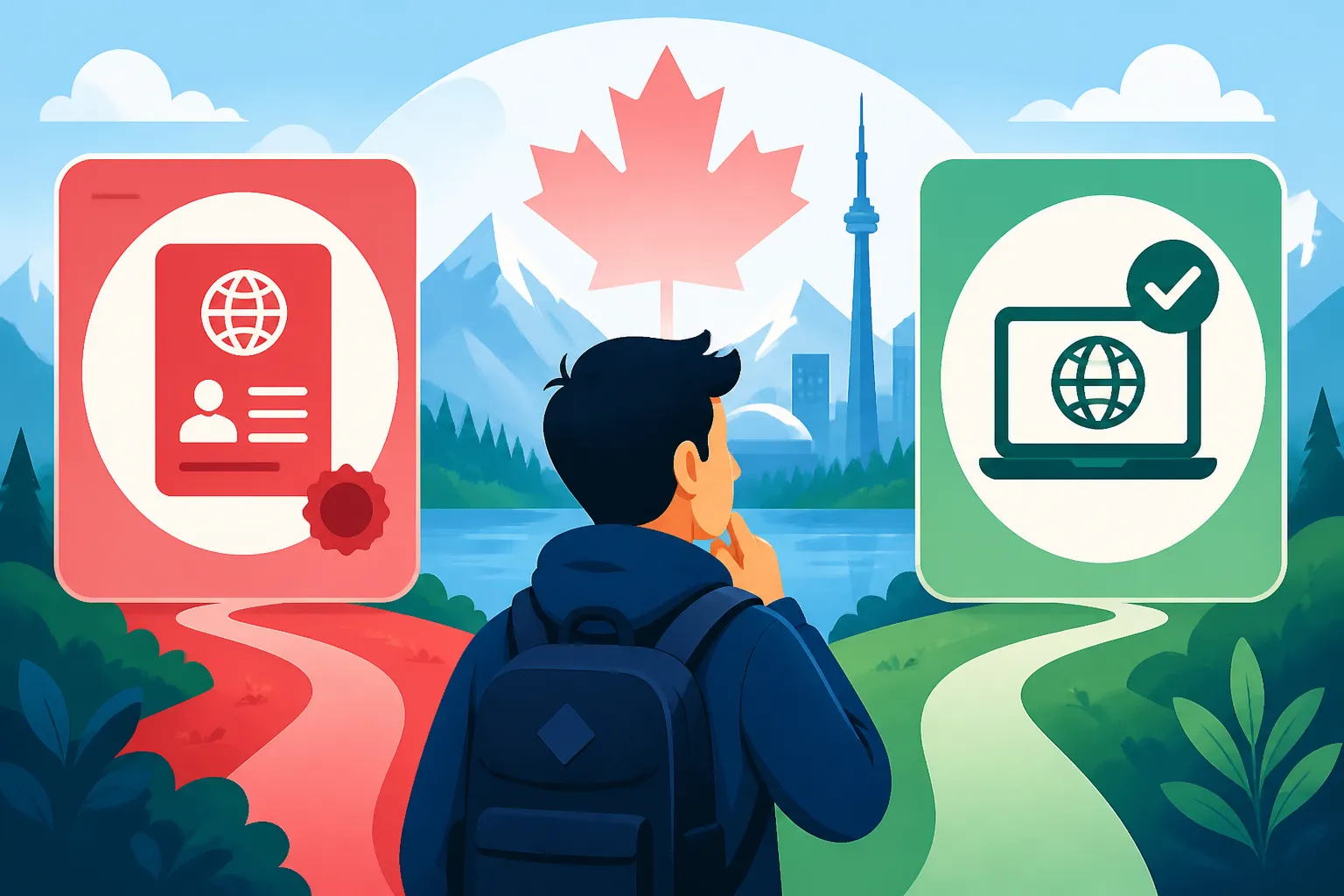
Many countries have agreements with Canada that allow their citizens to enter without needing a full visitor visa. This is fantastic news for travellers from places like the United Kingdom, most of Western Europe, Australia, and Japan, among others. If you hold a passport from one of these visa-exempt countries, you generally don't need to apply for a traditional visa. It sounds simple, right? Well, not quite. While you're exempt from a visa, a relatively new requirement for most of these travellers is the Electronic Travel Authorization, or eTA. This small but mighty document is often overlooked, leading to last-minute panic at the airport. It's designed to pre-screen travellers and ensure they don't pose a security risk before they even board a plane to Canada. So, if you're flying in, even if you don't need a visa, an eTA is almost certainly going to be on your checklist.
When a Visitor Visa Is Required
On the flip side, citizens from certain countries are always required to obtain a temporary resident visa, more commonly known as a visitor visa, before they can enter Canada. This applies to a vast number of nations across the globe, including but not limited to, India, China, the Philippines, and many countries in Africa and South America. For these travellers, the process is a bit more involved, requiring a formal application, submission of supporting documents, and often an in-person interview or biometric data collection. It’s a thorough check to ensure you meet all the eligibility criteria for entering Canada, including proving you have sufficient funds for your stay, strong ties to your home country (to ensure you’ll leave), and no criminal history. This isn't meant to be a barrier, but rather a necessary step to maintain the integrity of Canada's borders and immigration system. It's crucial to start this application process well in advance, as processing times can vary significantly.
The Electronic Travel Authorization eTA Explained
Okay, so let's really dive into this eTA thing, because it's where a lot of people get tripped up. The eTA is essentially an electronic travel document that visa-exempt foreign nationals need when flying to or transiting through a Canadian airport. It’s electronically linked to your passport and is valid for up to five years or until your passport expires, whichever comes first. Think of it as a digital green light to board your plane to Canada. It became mandatory in 2016, so if you haven't visited Canada since then, or you're used to the old rules, this is probably the biggest change you need to be aware of.
The application is entirely online and usually takes just a few minutes to complete. You'll need your passport, a credit card (the fee is quite small, currently CAD $7), and an email address. Most applicants receive their eTA approval within minutes, though in some cases, it can take a few days if additional documents are requested. The critical thing to remember is that you must have an approved eTA before you board your flight. Too many people arrive at the airport, only to be denied boarding because they didn't realize they needed one. Don't be that person! Even if you are just passing through a Canadian airport on your way to another country, an eTA is required if you're from a visa-exempt country.
Who Needs What: A Detailed Breakdown
The lines between needing an eTA, a visa, or nothing at all can still feel a bit blurry, even after reading through the explanations. Let's break it down further with some specific scenarios to make it crystal clear for your 2026 visit. Understanding these nuances is key to a smooth entry experience.
Visa-Required Countries
For citizens of countries that do not have a visa-waiver agreement with Canada, a visitor visa is a non-negotiable step. This group includes a significant portion of the global population. When you apply for a Canadian visitor visa, you're essentially asking for permission to enter the country for a temporary period, typically for tourism, visiting family, or attending business meetings. The Canadian government's website (IRCC) provides a comprehensive list of countries requiring a visa.
The application process usually involves:
- Filling out an online application form (IMM 5257).
- Gathering supporting documents such as proof of funds, a letter of invitation (if visiting someone), travel itinerary, and proof of your intention to return home.
- Paying the application fee.
- Providing biometrics (fingerprints and photo) at a designated Service Canada office or visa application centre (VAC) in your home country.
- Attending an interview, if requested.
This isn't a quick process, and it requires careful attention to detail. Any missing documents or inconsistencies can lead to delays or even refusal. My best advice here is to be meticulously organized and completely honest in your application.
eTA-Required Countries
This is where many visa-exempt travellers can stumble. If you hold a passport from one of the approximately 50 visa-exempt countries (like France, Germany, Australia, New Zealand, Ireland, and the UK), you will need an eTA if you are flying to Canada. This also includes permanent residents of the United States who are not U.S. citizens (they need an eTA but don't need a visitor visa).
It's a small online application, but a necessary one. Here's a common scenario: you book your flight, pack your bags, and head to the airport, only to be told you can't check in because you don't have an eTA. Panic sets in! While the eTA approval is often instant, it can take longer, so applying at least a few days, or even weeks, before your trip is a smart move. An approved eTA makes the airline's job easier and, more importantly, ensures you don't miss your flight.
Exceptions and Special Cases
Ah, the exceptions! Canada’s system, while generally clear, does have a few special cases that can add to the confusion. Knowing these might save you a headache:
- U.S. Citizens: If you are a U.S. citizen, you are one of the very few who don't need an eTA or a visa to enter Canada, regardless of whether you arrive by air, land, or sea. Just present your valid U.S. passport, and you're good to go. This simplifies things greatly for our neighbours to the south.
- Permanent Residents of Canada: If you are a permanent resident of Canada, you do not need an eTA or a visitor visa. However, you must present your valid Permanent Resident (PR) card when travelling by air. Without it, you could be denied boarding. If your PR card is expired, you might need a PR travel document to return to Canada. Remember, maintaining your PR status in Canada is crucial, so always keep your documents up to date.
- People with Valid Work or Study Permits: If you already hold a valid Canadian work permit or study permit that was approved before you travel, you generally won't need an eTA or a visitor visa to enter Canada, as long as you arrive by air. Your permit itself acts as your authorization to enter. However, if you are from a visa-required country, and your permit was issued from within Canada, you might need a Temporary Resident Visa (TRV) to re-enter if you leave and wish to come back. It’s a bit of a loop, so always double-check your specific situation with IRCC.
- Land or Sea Entry: For visa-exempt foreign nationals entering Canada by land (e.g., driving from the U.S.) or sea (e.g., on a cruise ship), an eTA is not required. You only need your valid passport and relevant travel documents. This is a common point of confusion – the eTA requirement is primarily for air travel.
To help you get a quick overview, here's a simple table:
| Traveller Type | Arriving by Air | Arriving by Land/Sea | Key Considerations |
|---|---|---|---|
| Visa-Exempt Foreign National | eTA required | No eTA required | Passport must be valid. |
| Visa-Required Foreign National | Visitor Visa required | Visitor Visa required | Apply well in advance. Includes biometric submission. |
| U.S. Citizen | No eTA/Visa required | No eTA/Visa required | Valid U.S. passport is sufficient. |
| Canadian Permanent Resident | Valid PR card required | Valid PR card required | Cannot use expired PR card for air travel; may need PR Travel Document. |
| Valid Canadian Work/Study Permit Holder | Permit acts as entry auth | Permit acts as entry auth | If from visa-required country, check if a TRV is needed for re-entry after leaving Canada. |
Applying for Your Travel Document: Step-by-Step
Alright, so you’ve figured out what you need – now comes the how. Don’t worry, while it can seem daunting, breaking it down makes it much more manageable. The key here is organization and not leaving things until the last minute. Travellers stranded at airports often find that preparedness is your best friend!
Applying for a Visitor Visa
If you're from a country that requires a visitor visa, the process is a bit more involved than an eTA, but it’s entirely doable. The Canadian government's immigration portal, managed by Immigration, Refugees and Citizenship Canada (IRCC), is your go-to resource.
- Determine Eligibility: First, visit the official IRCC website. Use their "Come to Canada" tool to confirm you need a visitor visa and see the specific requirements for your country. This also generates a personalized checklist of documents you’ll need.
- Gather Documents: This is critical. You'll likely need:
- A valid passport (with at least six months validity beyond your intended stay).
- Proof of financial support (bank statements, pay stubs) to show you can support yourself during your visit.
- A letter of invitation from a Canadian host, if applicable.
- Proof of strong ties to your home country (job letter, property ownership, family commitments) to convince the officer you will leave Canada.
- A detailed travel itinerary.
- Digital photos that meet IRCC specifications.
- Create an IRCC Online Account: Most applications are now done online. This account allows you to upload documents, pay fees, and track your application status.
- Complete the Application Form: Fill out the IMM 5257 (Application for a Temporary Resident Visa) accurately and completely. Don’t rush this part.
- Pay Fees: The visitor visa fee is currently CAD $100 per person, plus a CAD $85 biometric fee if required. You can pay online through your IRCC account.
- Provide Biometrics: Once you submit your application and pay the fees, you'll receive a Biometric Instruction Letter. You’ll need to take this letter to a Visa Application Centre (VAC) or Service Canada office (if you're already in Canada) to have your fingerprints and photo taken. This usually needs to be done within 30 days.
- Wait for a Decision: Processing times vary widely depending on your country of residence and the volume of applications. It can range from a few weeks to several months. Always check the current processing times on the IRCC website. During this waiting game, having robust travel insurance, like what Cigna Global offers, can provide peace of mind in case of unexpected delays or medical needs. Knowing that you're covered for potential medical emergencies while waiting for your visa to be processed, or even during your initial visit, is invaluable.
Applying for an eTA
Compared to the visitor visa, applying for an eTA is a breeze. It’s quick, efficient, and largely automated.
- Visit the Official Website: Go directly to the Government of Canada's official eTA application website. Be very careful to avoid unofficial sites that might charge exorbitant fees or be fraudulent.
- Gather Information: You’ll need:
- Your valid passport.
- A credit card (Visa, MasterCard, American Express, etc.) for the CAD $7 fee.
- An email address.
- Complete the Online Form: Answer all questions truthfully. It covers basic personal information, passport details, and some security questions.
- Pay the Fee: The CAD $7 fee is non-refundable.
- Receive Confirmation: Most applications are approved within minutes, and you’ll receive an email confirmation. Keep this email; it contains your eTA number. In some rare cases, you might be asked to submit additional documents, which could delay approval by a few days.
Once approved, your eTA is electronically linked to the passport you used to apply, so make sure you travel with that same passport!
Essential Documents and Information
Whether you need an eTA or a visitor visa, there are some universal truths when it comes to travelling to Canada. Always have these on hand:
- Valid Passport: This is non-negotiable. Ensure it's valid for at least six months beyond your planned departure date from Canada.
- Proof of Funds: Be prepared to show you have enough money to support yourself during your stay. This could be bank statements, a letter from a financial institution, or even a letter from a host confirming they will support you.
- Return Ticket or Onward Travel: An airline ticket confirming your departure from Canada is often expected. This helps assure border officers that you intend to leave.
- Accommodation Details: Where will you be staying? Hotel bookings, a letter from family/friends, or a rental agreement.
- Travel Insurance: While not always legally mandatory for entry, it is highly recommended. Canadian healthcare, while excellent for citizens and permanent residents, can be incredibly expensive for visitors. A simple emergency appendectomy or a broken bone could set you back tens of thousands of dollars. This is where options like Cigna Global come into play, providing crucial medical coverage for unexpected situations during your visit.
- Copy of Your eTA or Visa Approval: While your eTA is linked electronically, having a printout of your approval email or visa confirmation page can sometimes speed things up or serve as a backup.
Remember, even with an approved visa or eTA, the final decision on entry rests with the Canada Border Services Agency (CBSA) officer at your port of entry. Being prepared, polite, and honest will go a long way.
Common Pitfalls and What to Watch Out For
Even with all the preparation in the world, things can sometimes go sideways. I've witnessed countless scenarios where a small oversight or misunderstanding led to major headaches for travellers. Avoiding these common pitfalls is just as important as knowing the application steps themselves.
The Waiting Game and Travel Insurance
The phrase "the waiting game" is practically a national anthem for anyone dealing with Canadian immigration or travel documents. If you're applying for a visitor visa, especially from a country with high demand, processing times can stretch. This waiting period isn't just an inconvenience; it can be a source of real anxiety. You've planned your trip, possibly bought non-refundable flights, and now you're just… waiting. This is why applying well in advance is not just a suggestion but a necessity. Don't book anything irreversible until your visa or eTA is firmly in hand, unless the ticket is fully refundable.
And here’s a crucial point about travel insurance. Canada’s healthcare system is brilliant, but it's not a free-for-all for visitors. If you get sick or have an accident, even something as minor as a sprained ankle needing an x-ray, the costs can escalate dramatically. Imagine facing a medical bill of thousands of dollars just because you underestimated the need for coverage. This is where services like Cigna Global come in. They specialize in international health insurance and can provide comprehensive plans specifically designed for travellers. It’s not just about covering emergencies; it’s about giving you peace of mind so you can enjoy your visit without the looming fear of unforeseen medical expenses. Newcomers should think of travel insurance not as an optional extra, but as an essential part of your travel budget, especially if you have to contend with a The Newcomer Waiting Period for Provincial Health Coverage in Canada (2027).
Port of Entry: What to Expect from Border Services
An approved eTA or visitor visa does not guarantee entry into Canada. The final say always rests with the Canada Border Services Agency (CBSA) officer at your port of entry. They are the gatekeepers, and their job is to ensure everyone entering Canada meets the requirements and doesn't pose a risk.
When you arrive, whether at Pearson International Airport in Toronto, Vancouver International, or crossing a land border, you’ll go through primary inspection. You'll present your passport (and visa/eTA confirmation if asked) and answer a few questions. These questions are usually straightforward:
- What is the purpose of your visit?
- How long do you intend to stay?
- Where will you be staying?
- Do you have enough money to support yourself?
- Do you have a return ticket?
Be honest, polite, and direct in your answers. Have all your supporting documents readily accessible – bank statements, hotel bookings, invitation letters, your return ticket, and your travel insurance policy. If the officer has any concerns, they might refer you to a secondary inspection, which involves a more detailed interview. This isn’t necessarily a bad thing; it just means they need more information. Stay calm, cooperate, and answer all questions truthfully. Remember, they're simply doing their job to protect Canadian borders. For more details on what to expect, read up on Emergency Medical Care in Canada: What Every Newcomer Needs to Know.
Planning Your Move: Beyond the Visit
Sometimes, a simple visit to Canada can ignite a desire to stay longer, perhaps even permanently. Many people start by exploring Canada as a tourist, falling in love with the country, and then begin to think about what it would take to live and work here. If you find yourself in this boat, it's crucial to understand that visiting and immigrating are two very different processes with distinct requirements. You cannot simply transition from a visitor status to a worker or student status without going through the appropriate application processes.
If your visit sparks an ambition to make Canada your home, start researching the various immigration pathways, such as Express Entry or Provincial Nominee Programs. The Canadian government offers many routes for skilled workers, students, and families. You’ll need to apply for the correct permits or permanent residency from either within Canada or from your home country, depending on the stream and your current status. This transition often involves a lot of paperwork, including getting your foreign credentials recognized in Canada and adapting your resume for the Canadian job market. If you're considering a move, resources like Sirelo, which specializes in international moving services, can be incredibly helpful. They can assist with the logistics of moving your entire life, from household goods to vehicles, taking a huge burden off your shoulders when that decision to relocate permanently is made. Understanding How Your Immigration Status Affects Health Coverage in Canada is also a good idea if you're thinking long-term.
No matter your reason for coming, whether it's a short holiday to see the Rockies or a scouting mission for a new life, having your ducks in a row for your initial entry is paramount. Safe travels, and enjoy your time in Canada!
Disclaimer
The information provided in this article is intended for general guidance only and is subject to change. Visa and eTA requirements, as well as immigration policies, are determined by the Government of Canada and can be updated without prior notice. Always consult the official Immigration, Refugees and Citizenship Canada (IRCC) website for the most current and accurate information relevant to your specific situation before making any travel plans.