Where Can I Get a Vaccine as an Adult in Canada?
Navigating the Canadian healthcare system can feel like learning a new language, especially when you’re trying to figure out something as specific as where to get your adult vaccinations. Many newcomers arrive with an immunization history from their home country that might not perfectly align with Canadian standards, or they simply haven't thought about adult boosters in years. This comprehensive guide is here to demystify the process, helping you understand which vaccines you might need, where to get them, and what to expect regarding costs and coverage.
Understanding Canada's Adult Immunization Schedule
Let's be real, most of us only remember getting vaccines as kids. But adult immunizations are crucial for maintaining your health and protecting the community here in Canada. The specific vaccines you might need can depend on several factors: your age, your past immunization history, your lifestyle, your occupation, and any underlying health conditions. It's not a one-size-fits-all situation, and that's often where the confusion begins for newcomers.
Routine Vaccinations for Adults
Just like when we were children, there’s a schedule for adults that outlines recommended vaccines throughout your life. While the exact recommendations can vary slightly by province or territory, there's a general consensus across Canada for key immunizations. These are usually designed to protect against diseases that could be severe or that can easily spread within the population.
For instance, the tetanus, diphtheria, and pertussis (Tdap) vaccine is strongly recommended for adults, especially if you're interacting with infants or young children. Pertussis, or whooping cough, can be particularly dangerous for babies. You'll generally need a booster for tetanus and diphtheria (Td) every 10 years. Then there's the annual influenza (flu) shot, which is highly encouraged for everyone over six months of age to protect against seasonal flu strains. This isn't just about protecting yourself; it's about safeguarding vulnerable populations around you. Beyond that, depending on your age and medical history, you might be looking at vaccines for measles, mumps, and rubella (MMR) if you didn't receive two doses as a child or lack immunity. Varicella (chickenpox) is another one, especially if you've never had chickenpox or the vaccine.
Don't forget human papillomavirus (HPV) vaccination, which is recommended for both males and females up to certain ages, and shingles (herpes zoster) vaccine for older adults. Pneumococcal vaccines are also crucial, particularly for seniors and those with certain chronic health conditions, protecting against serious infections like pneumonia and meningitis. It really is a dynamic list that changes as medical science advances and as public health priorities shift.
Catch-Up Vaccinations for Newcomers
This is often the biggest hurdle for new arrivals. When you come to Canada, your immunization records from your home country might not be complete, might not be in English or French, or might not match the Canadian schedule precisely. It’s a common scenario, so please don't feel alone in this! Canadian healthcare providers need to understand your history to ensure you're adequately protected.
If your records are incomplete or unavailable, your doctor might recommend blood tests to check for immunity to certain diseases (titer tests). This helps determine which vaccines you genuinely need. For example, if you can’t prove you had two doses of the MMR vaccine, they might suggest you get them to ensure you’re immune. It's always better to be safe than sorry, and getting an extra dose of a vaccine you might already have had is generally not harmful. The goal here is to get you up to Canadian standards, minimizing the risk of outbreaks of preventable diseases. This catch-up process is a vital part of integrating into the Canadian health landscape and protecting your new community.
Special Considerations for Certain Groups
It's not just about age and past history; sometimes your job, your lifestyle, or even your travel plans dictate additional vaccination needs. Healthcare workers, for instance, often require specific immunizations like hepatitis B and annual flu shots to protect themselves and their patients. People who work with animals might need rabies vaccinations.
If you have chronic medical conditions like diabetes, asthma, or heart disease, or if you're immunocompromised, your doctor might recommend additional vaccines like the pneumococcal vaccine or annual flu shots to reduce the risk of severe complications. Pregnant individuals also have specific recommendations, such as the Tdap vaccine in each pregnancy to protect the newborn from pertussis. Furthermore, if you’re planning international travel, especially to certain regions, you'll need to consider specific travel vaccines like yellow fever, typhoid, or hepatitis A, which fall outside the routine Canadian schedule. This is where a conversation with your healthcare provider becomes essential to tailor a vaccination plan that suits your unique circumstances.
Where to Get Your Vaccinations in Canada
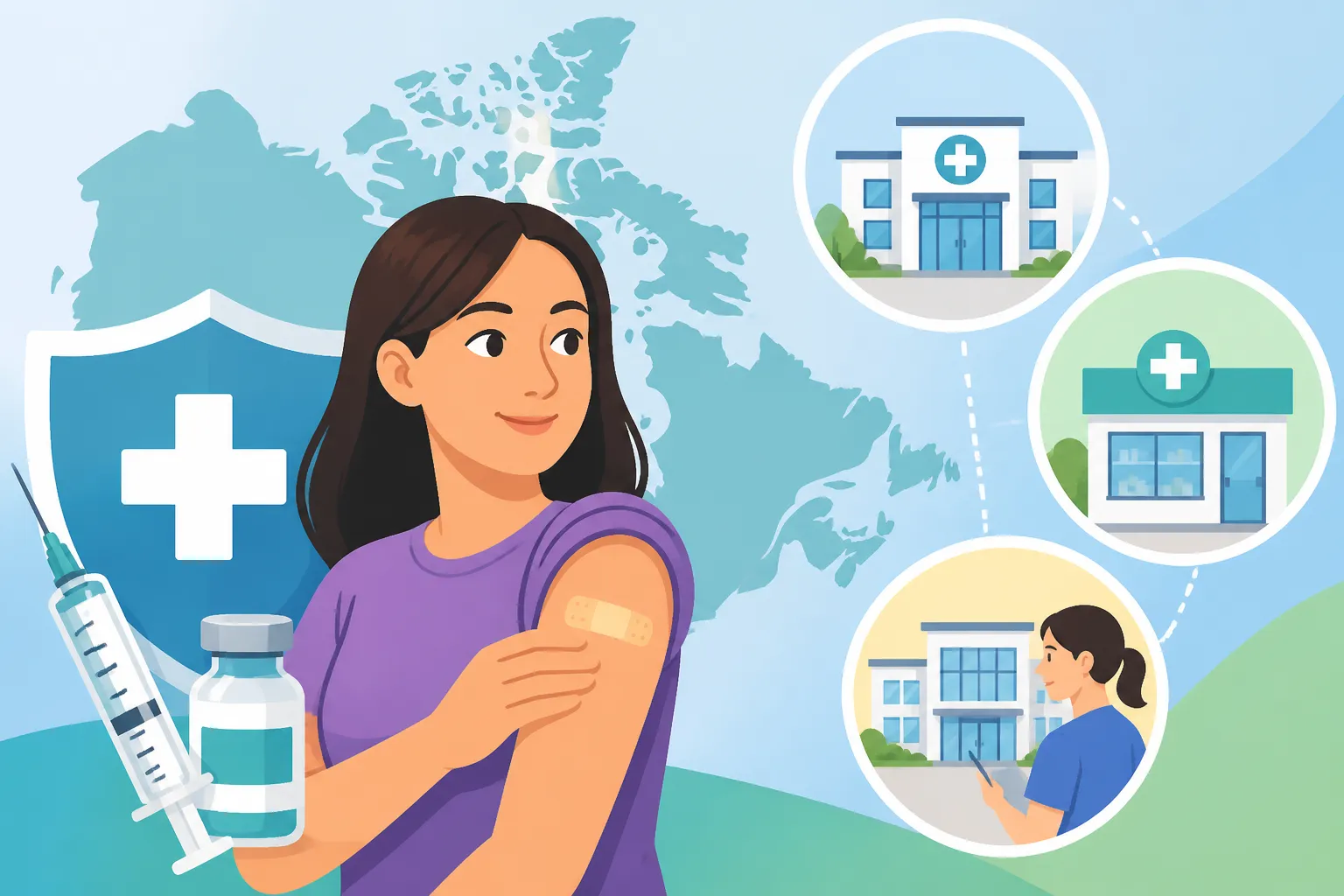
Now that you have a better idea of which vaccines might be on your radar, the next logical question is, "Where do I actually go to get these shots?" Thankfully, Canada offers several convenient options, each with its own advantages, which helps ease some of that initial stress you might feel as a newcomer.
Pharmacies
In many Canadian provinces, pharmacists are authorized to administer a wide range of vaccines, making your local pharmacy an incredibly convenient option. This is particularly true for the annual flu shot. During flu season, you’ll see signs everywhere encouraging you to get your shot at pharmacies like Shoppers Drug Mart, Rexall, or independent drugstores. Beyond the flu, many pharmacists can also administer vaccines like Tdap, HPV, and shingles, especially in provinces like Ontario, British Columbia, and Alberta.
The beauty of going to a pharmacy is that you often don't need an appointment, or if you do, they’re usually much easier to secure than with a doctor. This "walk-in" availability makes it a fantastic choice if you have a busy schedule or if you’re just trying to tick off a routine vaccine quickly. Plus, pharmacies are often located within grocery stores or shopping centres, making it easy to combine your vaccine visit with other errands. It’s a low-barrier access point that many Canadians rely on for routine immunizations, and a service that many newcomers appreciate for its simplicity.
Doctor's Offices and Walk-In Clinics
Your family doctor's office is another primary location for adult vaccinations. In an ideal world, once you’ve managed to How to Find and Register with a Family Doctor in Canada after arriving, they will maintain your immunization records, discuss your needs based on your health history, and administer vaccines right there in their office. This ensures continuity of care and that your vaccination plan is integrated with your overall health management.
If you haven't yet secured a family doctor – a common challenge for many newcomers, as discussed in "— then a walk-in clinic can serve as a valuable alternative. These clinics, such as those operated by MediOne or Appletree Medical Group, can often provide routine vaccinations. Just be prepared for potential wait times, as these clinics operate on a first-come, first-served basis for non-urgent care. The staff at walk-in clinics can also assess your needs and provide prescriptions for vaccines if they don't stock them on-site, guiding you on where to get them filled and administered. It's a good temporary solution while you navigate the often-tricky process of finding a permanent family physician.
Public Health Units
Every province and territory in Canada has public health units or regional health authorities that play a critical role in community health, including immunization programs. These units often offer free or low-cost vaccination clinics, particularly for routine vaccines or during public health campaigns. This can be an excellent option for newcomers, especially if you're in the initial waiting period for provincial health coverage or if you're facing financial constraints.
For instance, your local public health unit might host flu shot clinics in the fall, or offer specific vaccines for certain populations at no charge. They are also a fantastic resource for general information on immunization schedules and recommendations specific to your region. You can usually find information about their clinics and services on your municipal or provincial government website. A quick search for "[Your City/Region] public health unit vaccinations" should point you in the right direction. Utilizing these services can be especially helpful if you're trying to figure out Is Healthcare Free in Canada for Newcomers? during your initial months.
Travel Clinics
Planning an exotic trip? Or perhaps your work requires international travel to areas with specific health risks? That's where travel clinics come in. These specialized clinics focus on providing advice and vaccinations for international travellers. They often stock a wider range of vaccines than a typical doctor's office, including those for yellow fever, typhoid, hepatitis A, and Japanese encephalitis, which are not usually part of the routine Canadian schedule.
Because these are specialized services, they often come with a consultation fee, and the vaccines themselves may not be covered by your provincial health plan or even standard private insurance. This is a situation where having robust travel insurance, like that offered by SafetyWing, could provide peace of mind. While SafetyWing generally focuses on emergency medical situations, understanding what it covers for preventative care or travel-specific health needs before your trip is vital. If you're planning international travel, especially back to your home country or other destinations, a visit to a travel clinic well in advance of your departure is highly recommended.
Costs, Coverage, and What Newcomers Need to Know
This is often the part that causes the most anxiety for newcomers, and for good reason. Understanding the financial implications of healthcare, including vaccinations, in a new country can be complex. While Canada is known for its "free" healthcare, the reality for newcomers, especially in the initial stages, can be quite different.
Provincial Health Coverage and Waiting Periods
Once you become eligible for and receive your provincial health card – whether it's OHIP in Ontario, MSP in British Columbia, or RAMQ in Quebec – many routine adult vaccinations are typically covered. This means you won't pay out-of-pocket for the vaccine itself or the administration fee if administered by a doctor or a pharmacist covered under your provincial plan. Common examples include the annual flu shot, Tdap boosters, and some pneumococcal vaccines.
However, here's the kicker: most provinces have a Understanding the Three-Month Waiting Period for Health Coverage in Canada for new residents. This means that for the first few months after your arrival, you might not be eligible for provincial health benefits. During this period, if you need a routine vaccine that would normally be covered, you could be on the hook for the full cost. This waiting period is a critical consideration for new arrivals, and it's a frustration many expats can relate to. Therefore, knowing How to Apply for Your Provincial Health Card in Canada (2027) is key, but equally important is planning for the interim.
Private Insurance Options for Interim Coverage
Given the provincial waiting periods, many newcomers wisely opt for private health insurance to bridge the gap. This is where options like SafetyWing can be particularly relevant. These plans are designed to provide essential medical coverage for unexpected illnesses or injuries during your initial months in Canada, before your provincial plan kicks in. While the primary focus of such plans is often emergency care, some might offer limited coverage for vaccinations or doctor visits where a vaccine could be administered.
It’s absolutely crucial to read the policy details carefully to understand exactly what’s covered. Will it cover the cost of a flu shot if you need it during the waiting period? Will it cover a tetanus booster if you step on a rusty nail? Some private plans are more comprehensive than others. Purchasing private insurance to cover this interim period is one of the most proactive steps you can take to protect your health and your finances upon arrival. For more details on this, you might find "How to Get Private Health Insurance to Cover the Waiting Period in Canada" incredibly helpful. Remember, paying a small premium upfront can save you potentially thousands in unexpected medical bills.
Managing Costs Without Coverage
Let's say you're in the waiting period and haven't secured private insurance, or perhaps you need a vaccine that isn't covered by your provincial plan (like most travel vaccines). What then? In these scenarios, you will be responsible for the full cost out-of-pocket. The price of vaccines can vary. For example, a flu shot might cost around $20-$30, while a shingles vaccine could run several hundred dollars per dose, and some travel vaccines might be in a similar range.
Here’s a practical tip: always ask about the cost upfront. When you call a pharmacy, walk-in clinic, or public health unit, inquire about the price of the specific vaccine you need, as well as any administration fees. Some pharmacies or clinics might have slightly different pricing structures. Don't be shy; it's your money, and you have every right to know the full cost before you proceed. Also, remember that even if the vaccine isn't covered by your provincial plan, sometimes private employer benefits (if you have them) or supplementary health insurance might offer partial reimbursement, especially for expensive vaccines like shingles or HPV. It’s always worth checking those benefits packages.
Preparing for Your Vaccination Appointment
Once you’ve identified where you're going and what you need, a little preparation can make your vaccination appointment smooth and stress-free. As an expat, you're used to navigating new systems, and Canadian clinics are no different. Being prepared means less waiting, fewer headaches, and a more efficient experience overall.
Essential Documents to Bring
This is where your meticulous organization skills will pay off. When you go for your vaccination, whether it’s at a pharmacy, a doctor’s office, or a public health unit, you'll need to bring a few key documents:
- Your Provincial Health Card (if you have one): This is essential if you want the vaccine to be covered under your provincial plan. Without it, you’ll likely be charged out-of-pocket, even if you’re eligible for coverage.
- Proof of Identity: A government-issued ID, like your driver's license or permanent resident card, is usually required.
- Your Immunization Records: If you have any records from your home country or previous vaccinations in Canada, bring them! Even if they’re not perfectly translated, they can give the healthcare provider a good starting point. This is especially critical for catch-up vaccinations, as it prevents unnecessary duplicate shots and helps build your Canadian health record.
- Private Insurance Information (if applicable): If you're relying on private insurance, whether it's an employer plan or a newcomer-specific plan like SafetyWing, have your policy details and card ready. This will help with billing and direct payment, if your plan allows for it.
- List of Medications and Allergies: Always be prepared to share this information with the healthcare provider. It's crucial for ensuring your safety and avoiding any adverse reactions to the vaccine.
Having these documents readily accessible will streamline the registration process and ensure that your healthcare provider has all the necessary information to proceed safely and accurately.
What to Expect During and After Your Shot
The actual process of getting a vaccine in Canada is very similar to what you might have experienced elsewhere, but it's good to know the local drill.
During the appointment:
You’ll typically fill out a brief form confirming your identity, health history, and current medications. The healthcare provider (a nurse, doctor, or pharmacist) will then review your immunization history and discuss the vaccine you're about to receive, explaining potential side effects. They'll also give you a chance to ask any questions you might have – please, don't hesitate to speak up! The shot itself is usually a quick injection into your upper arm. It might sting a little, but it's over in a flash.
After the shot:
You’ll usually be asked to wait for about 10-15 minutes in a designated waiting area. This is a standard safety precaution to monitor for any immediate allergic reactions, though these are rare. You might receive a record of your vaccination, which you should keep safe. Your healthcare provider will advise you on common side effects, such as soreness, redness, or swelling at the injection site, or mild fever and fatigue. These are usually mild and resolve within a day or two. They will also provide instructions on what to do if you experience more severe or unexpected reactions. Over-the-counter pain relievers like acetaminophen (Tylenol) or ibuprofen (Advil) can help manage discomfort if needed. Just like with any medical procedure in Canada, it's about making sure you're informed and comfortable.
Disclaimer
The information provided in this guide is intended for general informational purposes only and does not constitute medical advice. While we strive to provide accurate and up-to-date information for newcomers to Canada, healthcare policies, vaccine availability, and costs can change. Always consult with a qualified healthcare professional, such as a doctor or pharmacist, for personalized medical advice regarding your specific health needs and immunization schedule. Eligibility for provincial health coverage and specific vaccine recommendations can vary by province and individual circumstances.