Is There a Waiting Period for Health Coverage in Canada?
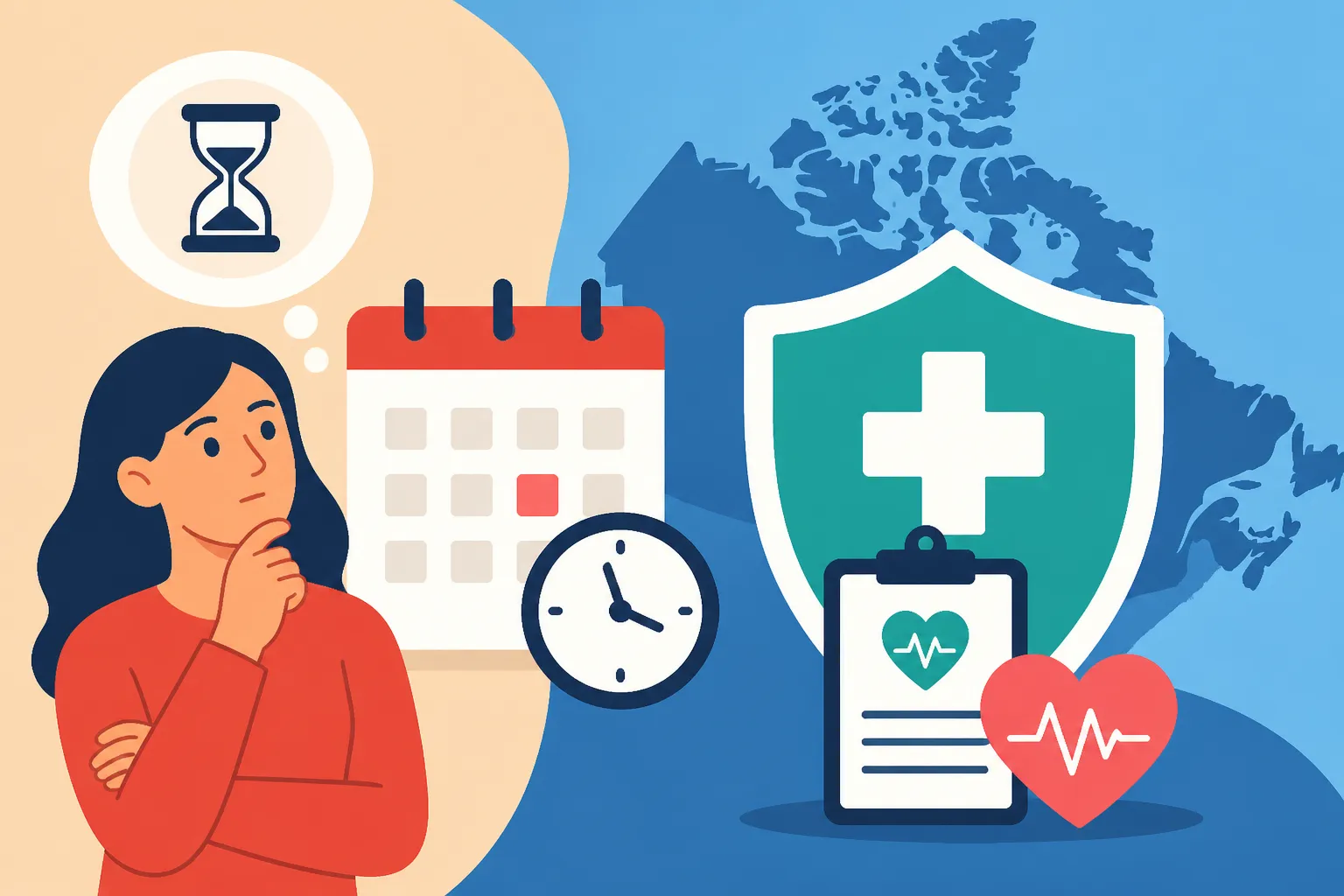
It's a common question, and honestly, one of the first big shocks for many newcomers stepping onto Canadian soil: "Is there a waiting period for health coverage in Canada?" After all, Canada's universal healthcare system is legendary, but the reality is, it's not always instant. This guide is here to unravel the mystery of those initial weeks or months, detailing what to expect, who it affects, and, crucially, how to keep yourself covered during this often-nerve-wracking transition.
Understanding the Provincial Health Coverage Waiting Period
Let's cut right to it: yes, for many, there is indeed a waiting period for provincial health coverage in Canada. It's a truth that often catches newcomers off guard, especially if they've come from countries where immediate access to public health services is the norm. It’s one of those administrative hurdles that can feel utterly bewildering when you're fresh off the plane, trying to find your footing in a new country.
Why the Waiting Period Exists
You might be wondering, why on earth would a country known for its public healthcare make you wait? It's a fair question, and one that highlights a common source of frustration. The official line is that these waiting periods are primarily for administrative processing and to confirm your residency in the province. Each province and territory manages its own health insurance plan, and they need a bit of time to verify your eligibility, process your application, and get you officially into their system.
It's not about denying care, but rather about the bureaucratic gears turning slowly. For someone arriving with a work permit or as a permanent resident, the expectation is often that healthcare is immediately accessible. The reality, however, is a short but significant gap between arrival and full provincial coverage. This isn't unique to Canada; many countries have similar residency requirements for public services. But when you're new and trying to settle in, even a month feels like an eternity if you suddenly fall ill or have an accident. It's a period of vulnerability that every expat here has learned to navigate, often through trial and error.
How Long Is the Waiting Period in Each Province?
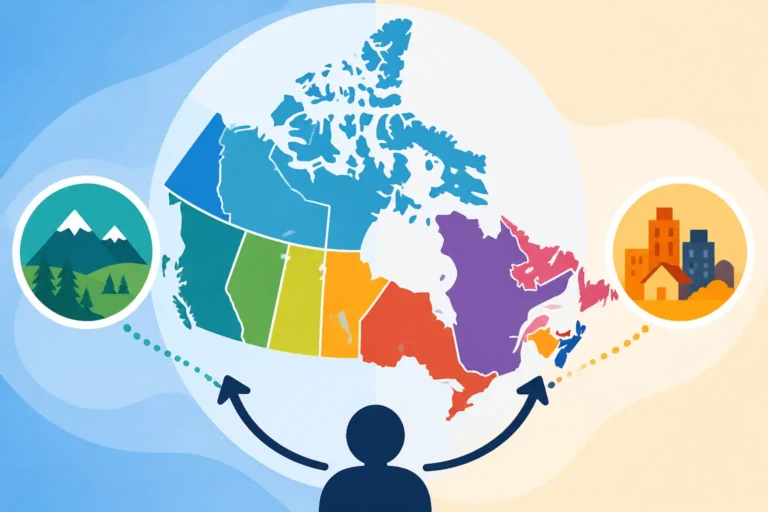
The exact length of the waiting period isn't uniform across Canada; it actually varies from province to province, which adds another layer of complexity to an already confusing situation for newcomers. Generally, you're looking at a maximum of three months. This period starts from the date you establish residency in that particular province, not necessarily your arrival date in Canada, though for most newcomers, these dates coincide.
Here's a breakdown of the typical waiting periods for some of the major provinces, which will give you a better idea of what to expect:
- British Columbia (BC – Medical Services Plan, MSP): Typically a waiting period of up to three months after you arrive in BC and establish residency.
- Alberta (Alberta Health Care Insurance Plan, AHCIP): No official waiting period; coverage usually begins on the date you establish residency, provided you apply promptly. However, it can take a few weeks to process your application and receive your card, so it's wise to plan for this administrative lag.
- Saskatchewan (Saskatchewan Health Authority): Coverage generally begins on the first day of the third month following your date of establishing residency. So, if you arrive in January, coverage would begin April 1st.
- Manitoba (Manitoba Health, Seniors and Active Living): Three-month waiting period.
- Ontario (Ontario Health Insurance Plan, OHIP): Typically a three-month waiting period from the date you establish residency in Ontario. This is a common one that catches many off guard, especially those landing in Toronto or other major Ontario cities.
- Quebec (Régie de l'assurance maladie du Québec, RAMQ): A waiting period of up to three months. Even if you apply immediately, your coverage won't start until this period is over.
- New Brunswick (New Brunswick Medicare): A waiting period of three months.
- Nova Scotia (Nova Scotia Health Card): Coverage typically begins on the first day of the third month following your date of establishing residency.
- Prince Edward Island (PEI Health Card): A three-month waiting period.
- Newfoundland and Labrador (MCP): A waiting period of three months.
As you can see, the "three-month rule" is pretty prevalent, but there are exceptions, like Alberta. It's absolutely critical to confirm the specific requirements for the province you plan to call home. For a more detailed breakdown of how each province's health system works, you might find this guide on How Canada's Health System Works: Provincial Plans Explained (2027) very helpful.
Who is Affected by the Waiting Period?
The waiting period isn't universal for everyone who comes to Canada, which can make things even more confusing. Generally, it applies to:
- Permanent Residents: If you're arriving in Canada as a new permanent resident, you will almost certainly be subject to the waiting period in most provinces. This is perhaps the most common scenario.
- Individuals on Specific Work Permits: Many people arriving on work permits, especially those tied to a specific employer or general open work permits, will also face a waiting period. This is where understanding How Your Immigration Status Affects Health Coverage in Canada becomes incredibly important.
- Returning Canadian Citizens or Permanent Residents: Even if you're a Canadian citizen or a long-time PR returning after an extended absence, you might be subject to a new waiting period if you've been away for too long and need to re-establish provincial residency.
However, there are usually exceptions. For instance:
- Refugees and Protected Persons: Individuals granted refugee status or protected person status are often exempt from the waiting period and can access provincial health coverage immediately upon establishing residency.
- Certain Temporary Foreign Workers: Some provinces may offer immediate coverage to specific categories of temporary foreign workers, particularly those under certain international agreements or in critical sectors. This is not a guarantee and requires checking provincial regulations carefully.
- Inter-Provincial Transfers: If you're already covered by a provincial health plan in one Canadian province and move to another, you generally remain covered by your old plan for up to three months (or until the new province's coverage begins), meaning you usually avoid a true gap in coverage. This is part of the inter-provincial portability agreement.
It’s crucial not to assume you’re exempt. Always verify your specific situation with the provincial health ministry as soon as you land.
Navigating the Gap: Your Options During the Waiting Period
Okay, so there's a waiting period. Now what? This is where proper planning truly pays off, and where many newcomers feel a spike of anxiety. It's easy to dismiss a few weeks or months, thinking "what could possibly happen?" But life, as we know, has a way of throwing curveballs. Imagine having a nasty fall, developing a sudden illness, or needing emergency dental work. The costs without coverage can be absolutely crippling.
Private Health Insurance: Your Safety Net
This is, without a doubt, your absolute best friend during the provincial health coverage waiting period. Private health insurance is specifically designed to bridge this gap, offering you peace of mind and financial protection until your provincial plan kicks in. Think of it as your temporary shield against the potentially astronomical costs of Canadian medical care.
There are various types of private health insurance available, including dedicated newcomer insurance, travel insurance policies that extend coverage for a certain period, or even general private health plans that can be purchased independently. These plans vary widely in what they cover, so it's crucial to read the fine print. Typically, they will cover:
- Emergency Medical Expenses: This is the big one. Hospital stays, doctor's fees for emergency treatment, diagnostic tests (X-rays, blood work) related to an emergency, and even ambulance services. Without private coverage, an ambulance ride alone can cost hundreds of dollars, and a single emergency room visit could run into thousands.
- Doctor Visits: Coverage for non-emergency visits to a walk-in clinic or a family doctor (if you manage to find one that quickly!).
- Prescription Medications: Limited coverage for medications prescribed as a result of an emergency or acute illness.
- Repatriation: In the worst-case scenario, coverage for returning your remains to your home country.
When you're looking at options, consider providers that cater specifically to expats and digital nomads, as they often understand the unique needs of people in transition. For instance, brands like SafetyWing offer comprehensive travel medical insurance that can be a solid option for your initial period in Canada. Their Nomad Insurance plans are popular for covering unexpected illness or injury, and they are designed to be flexible for those moving between countries. Having something like SafetyWing in place means that if you unfortunately twist your ankle hiking in the Rockies or come down with a nasty flu in your first month in Toronto, you won't be staring down a five-figure hospital bill. You can find more details on How to Get Private Health Insurance to Cover the Waiting Period in Canada.
Emergency Care: What to Do If You Get Sick
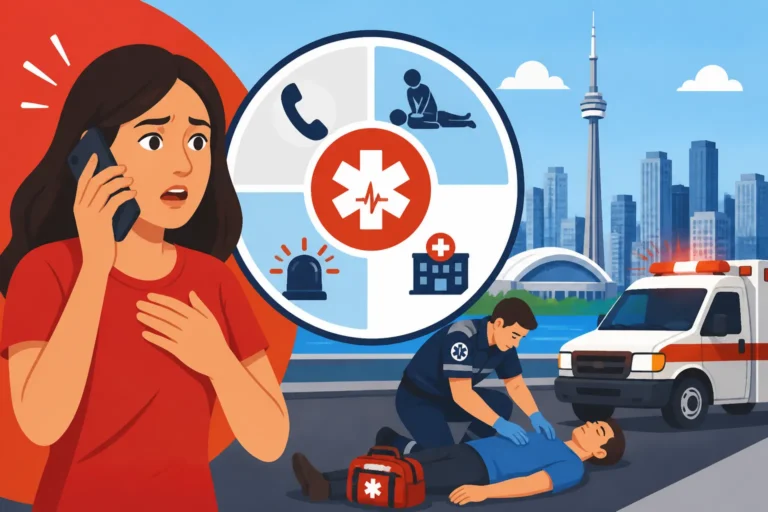
Let's be clear: no one in Canada will be denied emergency medical care, regardless of their insurance status. If you have a true medical emergency, like a heart attack, a severe injury, or sudden, life-threatening symptoms, call 911 immediately or go to the nearest hospital emergency room. They are legally obligated to provide care.
However, and this is a huge however, receiving care without provincial or private insurance means you will be personally responsible for 100% of the bill. And these bills are not for the faint of heart. A simple emergency room visit for a non-life-threatening issue can easily cost hundreds, if not thousands, of dollars. If you require surgery or an overnight stay, the costs can skyrocket into tens of thousands.
This is why having private insurance like SafetyWing is not just a good idea, it's really an essential safeguard during your waiting period. It ensures that if the worst happens, you're not also facing financial ruin. For a complete picture, check out our guide on Emergency Medical Care in Canada: What Every Newcomer Needs to Know, which goes into detail about what to do in such situations. And remember, Understanding Emergency Numbers (911) and Ambulance Fees in Canada is crucial.
Accessing Non-Emergency Medical Services
For non-emergencies – think a bad cold, a minor infection, or needing a prescription refill – your options are more limited and costly if you're uninsured.
- Walk-in Clinics: These are often your go-to for minor issues. Many Canadian cities have walk-in clinics where you can see a doctor without an appointment. However, if you don't have provincial health coverage, you will be considered a "private patient" and charged directly. The cost for a basic visit can range from $80 to $200, depending on the province and the complexity of the issue. You’ll pay upfront and then, if you have private insurance (like your SafetyWing policy), you can submit the receipt for reimbursement. Learning about Understanding the Role of Walk-In Clinics in Canada will be very helpful.
- Virtual Care Options: Some online platforms offer virtual doctor consultations. These can sometimes be a more affordable option for minor concerns, with fees potentially lower than an in-person walk-in clinic. Again, you'd pay out-of-pocket and seek reimbursement from your private insurer.
- Pharmacies: For very minor ailments like a headache or a simple cough, pharmacists in Canada are highly knowledgeable and can offer advice or recommend over-the-counter remedies. They can't diagnose serious conditions or write prescriptions, but they are a great first stop for simple issues.
The key takeaway here is to avoid delaying medical attention just because you're worried about costs. If you have private insurance, use it. If not, be prepared to pay out of pocket, but prioritize your health above all else. For a general overview of costs, our article on The Cost of Healthcare in Canada: A Complete Breakdown for Newcomers (2026) can give you a clearer picture of what you might face.
Practical Steps to Secure Your Provincial Health Card
Navigating the waiting period is one thing, but making sure you're actually ready for provincial coverage when your eligibility kicks in is another. The process itself can sometimes feel like a treasure hunt for documents and a test of patience. Don't procrastinate on this; the sooner you apply, the sooner your coverage starts after the waiting period.
Gathering Required Documents
The specific documents you need can vary slightly by province, but there’s a general set of items you should absolutely have ready. This is where you really need to channel your inner organized admin guru!
Generally, you'll need:
- Proof of Canadian Citizenship or Immigration Status:
- Permanent Resident Card (PR Card) or Confirmation of Permanent Residence (COPR) document.
- Valid Work Permit (e.g., Post-Graduation Work Permit, employer-specific work permit).
- Valid Study Permit (if eligible for coverage – usually for longer-term students).
- Canadian birth certificate or passport (if you're a returning citizen).
- Proof of Residency in the Province: This is where it gets a little trickier, as they want to be sure you actually live there. You'll typically need two or three documents from a specific list. Examples include:
- Utility bills (hydro, gas, internet) in your name at your current address.
- Rental agreement or lease (signed by both parties).
- Property tax bill.
- Bank statements with your current address.
- Employer letter confirming your employment and address.
- Driver's license (once you get it, as this also proves residency).
- Notice of Assessment from the Canada Revenue Agency (if you’ve already filed taxes).
- Statement of benefits (e.g., from Employment Insurance).
- Proof of Identity: A primary and sometimes a secondary ID.
- Canadian passport or foreign passport.
- Driver's licence (Canadian).
- Confirmation of Permanent Residence (COPR) with photo.
- Other government-issued photo ID.
Pro-tip: Photocopy everything! It's better to have too many documents than too few. Each provincial health authority will have a detailed list on their website, so check it religiously. For instance, OHIP in Ontario is very specific about the combination of documents required. Our guide on What Documents Do I Need to See a Doctor in Canada? offers a broader perspective on documents for healthcare access.
Applying for Your Provincial Health Card
Once you have your documents in hand and you're approaching the end of your waiting period (or if your province has no waiting period, as soon as you establish residency), it’s time to apply.
The application process usually involves:
- Downloading the application form: Most provinces have forms available online that you can print and fill out.
- Gathering supporting documents: As mentioned above, make sure they are original or certified copies as required.
- Submitting your application:
- In-person: Many provinces prefer or require you to apply in person at a service centre (e.g., ServiceOntario, Service BC, RAMQ offices). This allows them to verify your identity and documents on the spot. This is often the quickest and most straightforward method.
- By Mail: Some provinces allow mail-in applications, but this can take longer due to processing and verification.
- Online: While some provinces allow you to start an application online, a physical visit for document verification is usually still part of the process, especially for new applicants.
Be prepared for a bit of a wait at service centres, especially in larger cities. Bring a book or something to keep yourself occupied. When you’re there, be polite, clear, and have all your questions ready. The staff are usually very helpful. For detailed, step-by-step instructions, our guide How to Apply for Your Provincial Health Card in Canada (2027) is an invaluable resource.
What Happens After You Apply
Once you've submitted your application and it's been processed, you won't typically walk out with your health card in hand right away.
- Temporary Proof of Coverage: Some provinces might give you a temporary document or a letter confirming your application has been received and approved. This can serve as proof of coverage until your physical card arrives.
- Receiving Your Card by Mail: Your official provincial health card will usually be mailed to your residential address within a few weeks (the exact timeframe varies). Keep an eye on your mailbox!
- What to Do with Your Card: Once you receive it, keep it safe. This card is your key to accessing Canada’s public healthcare system without direct charge for covered services. You'll need to present it every time you visit a doctor, hospital, or walk-in clinic.
Even after you apply, hold onto your private insurance for a little while longer if possible, just until you have that physical provincial card in your hand and are certain your coverage is active. It's better to be over-insured for a short period than under-insured.
Frequently Asked Questions & Common Pitfalls
Even with all this information, you might still have some lingering questions or concerns. It’s totally normal. This whole process can feel like a maze, and every expat I know has had at least one "what on earth do I do now?" moment.
Can I waive the waiting period?
This is a hopeful question many newcomers ask, and unfortunately, for the vast majority, the answer is no. The waiting period is a standardized part of the provincial health insurance policies for most new residents.
There are very few exceptions, and these are usually for specific, vulnerable populations like convention refugees or certain categories of asylum seekers. If you're a permanent resident or on a standard work permit, you should fully expect to be subject to the waiting period. Don't try to find loopholes or rely on anecdotal advice that sounds too good to be true. Stick to the official guidelines from your provincial health ministry.
What if I move provinces during the waiting period?
This can complicate things, but Canada's inter-provincial health agreements are designed to ensure continuity of care. If you've just arrived in, say, Ontario, and are halfway through your three-month waiting period, and then you decide to move to Quebec:
- New Waiting Period: You will likely start a new waiting period in Quebec. Your time spent waiting in Ontario won't count towards the Quebec waiting period. This is because you need to establish residency in the new province.
- Inter-Provincial Coverage: While you're in transition between provinces, your previous provincial health plan (if you had one, for instance, if you were moving from BC to Ontario after being covered in BC for years) generally covers emergency services in your new province for up to three months. However, as a newcomer who hasn't yet received any provincial coverage, you won't have this benefit. This is another situation where having private insurance like SafetyWing is critical, as it covers you regardless of which Canadian province you happen to be in.
- Re-application: You would need to re-apply for health coverage in your new province once you've established residency there.
It highlights why it's a good idea to try and settle into your chosen province before your arrival in Canada, if possible, to avoid resetting your waiting period.
The Cost of Ignoring the Waiting Period
Let's not sugarcoat it: ignoring the waiting period and hoping for the best is a gamble with potentially devastating financial consequences. Canada's healthcare system is publicly funded, which means once you're covered, most essential medical services are "free" at the point of use. But without that coverage, you're looking at private patient rates, which are comparable to or even higher than those in the United States.
Consider these hypothetical but very real scenarios:
- An unexpected appendicitis: Emergency surgery, hospital stay, medications, and follow-up care could easily exceed $20,000 to $50,000, depending on the province and complexity.
- A broken bone from a slip on ice: An emergency room visit, X-rays, casting, and potentially physiotherapy could run into thousands of dollars. Even a simple How Much Does a Doctor Visit Cost in Canada Without Coverage? can shock you.
- A severe bout of pneumonia: Multiple doctor visits, diagnostic tests, prescriptions, and possibly an emergency room visit could quickly amount to several thousand dollars.
These aren't scare tactics; they are real costs. Many newcomers have found themselves in dire financial straits because they underestimated this risk. This is precisely why obtaining private health insurance, especially for those first few months, is not an option but a necessity. It's the responsible way to protect yourself and your family as you embark on your Canadian journey. Better safe than sorry, especially when your health and finances are on the line!
Disclaimer
Please remember that I am an expat blogger and not a licensed immigration consultant or financial advisor. While I strive to provide accurate and up-to-date information based on my personal experience and extensive research, regulations and policies regarding health coverage in Canada can change. Always consult the official websites of Immigration, Refugees and Citizenship Canada (IRCC) and the health ministry of your specific province or territory for the most current and authoritative information regarding eligibility, waiting periods, and application procedures. This guide is for informational purposes only.