What Health Risks Should Newcomers Be Aware of in Canada?
When you first land in Canada, full of excitement and maybe a touch of jet lag, your mind is probably racing with a million things: finding a place to live, sorting out your work, figuring out the transit system. Healthcare, while super important, often gets relegated to a "deal with it later" task, and that can lead to some unexpected health challenges and worries. This guide is here to walk you through the various health risks and unique considerations you, as a newcomer, should absolutely be aware of so you can stay healthy and thrive in your new Canadian life.
The Initial Hurdles: Navigating the Waiting Period and Lack of Coverage
One of the biggest shocks for many newcomers, especially those coming from countries with immediate, universal healthcare, is the initial waiting period for provincial health coverage. It's a real kicker, and it leaves many feeling incredibly vulnerable.
The Provincial Health Coverage Waiting Game
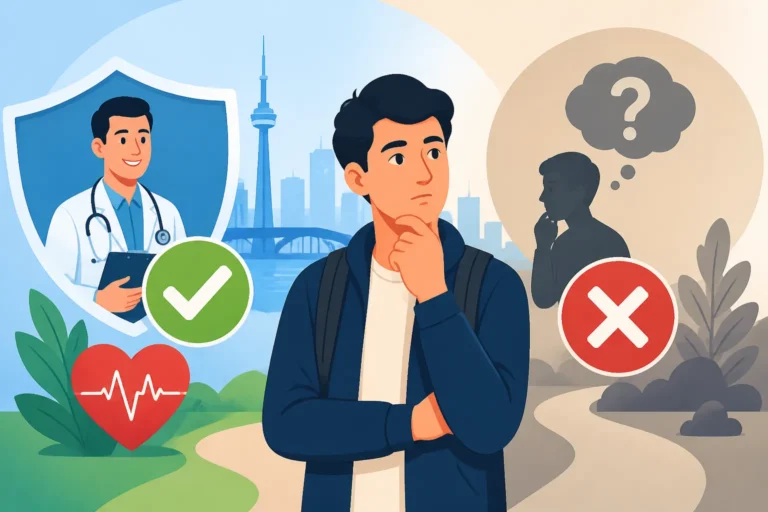
Let's be brutally honest: Canada's "free" healthcare isn't exactly free or immediate for everyone. Most provinces, including major ones like Ontario, British Columbia, and Quebec, impose a waiting period – typically up to three months – before you become eligible for their provincial health insurance plan. This means that for the first 90 days (or sometimes longer, depending on your arrival date and the province's specific rules), you are essentially on your own. Imagine getting a nasty flu, breaking a bone, or needing an emergency visit during this time; the medical bills can be astronomical and utterly ruinous.
I've seen it happen. A friend of mine, new to Toronto, slipped on some ice during her second week here and fractured her wrist. She had no private insurance, and the emergency room bill alone was enough to make her want to pack her bags and head home. It’s a situation that causes immense stress and financial hardship. It's crucial to understand that during this period, you are personally responsible for all medical costs. This is why many experienced expats will tell you that securing private health insurance for those first few months isn't just a good idea; it's a non-negotiable must-have. You'll find a lot more detailed information on this topic in our article on The Newcomer Waiting Period for Provincial Health Coverage in Canada (2027). Companies like SafetyWing offer travel and medical insurance plans that can be a lifesaver, specifically designed for digital nomads and expats, providing coverage during this crucial initial period.
Understanding What Provincial Plans Don't Cover
Even after you've successfully navigated the waiting period and finally received your provincial health card, it's easy to assume you're completely covered for everything. Oh, how I wish that were true! The reality is, Canada's public healthcare system primarily covers medically necessary services provided by doctors and hospitals. Many other essential health services that you might take for granted are simply not included or are only partially covered.
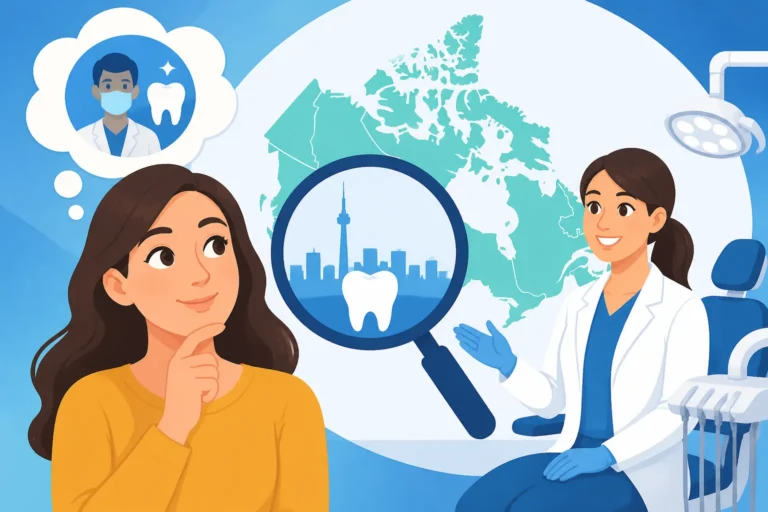
Think about it: dental care, eye exams, prescription medications (outside of hospital stays or for certain vulnerable groups), physiotherapy, mental health counselling from private practitioners, and ambulance services often come with a price tag. If you don't have supplementary private insurance, either through an employer benefits package or purchased independently, you'll be paying out-of-pocket for these. For instance, a routine dental cleaning can set you back over $150, and a pair of prescription glasses can easily cost several hundred dollars. This can be a huge financial burden, especially for families. It’s a common misconception, and many newcomers are caught off guard, leading to delayed treatment or significant unexpected expenses. Our guide on Understanding Supplementary Health Insurance (Dental, Vision, Drugs) in Canada delves much deeper into these often-overlooked aspects of Canadian healthcare, which is truly vital information for planning your budget and ensuring comprehensive well-being.
Climate and Environmental Challenges
Canada is a vast country with diverse climates, but one thing is for sure: the weather can be extreme, and it certainly plays a role in your health as a newcomer.
Adapting to Canadian Winters: More Than Just the Cold
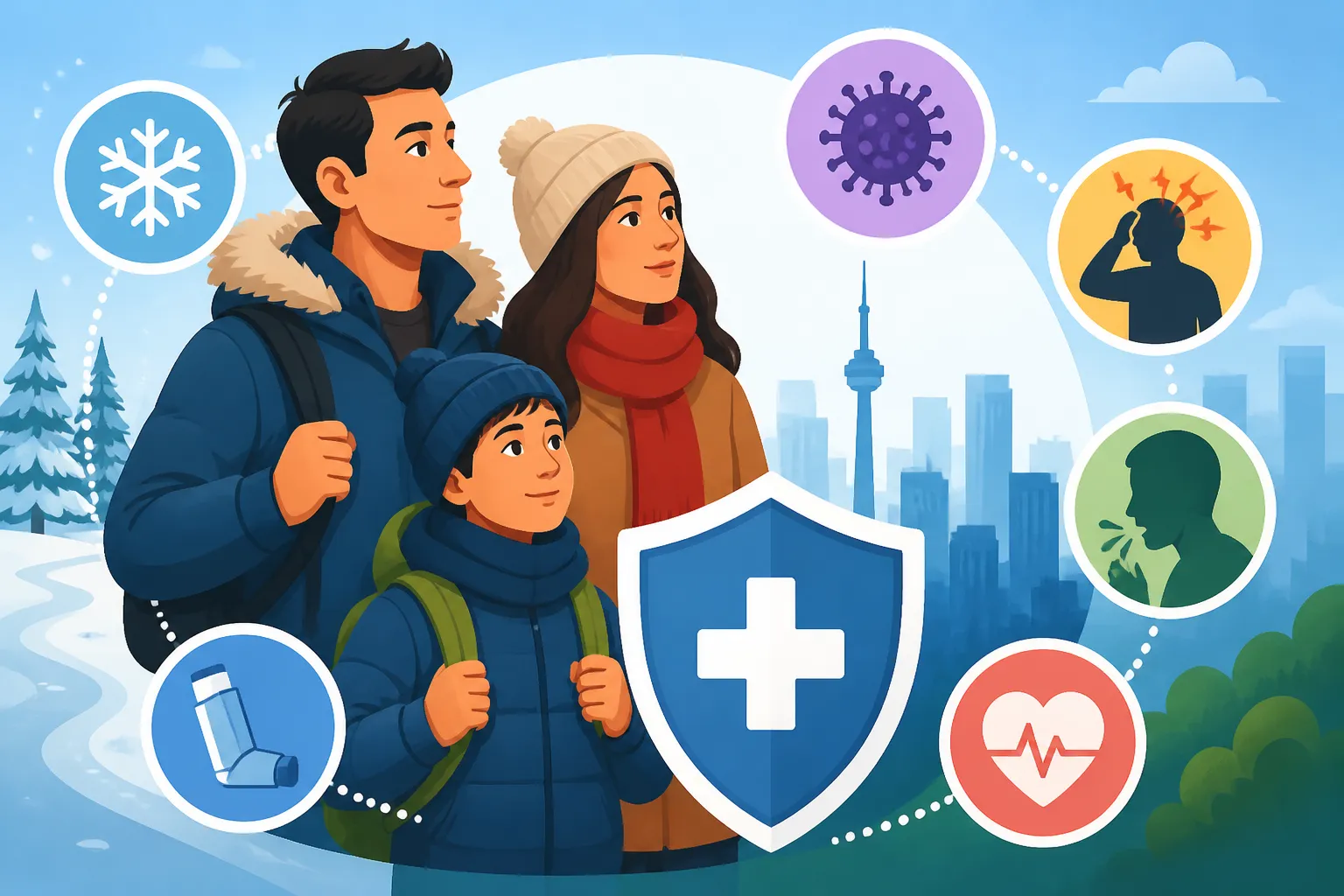
Winter in Canada is legendary, and not just for its beauty. It’s a force to be reckoned with, and it can significantly impact your health if you’re not prepared. Beyond the obvious risk of frostbite and hypothermia, which proper layering and warm gear can prevent, there are other, more subtle health risks.
Many newcomers experience an increase in respiratory issues, like persistent coughs or bronchitis, due to the extreme cold and the dry indoor air from heating systems. The drastic temperature changes from indoors to outdoors can also weaken your immune system, making you more susceptible to colds and the flu. And let's not forget the sheer physical danger: icy sidewalks and roads lead to countless slips, falls, and resulting injuries like fractures or sprains. I remember my first winter; I wasn't just cold, I was dry. My skin cracked, my nose bled, and I felt constantly parched. It took a while to learn about humidifiers, rich moisturizers, and how to walk like a penguin on ice. Beyond the physical, the reduced daylight hours can contribute to Seasonal Affective Disorder (SAD), a form of depression that many Canadians experience. It's not just "feeling a bit down"; it's a clinical condition that requires awareness and sometimes intervention. Getting enough Vitamin D, staying active, and ensuring your living space is well-lit can help.
Seasonal Allergies and Wildlife Encounters
While the cold is a major concern, warmer months bring their own set of environmental health considerations. Canada has a wide array of plant life, and for many newcomers, this means encountering new allergens. If you've never had seasonal allergies before, you might find yourself sneezing and itching from pollen and ragweed. It's worth paying attention to local pollen forecasts and having over-the-counter allergy medications handy.
Then there's the wildlife. Depending on where you settle, you might encounter everything from squirrels and raccoons to deer, coyotes, and even bears in more rural areas. While most interactions are harmless, there are specific risks to be aware of. Ticks, for example, are prevalent in many parts of Canada, particularly during spring and summer, and can transmit Lyme disease. It's essential to know how to check for ticks after spending time outdoors, how to remove them safely, and when to seek medical attention. Mosquitoes and black flies can also be relentless in some regions, carrying West Nile virus in rare cases. Familiarizing yourself with local wildlife and taking precautions like using insect repellent and keeping a safe distance is key to avoiding unpleasant (or dangerous) encounters.
Lifestyle and Public Health Considerations
Moving to a new country isn't just about navigating new systems; it's a complete life upheaval that can take a significant toll on your mental and physical health in ways you might not expect.
Mental Health and the Expat Experience
The "expat experience" often looks glamorous from the outside, but the reality can be tough. The sheer stress of relocating, the bureaucratic hurdles, the challenges of finding a job, and the pressure to adapt can all lead to significant mental health strains. Feelings of isolation are incredibly common, especially if you've left behind a strong support network of family and friends. Cultural shock, even for those from Western countries, is a real phenomenon that can manifest as anxiety, frustration, or a persistent sense of not belonging.
Many newcomers arrive with immense pressure to succeed, often leaving little room to acknowledge or address these feelings. The stigma around mental health can also be a barrier, particularly if you come from a culture where discussing such issues is uncommon. This can lead to silently struggling, which only exacerbates the problem. It's vital to recognize that it's okay not to be okay and that seeking help is a sign of strength, not weakness. Canada has various resources available, though navigating them can be tricky, especially in the early days. Understanding How to Access Mental Health Services in Canada as a Newcomer is a crucial step towards building a healthy, sustainable life here. There are many community organizations and services that can offer support, often free or low-cost, even before you get full provincial coverage.
Understanding Local Public Health Guidelines and Vaccinations
One of the cornerstones of a healthy society is a robust public health system. As a newcomer, understanding Canada's approach to public health, including vaccination schedules and disease prevention, is essential. When you arrive, it's a good idea to ensure your vaccinations are up-to-date, not just for your own health but for those around you, particularly if you have children.
Canadian provinces have recommended childhood vaccination schedules that protect against diseases like measles, mumps, rubella, polio, tetanus, and diphtheria. If you're coming with children, schools will often require proof of vaccination, so getting your international records translated and assessed early on is important. Beyond childhood immunizations, adults should also consider annual flu shots and ensure they are up-to-date on tetanus boosters. During specific public health crises, like the COVID-19 pandemic, Canadian public health authorities issue guidelines and recommendations, and it’s crucial to stay informed through official provincial health websites. For a detailed breakdown, our post on Understanding Childhood Vaccination Schedules in Canada offers valuable insights into what to expect and how to get your family protected. It's about integrating into the local health fabric and ensuring collective well-being.
Common Illnesses and Access to Care
Even with the best intentions and precautions, you're bound to get sick at some point. Knowing how to navigate the system, especially for common ailments, is key.
The Common Cold, Flu, and Other Viral Infections
Canada, like many other countries, experiences seasonal outbreaks of common colds, influenza, and other viral infections, especially during the colder months when people spend more time indoors. While these might seem minor, for a newcomer, getting sick can be particularly disruptive and isolating. You might not have a trusted family doctor yet, you're unfamiliar with local pharmacies, and you might not know what to do beyond resting.
The cold and flu season can hit hard, and it's easy to mistake a particularly nasty cold for the flu, or vice versa. The important thing is to manage your symptoms, prevent spread, and know when to seek professional medical advice. For typical colds, over-the-counter remedies like pain relievers, decongestants, and cough suppressants from a local pharmacy (think Shoppers Drug Mart or Rexall) are your first line of defense. However, if your symptoms are severe, persistent, or worsen, especially if you have a high fever, difficulty breathing, or severe body aches, it's wise to consult a doctor. Walk-in clinics are often your best bet for these non-emergency but urgent situations, as they can assess you without an appointment. Learn more about their role in Understanding the Role of Walk-In Clinics in Canada. Remember, even with your provincial health card, services like prescription medications might not be fully covered, so always clarify costs.
Accessing Care Without a Family Doctor
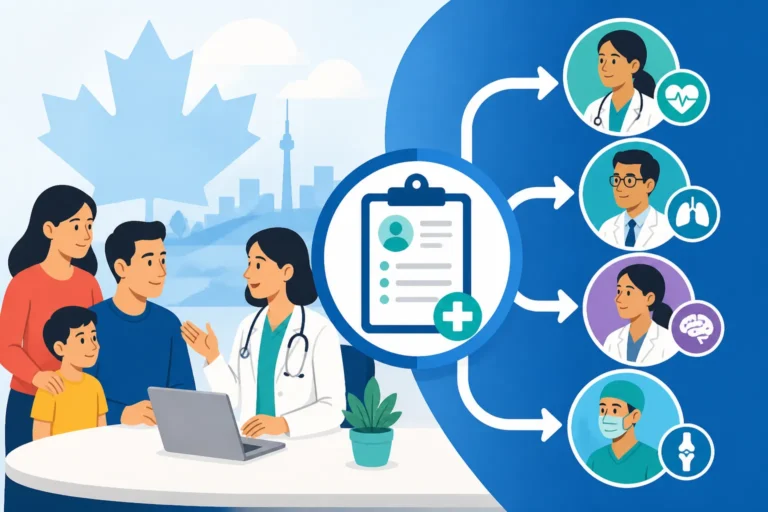
One of the most persistent frustrations newcomers face is the struggle to find a family doctor. The Canadian healthcare system is built around the concept of a "family doctor" or "general practitioner" who acts as your primary point of contact and refers you to specialists when needed. Unfortunately, many regions across Canada are experiencing a shortage of family doctors, and it can take months, or even years, to find one who is accepting new patients. This leaves a significant number of newcomers feeling like "orphan patients," navigating their health concerns without a consistent care provider.
During this challenging period, walk-in clinics become an invaluable resource. These clinics operate on a first-come, first-served basis and can handle most non-emergency issues, from minor infections and injuries to prescription refills. However, they don't offer continuity of care, which can be frustrating if you have ongoing health concerns. Telehealth and virtual care options have also become increasingly popular and accessible. Many provinces and private companies offer virtual consultations with doctors or nurses, which can be incredibly convenient for initial assessments or advice from the comfort of your home. While not a replacement for a family doctor, these services can help bridge the gap. Our article on How to Find a Family Doctor Taking New Patients in Canada provides practical strategies and resources to help you in your search, and Understanding Telehealth and Virtual Care Options in Canada offers insights into how to best utilize these services.
Here's a quick overview of some common health risks and how to navigate them:
| Health Risk/Concern | Key Challenges for Newcomers | Recommended Actions for Newcomers |
|---|---|---|
| Provincial Health Coverage Waiting Period | Lack of coverage for first 0-3 months; high out-of-pocket costs for emergencies. | Crucial: Purchase private health insurance before or immediately upon arrival (e.g., SafetyWing). Understand your province's exact waiting period. Avoid unnecessary risks. Consult How to Get Private Health Insurance to Cover the Waiting Period in Canada for specific options. |
| Limited Provincial Coverage | Dental, vision, most prescription drugs, ambulance fees, private mental health often not covered. | Budget for these expenses. Seek employer benefits packages. Consider supplementary private insurance. Understand Understanding Supplementary Health Insurance (Dental, Vision, Drugs) in Canada and Understanding Prescription Drug Coverage and Pharmacare in Canada. |
| Harsh Winters (Cold, Ice, Snow) | Respiratory issues, SAD, slips/falls, frostbite. | Invest in quality winter clothing (layers!). Get a humidifier. Take Vitamin D. Be mindful of icy conditions. Seek support for SAD. Know How to Prepare Your Home for Winter in Canada. |
| Seasonal Allergies & Wildlife | New allergens, tick bites (Lyme disease), insect bites. | Monitor local pollen counts. Keep antihistamines handy. Use insect repellent outdoors. Check for ticks after hiking. Know how to safely remove ticks. Consult local public health for information on wildlife safety. |
| Mental Health Challenges | Isolation, cultural shock, stress, stigma, difficulty accessing support. | Acknowledge feelings of stress/loneliness. Build a support network (expat groups, community centres). Prioritize self-care. Seek out How to Access Mental Health Services in Canada as a Newcomer. Don't hesitate to talk to someone. |
| Lack of Family Doctor | Difficulty getting consistent care, referrals to specialists. | Register for provincial health ministry lists for doctors. Utilize walk-in clinics and telehealth services for immediate needs. Explore How to Find a Family Doctor Taking New Patients in Canada and Understanding Telehealth and Virtual Care Options in Canada. Keep good records of your visits. |
| Common Colds & Flu | Easy transmission in cold months, unfamiliarity with local remedies. | Get annual flu shots. Practice good hygiene. Stock basic over-the-counter medications. Know when to visit a walk-in clinic for worsening symptoms. Consult Prescription Medications and Pharmacies in Canada: The Complete Guide for pharmacy info. |
| Public Health Guidelines | Unfamiliarity with vaccination schedules, disease prevention protocols. | Get your immunization records translated. Ensure children's vaccinations are up-to-date for school. Stay informed via provincial public health websites. Understand Understanding Childhood Vaccination Schedules in Canada. |
Disclaimer
Please remember that I'm an expat blogger, not a medical professional or legal expert. The information provided in this article is for general guidance and informational purposes only and does not constitute medical, financial, or legal advice. Healthcare policies, provincial regulations, and costs can change. Always consult with qualified medical, insurance, or immigration professionals for advice tailored to your specific situation.