Understanding How to Prepare Your Home for Winter in Canada
Moving to Canada, especially if you're coming from a warmer climate, means adjusting to a whole new way of life – and a big part of that is learning to co-exist with winter. Many newcomers underestimate just how brutal Canadian winters can be, not just on us personally, but on our homes. This comprehensive guide will walk you through exactly how to prepare your living space, whether you rent or own, ensuring you stay warm, safe, and avoid costly damages when those temperatures really start to plummet.
The Harsh Reality of Canadian Winter on Your Home
Trust me, I’ve seen it all. Newcomers often describe the absolute shock when the mercury drops, and your perfectly lovely Canadian home suddenly feels like a drafty icebox. It's not just "a bit chilly"; it’s a force of nature that actively tries to get into every nook and cranny of your living space. Preparing your home for winter in Canada isn't just a suggestion; it's a non-negotiable part of living here comfortably and protecting your investment.
Understanding the Cold's Impact on Your Living Space
When those truly frigid temperatures hit, the cold doesn't just passively exist outside; it actively seeks out weaknesses in your home's defenses. Think of it like this: your home is a fortress, and winter is a relentless siege. Any gap, any crack, any uninsulated pipe is an open invitation for trouble. The most immediate impact you'll feel is the struggle to keep your indoor temperature stable. You might crank up the thermostat, but if cold air is seeping in through unsealed windows or doors, your furnace will be working overtime, driving up those utility bills without truly making you feel warm.
Beyond comfort, the structural integrity of your home can be at risk. Water, as we know, expands when it freezes. This simple scientific fact becomes a major headache when it applies to the water in your pipes. A pipe in an unheated garage, a poorly insulated basement, or even an exterior wall could freeze solid, expanding and then bursting. When that ice melts, you’re looking at significant water damage, not to mention a massive repair bill and the immediate disruption of your home’s plumbing. It's a truly terrible scenario, and one that's unfortunately common for those who aren't familiar with Canada's winter quirks.
Common Pitfalls for Unprepared Newcomers
Oh, the stories I could tell! One of the biggest mistakes newcomers make is simply not knowing what they don't know. You might be used to mild winters where "winterizing" means putting away your patio furniture. Here, it’s a whole different ballgame. I remember one family who moved from a tropical climate and just assumed their new apartment's heating would "handle it." They didn't seal any drafts, never checked their furnace filter, and ended up with a utility bill that was almost as high as their rent! They were freezing indoors even with the heat blasting, and the financial shock was a painful lesson.
Another classic pitfall involves outdoor hoses and taps. It seems so minor, right? Just disconnect the hose, perhaps. But if you don't shut off the interior water supply to that exterior tap and drain the line, water can remain in the pipe leading to the tap. That trapped water freezes, expands, and then – pop! – the pipe bursts inside your wall, causing untold damage that only reveals itself when the spring thaw hits. It's an insidious problem because you don't see the damage until it's too late. Trust me, the sheer volume of advice, even seemingly mundane, like how to manage your utilities or ensure your home is buttoned up, becomes critical when you're battling Canadian winter for the first time. Getting a good grasp on things like The Newcomer Guide to Setting Up Utilities (Hydro, Gas, Internet) in Canada is invaluable.
Essential Outdoor Winter Prep: Protecting Your Property
While your main focus might be on keeping the warmth in, don't forget the exterior of your home. Canadian winter is relentless, and neglecting outdoor maintenance can lead to serious and expensive problems, often involving water damage, which is a nightmare to fix.
Gutter and Downspout Maintenance
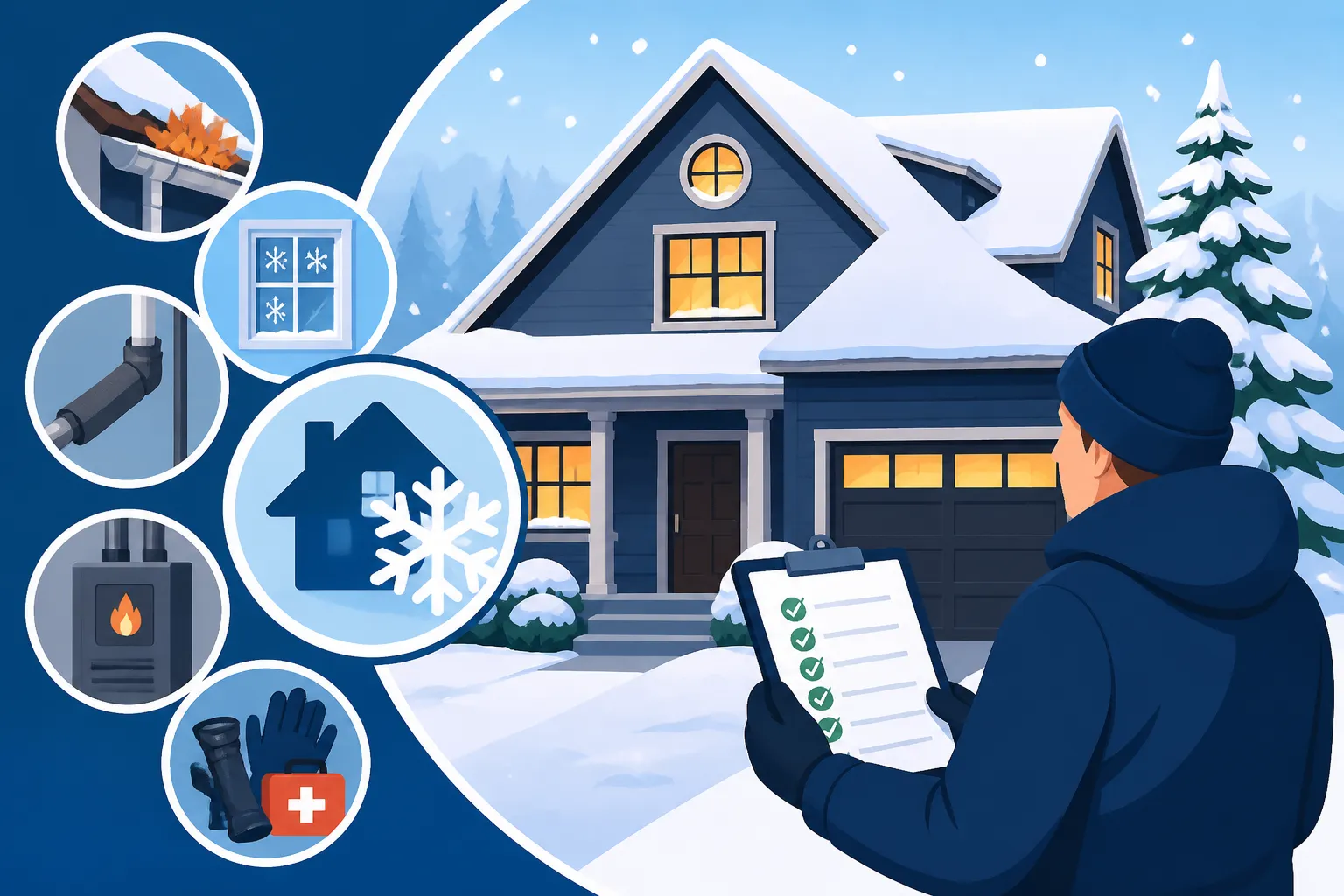
This is one of those mundane tasks that people often overlook, but it's absolutely crucial. Before the first heavy snow or freezing rain, you must ensure your gutters and downspouts are clear of leaves, dirt, and any other debris. Why? Because clogged gutters prevent melting snow and ice from draining properly. Instead, water can back up, freeze, and create what are known as "ice dams" along the edge of your roof. These ice dams can force water under your shingles and into your attic or walls, leading to leaks, rot, and extensive damage to your ceilings and insulation.
To prepare, grab a ladder (safely, please!) and physically remove all debris. Flush the gutters with a hose to ensure water flows freely through the downspouts and away from your foundation. Check for any cracks or loose sections in the gutters themselves; now is the time to repair them or consider calling a professional. Remember, clear gutters are your first line of defense against winter water damage, protecting your roof, siding, and foundation from unnecessary stress.
Disconnecting Outdoor Hoses and Shutting Off Exterior Taps
As I mentioned earlier, this is a lesson many newcomers learn the hard way. When the temperatures consistently dip below zero, you need to completely remove any hoses connected to outdoor taps. But simply coiling up your garden hose isn't enough. You need to go a step further and shut off the interior water supply to those outdoor taps. Most Canadian homes have a dedicated shut-off valve for exterior taps, usually located in the basement, utility room, or near where the pipe exits the house.
Once you’ve located and turned the handle to the "off" position (it might be a gate valve, requiring several turns, or a ball valve, a quarter-turn), go back outside and open the tap to drain any residual water from the line. Leave the exterior tap open slightly during the winter to allow any remaining moisture to expand without building pressure. This simple, often overlooked step prevents water from freezing in the pipes leading to the outside, which could otherwise burst and cause significant damage once the spring thaw comes. If you're unsure where your shut-off valves are, ask your landlord or a knowledgeable neighbour. It's worth learning about to save yourself a massive headache.
Landscaping and Garden Care Before the Snow
Your garden and yard need some love before winter buries them in snow. Start by pruning any dead or weak branches from trees and shrubs, especially those close to your house or overhead power lines. Heavy snow and ice can cause these branches to break, potentially damaging your property or, worse, causing power outages. A quick search for local arborists can help if you have large trees.
Next, ensure all your patio furniture, barbecue, and gardening tools are cleaned, dried, and stored away in a shed, garage, or covered area. Leaving them exposed to snow and ice will drastically shorten their lifespan and could lead to rust or damage. For delicate plants and perennial beds, consider covering them with burlap or a layer of mulch for extra insulation. Don't forget to drain and store any outdoor water features or irrigation systems to prevent freezing and cracking. Thinking ahead about these seemingly small details can save you a lot of grief and expense when spring finally arrives.
Indoor Winter Prep: Keeping Warm and Efficient
Once you've tackled the outside, it's time to turn your attention indoors. This is where you'll make the biggest difference to your comfort levels and, let's be honest, your bank account. Keeping your home warm efficiently is the name of the game, especially with Canadian energy costs.
Sealing Drafts and Insulating Windows
If you feel a chill even with the heat on, chances are you have drafts. These sneaky little air leaks are energy vampires, letting warm air escape and cold air seep in. Start by feeling around windows and doors, electrical outlets, and even plumbing fixtures on exterior walls. You might be surprised where the cold can penetrate.
For windows, simple, inexpensive solutions can make a huge difference. Weatherstripping, which is a flexible material you apply around the moving parts of your windows and doors, creates a tighter seal. Caulking can be used to seal small cracks and gaps in window frames or where they meet the wall. Another fantastic and temporary solution for windows, especially single-pane ones, is a window insulation film kit. These kits involve taping a clear plastic film to the inside of your window frame and then using a hairdryer to shrink it taut, creating an insulating air pocket. It’s like magic how much warmer your room will feel. For doors, adjust the sweep at the bottom if cold air is coming in, or add a draft stopper (a fabric tube filled with sand or beans) to block the gap. Taking these steps can significantly reduce your heating bill and make your home much more comfortable.
Furnace and Heating System Tune-Up
Your furnace is the heart of your Canadian winter home. If it’s not working efficiently, you’ll pay for it in comfort and cost. Before the deep freeze sets in, it’s a wise idea to have a qualified HVAC (Heating, Ventilation, and Air Conditioning) technician inspect your furnace. They can clean it, check for any potential issues, and ensure it’s running optimally. This preventative maintenance can prevent breakdowns when you need your heat most – and trust me, calling for emergency furnace repair on Christmas Eve is not fun, or cheap!
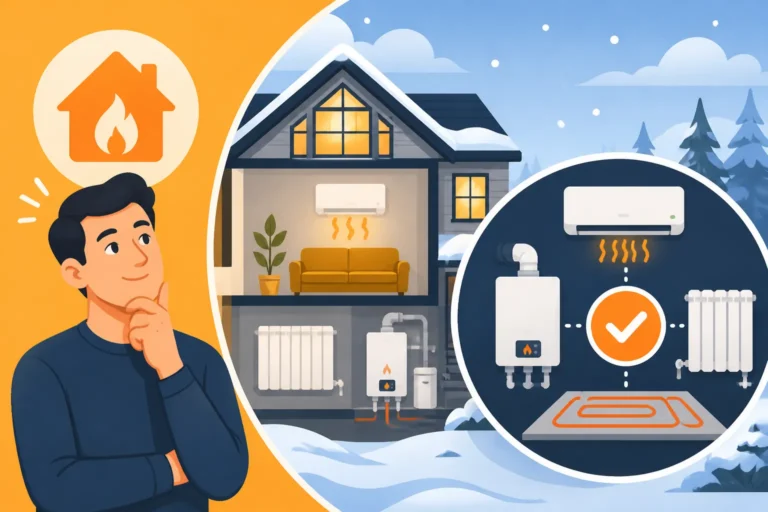
Beyond professional help, there’s a crucial task you can do yourself: change your furnace filter. A clogged filter restricts airflow, making your furnace work harder and consume more energy, reducing its lifespan, and compromising indoor air quality. Filters should typically be changed every one to three months, depending on your home (pets, allergies, etc.). Check your furnace manual for the correct size and type of filter. Understanding the nuances of your home's heating, from baseboard heaters to forced air systems, and how to operate your thermostat efficiently, is key to managing Understanding Heating, Gas and Utility Bills in Canada.
Preventing Frozen Pipes Indoors
While we talked about outdoor pipes, indoor pipes can also freeze, particularly those in unheated areas like basements, crawl spaces, or cabinets on exterior walls. First, identify any vulnerable pipes. If you have exposed pipes in a cold area, you can purchase foam pipe insulation (often called "pipe sleeves") from any hardware store. It’s inexpensive and easy to install.
During extreme cold snaps, it's a good idea to open cabinet doors under sinks on exterior walls. This allows warmer air from the room to circulate around the pipes. If temperatures are forecasted to be truly brutal (think -20°C or colder for an extended period), letting a faucet drip slightly can keep water moving through the pipes, preventing it from freezing solid. The minimal water cost is far less than the expense of a burst pipe. If, despite your best efforts, a pipe does freeze, do not use a blowtorch! Instead, try a hairdryer, heat lamp, or warm towels wrapped around the frozen section. Always know where your main water shut-off valve is located in case of a burst pipe – knowing this can save you from catastrophic flooding.
Emergency Preparedness and Smart Living Through Winter
Canadian winters aren't just about cold; they also bring snowstorms, ice storms, and occasionally, power outages. Being prepared for emergencies and adopting smart living habits can save you stress, discomfort, and money.
Winter Emergency Kit Essentials
A well-stocked emergency kit is not just for doomsday preppers; it's common sense in a Canadian winter. Power outages, especially during heavy snow or ice storms, are a real possibility. Your kit should include:
- Flashlights and fresh batteries: Keep these easily accessible, not buried in a closet.
- Blankets and warm clothing: Even indoors, temperatures can drop quickly without heat.
- Non-perishable food and bottled water: Enough for at least 72 hours. Don't forget a manual can opener.
- First-aid kit: Essential for any emergency. If you need a refresher on medical situations, reading up on Emergency Medical Care in Canada: What Every Newcomer Needs to Know is always a good idea.
- Battery-powered or crank radio: To stay informed if cell towers or internet go down.
- Portable phone charger (power bank): Fully charged. This is where having something like Airalo for a reliable eSIM can be a lifesaver if your home internet is down and you need to access information or communicate during an emergency. It ensures you have mobile data, even if traditional Wi-Fi isn't an option.
- Carbon monoxide detector: Make sure it has fresh batteries. Carbon monoxide is an invisible, odorless gas that can be deadly, often produced by faulty heating systems or generators.
Keep your car's gas tank at least half-full during winter, too, in case you need to charge your phone or warm up for a short period.
Managing Utility Costs and Energy Efficiency
Winter heating bills can be shockingly high in Canada, and managing them effectively is a key part of financial planning for newcomers. Many provinces and utility companies offer different rate plans, such as time-of-use (TOU) or tiered rates. TOU means electricity costs more during peak hours (usually weekday mornings and evenings) and less overnight and on weekends. Understanding your plan and shifting high-energy tasks like laundry or running the dishwasher to off-peak hours can save you money. You can often find details on your utility provider's website. If you're looking for ways to streamline payments and manage your expenses, articles like How to Pay Your Utility Bills Online in Canada can offer helpful guidance.
Consider investing in a smart thermostat, like a Nest or Ecobee. These devices learn your schedule, can be controlled remotely, and optimize heating to save energy. They can literally pay for themselves in energy savings. Simple habits also help: lower your thermostat a few degrees when you leave the house or go to bed (even 1-2 degrees can save a lot over time), close curtains at night to provide extra insulation, and open them during the day to let in natural sunlight for passive heating. Some provinces also offer rebates or incentive programs for energy-efficient upgrades, so it’s worth checking your local government websites.
Understanding Home Insurance and Winter Damage
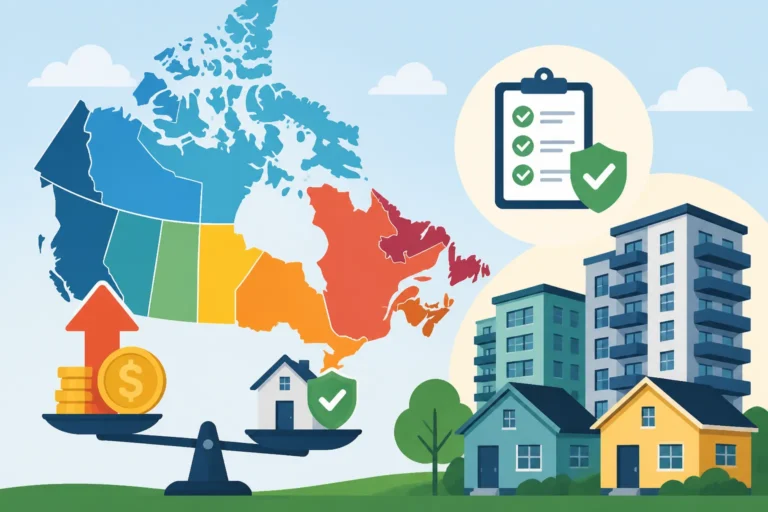
This is a critical, often overlooked, aspect of winter preparedness, especially for renters and homeowners alike. Most standard home insurance policies (both homeowner and tenant insurance) do cover damage from things like burst pipes due to sudden freezing, or damage caused by ice dams if water leaks into your home. However, there are nuances. For instance, damage from slow leaks, gradual wear and tear, or if your pipes freeze due to negligence (like turning off your heat completely while away in freezing temperatures) might not be covered. Always read your policy carefully!
If you're renting, remember that your landlord’s insurance covers the building, but your tenant insurance covers your belongings and liability. If a pipe bursts and ruins your furniture, that’s where tenant insurance steps in. If you own, your homeowner’s policy is vital. It’s always a good idea to review your policy annually and understand what perils are covered, especially those related to winter weather. While not directly about home insurance, understanding a broader context of Understanding Provider Networks and Health Benefits Plans in Canada can also help you understand the importance of having proper coverage for various aspects of your life in Canada.
Moving and Winterizing a Vacant Property
Sometimes, winterizing isn't just about living comfortably in your home; it's about preparing it for your absence, or even making a move during the winter. Both scenarios require specific attention to detail to avoid costly problems.
Key Steps for a Snowbird or Vacating Tenant
If you're a "snowbird" heading south for the winter, or a tenant vacating your property, leaving your home unattended in Canadian winter carries risks. You can't just turn off the heat and walk away. The primary concern is always frozen pipes. The golden rule is to keep your heat on, even if it's set to a lower temperature, typically around 15°C (59°F). This minimal heat is enough to prevent pipes from freezing in most areas of the house.
Beyond heat, consider these steps:
- Notify neighbours or a trusted friend: Ask them to periodically check on your property, especially during severe cold snaps.
- Stop mail and newspaper delivery: To avoid making it obvious your home is empty.
- Unplug electronics: To protect them from power surges and save a little on "phantom load" electricity.
- Shut off the main water supply (optional but recommended): If you'll be away for an extended period, turning off the main water supply and draining your pipes can provide extra peace of mind against burst pipes. However, ensure your hot water tank is also drained if you do this, to prevent damage.
- Clear your driveway and walkways: If possible, arrange for someone to shovel snow regularly, so it doesn't look neglected.
These measures not only protect your property but can also sometimes be a requirement of your insurance policy if you're away for more than a certain number of days. If you're a tenant, understanding your responsibilities for winterizing your unit is often covered under Understanding Tenant and Landlord Rights by Province in Canada.
Dealing with Unexpected Winter Moves
Moving at any time can be stressful, but moving in the dead of a Canadian winter adds a whole new layer of complexity. You’ll be contending with snow, ice, freezing temperatures, and shorter daylight hours, all of which can affect logistics and the condition of your belongings. If you find yourself in this situation, planning is absolutely paramount.
First, book your movers well in advance. Winter weather can cause delays, and good moving companies are often booked solid. Companies like Sirelo can be incredibly helpful here, not just for finding reliable movers, but also for providing resources and advice specifically tailored to navigating complex moves, including those in challenging weather conditions. They understand the logistics involved in protecting your belongings from extreme cold and moisture, which is crucial. Cold can make plastics brittle, electronics susceptible to condensation, and even damage wooden furniture. Discuss with your movers how they protect items during transport in cold weather.
Ensure all pathways, driveways, and sidewalks at both your old and new homes are clear of snow and ice on moving day. This is vital for the safety of the movers and yourself. Have your utilities connected at your new home before you arrive, so you step into a warm, lit space. Remember to pack an "essentials" box with warm drinks, snacks, a change of clothes, and any immediate necessities. Using a service like Sirelo that offers comprehensive moving assistance can make a world of difference when facing the unique challenges of a winter move in Canada, ensuring everything is accounted for and protected from the elements. This foresight ties into larger move planning, as detailed in The Complete Guide to Moving to Canada: Your First 90 Days (2027) or when you need to know How to Choose a Reliable Moving Company to Canada.
DIY vs. Professional Winterizing Tasks
To help you visualize what you might tackle yourself and when it's best to call in the pros, here’s a quick comparison.
| Task | DIY Level | Professional Help Recommended For | Estimated DIY Cost (CAD) | Estimated Pro Cost (CAD) |
|---|---|---|---|---|
| Gutter Cleaning | Basic cleaning, flushing | High or multi-story homes, persistent clogs, repairs | $10-50 (tools) | $100-300 |
| Outdoor Tap Shut-off | Locating and turning valve, draining | If valve cannot be found or is seized | $0 | $80-200 (plumber) |
| Draft Sealing (Caulking, Weatherstripping) | Small gaps, basic application | Large gaps, complex window/door systems, historical homes | $20-100 (materials) | $200-500 |
| Window Film Insulation | Standard windows, basic application | Very large windows, complex shapes | $20-50 (kits) | $100-250 (per window) |
| Furnace Filter Change | Standard filters, accessible unit | Specialty filters, hard-to-reach units | $10-40 (filter) | $50-100 (service call add-on) |
| Furnace Tune-Up/Inspection | Visual check, listening for odd noises | All technical inspections, cleaning, repairs | $0 | $150-300 |
| Pipe Insulation | Exposed, easily accessible pipes | Pipes in walls, ceilings, crawl spaces, or complex plumbing | $20-100 (materials) | $150-400 (plumber) |
| Tree Pruning | Small branches, accessible height | Large branches, trees near power lines, dead/diseased trees | $10-50 (pruners) | $200-1000+ |
Note: Costs are approximate and can vary significantly based on location, home size, and specific issues.
Preparing your home for winter in Canada might seem like a daunting list of tasks, but taking these steps will dramatically increase your comfort, reduce your utility bills, and protect your home from potentially devastating damage. A little proactive work now will save you a lot of headaches and money later!
Disclaimer
The information provided in this guide is for general informational purposes only and does not constitute professional advice. While we strive to offer accurate and up-to-date guidance, individual circumstances and provincial regulations in Canada can vary. It is always recommended to consult with qualified professionals, such as HVAC technicians, plumbers, or insurance providers, for specific advice tailored to your situation. We assume no responsibility for any actions taken based on the information provided herein.