How Much Does a Vaccine Cost in Canada?
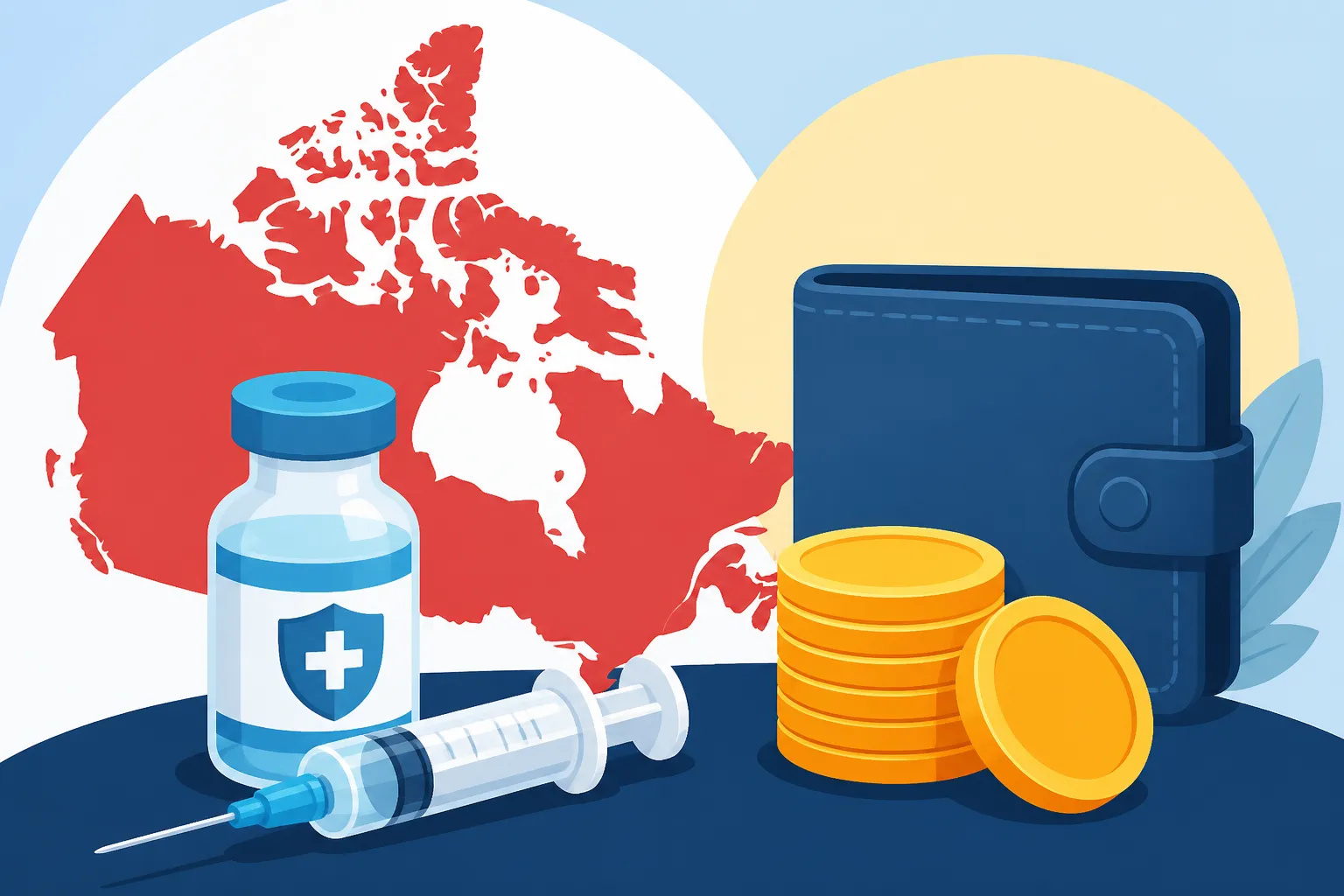
One of the many things that can catch you off guard when you first arrive in Canada is trying to figure out how healthcare works, especially something as seemingly straightforward as vaccinations. You might assume everything is covered by the "free" healthcare system, but trust me, it's not always that simple, especially when it comes to vaccines. This guide will walk you through the real costs of vaccines in Canada, what's typically covered by provincial health plans, what you might have to pay for out-of-pocket, and where you can go to get your shots.
The Public Health System and Vaccine Coverage in Canada
Alright, let's talk about the big one: what does Canada's public health system actually cover when it comes to vaccines? For most permanent residents and eligible temporary residents, routine vaccinations are indeed covered. This is one of those areas where the public system truly shines, ensuring a baseline of health protection for everyone. However, "routine" can be a bit of a moving target depending on your age, province, and specific health needs.
Provincial Health Plans and Routine Immunizations
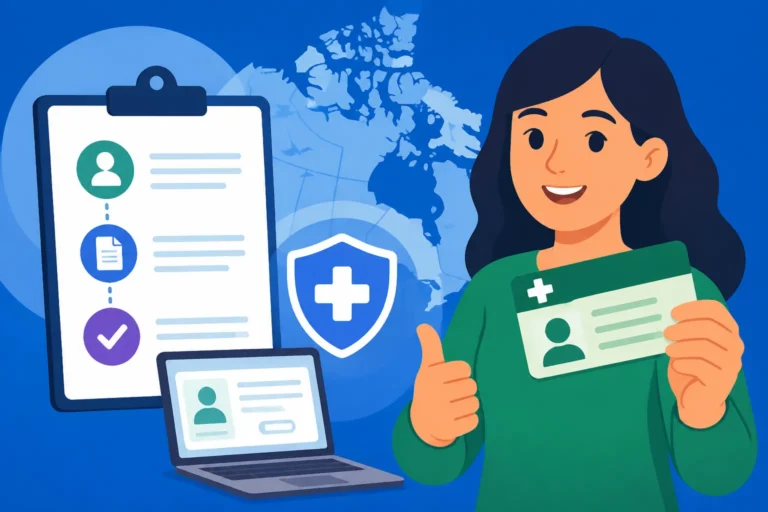
Once you've settled in and successfully applied for your provincial health card – which, let's be honest, can be an adventure in itself, but it's a vital step for accessing most services – you'll find that most provinces have a comprehensive immunization schedule. These are the standard vaccines recommended for children, adolescents, and sometimes adults, to protect against common infectious diseases. Think measles, mumps, rubella (MMR), diphtheria, tetanus, pertussis (whooping cough – DTaP), polio, and varicella (chickenpox). Many provinces also cover the Human Papillomavirus (HPV) vaccine for specific age groups and the seasonal flu shot for everyone.
The beauty of this is that if you meet the eligibility criteria for your province's health insurance plan (like OHIP in Ontario, MSP in British Columbia, or RAMQ in Quebec), these routine vaccinations are typically free at the point of service. This means you generally won't pay a dime when you go to a public health clinic or get them administered by your family doctor. It’s part of the preventive care that the system prioritizes, which is fantastic. The cost for these vaccines, including the administration fee, is absorbed by the provincial government. This is a huge relief for families, as these vaccines can be quite expensive otherwise. Understanding the specific benefits and limitations of your provincial health plan is crucial, as some aspects like mental health services or dental care might not be fully covered. For a broader overview, you should definitely read up on How Canada's Health System Works: Provincial Plans Explained (2027).
Exceptions and Out-of-Pocket Costs for Provincially Covered Vaccines
Now, here's where it gets a little more nuanced, and where many newcomers often get surprised. While the vaccine itself might be covered, there can be exceptions, and sometimes, you might find yourself needing to pay out-of-pocket for things you thought were "free."
One common scenario involves the waiting period for provincial health coverage. When you first arrive in Canada, depending on your immigration status and the province you choose, there might be a three-month waiting period before your provincial health coverage kicks in. During this time, if you need a routine vaccine that would normally be covered, you will have to pay for it yourself. This can be a significant cost. For instance, a single dose of a routine childhood vaccine could range from $50 to $150 or more if you're paying privately. Many newcomers opt for private health insurance to bridge this gap, and companies like SafetyWing offer plans that can provide coverage during these initial months. It’s a smart move to look into How to Get Private Health Insurance to Cover the Waiting Period in Canada if you're in this situation.
Another exception can be if you miss the standard age cut-off for a specific vaccine. For example, while HPV vaccines might be covered for adolescents, if you're an adult seeking it and your province's program doesn't extend to your age group, you'd likely have to pay for it. Similarly, if you're getting a vaccine that's not on the provincial routine schedule but is still medically recommended for you (perhaps due to a specific health condition or an outbreak), the costs might not be covered. Always check with your local public health unit or family doctor to confirm coverage before getting a shot.
Vaccines Not Covered by Public Health and How to Pay
Beyond the routine vaccinations, there's a whole world of other immunizations that generally fall outside the scope of provincial health plans. This is where you'll almost certainly be reaching for your wallet.
Travel Vaccines and Specialized Immunizations
If you're planning on doing any international travel from Canada, you'll quickly discover that most travel-related vaccines are not covered by the public system. This includes things like Yellow Fever, Hepatitis A and B (unless deemed medically necessary for a specific high-risk group), Typhoid, Japanese Encephalitis, Rabies, and often even certain Meningitis strains if not part of the routine childhood schedule. The rationale is that these are elective, lifestyle-related choices rather than essential public health interventions within Canada.
The cost for these can vary wildly, both for the vaccine itself and the administration fee. For example, a Yellow Fever vaccine could cost you upwards of $200-$300, while a course of Hepatitis A and B might run similar or higher, spread across multiple doses. Typhoid can be around $100-$150. These prices can fluctuate based on the clinic, the pharmacy, and even the province. You'll usually need to visit a travel clinic, where specialists can assess your travel itinerary and recommend the necessary vaccinations. The consultation fee for these clinics might also be an additional charge, often ranging from $50-$100 before the vaccine costs even come into play. It's truly eye-opening how quickly these costs add up!
Private Insurance and Supplementary Coverage
This is where private health insurance or employer-sponsored benefit plans become your best friend. Many Canadians, especially those with stable employment, have supplementary health insurance that covers things not fully addressed by the provincial plans. This often includes a portion, or sometimes even the full cost, of prescribed travel vaccines and specialized immunizations.
If you have an employer benefits package, it's absolutely essential to delve into its details. Don't just assume; call your HR department or the insurance provider directly to ask about vaccine coverage. They can tell you if specific vaccines are covered, what percentage, and if there are any annual limits. Sometimes, you might need a prescription from your doctor to submit a claim, even if the vaccine is administered at a pharmacy. For those who are self-employed or don't have employer benefits, you might consider purchasing private health insurance. These plans, sometimes offered by providers like Manulife or Blue Cross, can help with the costs of these non-covered vaccines, though they come with their own premiums and deductibles. It’s worth exploring How to Buy Private Health Insurance as a Newcomer in Canada to understand your options, especially if you're a frequent traveler or have specific health concerns that require specialized immunizations.
Here's a quick overview of potential costs for some common vaccines if you're paying out-of-pocket or through private insurance:
| Vaccine Type | Typical Public Coverage (Eligible Residents) | Estimated Private Cost Per Dose (CAD) | Notes |
|---|---|---|---|
| Routine Childhood Vaccines (MMR, DTaP, Polio, Varicella) | Yes, fully covered by provincial plans | $50 – $150+ | Covered at public health units, doctor's offices. Costs apply if uninsured or during waiting period. |
| Seasonal Flu Shot | Yes, fully covered annually | $20 – $50 | Widely available at pharmacies, public health units, doctor's offices. |
| HPV Vaccine | Yes, for specific age groups (often adolescents) | $150 – $250+ (per dose, often 2-3 doses) | Coverage varies by province and age. Adults outside covered age may pay. |
| Shingles Vaccine | Varies by province (often for seniors) | $150 – $300+ (per dose, often 2 doses) | Public coverage is typically age-restricted. High out-of-pocket cost. |
| Travel Vaccines (Typhoid, Hep A/B, Yellow Fever, Rabies) | No, generally not covered | $100 – $300+ (per dose, often multiple) | Additional consultation fees at travel clinics. Private insurance might cover part. |
| Meningitis Vaccine | Yes, for specific age groups (children) | $100 – $200+ | Public coverage for specific strains and ages. May pay privately for others or if outside age. |
Note: These are estimated costs and can vary significantly based on the province, specific vaccine brand, and dispensing pharmacy or clinic.
Where to Get Your Vaccinations in Canada
Now that you know a bit about the costs, where do you actually go to get these shots? Canada has a pretty robust network for vaccine delivery, but knowing which door to knock on can save you time and money.
Public Health Units vs. Pharmacies vs. Doctors
When it comes to provincially covered, routine vaccines, your primary options are usually:
- Public Health Units: These are often your best bet for free, routine immunizations, especially for children. Every city and region has a local public health unit that runs immunization clinics. They follow the provincial schedule, offer walk-in or appointment-based services, and are staffed by knowledgeable nurses. For example, if you're in Toronto, Toronto Public Health provides various clinics. This is usually the most cost-effective route if you're eligible for provincial coverage. They are also invaluable for information regarding Understanding Childhood Vaccination Schedules in Canada.
- Family Doctors (GPs): If you have a family doctor, they can often administer routine vaccines during your regular appointments. They'll keep your immunization records up to date as part of your overall health care. This is convenient, but finding a family doctor as a newcomer can be a challenge. Still, once you're established, it's a seamless way to stay on schedule. Remember to learn about How to Find and Register with a Family Doctor in Canada.
- Pharmacies: For certain adult vaccines like the seasonal flu shot, and increasingly for other routine adult immunizations (like tetanus or shingles), many pharmacies now offer on-site vaccination services. This is incredibly convenient; you can often walk in without an appointment, and if the vaccine is provincially covered, it's free. Pharmacists are highly trained and can provide guidance. For non-covered vaccines, you can purchase the vaccine at the pharmacy and often have it administered right there for an additional fee. This convenience is a game-changer for many.
For vaccines not covered by public health (like most travel vaccines):
- Travel Clinics: These specialized clinics are set up specifically to deal with the unique immunization needs of international travelers. They have the expertise to assess your itinerary, provide specific vaccine recommendations, and administer the shots. They often stock a wider range of vaccines than a regular pharmacy. Keep in mind that travel clinics usually charge a consultation fee in addition to the vaccine costs. They are usually private operations, so make sure your private insurance covers these costs.
- Certain Pharmacies: Some larger pharmacies, particularly those with a dedicated travel health section, may also offer a selection of travel vaccines. It's always a good idea to call ahead to confirm availability and pricing.
Navigating the Process as a Newcomer
Honestly, navigating the Canadian healthcare system as a newcomer feels like learning a new language sometimes, and vaccines are no exception. Here are a few tips:
- Get Your Provincial Health Card ASAP: This is foundational. As soon as you're eligible, apply for your health card. It unlocks the "free" aspect of routine care, including many vaccines. Information on How to Apply for Your Provincial Health Card in Canada (2027) will be vital.
- Understand the Waiting Period: Be acutely aware of any waiting period in your province. If you arrive in a province like Ontario or British Columbia, where a waiting period applies, consider getting private insurance like SafetyWing for those initial months. If you or your children need vaccines during this time, you'll be paying out-of-pocket without it. For a deeper dive, check out The Newcomer Waiting Period for Provincial Health Coverage in Canada (2027).
- Bring Your Vaccination Records: Make sure you bring all your previous vaccination records from your home country. This can help health professionals here determine what shots you still need and avoid unnecessary re-immunization, saving you time and money.
- Connect with a Family Doctor: If possible, try to find a family doctor early on. They can help you understand the Canadian immunization schedule, keep track of your and your family's records, and guide you on what's covered and what isn't. It's truly your first port of call in Navigating the Canadian Healthcare System: A Newcomer's Roadmap (2027).
- Ask, Ask, Ask: Never assume coverage. Before you or your family get any vaccine, always ask the clinic, pharmacy, or doctor's office about the cost and whether it's covered by your provincial plan or private insurance. A quick phone call can save you a lot of headache and unexpected bills.
- Explore Private Insurance Options: If you anticipate needing travel vaccines or specialized shots not covered by public health, look into private insurance options. Even a basic plan might offer some reimbursement, especially if you don't have employer benefits. Companies like SafetyWing are specifically designed with the needs of global citizens and expats in mind, which can be really helpful for those initial years when you're still finding your footing.
Ultimately, while many routine vaccines are indeed free for eligible residents in Canada, the cost of other, more specialized vaccines can be a surprise. Being proactive, understanding the system, and planning for potential out-of-pocket expenses or private insurance coverage will help you stay healthy without breaking the bank.
Disclaimer
The information provided in this article is for general guidance only and does not constitute medical or legal advice. Healthcare policies and costs, including vaccine coverage, can vary significantly by province, individual eligibility, and change over time. It is essential to consult with your provincial health authority, a qualified healthcare professional, or an insurance provider for personalized and up-to-date information regarding your specific situation in Canada.