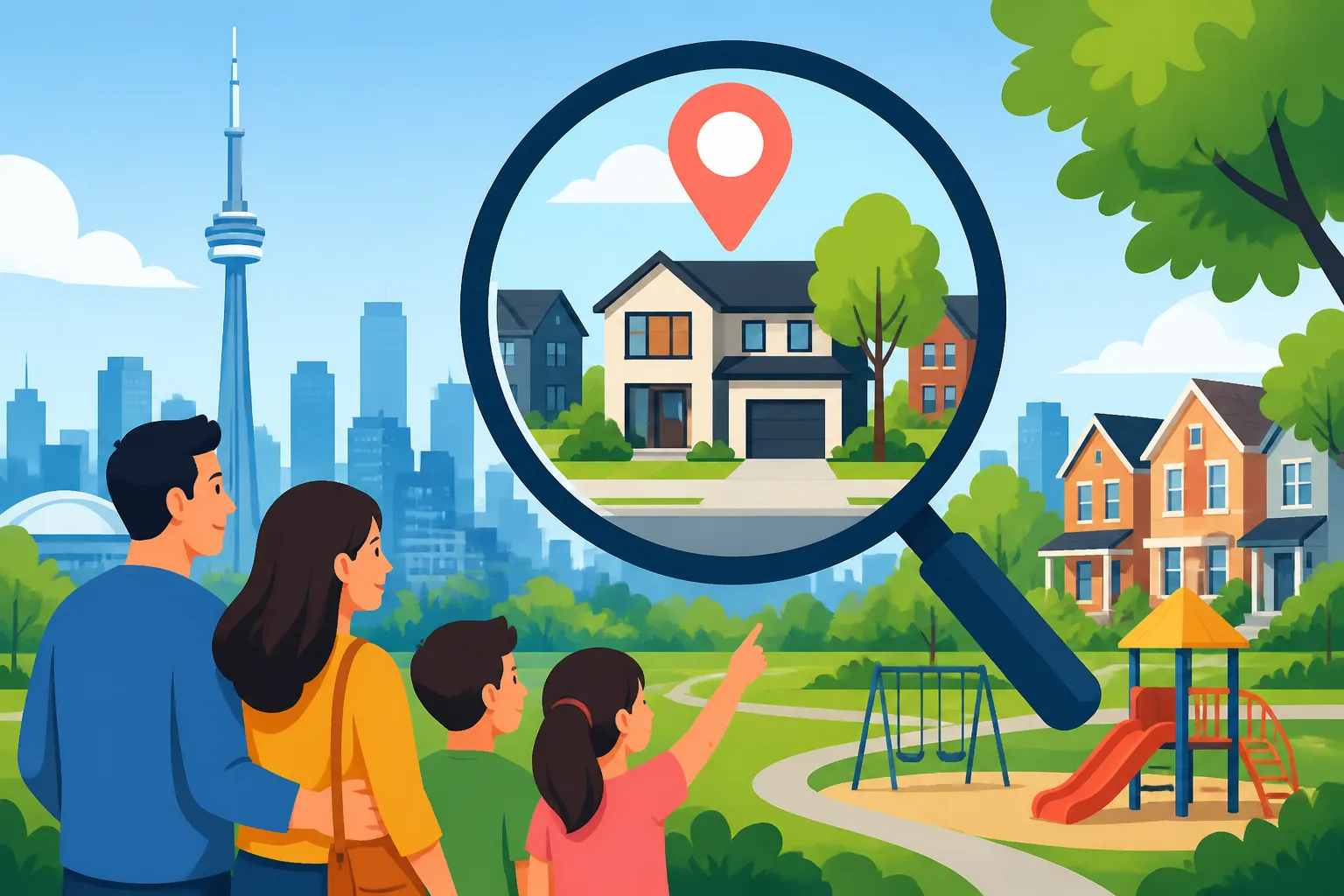
How to Find Family-Friendly Neighbourhoods in Toronto
Moving to a new city, especially with a family, is an adventure filled with excitement and a fair share of anxiety. Toronto, with its vastness and diverse offerings, can feel like a labyrinth when you’re trying to pinpoint that perfect, nurturing spot for your children to grow up. This guide is here to untangle that complexity, offering a seasoned expat's perspective on how to zero in on the best family-friendly neighbourhoods in this vibrant Canadian metropolis, making your transition as smooth as possible.
What Makes a Neighbourhood Truly Family-Friendly?
When you're searching for a new home with children in tow, "family-friendly" isn't just a buzzword; it's a comprehensive checklist of necessities and desires. It’s about more than just the house itself; it's about the ecosystem surrounding your home. As someone who’s navigated this very journey, I can tell you that what looks good on paper might not feel right in person, so understanding these core criteria is paramount before you even start looking at listings.
Access to Quality Schools and Childcare
Let's be real, education is often at the top of the list for parents. In Canada, the public school system is generally excellent, but within Toronto, some schools consistently rank higher or offer specialized programs that might appeal to your family. It’s not just about test scores; it's about school culture, teacher engagement, and extracurricular opportunities. When you're looking, research the local schools and their feeder patterns. Does the elementary school feed into a strong middle school and then a reputable high school? This long-term view can save you headaches down the road.
Childcare is another beast entirely, and let me tell you, it's a competitive one in Toronto. Spots in reputable daycares, especially for infants and toddlers, are often waitlisted years in advance. Many newcomers are shocked by this, but it’s the reality. You'll want to investigate the availability and cost of childcare services in any neighbourhood you consider. Some areas have a higher concentration of licensed daycares, Montessori schools, or home-based providers. Don't underestimate the mental load of juggling childcare logistics – a neighbourhood with accessible options can make a huge difference to your daily sanity.
Safety and Green Spaces
Every parent wants to feel their children are safe, whether they’re walking to school, playing in the park, or simply riding their bike around the block. Toronto, generally, is a very safe city, but like any major metropolis, crime rates can vary from one pocket to another. Look for neighbourhoods with low traffic, well-maintained sidewalks, and visible community engagement. Things like neighbourhood watch signs, active residents' associations, and friendly faces out and about are often good indicators.
Then there are green spaces – these are non-negotiable for many families. Kids need room to run, play, and explore. Toronto is blessed with an incredible network of parks, ravines, and conservation areas, but their proximity to your home will vary greatly. A neighbourhood with a large, well-equipped park nearby, complete with playgrounds, sports fields, and walking trails, can become your family’s second backyard. These spaces also foster community, as parents and children gather, creating opportunities for new friendships. Think about High Park with its famous zoo and playgrounds, or Riverdale Park East with its stunning city views and vast open fields – these are community hubs, not just patches of grass.
Community Amenities and Activities
Beyond schools and parks, what else makes a neighbourhood feel like home for a family? It’s the little things, and sometimes the big ones, that build a sense of community. Are there family doctors accepting new patients nearby? What about libraries, community centres, or sports complexes? These are the lifelines of family life, offering everything from swimming lessons and after-school programs to quiet reading corners and parenting workshops.
Consider the local shops and services too. Is there a family-friendly restaurant where you can grab a quick meal without feeling out of place? A local ice cream parlour that becomes a weekend tradition? Farmers' markets, toy stores, and kid-focused events are all indicators of a vibrant, family-oriented community. For instance, neighbourhoods like Bloor West Village are renowned for their walkable streets lined with independent shops and cafes, creating a charming, village-like atmosphere that's perfect for families. These amenities don't just provide convenience; they weave the fabric of daily life and contribute to that feeling of belonging.
Top Family-Friendly Neighbourhoods in Toronto
Toronto is enormous, and figuring out where to start your search can feel overwhelming. Let me break down some of the perennial favourites for families, giving you a taste of what each offers. Keep in mind that "family-friendly" often comes with a price tag, but there are always trade-offs to consider!
North Toronto: Established Elegance and Greenery
North Toronto is often synonymous with leafy streets, beautiful homes, and some of the city's top-ranked public and private schools. It's a bit more established, with a slower pace than the downtown core, but still offers excellent connectivity.
- Lawrence Park: This neighbourhood is often considered one of Toronto's most affluent and desirable areas, and for good reason. It’s characterized by grand homes, mature trees, and sprawling lots. The schools here, like Lawrence Park Collegiate Institute, consistently rank high, making it a huge draw for families. The downsides? The price tag is steep, and while there are small local shops, it’s not as bustling with amenities right on your doorstep as some other areas. However, for those seeking quiet, upscale living with superb education, it's hard to beat.
- Bedford Park: Adjacent to Lawrence Park, Bedford Park offers a slightly more accessible (though still very high) entry point into this prestigious area. It retains much of the charm, with lovely parks such as Bedford Parkette and a strong sense of community. You'll find a mix of larger, traditional homes and some more modern infills. The area around Yonge Street is quite walkable, with a good selection of shops, restaurants, and professional services, making daily errands a breeze. The schools are excellent, and the overall vibe is very family-oriented.
- Yonge-Eglinton: While busier and more urban than Lawrence Park or Bedford Park, the Yonge-Eglinton area is a fantastic choice for families who want a vibrant, amenity-rich environment. There are numerous condos and townhouses here, offering a more diverse range of housing options. This area is a transit hub, making commutes easier, and it boasts an incredible array of restaurants, shops, and entertainment options. Despite the density, there are still excellent schools and several parks, like Eglinton Park, which is a fantastic spot for sports and community events. It perfectly balances urban convenience with family needs.
West Toronto: Bohemian Charm and Lakeside Living
West Toronto offers a more eclectic mix, from the historic grandeur of High Park to the artsy vibe of The Junction. These neighbourhoods often have a strong sense of local identity and a more relaxed atmosphere.
- Bloor West Village: If you’re looking for that charming, small-town feel within a big city, Bloor West Village absolutely delivers. Known for its strong Ukrainian heritage, it boasts European-style bakeries, independent boutiques, and a lively annual street festival. The housing stock consists mainly of beautiful, turn-of-the-century detached and semi-detached homes. High Park, Toronto's largest urban park, is literally at its doorstep, offering endless recreational opportunities. The schools are well-regarded, and the walkability factor is incredibly high, making it a dream for families who prefer to ditch the car.
- High Park: Living right next to High Park means having a 400-acre backyard with a zoo, playgrounds, sports facilities, and beautiful walking trails. The residential areas surrounding the park are equally appealing, featuring a mix of grand Victorian homes and more modest, charming houses. The community is very active and environmentally conscious. While it feels a world away from downtown, excellent transit options keep it well connected. It’s a bit more serene than Bloor West Village but shares a similar sense of established community.
- The Junction: A bit grittier and more bohemian than its western neighbours, The Junction has undergone significant revitalization in recent years, transforming into a trendy hotspot while retaining its industrial charm. You'll find a mix of Victorian homes, new townhouses, and converted lofts. It's brimming with independent shops, craft breweries, and unique restaurants. For families, it offers a more affordable entry point into West Toronto, with good schools and numerous parks. It’s a vibrant, artistic community that appeals to families seeking something a little different and less overtly "traditional."
East Toronto: Lakeside Breezes and Community Spirit
East Toronto neighbourhoods are often characterized by their strong community ties, access to Lake Ontario, and a slightly more relaxed pace compared to the bustling downtown.
- Leslieville: Known for its independent spirit, Leslieville is a haven for young families, artists, and creative types. It features charming Victorian and Edwardian homes, many with vibrant paint jobs and front porches. Queen Street East is the main artery, lined with fantastic boutiques, cafes, and eateries. Leslieville boasts a high walkability score, and its proximity to the Eastern Beaches offers a wonderful escape during warmer months. The local schools are community-focused, and there are numerous parks and playgrounds, like Greenwood Park, which offers a large off-leash dog area and a popular skating trail in winter. The community here is incredibly tight-knit and welcoming.
- The Beaches: This iconic neighbourhood truly lives up to its name, offering direct access to the sandy shores of Lake Ontario and the boardwalk. It’s a highly sought-after area, especially for families who value outdoor living and a relaxed, resort-like atmosphere. Homes here range from grand Victorians to charming bungalows. Queen Street East continues its vibrant run through The Beaches, with unique shops and restaurants. The schools are excellent, and the emphasis on outdoor activities, from beach volleyball to cycling along the waterfront, is unparalleled. It's a bit of a commute to downtown, but for many, the quality of life here is worth every minute.
- Riverdale: Offering some of the most stunning skyline views of Toronto from Riverdale Park East, this neighbourhood is another East End gem. It’s well-established, with a mix of Victorian homes and modern renovations. Riverdale boasts strong community associations, excellent public schools, and a fantastic network of parks and ravines. The nearby Danforth Avenue provides a lively array of Greek restaurants and shops, while Queen Street East offers its unique charm. It’s well-connected by transit and provides a great balance of urban amenities and green space, making it a perennial favourite for families.
When moving from abroad, figuring out the logistics of getting your belongings to your new family home can be a huge undertaking. Services like Sirelo can be really helpful in comparing international moving companies, giving you peace of mind that your treasured family possessions will arrive safely and efficiently.
Navigating the Toronto Real Estate Market as a Family
Okay, so you've got a few neighbourhoods in mind. Now comes the real challenge: finding a home. The Toronto real estate market, whether you're renting or buying, is famously competitive and often frustrating, especially for newcomers. Don't be disheartened, but do be prepared!
Understanding Rental vs. Purchase Dynamics
For most newcomers, renting is the first step, and it's a smart one. It allows you to get a feel for the city, test out a neighbourhood, and build a Canadian credit history before committing to a purchase. Toronto's rental market is tight, with high demand and often fierce competition, particularly for family-sized units (2+ bedrooms). Be ready to move quickly, have all your documents in order, and potentially offer above the asking price in very competitive areas. You'll need references, proof of income, and possibly a credit check (which can be tricky for newcomers, so be ready to offer additional proof of financial stability or a larger deposit).
If you’re considering buying, that’s a whole different ballgame. The cost of buying a house in Toronto is among the highest in North America. While there are options like detached homes, semi-detached, townhouses, and condos, even smaller properties can carry a significant price tag. The foreign buyer ban in Canada might also affect your ability to purchase property depending on your immigration status, so it's crucial to understand the specifics. This process is complex and often requires a substantial down payment, legal fees, and closing costs. For those serious about buying, starting with a consultation with a mortgage broker who specializes in newcomer financing can provide clarity.
The Role of Real Estate Agents for Families
Whether you're renting or buying, a good real estate agent can be your best friend. They have access to listings before they hit public sites, understand the nuances of different neighbourhoods, and can guide you through the often-confusing paperwork. For families, an agent who understands your specific needs – school districts, park access, commute times – is invaluable. Don't just pick the first agent you find; interview a few, ask about their experience with newcomer families, and ensure they truly listen to your priorities. They can also help you understand nuances like "Understanding Rent Increases and Rent Control by Province in Canada" which can differ even within the GTA.
When renting, the landlord (or their agent) usually pays the tenant's agent commission, so it typically costs you nothing to have representation. This is a crucial detail many newcomers aren't aware of. For buying, your agent is also compensated by the seller, so again, no direct cost to you. Leveraging their expertise is one of the smartest moves you can make in this market.
Dealing with Lease Agreements and Landlord-Tenant Relations
Once you've found that perfect place, you'll be signing a lease agreement. In Ontario, residential leases are typically regulated by the Residential Tenancies Act. It's a legally binding document, so read every word carefully. Don't be afraid to ask questions. Ensure you understand clauses about utilities, maintenance responsibilities, and pet policies. Landlords in Toronto usually require the first and last month's rent upfront as a deposit.
It's vital to be aware of your tenant rights. The Landlord and Tenant Board (LTB) is an administrative tribunal that resolves disputes between landlords and tenants. While you hope you never need them, knowing they exist and understanding their function can provide peace of mind. Familiarize yourself with common practices and your rights, such as when a landlord can enter your unit, rules around rent increases, and proper notice periods for moving out. Getting grounded in "The Complete Guide to Renting an Apartment in Canada (2026)" is a great starting point for this.
Beyond the House: Community and Lifestyle Considerations
Finding the right house is just one piece of the puzzle. For families, the surrounding lifestyle and community infrastructure are just as important. You’re not just moving into four walls; you’re integrating into a new way of life.
Public Transit and Commute Times
Toronto's public transit system, operated by the TTC (Toronto Transit Commission), is extensive but can be a beast during peak hours. If one parent commutes for work, or if your children will eventually use public transit to get to school or activities, understanding the commute times from your chosen neighbourhood is critical. Some areas are well-served by subway lines (like the Yonge-University-Spadina line or the Bloor-Danforth line), while others rely more on streetcars and buses, which can be slower.
Consider the "last mile" problem: how far is your potential home from the nearest transit stop? How safe does that route feel at different times of the day? While owning a car offers flexibility, it comes with significant costs (insurance, parking, gas) in Toronto. Many families choose to be a one-car family or even car-free if they live in a highly walkable, transit-friendly neighbourhood. Learning "How to Use the Presto Card and Public Transit in Canada" will be essential for getting around. Staying connected on the go, especially when you're out exploring potential neighbourhoods or relying on public transit, is so important. Using an eSIM from a provider like Airalo means you can have mobile data from the moment you land, helping you navigate, research, and stay in touch without the hassle of a physical SIM or roaming fees.
Recreation, Parks, and Libraries
As I mentioned before, green spaces are vital, but let's talk about dedicated recreation facilities. Toronto has numerous community centres offering everything from swimming pools and sports leagues to art classes and fitness programs for all ages. These centres are often incredibly affordable compared to private alternatives and are fantastic places for children to make friends and for parents to connect with other families.
Libraries, often overlooked, are true community hubs in Canada. Toronto Public Library branches are not just places for books; they offer free Wi-Fi, computer access, story times for children, workshops, and even cultural events. They are safe, welcoming spaces that provide invaluable resources for families, especially during those long winter months. A neighbourhood with a well-maintained, active library branch nearby is a definite bonus.
Healthcare Access for Families
Navigating healthcare in a new country can be daunting, and it's even more critical when you have children. Canada's public healthcare system is renowned, but newcomers often face a waiting period for provincial health coverage, typically three months. During this time, it's highly recommended to have private health insurance to cover any unexpected medical needs for your family. Understanding "The Newcomer Waiting Period for Provincial Health Coverage in Canada (2026)" is paramount.
Once covered, finding a family doctor can also be a challenge in Toronto, as many are not accepting new patients. Some family-friendly neighbourhoods might have more clinics or doctors, but it often requires persistence. Walk-in clinics are an option for non-emergency issues, but they don't replace the continuity of care a family doctor provides. Researching local medical facilities and their patient intake policies should be part of your neighbourhood assessment. Also, look into "Understanding Maternity and Prenatal Care in Canada" if that applies to your family's future plans.
Practical Steps for Your Neighbourhood Search
Finding the right spot isn't just about reading articles (though this one helps!). It's about boots on the ground, connecting with people, and immersing yourself as much as possible before making a final decision.
Online Research and Virtual Tours
Start broad and then narrow it down. Websites like Realtor.ca, Rentals.ca, and Zolo.ca are great for getting a sense of housing availability and prices. Many real estate listings now include virtual tours, which can be incredibly helpful if you're still abroad. Google Maps Street View is your friend – virtually "walk" the streets, look at the parks, check out the local shops. Pay attention to how green the streets are, the condition of homes, and the presence of amenities like playgrounds.
Beyond real estate sites, delve into community association websites, local blogs, and even parent forums for the neighbourhoods you're considering. These often provide unfiltered insights into local events, concerns, and the general vibe. Check school board websites (e.g., Toronto District School Board, Toronto Catholic District School Board) for school rankings, programs, and attendance boundaries. This is where you'll figure out "Schools and Education in Canada: A Complete Guide for Newcomer Families."
Visiting Neighbourhoods In-Person
Nothing, and I mean nothing, beats experiencing a neighbourhood firsthand. If you can, plan a scouting trip to Toronto. Spend time in your top contenders at different times of the day – weekday mornings to see the school run, weekend afternoons to observe park activity, and evenings to gauge the nightlife (or lack thereof). What feels right for your family? Does it resonate with your desired lifestyle?
Walk the streets, pop into local cafes, and visit the parks. Look for families out and about. Are people friendly and engaging? Is there a sense of community? Even if you're renting short-term accommodation when you first arrive, make time to explore. This sensory experience is vital to ensuring the neighbourhood aligns with your family’s needs and personality. Don't rush this part!
Connecting with Local Expat and Parent Groups
One of the best resources you’ll find is other expat parents. Search for Toronto-based expat groups on social media platforms like Facebook or LinkedIn. Many cities have "moms groups" or "parent groups" specific to certain neighbourhoods. These groups can offer invaluable firsthand advice, tips on finding doctors or childcare, and help you understand the unspoken rules of a community.
People are generally very willing to share their experiences, both good and bad. They can offer insights you won't find in official guides, such as the best local playgrounds, which schools truly have a great community, or the quirks of certain streets. They might even know of upcoming community events that could give you a true flavour of the area. This kind of networking can also ease your family’s integration and help you build your new support system in Canada.
Addressing the Elephant in the Room: Cost of Living
Let's be blunt: Toronto is an expensive city. There's no getting around that. When you're dreaming of the perfect family life, you also need to ensure it's financially sustainable. Understanding the various costs associated with living in Toronto is crucial for any newcomer family.
Housing Costs and Affordability
As mentioned, housing is likely your biggest expense. Rent for a two-bedroom apartment in a desirable family-friendly neighbourhood can easily range from $2,800 to $4,000+ per month, and house rentals are significantly more. These figures can fluctuate wildly based on the specific area, age of the property, and amenities. When you compare this to "How Much Is the Average Rent for a One-Bedroom in Vancouver in 2026?", you'll see that Toronto is right up there.
Buying a home, especially a detached one, often requires a budget well into the seven figures. It's not uncommon to see entry-level detached homes in family-friendly areas starting from $1.2 million to $2 million or more. Don't forget property taxes, which can add thousands of dollars annually, plus utilities like hydro, gas, and water. "The Complete Guide to Cost of Living in Canada for Newcomers (2026)" breaks down these expenses in detail, and I highly recommend you study it.
Childcare and School-Related Expenses
Even with Canada's public school system being free, there are still costs. Before- and after-school programs, extracurricular activities, school supplies, and field trips all add up. If you opt for private schooling, annual tuition can range from $15,000 to $35,000 or more per child, depending on the institution.
Childcare for younger children is perhaps the most significant ongoing expense for many families. Licensed daycare spots in Toronto can cost anywhere from $1,500 to $2,500 per month per child. It’s a staggering amount, and it's important to factor this into your budget right from the start. Many families find "How Much Does Childcare Cost in Canada?" to be a real eye-opener. While the federal government is working towards a $10-a-day childcare program, it's still being rolled out and not universally available or fully implemented across all provinces and territories yet.
Budgeting for Family Life in Toronto
Beyond housing and childcare, you'll need to budget for groceries (which can be surprisingly expensive in Canada), transportation, entertainment, and personal care. Utilities like "The Newcomer Guide to Setting Up Utilities (Hydro, Gas, Internet) in Canada" are recurring costs that vary based on your usage and the size of your home. Everything adds up quickly.
Create a detailed budget that accounts for all these expenses. Be realistic about what you can afford, and be prepared to make some trade-offs. Perhaps a slightly longer commute is acceptable if it means living in a more affordable neighbourhood that still meets your family's core needs. Remember, settling in takes time, and your budget might need adjustments as you get a better feel for your actual spending habits in Canada. Flexibility and careful planning are your best tools in making Toronto work for your family.
Disclaimer
The information provided in this article is intended for general guidance and informational purposes only. While every effort has been made to ensure accuracy and provide up-to-date information, circumstances can change rapidly. Real estate markets, school rankings, and local amenities are subject to fluctuations. It is strongly recommended that newcomers consult with local professionals such as real estate agents, financial advisors, and immigration consultants for advice tailored to their specific situation. We are not liable for any decisions made based on the information presented here.