How to Exchange a Foreign Driver’s Licence in Canada
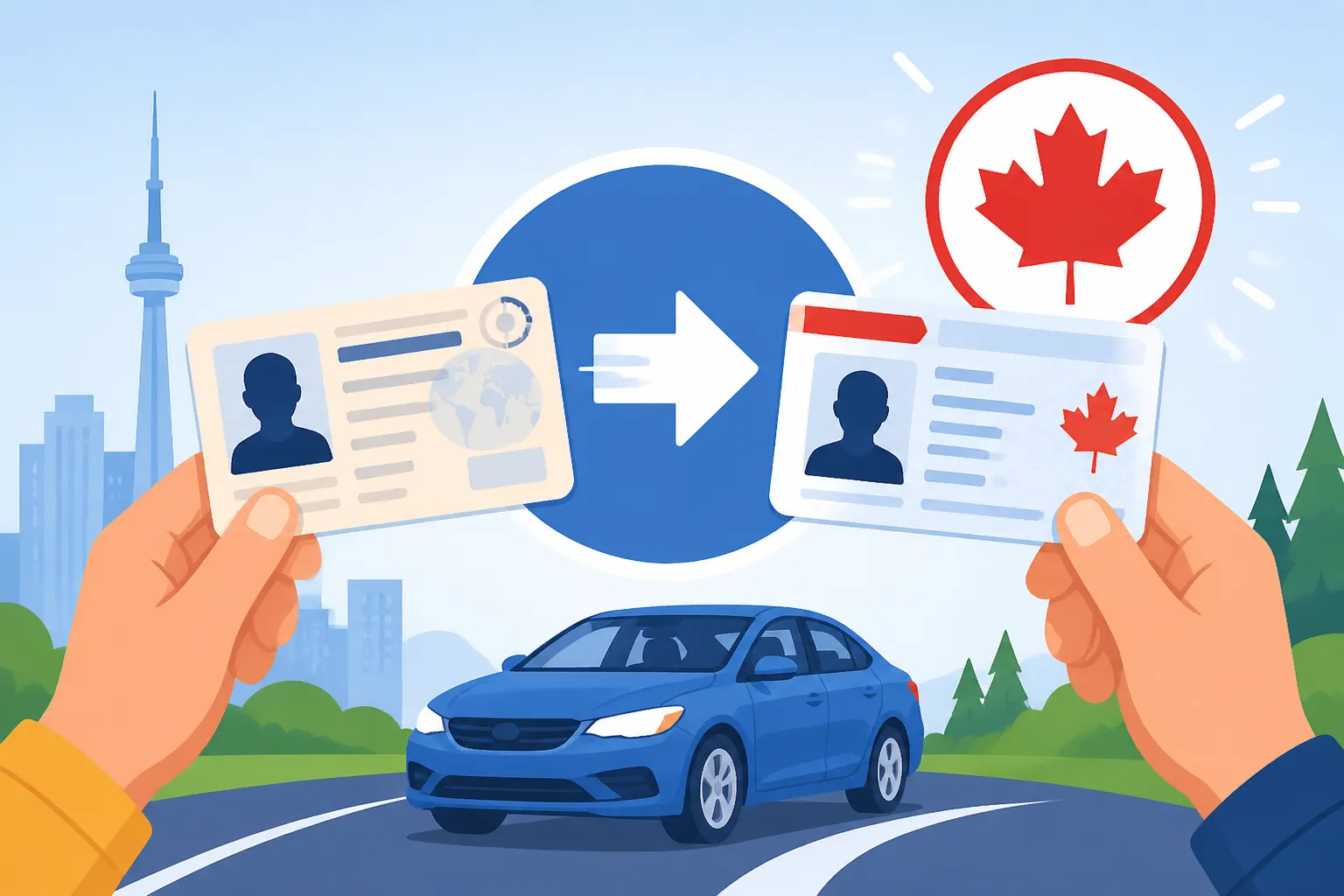
Oh, the Canadian driver's licence journey for newcomers. It's one of those rites of passage that can feel less like a gentle stroll and more like a bureaucratic obstacle course, especially when you're still grappling with a new culture, new job, and a whole new way of life. Many of us arrive here thinking our years of driving experience will smoothly translate, only to find ourselves deep in paperwork and provincial-specific rules. This guide is here to walk you through the often-confusing process of exchanging your foreign driver's licence in Canada, province by province, so you can confidently hit the road without any unexpected detours.
Understanding the Canadian Driving Landscape for Newcomers
When you first land in Canada, the sheer size of the country and the importance of personal transportation quickly become apparent. Whether you're navigating the bustling streets of Toronto, the scenic routes of British Columbia, or the vast plains of Saskatchewan, having the freedom to drive is a game-changer. But before you can confidently take the wheel, you need to understand how your foreign driving experience fits into the Canadian system. It’s not just about getting a piece of plastic; it’s about safety, legal compliance, and fitting into a new set of road norms.
The Importance of a Canadian Driver's Licence
Having a valid Canadian driver's licence is more than just a convenience; it's often a necessity for daily life, and it’s a crucial piece of identification. For many newcomers, their home country’s licence might be accepted for a short grace period, usually a few weeks or months, depending on the province. During this initial period, you're expected to actively pursue getting a local licence. Relying solely on an International Driving Permit (IDP) or your foreign licence indefinitely isn't a long-term solution, and it can lead to headaches with law enforcement, insurance companies, and even when renting a car.
Think about it: applying for a job, opening a bank account, or even just confirming your identity can often be simplified by having a provincial driver's licence. It’s a recognized, government-issued ID that speaks volumes about your legal status and residence. Plus, if you're planning on purchasing a car, securing Understanding Car Insurance, Plates and Registration in Canada is going to be a lot smoother and potentially less expensive with a Canadian licence. Without one, you'll be classified as a higher risk, driving up your premiums significantly.
Provincial Differences: It's Not a One-Size-Fits-All
This is perhaps the biggest sticking point for many newcomers: Canada doesn't have a single, unified driver's licensing system. Each province and territory operates its own motor vehicle department with unique rules, regulations, and reciprocity agreements. What applies in Ontario for exchanging a foreign licence might be completely different in Alberta or Quebec. This means that advice you get from a friend who moved to a different province might not be applicable to your situation, and that can be incredibly frustrating when you're trying to figure things out.
For example, Ontario's Ministry of Transportation (MTO) has specific agreements with countries like the US, Australia, France, Germany, and the UK, allowing for a relatively straightforward exchange. However, if you're moving to British Columbia and your licence is from a country not on their direct exchange list, you might be looking at additional testing requirements. It's imperative that you research the specific requirements for the province you're moving to before you even arrive. This upfront knowledge can save you a lot of time, money, and stress. If you're coordinating a big move, remember services like Sirelo can help you manage the logistics, so you have one less thing to worry about while you're tackling all these administrative tasks. Knowing these provincial nuances is the first critical step in understanding Driving in Canada: Licences, Registration and Rules for Newcomers (2027).
Eligibility and Requirements: Can You Even Exchange It?
The ability to simply swap your foreign licence for a Canadian one largely hinges on two factors: where your licence was issued and your proven driving experience. Canada prides itself on road safety, and the licensing process reflects that. It's not just a formality; it's an assessment of your competency and familiarity with traffic laws.
Reciprocity Agreements: Where Your Home Country Matters
Canada, through its provinces, has established reciprocal agreements with several countries and jurisdictions. These agreements recognize that the driving standards and testing procedures in those specific regions are comparable to Canada's. If your licence is from one of these countries, you might be able to exchange it without having to take a written knowledge test or a road test. This is the dream scenario for many newcomers!
For instance, most provinces have direct exchange agreements with other Canadian provinces, US states, and countries like the UK, Australia, France, Germany, Japan, and South Korea. However, the exact list can vary slightly by province. Some provinces might accept a few more, or require specific documents to prove your licence's authenticity from certain regions. For example, Ontario offers direct exchange for full G-class equivalent licences from countries with exchange agreements. If your licence is from a non-reciprocal country, you'll almost certainly need to undergo the full graduated licensing process, starting with a written test and then subsequent road tests. This is a critical point to clarify, as it dictates the entire path you'll need to take to How Do I Get a Driver's Licence in Canada?.
Key Documents You'll Need to Gather
Regardless of where your licence is from, you'll need a stack of documents. This isn't Canada's way of making things difficult; it's about verifying your identity, legal status, and driving history. Be prepared to present original documents, as photocopies are rarely accepted.
Here’s a general checklist, but always confirm with your specific provincial motor vehicle department (e.g., MTO in Ontario, ICBC in BC, SGI in Saskatchewan):
- Your valid foreign driver's licence: This is non-negotiable. Ensure it's current and hasn't expired. If it's not in English or French, you'll need an official translation from an approved translator. Sometimes, an International Driving Permit (IDP) can serve as a translation, but it's not a substitute for your actual licence.
- Proof of identity: Usually two pieces, one with a signature. This could be your passport, Permanent Resident (PR) card, work permit, or even a Canadian credit card.
- Proof of residency: Documents showing you live in the province. Think utility bills, bank statements, a rental agreement, or even your employer's letter. They want to know you're genuinely settled.
- Proof of driving experience/history: This is crucial, especially if you're trying to bypass road tests. This is where it gets tricky. Many provinces require an official letter from the issuing authority of your home country (e.g., your country's Ministry of Transport or equivalent) confirming the date you were first licensed, the class of vehicle, and that your licence is in good standing. This letter often needs to be on official letterhead and might need to be translated. Do not underestimate the difficulty of obtaining this document from abroad. Start this process early, even before you move, if possible.
- Medical reports (if applicable): For certain licence classes (e.g., commercial drivers) or if you have specific medical conditions, you might need a medical examination report from a Canadian doctor.
Gathering these documents can be a bit of a scavenger hunt. Having good connectivity for online research and communication can be a lifeline during this time. Consider setting up an eSIM from a provider like Airalo shortly after you arrive, so you're not scrambling for Wi-Fi when you need to confirm appointment details or check document requirements.
The Role of Driving History and Experience
Your driving history isn't just a formality; it directly impacts what class of licence you're eligible for and whether you can skip certain tests. Canada has a graduated licensing system (e.g., G1, G2, G in Ontario), designed to ease new drivers into full driving privileges. Your proven experience can help you skip these early stages.
For instance, if you have two years or more of documented driving experience from a reciprocal country, you might be able to exchange directly for a full G licence in Ontario. If you have less than two years, you might get an equivalent to a G2. For non-reciprocal countries, regardless of experience, you'll often start at the very beginning (like G1) and work your way up. This means written tests, several months of waiting periods, and then road tests.
The key word here is documented. A simple licence card showing an issue date isn't always enough to prove continuous experience over several years. That official letter from your home country’s licensing authority is paramount. Without it, even if you’ve been driving for 20 years, Canadian authorities might only recognize the experience from the date they first issue you a Canadian learner’s permit. This can be a huge setback, forcing experienced drivers to re-learn basics and abide by learner restrictions, which can be frustrating and even impact employment opportunities that require a full licence.
The Step-by-Step Process for Exchanging Your Licence
Alright, you've done your research, gathered your documents, and you're ready to tackle the actual exchange. While the exact sequence might have minor provincial variations, the general steps remain consistent across Canada. It's about proving your identity, your legal status, and your driving competence.
Booking Your Appointment (If Required)
First things first: check if you need an appointment. In many provinces, especially for licence exchanges that require more than a simple swap, you'll need to visit a ServiceOntario Centre, ICBC driver licensing office, or a similar provincial agency. Some offices operate on a walk-in basis, but during busy periods, you could be in for a long wait. Others explicitly require you to book an appointment online or by phone.
Booking ahead is always a good idea. It saves you time and ensures you don't make a wasted trip. When you book, clarify what specific documents you need for your situation. Sometimes, the person on the phone can give you a heads-up about a document you might not have considered. For instance, in Ontario, you can often find information and book appointments through the ServiceOntario website, which is a great starting point for How Do I Apply for OHIP, MSP, RAMQ or AHCIP When You Arrive in Canada and many other essential services. If you're a recent arrival, getting your cell phone sorted with an Airalo eSIM can make those booking calls and online navigation much smoother, avoiding reliance on public Wi-Fi at a critical juncture.
The Knowledge Test: Is It Always Needed?
This is where reciprocity agreements truly shine. If your licence is from a country with a direct exchange agreement, you might be exempt from the written knowledge test. This test typically covers Canadian traffic laws, road signs, and safe driving practices. Even if you're a seasoned driver, Canadian rules might have subtle differences that could trip you up.
For example, the rules around right turns on red lights, school buses, or specific highway signage can vary from what you're used to. If you are required to take the knowledge test, don't take it lightly. Study the provincial driver's handbook! Most provinces offer these handbooks online for free, and there are many practice tests available that mimic the real exam. Even if you're from a reciprocal country, taking a quick look at the handbook is a good idea, just to familiarize yourself with any minor differences. If you're driving on your foreign licence for a temporary period, it's your responsibility to know and follow Canadian laws.
The Vision Test: Don't Forget Your Glasses!
A vision test is a mandatory component of getting a Canadian driver's licence, regardless of your country of origin or whether you're exchanging or applying from scratch. This is a quick and straightforward test performed right at the driver's licensing office. They'll check your visual acuity, peripheral vision, and color recognition.
If you wear glasses or contact lenses, make sure to bring them to your appointment! Failing the vision test means you won't be able to proceed with your application until you get an eye exam and meet the required standards. If you pass, they will note on your new licence that corrective lenses are required if you need them to drive. It's a simple step, but one that can surprisingly delay things if you forget your eyewear.
The Road Test: Avoiding a Surprise!
This is often the most nerve-wracking part for experienced drivers. Again, if you're from a country with a full reciprocity agreement and have sufficient documented experience (typically 2 years or more of full licensing), you might be exempt from the road test. This is a huge relief for many.
However, if your country doesn't have an agreement, or if you don't have enough documented experience, you will almost certainly need to take a road test. This test assesses your ability to safely operate a vehicle, follow traffic laws, and demonstrate various driving maneuvers (like parallel parking, three-point turns, lane changes, etc.). The test is usually conducted by an examiner who rides with you in your vehicle (or a rented one).
Here are some tips if you need to take a road test:
- Practice with Canadian rules: Even if you're an excellent driver, adapting to Canadian specific rules and habits (like shoulder checks, speed limits in school zones, or four-way stops) is crucial. Consider taking a refresher lesson with a Canadian driving instructor.
- Know your vehicle: Ensure your vehicle is in good working order and that you're familiar with all its controls.
- Be prepared: Arrive early, ensure your vehicle has valid insurance and registration (you can learn more about Understanding Vehicle Insurance and Registration by Province in Canada in our other guide), and bring all necessary documents.
Failing a road test means you'll have to wait a certain period (e.g., a week or two) before you can re-take it, and you'll incur additional fees. It can be a real blow to confidence, but it's a common experience for newcomers. Don't be discouraged; use it as a learning opportunity.
Special Considerations for Different Situations
Canada's immigration landscape is diverse, and so are the situations newcomers find themselves in. Your immigration status, age, and previous driving history all play a role in how you exchange your licence. It's important to understand these nuances to avoid unexpected roadblocks.
Learners and Graduated Licences for Newcomers
Many provinces operate a graduated licensing system. For example, in Ontario, it's G1 (learner's permit), G2 (intermediate licence), and then G (full licence). Newcomers who do not qualify for a direct exchange will typically enter this system. Even if you have prior driving experience, without sufficient documentation, you might start at the G1 level.
- G1/Learner's Permit: Requires passing a written knowledge test and a vision test. You can only drive with a fully licensed driver (with specific experience) in the passenger seat, and there are often restrictions on driving on certain roads (like 400-series highways) and at night. There's also a waiting period (e.g., 12 months in Ontario, or 8 months if you take a recognized driving course) before you can attempt the first road test.
- G2/Intermediate Licence: After passing your first road test (G2 road test in Ontario), you get more independence, but still face some restrictions (e.g., passenger limits for young drivers, zero blood alcohol content). There's another waiting period (e.g., 12 months) before you can take the final road test for a full licence.
This process can feel incredibly drawn out, especially for adults who have been driving for years in their home countries. It's vital to factor these waiting periods and restrictions into your planning, especially if you need a licence for work or daily commuting.
Driving Without a Canadian Licence: Temporary Permits and International Driving Permits (IDP)
When you first arrive, you’re not expected to have a Canadian licence immediately. Most provinces allow newcomers to drive on their foreign licence for a short period, typically between 60 to 90 days. This grace period is intended to give you time to settle in and begin the licence exchange process. After this period, you must have a valid provincial driver’s licence to continue driving legally.
An International Driving Permit (IDP) is often recommended, especially if your foreign licence isn't in English or French. An IDP is essentially an official translation of your foreign licence, not a licence itself. It's only valid when presented alongside your original foreign licence. While helpful for the initial grace period, it doesn't extend your ability to drive in Canada beyond the provincial limits for foreign licences. It’s also important to note that you must obtain an IDP from your home country before you arrive in Canada. You cannot get one here.
If your foreign licence expires during your stay, or if you exceed the grace period without obtaining a Canadian licence, you risk serious legal repercussions, including fines, vehicle impoundment, and even criminal charges in some cases. This could also impact your ability to get How Much Is Car Insurance in Canada? in the future. So, while it's tempting to put it off, prioritize getting your Canadian licence as soon as you're able.
What Happens if Your Country Doesn't Have a Reciprocity Agreement?
This is the less-than-ideal scenario, but it's a reality for many newcomers. If your licence is from a country that doesn't have a reciprocity agreement with your Canadian province, you'll generally be treated as a new driver, regardless of your years of experience. This means:
- Written Knowledge Test: You'll need to pass the provincial written test on road rules and signs.
- Vision Test: Mandatory for all.
- Graduated Licensing System: You'll enter the provincial graduated licensing system at the beginner level (e.g., G1 in Ontario, Class 7 in Alberta).
- Waiting Periods: You'll have to serve the mandatory waiting periods between the different stages of the graduated licensing program.
- Road Tests: You'll need to pass at least one, possibly two, practical road tests.
While it's disappointing to start from scratch, it's not the end of the world. Many newcomers go through this. The key is to embrace the process, study diligently, and consider professional driving lessons to adapt to Canadian driving standards. These lessons can sometimes also reduce the waiting period between graduated licence stages. Even though it's a lengthy process, having a Canadian licence is a huge asset for life in Canada, opening up opportunities for work and exploration. For instance, knowing how to drive can impact your choice of residence, as public transit options vary widely, influencing How Much Does It Cost to Live in Toronto per Month? or What Are the Best Cities to Live in Canada?.
Costs, Timelines, and Staying Legal on the Road
Navigating the licence exchange process also means understanding the financial and time commitments involved, as well as ensuring you remain compliant with the law throughout. Nothing throws a wrench into your settlement plans like unexpected fees or legal troubles.
Fees Associated with Licence Exchange
Exchanging a foreign driver's licence in Canada isn't free. Each step, from the knowledge test to the road tests and the issuance of the new licence, comes with a fee. These fees vary by province and can change, so always check the latest rates on your provincial motor vehicle department's website.
Here's a general breakdown of potential costs:
- Knowledge Test: A fee for each attempt.
- Road Tests: Separate fees for each level of road test (e.g., G2 road test, G road test in Ontario). These can be quite substantial.
- Licence Issuance: A fee for printing your physical driver's licence, which is usually valid for a few years (e.g., 5 years).
- Official Translation: If your licence isn't in English or French, the cost of an approved translation can add up.
- Driving Lessons: If you opt for professional instruction, this will be an additional cost, but often a worthwhile investment.
These costs are part of the overall The Cost of Healthcare in Canada: A Complete Breakdown for Newcomers (2026) of settling in, so budget accordingly. It's not just the big-ticket items like flights and initial rent; these smaller, administrative fees can accumulate quickly.
| Service/Item | Typical Cost Range (CAD) | Notes |
|---|---|---|
| Knowledge Test (per attempt) | $15 – $25 | Varies by province |
| Road Test (e.g., G2/Class 5) | $50 – $100 | Varies by province and licence class |
| Road Test (e.g., G/Class 5 Advanced) | $90 – $150 | Varies by province and licence class |
| Driver's Licence Fee (5-year) | $80 – $95 | Varies by province |
| Official Translation | $50 – $150 (per document) | Required if foreign licence not in English/French |
| Driving Lessons | $50 – $100 (per hour) | Optional, but highly recommended for test preparation |
| International Driving Permit | Obtained in home country | Only valid with original licence; not a substitute |
Please note these are approximate costs and can vary significantly by province and over time. Always check the official website of your provincial motor vehicle department for the most current fees.
Understanding Processing Times
The timeline for getting your Canadian driver's licence can range from a quick one-day exchange to a multi-year journey, depending on your situation.
- Direct Exchange: If you qualify for a direct exchange from a reciprocal country with full documented experience, you could walk out of the office with a temporary paper licence on the same day, with the physical card mailed to you within a few weeks.
- Graduated Licensing: If you have to go through the full graduated licensing system, this could take 20-24 months in total (G1 for 8-12 months, G2 for 12 months, then G). This is a significant time commitment, and it's essential to plan your transportation needs around these waiting periods.
Don't forget to factor in potential delays like waiting for appointments, rescheduling road tests if you don't pass, or getting official documentation from your home country. Starting the process early and being organized is your best defence against frustrating delays. Many newcomers also face a The Newcomer Waiting Period for Provincial Health Coverage in Canada (2027), so waiting for a driver's licence is another common hurdle.
The Interplay with Vehicle Insurance and Registration
Getting your Canadian driver's licence isn't the final step in getting on the road; you also need to ensure your vehicle is properly insured and registered. In Canada, vehicle insurance is mandatory, and driving without it can lead to severe penalties.
Once you have your Canadian driver's licence, you'll need to update your insurance policy. Having a recognized Canadian licence often helps in securing better insurance rates, as insurers have a standardized way to assess your driving history and risk. Many newcomers are shocked by How Much Is Car Insurance in Canada?, and obtaining your full provincial license is a key step in reducing those costs. If you plan to How to Buy a Car as a Newcomer in Canada, be aware that insurance quotes will be significantly higher without a Canadian licence and a Canadian driving record.
You'll also need to How to Register and Plate a Vehicle in Canada with your provincial motor vehicle department. This typically involves paying registration fees, obtaining licence plates, and providing proof of insurance. Without both a valid licence and proper vehicle registration and insurance, you won't be legally allowed to drive in Canada. It's a comprehensive system designed for safety and accountability, so it pays to be thorough.
Life After Your Licence Exchange: Staying Savvy
Congratulations! You've navigated the administrative maze and now hold a valid Canadian driver's licence. This is a significant milestone, opening up doors to greater independence and mobility. But the journey doesn't end there. There are still a few things to keep in mind to ensure you remain a safe and compliant driver in Canada.
Renewing Your Canadian Driver's Licence
Unlike some countries where licences might be valid for a lifetime, Canadian driver's licences typically have an expiry date, usually every five years. It’s your responsibility to keep track of this date and renew your licence before it expires. Your provincial motor vehicle department will usually send you a renewal notice in the mail or by email well in advance of the expiry date.
Renewing your licence is generally a straightforward process. You might need to visit a service centre again, especially if a new photo is required or if it’s been a long time since your last renewal. In some cases, if you have a clean driving record and meet certain criteria, you might be able to renew online. However, a vision test is usually required at each renewal, so be prepared for that. Failing to renew your licence can result in driving with an expired permit, which carries fines and can complicate insurance claims. Set a reminder in your calendar or phone so you don't miss it!
Adjusting to Canadian Driving Laws and Road Culture
Even with a Canadian licence in hand, there's always an adjustment period to the local driving culture. While road laws are generally uniform across the provinces, there are subtle differences in driving etiquette, road conditions, and enforcement priorities that can catch newcomers off guard.
- Winter Driving: If you're from a warmer climate, Canadian winters are a whole new ball game. Snow, ice, and reduced visibility demand different driving skills and proper equipment (like winter tires). Provinces like Quebec legally mandate winter tires for several months of the year. Understanding How to Prepare Your Home for Winter in Canada often extends to preparing your car too.
- Speed Limits and Enforcement: Speed limits are strictly enforced, and heavy fines and demerit points can quickly accumulate. Be particularly mindful of school zones and construction zones, where fines are often doubled.
- Right-Turn-on-Red (or lack thereof): Most of Canada allows right turns on a red light after a full stop, unless otherwise posted. Quebec is a notable exception; right turns on red are generally prohibited in Montreal. Always look for signage!
- Road Rage and Aggressive Driving: While not exclusive to Canada, aggressive driving is a concern in urban areas. Drive defensively and avoid confrontations.
- Wildlife: Especially outside of major cities, keep an eye out for wildlife (deer, moose, bears). Collisions can be extremely dangerous.
- Hands-Free Devices: Using a handheld cell phone while driving is illegal across Canada and carries significant penalties. Invest in a hands-free device or simply put your phone away.
Embrace the learning curve. Canada's roads can be vastly different from what you're accustomed to, from wide open highways to narrow city streets. Being a safe, courteous, and informed driver will not only keep you safe but also ensure your driving experience in Canada is a positive one.
Disclaimer
The information provided in this guide is intended for general informational purposes only and does not constitute legal advice. Driver's licence regulations, fees, and requirements are subject to change by provincial and territorial governments. Newcomers are strongly advised to consult the official websites of the relevant provincial or territorial motor vehicle licensing body (e.g., ServiceOntario, ICBC, SAAQ, Registry of Motor Vehicles) or a qualified immigration or legal professional for the most accurate, up-to-date, and personalized information regarding their specific situation.