Driving in Canada: Licences, Registration and Rules for Newcomers (2027)
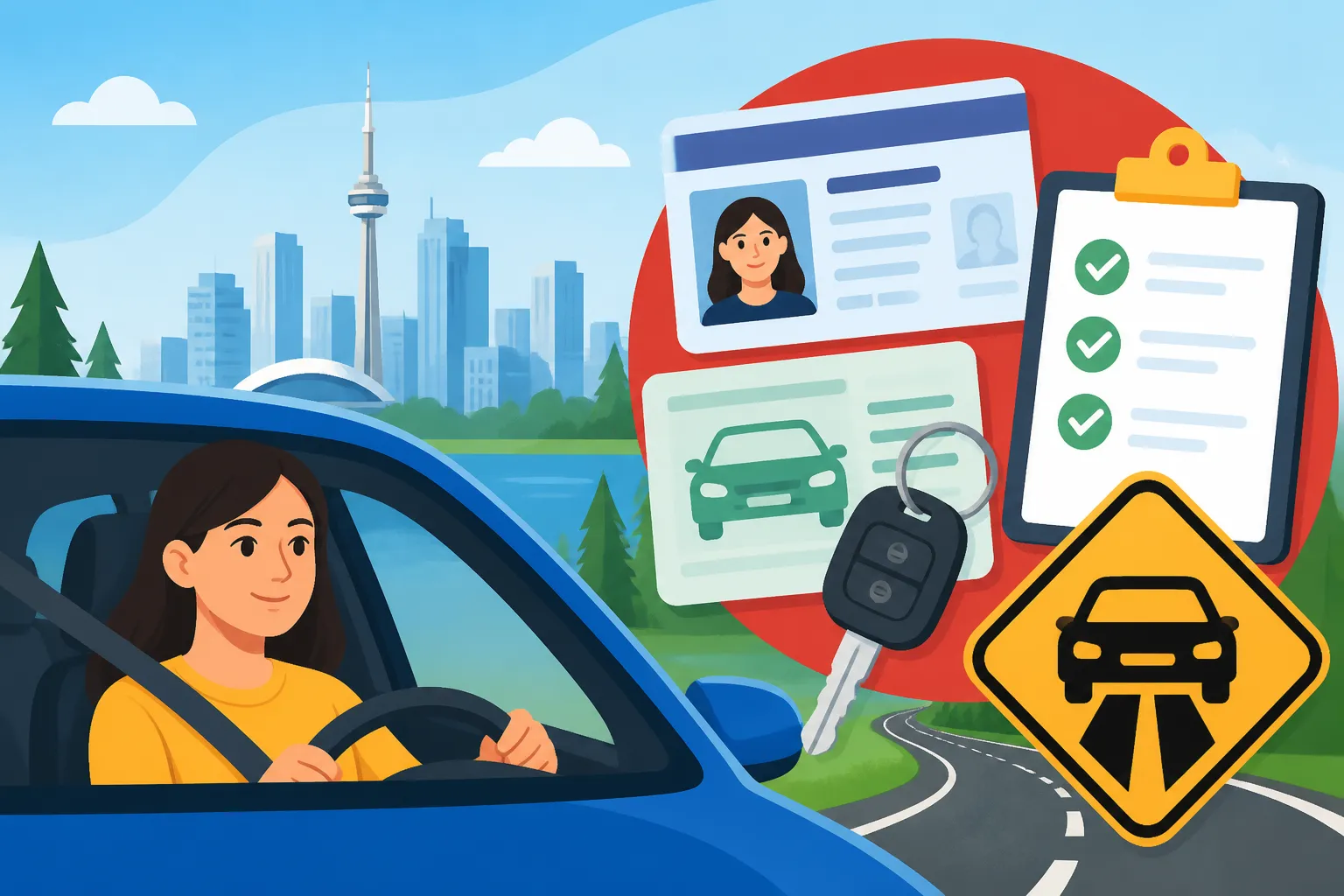
Arriving in Canada as a newcomer often brings a dizzying array of questions, and figuring out how to get around is usually right at the top of the list. The rules for driving, from exchanging your foreign licence to registering a vehicle and understanding local road laws, can feel like a labyrinth, especially when you're trying to adjust to a brand new country. This comprehensive guide is here to untangle that knot, walking you through everything you need to know about navigating Canada's roads safely and legally in 2026.
Navigating the Canadian Driving Landscape as a Newcomer
For many newcomers, the idea of driving in a new country can be daunting. You might be accustomed to driving on the opposite side of the road, or perhaps your home country had vastly different traffic regulations. Canada presents its own unique set of challenges and quirks, especially for those unfamiliar with its distinct provincial systems and seasonal driving conditions. It’s not just about getting from point A to point B; it’s about understanding a whole new transportation ecosystem.
The Initial Culture Shock: Driving Differences You'll Notice
One of the first things you'll realize about driving in Canada, particularly if you're arriving from a country with warmer climates, is the significant impact of weather. Winter driving is not merely a suggestion but a crucial skill, involving everything from adapting your driving style on snow and ice to understanding the necessity of winter tires. In provinces like Quebec, winter tires are even legally mandatory during certain months, and many other provinces strongly recommend them for safety. Beyond the weather, speed limits are universally posted in kilometres per hour (km/h), a conversion that takes some getting used to if you're accustomed to miles per hour. Highway speeds typically range from 90 to 110 km/h, while urban areas usually hover around 50 km/h, often dropping to 30 or 40 km/h in school zones.
Traffic laws also have their unique Canadian flavour. The "right on red" rule, where you can turn right at a red light after a full stop (unless otherwise posted), is common across most of Canada, except for the island of Montreal in Quebec. Four-way stops, where the first vehicle to arrive has the right of way, or vehicles to the right if arriving simultaneously, can also confuse those from countries with different intersection protocols. Another aspect that might take some adjusting is the general driving etiquette; Canadians tend to be courteous on the roads, and aggressive driving is typically frowned upon. Understanding these nuances isn't just about avoiding fines; it's about staying safe and integrating smoothly into the local driving culture.
Provincial Variations: Why Canada Isn't One-Size-Fits-All
It’s absolutely vital to grasp that Canada’s driving rules and systems are not uniform across the country. Each province and territory has its own distinct legislation concerning driver's licensing, vehicle registration, and especially car insurance. What applies in Ontario might be completely different in British Columbia or Quebec, and this provincial autonomy can be a real source of frustration for newcomers trying to make sense of it all. For instance, while most provinces have private car insurance markets, British Columbia and Manitoba operate under a public insurance system where the provincial government is the primary insurer, influencing how you obtain and pay for your coverage.
Similarly, the process for exchanging your foreign driver's licence, the duration of grace periods, and even the type of tests required vary depending on where you settle. Some provinces have reciprocal agreements with a wider range of countries, making licence exchange a relatively simple paper-based process, while others may require you to go through some or all stages of their graduated licensing program regardless of your prior experience. This patchwork of rules means that your first step should always be to consult the specific Department of Motor Vehicles (or equivalent) in the province you intend to reside in. For example, if you're landing in Ontario, you'll be dealing with the Ministry of Transportation (MTO); in Alberta, it's Alberta Registries; and in Quebec, the Société de l'assurance automobile du Québec (SAAQ). Always verify the latest requirements for your chosen province to avoid unexpected hurdles.
Understanding Your Foreign Driver's Licence in Canada
So, you’ve just landed, luggage in hand, and you’re wondering if your trusty driver's licence from back home is still valid here. The good news is, for a temporary period, it most likely is. However, this grace period is exactly that – temporary – and understanding its limitations is crucial to avoid finding yourself in a bind.
The Grace Period: How Long Can You Drive on Your Existing Licence?
Most Canadian provinces and territories offer a grace period during which new residents can drive using their valid foreign driver’s licence. This period typically ranges from 60 to 90 days from your arrival date or the date you officially become a resident of that province, whichever comes first. For instance, in Ontario, new residents can drive for 60 days with a valid foreign driver's licence. In British Columbia, it's 90 days. Alberta gives you 90 days, while Quebec typically offers six months, though you're generally expected to apply for a Quebec licence within that period.
It’s absolutely vital to remember that after this grace period expires, your foreign licence will no longer be considered valid for driving in that province. Driving without a valid Canadian licence can lead to hefty fines, vehicle impoundment, and even criminal charges, not to mention making your car insurance invalid. Imagine getting into a minor fender bender after your grace period is up – suddenly, that small incident becomes a huge, expensive headache. Therefore, it's highly recommended to begin the process of exchanging your foreign licence or obtaining a Canadian one as soon as you settle down. For a deeper dive into whether you can continue to drive on your foreign licence, check out our guide on Can I Drive in Canada on a Foreign Licence?.
International Driving Permits (IDPs): A Temporary Solution
An International Driving Permit (IDP) is essentially a translation of your existing driver's licence into multiple languages. It's often misunderstood as a standalone licence, but it's not. An IDP is only valid when accompanied by your original, valid foreign driver's licence. Think of it as a helpful supplementary document that makes your foreign licence understandable to local authorities, particularly if your licence isn't in English or French. The IDP usually has a validity of one year from its date of issue, or until your foreign licence expires, whichever comes first.
While an IDP can be incredibly useful during your initial grace period in Canada, it's crucial to understand its limitations. It does not replace the need to eventually obtain a provincial driver's licence if you plan to reside in Canada long-term. An IDP won't allow you to skip the licensing process, nor will it extend your grace period. It's best seen as a temporary bridge, providing peace of mind during your initial weeks while you sort out the permanent arrangements. Always ensure your IDP is issued by the authorized body in your home country before you arrive, as you cannot obtain one after landing in Canada. For instance, in many countries, it's issued by your national motoring association.
Translation Requirements: When Your Licence Isn't in English or French
If your foreign driver’s licence isn’t issued in either English or French, which are Canada’s two official languages, you will almost certainly need to provide an official translation. This isn't just a recommendation; it's often a strict requirement to ensure that law enforcement and licensing authorities can understand the details of your licence. Without a proper translation, your licence may be deemed invalid, even during the grace period.
The requirements for what constitutes an "official translation" can vary slightly by province, but generally, it must be performed by a certified translator. This could mean a translator accredited by a provincial order of translators, or sometimes, a translation performed by a consulate or embassy may be accepted. It's not enough to just have a friend who speaks the language translate it; it needs to be an official document with seals and certifications. When applying for your Canadian licence, these translated documents, along with your original licence, will be critical. Ensure you research the specific provincial requirements for certified translations well in advance, as securing these documents can sometimes take time, especially if you're trying to get them from abroad.
Exchanging Your Foreign Driver's Licence for a Canadian One
This is often the most anxiety-inducing part of the process for newcomers: transforming your years of driving experience into a Canadian licence. The good news is, depending on where you're from, it might be simpler than you think. The challenging part is often figuring out which category you fall into and what documentation you truly need. For a comprehensive overview, you can check out our guide on How to Exchange a Foreign Driver's Licence in Canada.
The Process for Recognized Countries (Reciprocal Agreements)
If you're lucky enough to hail from a country with a reciprocal licence exchange agreement with your Canadian province of residence, you’re in for a smoother ride. These agreements are in place with countries and jurisdictions that have similar driver training, testing, and licensing standards to Canada. Common examples include the United States, United Kingdom, Australia, France, Germany, Japan, and South Korea, though the exact list can vary by province. For instance, Ontario has agreements with all these countries, allowing for a direct exchange.
The process typically involves presenting your valid foreign driver's licence, proof of your driving history (often an official driving record or letter from your home country's licensing authority), proof of identity and residency in Canada, and passing a vision test. In many cases, you'll be able to bypass the written knowledge test and the road tests entirely. This means you won't have to go through the graduated licensing system from scratch. However, even with these agreements, always ensure you have all your original documents and any required translations in hand. Missing a single piece of paperwork can send you back to square one, prolonging the wait and the frustration.
The Graduated Licensing System: For Non-Reciprocal Countries
For those whose licences are from countries without a reciprocal agreement, you’ll likely need to enter Canada's graduated licensing system. This multi-stage process is designed to ensure new drivers gain experience incrementally under restricted conditions before earning full driving privileges. The specifics of this system differ by province, but the underlying principle is the same. For example, in Ontario, it's the G1, G2, and G licence system. You start with a G1 (learner’s permit) after passing a written knowledge test. This comes with significant restrictions, such as needing a fully licensed driver with specific experience in the passenger seat. After a waiting period (typically 12 months, or 8 months if you complete a recognized driving course), you can take a road test for a G2 licence, which has fewer restrictions. Another waiting period (12 months) and a second, more comprehensive road test lead to the full G licence.
Other provinces have similar tiered systems. British Columbia has a Class 7L (Learner's) and 7R (Novice) before the full Class 5. Alberta uses a GDL (Graduated Driver Licensing) program with a Class 7 (learner's) and Class 5-GDL before the full Class 5. The key takeaway here is patience and preparation. You'll need to study the provincial driver's handbook thoroughly for the knowledge test and practice extensively for the road tests. This system, while sometimes feeling like a setback for experienced drivers, is in place to ensure all drivers on Canadian roads meet a high standard of safety and knowledge. If you're wondering about the overall process to get a driver's licence in Canada, our guide on How Do I Get a Driver's Licence in Canada? provides more details.
Proving Driving History: The Critical Role of Driving Records
Even if your country doesn't have a direct reciprocal agreement, your prior driving experience isn't necessarily wasted. Most provinces offer credits for previous driving experience, which can help you bypass certain stages of the graduated licensing system and reduce mandatory waiting periods. This is where an official driving record from your home country becomes incredibly important. This document, often called a driver's abstract or a letter of experience, should detail the date you first obtained your driver's licence, its validity, and any infractions or suspensions.
Obtaining this record can sometimes be a bureaucratic challenge, requiring you to contact the licensing authority in your home country, often from afar. It needs to be an official document, not just a photocopy of your licence, and if it's not in English or French, it will require a certified translation. Presenting this proof of driving history at the Canadian licensing office can save you significant time and effort, potentially allowing you to skip directly to a road test for a higher class of licence, or at least shorten the waiting periods between stages. For example, if you have two years of proven driving experience, you might be able to take the G2 road test directly after the G1 knowledge test in Ontario, or even the full G road test if you have sufficient years of experience, avoiding the G2 stage entirely. Without this document, licensing authorities will often assume you have no prior experience, forcing you through the entire graduated licensing program from the very beginning.
Vehicle Registration and Insurance: Getting Your Car on the Road
Once you’ve got your Canadian driver’s licence sorted, the next big hurdle is getting your vehicle legally registered and insured. This process is absolutely non-negotiable, as driving an unregistered or uninsured car in Canada is illegal and comes with severe consequences.
Registering Your Vehicle: The Provincial Paperwork Maze
Registering your vehicle in Canada is a provincial responsibility, meaning the process and requirements will vary depending on where you live. Generally, you’ll need to visit a provincial vehicle registration office (often called a Service Ontario centre, ICBC in BC, or an Alberta Registry Agent). You'll need to provide proof of ownership (e.g., a bill of sale or previous registration documents if importing a car), your valid provincial driver's licence, and proof of valid car insurance. Many provinces also require a Safety Standards Certificate, which confirms that your vehicle meets provincial safety standards, especially if you're buying a used car or bringing one from outside the province.
The registration process also involves obtaining licence plates for your vehicle. In some provinces, you get two plates (front and back), while in others, only one (rear) is issued. You'll pay an annual or biennial registration fee, which also varies by province. It’s important to understand that if you're importing a vehicle from another country, the process becomes significantly more complex, involving federal import regulations and often more stringent inspections. Ensure you have all your documents in order, including purchase receipts, import declarations, and safety certifications. For more detailed instructions on how to get your car registered, consult our guide on How to Register a Car in Canada.
Understanding Canadian Car Insurance: A Complex Necessity
Car insurance in Canada is mandatory, and it's notoriously expensive, especially for newcomers. Insurers often view newcomers as higher risk due to a lack of Canadian driving history and credit scores, even if you have decades of accident-free driving experience from another country. This often results in premiums that can feel astronomical compared to what you might be used to. There are several factors that affect your car insurance premiums: your age, driving experience (Canadian experience is heavily weighted), type of vehicle, where you live (urban areas with higher traffic density often mean higher rates), and your claims history.
As mentioned earlier, some provinces, like British Columbia and Manitoba, have public auto insurance systems (ICBC and MPI, respectively). In these provinces, the government insurer provides basic mandatory coverage, and you might have the option to purchase additional coverage from private insurers. In most other provinces, it's a competitive private market with numerous insurance companies vying for your business. It's crucial to shop around and get multiple quotes from different providers. While it might be tempting to just go with the first quote, a little extra effort can save you hundreds, if not thousands, of dollars annually. When you're dealing with the logistics of moving all your belongings, perhaps even your car, a company like Sirelo can help ease some of that burden, giving you more time to focus on comparing those critical insurance quotes. For a deep dive into insurance costs, take a look at our article on How Much Is Car Insurance in Canada?. Understanding the nuances of Understanding Vehicle Insurance and Registration by Province in Canada is also highly recommended.
Safety Inspections: Ensuring Your Vehicle is Roadworthy
Before you can register a vehicle in some Canadian provinces, particularly when buying a used car or transferring ownership, you'll need to obtain a Safety Standards Certificate (SSC). This certificate confirms that the vehicle meets the provincial safety requirements at the time of inspection. It's a critical step designed to protect drivers and ensure that all vehicles on the road are in safe operating condition. The specifics vary: for example, in Ontario, an SSC is typically required when selling a used vehicle or when registering a vehicle imported from another province. However, in Alberta, an SSC is not required for a private vehicle transfer within the province, but it is needed for out-of-province vehicles or heavily damaged ones.
The inspection must be performed by a licensed mechanic at an authorized inspection station. They will check various components of the vehicle, including brakes, tires, lights, steering, suspension, exhaust system, and more. It's important to understand that an SSC is a snapshot in time; it doesn't guarantee the vehicle will remain safe indefinitely, nor does it cover the vehicle's overall mechanical condition or reliability. If a vehicle fails the inspection, you'll need to repair the deficiencies before you can get the certificate. Always budget for potential repairs when purchasing a used vehicle, as passing the safety inspection is a non-negotiable part of getting it legally on the road.
Essential Driving Rules and Regulations Across Canada
Driving in Canada means adhering to a set of rules that, while similar to many Western countries, have their own specificities. Getting familiar with these rules is paramount, not just for legal compliance, but for your safety and the safety of others on the road.
The Rules of the Road: Key Differences and Universal Laws
Across Canada, several fundamental rules apply universally. Seatbelts are mandatory for all occupants, front and back, and children must be secured in appropriate car seats or booster seats based on their age, weight, and height, as per provincial regulations. Distracted driving, particularly the use of handheld mobile devices, is strictly prohibited in all provinces and territories, and penalties are severe, including hefty fines and demerit points. Impaired driving (under the influence of alcohol or drugs) is also aggressively enforced, with severe legal consequences that can impact your immigration status.
Beyond these universals, be aware of specific right-of-way rules. For instance, at uncontrolled intersections or those with four-way stops, the general rule is that the first vehicle to arrive proceeds first. If two vehicles arrive at the same time, the vehicle on the right has the right of way. Pedestrians always have the right of way at marked crosswalks and intersections. Be extra vigilant in school zones and construction zones, where speed limits are often reduced and fines are typically doubled. Understanding these common rules, and being aware of the subtle differences from your home country, is key to navigating Canadian roads without incident.
Winter Driving Preparedness: A Non-Negotiable Skill
If you’re moving to Canada, especially outside of Victoria, BC, or parts of the Lower Mainland, winter driving is not just a skill; it’s an absolute necessity. Canada's winters can be harsh, with heavy snowfall, ice, and reduced visibility. The single most important piece of advice for winter driving is to install dedicated winter tires. These tires are designed with special rubber compounds and tread patterns that provide superior grip on cold, icy, and snowy roads, performing much better than all-season tires when temperatures drop below 7°C. As mentioned, in Quebec, they are legally required from December 1st to March 15th, and many other provinces strongly recommend them.
Beyond tires, always have a winter emergency kit in your car. This should include items like a small shovel, jumper cables, a flashlight, warm blankets, extra clothing, non-perishable food, water, and a fully charged phone. Adapt your driving style: reduce your speed, increase your following distance, avoid sudden braking or accelerating, and be extra cautious on bridges and overpasses, which tend to freeze first. Before heading out, clear all snow and ice from your entire vehicle, not just a small patch on the windshield. Being unprepared for winter conditions can lead to dangerous situations and significant stress. For more insights on coping with the cold, you can read our guide on How Do I Survive Winter as a Newcomer in Canada?.
Dealing with Accidents and Emergencies on Canadian Roads
Even the most careful drivers can find themselves in an accident. Knowing what to do in such a stressful situation is crucial. First and foremost, stay calm. If there are injuries, or if the vehicles are blocking traffic and cannot be moved, or if there’s significant damage, call 911 immediately. This is the emergency number for police, fire, and ambulance across Canada. If it’s a minor collision with no injuries and minimal damage, and vehicles can be safely moved, do so to prevent further incidents.
After ensuring safety and calling emergency services if necessary, exchange information with the other driver(s). This includes names, contact details, driver's licence numbers, licence plate numbers, insurance company names, and policy numbers. It’s also wise to take photos of the accident scene, vehicle damage, and any relevant road signs or conditions. Report the accident to your insurance company as soon as possible, even if you believe it to be minor, as there might be unseen damage or injuries that surface later. Understanding these steps can make a difficult situation a little less overwhelming, safeguarding your legal and financial interests.
Buying and Maintaining a Vehicle in Canada
For many newcomers, especially those settling outside major city centres, owning a car is a practical necessity. But buying and maintaining a vehicle in Canada comes with its own set of considerations, from the initial purchase to ongoing care.
The Car Buying Journey: New vs. Used, Dealerships vs. Private Sales
When it comes to buying a car in Canada, you essentially have two main routes: new or used. Buying a new car from a dealership offers the peace of mind of a warranty, the latest features, and no prior history, but it comes at a higher price point and immediate depreciation. Used cars, on the other hand, offer significant savings but require more diligence. You can purchase used cars from dealerships or through private sellers. Dealerships often provide some form of warranty and handle much of the paperwork, but prices might be slightly higher than private sales.
If you opt for a private sale, be extremely cautious. Always conduct a thorough pre-purchase inspection by an independent mechanic you trust. Obtain a vehicle history report (like Carfax or CarProof), which can reveal crucial information such as accident history, lien status, and odometer tampering. For more information on navigating the used car market, check out How Do I Buy a Used Car in Canada?. Don't forget to factor in the cost of car insurance, which as we've discussed, can be a substantial monthly expense for newcomers.
Vehicle Maintenance and Seasonal Care
Maintaining your vehicle in Canada is paramount, largely due to the diverse and often extreme weather conditions. Regular maintenance, such as oil changes, tire rotations, and brake checks, is critical for longevity and safety. However, Canadian seasons introduce specific considerations. During winter, ensuring your battery is strong, your fluids (antifreeze, windshield washer fluid) are rated for cold temperatures, and your tires are appropriate is essential. The salt used on roads to melt snow can also lead to rust, so regular car washes, especially undercarriage washes, are advisable.
In summer, ensure your air conditioning system is working efficiently, and your cooling system (radiator, hoses) is in good condition to prevent overheating during warmer months. It’s a good practice to find a reputable mechanic near you and stick with them for regular service. Building a relationship with a mechanic can provide invaluable advice and ensure your vehicle remains reliable and safe, saving you from costly breakdowns down the road.
Fuel and Parking: Day-to-Day Logistics
Understanding the logistics of fuel and parking is part of the daily grind of driving in Canada. Fuel is sold by the litre, not by the gallon, and prices fluctuate frequently. You'll typically find three grades of unleaded gasoline: regular (87 octane), mid-grade (89 octane), and premium (91 or 93 octane), plus diesel. Always check your vehicle's owner's manual for the recommended fuel type. Gas stations are plentiful in urban and suburban areas, but become scarcer in rural and remote regions, so plan long trips accordingly. To get an idea of current prices, you can check our post on How Much Is Gas per Litre in Canada in 2026?.
Parking, especially in major cities like Toronto, Vancouver, or Montreal, can be a challenge. Street parking often requires payment at meters or through mobile apps, and rules can be complex with time limits and no-parking zones during specific hours. Always read parking signs carefully to avoid expensive tickets or towing. Residential parking permits are often available for residents in certain neighbourhoods, allowing them to park on the street without hourly restrictions. For those without a permanent parking spot, or driving into city centres, budgeting for parking expenses is crucial. Many shopping centres and public facilities offer free parking, but often with time limits.
Important Considerations for Newcomers
Beyond the technicalities of licences and registration, there are other practical aspects newcomers should consider to make their driving experience in Canada as smooth as possible. These range from staying connected to understanding alternatives to car ownership.
Getting Connected on the Go: Mobile and Navigation
In today's world, a reliable mobile phone and data plan are indispensable for drivers, especially in a new country. Navigation apps like Google Maps or Waze can be literal lifesavers, helping you navigate unfamiliar streets and avoid traffic jams. Beyond navigation, your phone is your primary tool for emergencies, connecting with roadside assistance, or simply staying in touch. Canada's mobile network coverage is generally excellent in populated areas, but it can become spotty in remote regions, so keep that in mind for road trips.
For newcomers, getting a local SIM card as soon as you arrive is a priority. While major carriers like Bell, Rogers, and Telus offer comprehensive plans, there are also flanker brands and smaller providers (like Fido, Koodo, Virgin Plus) that might offer more competitive rates. Alternatively, for those who prefer an eSIM for flexibility or short-term needs, a service like Airalo can provide immediate data connectivity without the hassle of a physical SIM card, which is perfect for navigating your way from the airport and during those initial weeks. Having a data plan ensures you’re never lost, and you always have access to crucial information on the go. You can also explore options in our guide on How to Choose a Mobile and Internet Provider in Canada.
Public Transit Alternatives: When Driving Isn't Necessary
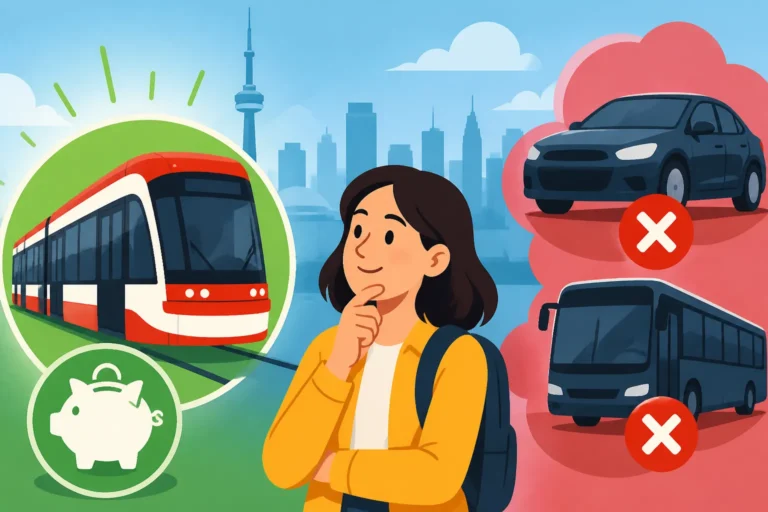
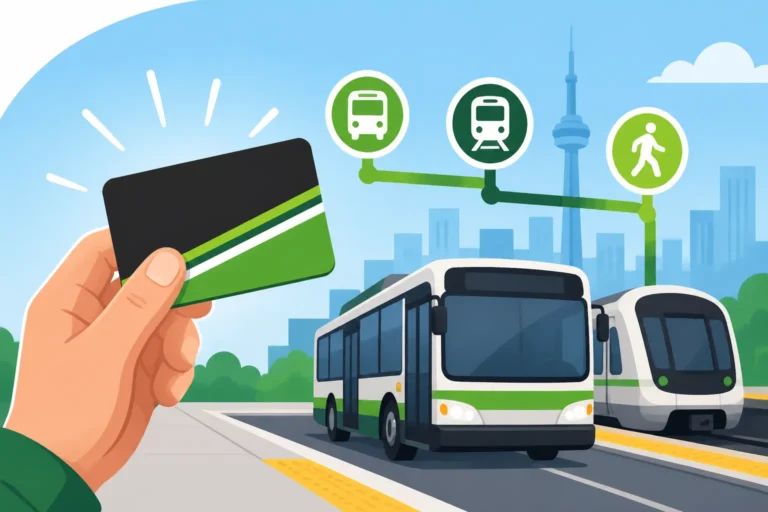
While owning a car offers unparalleled freedom, it’s not always the most practical or economical choice, particularly if you live in one of Canada’s major urban centres. Cities like Toronto, Vancouver, Montreal, and Calgary boast extensive and efficient public transit networks that can often get you where you need to go faster and cheaper than driving, especially considering parking costs and traffic congestion. Options include subways, buses, streetcars, and commuter rail.
For instance, Toronto's TTC (Toronto Transit Commission) and GO Transit, Vancouver's TransLink, and Montreal's STM (Société de transport de Montréal) are robust systems. Utilizing public transit can significantly reduce your cost of living by eliminating car payments, insurance premiums, fuel costs, and parking fees. It's a fantastic alternative for daily commutes, and many residents choose to forgo car ownership entirely, relying instead on a combination of public transit, walking, and cycling. It's definitely worth exploring The Newcomer Guide to Public Transit in Canada to see if it suits your lifestyle and location.
Rental Cars and Car-Sharing Services
If you don't own a car, or if you need temporary access to a vehicle, Canada offers a variety of rental car options and car-sharing services. Major rental car companies like Enterprise, Hertz, Avis, and Budget are widely available, offering everything from compact cars to SUVs. To rent a car, you typically need to be at least 21 years old (though some companies might require you to be 25 for certain vehicle classes or charge a young driver surcharge), have a valid driver's licence, and a credit card for the deposit. Foreign licences are usually accepted, but check the rental company's specific policies.
Car-sharing services, such as Zipcar or local options like Communauto, are also gaining popularity in urban areas. These services allow you to rent a car for short periods, often by the hour or day, providing a convenient solution for occasional errands or weekend trips without the commitment of ownership. Some platforms, like Turo, offer peer-to-peer car rentals, allowing you to rent directly from private car owners. These options provide excellent flexibility for newcomers who might not need a car every day but still want the freedom to drive when necessary.
| Province/Territory | Grace Period for Foreign Licence | Driving Test Waivers (Recognized Countries) | Driving Record Benefits (Non-Reciprocal) | Mandatory Winter Tires (Passenger Vehicles) |
|---|---|---|---|---|
| Ontario | 60 days | Yes (G1 & G2 tests waived) | Can reduce G1 waiting period or waive G2 | No, but highly recommended |
| British Columbia | 90 days | Yes (Knowledge & Road tests waived) | Can reduce Class 7L/7R waiting periods | No, but recommended (specific routes: yes) |
| Quebec | 6 months | Yes (Knowledge & Road tests waived) | Can waive knowledge and road tests based on experience | Yes (Dec 1 – Mar 15) |
| Alberta | 90 days | Yes (Knowledge & Road tests waived) | Can lead to immediate Class 5 (full) licence | No, but highly recommended |
| Manitoba | 3 months | Yes (Knowledge & Road tests waived) | Can reduce waiting periods | No, but recommended |
| Nova Scotia | 90 days | Yes (Knowledge & Road tests waived) | Can reduce waiting periods | No, but recommended |
| Saskatchewan | 90 days | Yes (Knowledge & Road tests waived) | Can reduce waiting periods | No, but recommended |
Disclaimer
Please note that the information provided in this article is intended for general guidance only and may not be exhaustive or applicable to every individual circumstance. Driving rules, regulations, and licensing requirements in Canada are subject to change by federal, provincial, and territorial governments. While we strive to keep our content accurate and up-to-date for 2026, it is essential to consult the official websites of the relevant provincial or territorial Ministry of Transportation, Department of Motor Vehicles, or equivalent licensing body for the most current and specific information regarding your situation. Always verify details with official sources before making any decisions related to driving, licensing, or vehicle ownership in Canada.