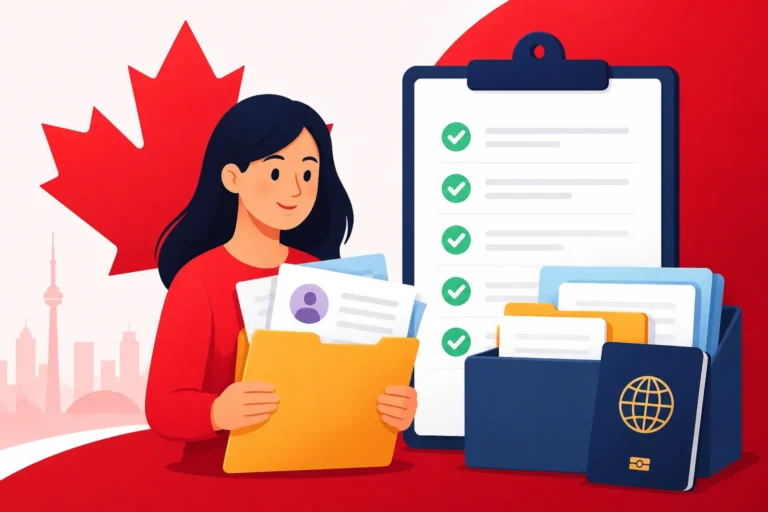
How Long Does It Take to Get a Work Permit for Canada?
The wait for any immigration document can feel like an eternity, a constant knot in your stomach as you check your email for updates. For those dreaming of working and building a life in Canada, the work permit is that crucial golden ticket, and naturally, everyone wants to know: "How long is this going to take?!" Trust me, I've been there, staring at that IRCC portal, refreshing it for the hundredth time. This guide is here to shed some light on the often opaque world of Canadian work permit processing times, helping you understand the variables, manage your expectations, and prepare for what's ahead.
Deconstructing Work Permit Processing Times in Canada
Let's get one thing straight right from the start: there isn't a single, definitive answer to "How long does it take?" It's not like ordering a pizza. The processing time for a Canadian work permit is a dynamic beast, constantly shifting based on a myriad of factors. The official Immigration, Refugees and Citizenship Canada (IRCC) website provides estimated processing times, but these are exactly that – estimates. They are calculated based on data from previous applications and can change week by week, sometimes even day by day, depending on the volume of applications and the operational capacity of processing offices worldwide.
Understanding IRCC's Estimated Times
When you check the IRCC website, you'll see a tool where you input your application type, where you're applying from, and in some cases, the specific stream. For instance, if you're applying for an employer-specific work permit from outside Canada, the estimated time might be listed as, say, "12 weeks." If you're applying for a Post-Graduation Work Permit (PGWP) from within Canada, it could be "60 days." These numbers are useful as a general benchmark, but they don't account for individual complexities.
Remember that these estimates reflect the time it takes for most complete applications to be processed. If your application is incomplete, or if there are any issues that require further investigation, your timeline will almost certainly be longer. It's a bit like saying the average driving time from Toronto to Montreal is five hours; sure, but that doesn't account for traffic jams, construction, or that unexpected detour you took for poutine.
Types of Work Permits and Their Varied Timelines
The type of work permit you're seeking plays a massive role in how long you'll be waiting. Different streams have different levels of complexity and different processing priorities.
- LMIA-Based Work Permits: These often involve an additional layer of scrutiny because your employer first had to obtain a Labour Market Impact Assessment (LMIA). The LMIA process itself has its own timeline, and once that's approved, the work permit application still needs to be processed. These can sometimes take longer due to the extra checks involved, ensuring that a Canadian or Permanent Resident wasn't available for the job.
- LMIA-Exempt Work Permits: Many work permits fall under LMIA exemptions, meaning the employer doesn't need to go through the LMIA process. These can include workers under international agreements (like NAFTA/USMCA), intra-company transferees, and certain religious or charitable workers. Generally, these can be faster because one significant hurdle (the LMIA) is removed. You'll want to read more about Understanding Canadian Work Permits: LMIA and Exempt Explained (2027) to see where you fit in.
- Open Work Permits: These permits, such as those for spouses of international students or skilled workers, or for Post-Graduation Work Permit (PGWP) holders, tend to have their own distinct processing times. Spousal open work permits, for example, are often tied to the principal applicant's status and can sometimes benefit from streamlined processing if submitted concurrently. However, if the principal applicant's status is still pending, it can delay the spouse's application.
- Post-Graduation Work Permits (PGWP): If you've just finished studying in Canada, you're likely eyeing the PGWP. These are applied for from within Canada, and their processing times can vary widely. Historically, they've been relatively quick, but like all applications, they're subject to IRCC's overall workload. Always ensure you apply within the 180-day window after receiving written confirmation of completing your study program.
Here's a generalized table to give you a very rough idea of typical ranges, but please, always consult the official IRCC website for the most current estimates for your specific situation.
| Work Permit Type (Common Examples) | Application Location | Typical Estimated Range (Varies Greatly) |
|---|---|---|
| LMIA-based (Employer-specific) | Outside Canada | 8 – 20 weeks |
| LMIA-based (Employer-specific) | Inside Canada (extension/change) | 2 – 6 months |
| LMIA-exempt (e.g., Intra-company Transfer) | Outside Canada | 4 – 16 weeks |
| LMIA-exempt (e.g., Intra-company Transfer) | Inside Canada (extension/change) | 1 – 4 months |
| Spousal Open Work Permit | Outside Canada | 6 – 12 months (often tied to PR app) |
| Spousal Open Work Permit | Inside Canada | 2 – 6 months |
| Post-Graduation Work Permit (PGWP) | Inside Canada | 2 – 4 months |
| Temporary Resident to Worker (TR to WP) | Inside Canada | 4 – 8 months |
Note: These ranges are illustrative and highly subject to change. Always check the official IRCC processing times tool.
Factors That Significantly Impact Your Work Permit Application Timeline
Beyond the general type of permit and where you're applying from, a whole host of other elements can either grease the wheels or throw a wrench into your application's journey. Being aware of these can help you avoid unnecessary delays.
The Completeness and Accuracy of Your Application
This cannot be stressed enough: an incomplete or inaccurate application is the single biggest cause of delays. IRCC officers are dealing with thousands of applications, and if yours is missing a document, has conflicting information, or isn't signed correctly, it will be returned to you or put on hold. This means your clock essentially resets or is paused indefinitely.
Imagine filling out a form but forgetting to include your How to Get Your Documents Ready for an IRCC Application or neglecting to scan a critical page of your passport. It might seem minor, but it forces the officer to set your file aside, request more information (adding weeks or months), or even return it. Double-check everything, then triple-check. Ask a trusted friend to review it. Invest in good quality scanning if you're applying online. These small efforts up front can save you an enormous amount of stress and waiting time later.
Your Country of Residence and Citizenship
Where you're applying from makes a difference, and it's not always straightforward. Sometimes, certain visa offices in specific countries might have higher volumes of applications or different security protocols, leading to longer processing times. Conversely, some countries might have agreements or streamlined processes that can expedite applications.
For example, if you're a citizen of a country that requires a temporary resident visa (TRV) to enter Canada, your work permit application will essentially involve processing both the work permit itself and the TRV concurrently. This can sometimes add to the overall processing time compared to someone from a visa-exempt country who only needs to process the work permit.
The Current Workload and Processing Backlogs at IRCC
Like any large government department, IRCC experiences fluctuations in workload. Global events, policy changes, and seasonal peaks in applications can lead to backlogs. When IRCC receives an overwhelming number of applications, processing times naturally extend for everyone. During the COVID-19 pandemic, for instance, many processing offices were operating at reduced capacity, leading to significant delays across all application types. While things have largely normalized, new waves of applications can still cause temporary spikes in wait times.
This is where the empathy kicks in, because it's completely out of your hands. It's frustrating to know your application is just one of many, stuck in a digital queue. But understanding this context can help manage your expectations and prevent you from constantly fretting over why your application isn't moving faster.
Additional Requirements: Biometrics, Medical Exams, and Police Certificates
Several steps in the application process often require input from third parties, which can add significant time.
- Biometrics: Most applicants for a work permit will need to provide biometrics (fingerprints and a photo). After submitting your application, you'll receive a Biometric Instruction Letter. You then have a limited time (usually 30 days) to go to a designated service point to provide them. Delays in scheduling or attending your biometrics appointment will directly delay your application.
- Medical Exams: Depending on your country of origin and how long you plan to stay in Canada, you might be required to undergo an immigration medical exam (IME). This must be done by a panel physician approved by IRCC. While the exam itself might be quick, getting an appointment, and then waiting for the results to be sent to IRCC, can add weeks or even months. If your medical results expire before your application is processed, you might need a new one.
- Police Certificates: For many countries, a police certificate is required to ensure you don't pose a security risk. The process of obtaining these varies wildly by country; some are fast, others are notoriously slow. If you’ve lived in multiple countries, you might need several.
These are external factors, but proactive planning can help. As soon as you know you'll need a medical exam or police certificate, start gathering the information and booking appointments where possible. For those seeking How to Apply for a Work Permit With an LMIA in Canada or trying to understand How Your Immigration Status Affects Health Coverage in Canada, these ancillary requirements are key.
Navigating the Waiting Period: What You Can Do
So, you've submitted your application. The hard part is done, right? Well, now comes the even harder part for many of us: the waiting. It’s an anxious time, filled with uncertainty. But there are constructive ways to use this period, rather than just staring at your inbox.
Tracking Your Application Status
The most obvious first step is to diligently track your application. IRCC provides an online tool where you can link your paper application to your online account or check the status of your online application. This portal is your primary source of official updates. While it might not update daily, it’s where you’ll see notifications about biometrics requests, medical exam instructions, and eventually, the final decision.
Avoid the temptation to call IRCC or send multiple web forms unless absolutely necessary. Flooding their system with unnecessary inquiries can actually slow down processing for everyone. Only reach out if your application significantly exceeds the posted processing times, or if you have a critical update (like a new passport or change of address). You can also look into Can I Work in Canada While Waiting for My Work Permit? for details on whether you might be eligible for implied status if you're extending a permit from within Canada.
Preparing for Your Arrival in Canada
While you wait for your work permit, you can get a head start on planning your life in Canada. This proactive approach not only keeps you busy but ensures a smoother transition when your permit finally arrives.
- Researching Housing: Start looking into rental markets in your target city. Prices vary wildly across Canada, and securing a place can be competitive. Websites like Rentals.ca or Kijiji are good starting points. Understanding How Much Does It Cost to Rent an Apartment in Toronto in 2026? or Vancouver will give you a realistic picture.
- Financial Planning: Get a clear picture of The Complete Guide to Cost of Living in Canada for Newcomers (2026) in your chosen area. Start budgeting for initial costs like deposits, furniture (if renting unfurnished), and groceries. Think about how you’ll manage your finances when you arrive; you'll want to review How to Open a Bank Account at a Canadian Bank as a Newcomer.
- Essential Documents: Make sure your passport is valid for the duration of your intended stay. Start collecting any educational certificates, professional references, and other critical documents you’ll need for your new life, even if they weren’t part of your work permit application.
- Moving Logistics: If you're coming from abroad, research international moving companies. Services like Sirelo can help you compare quotes and find reliable movers to bring your belongings to Canada. It’s a huge undertaking, and starting early can save you a lot of grief.
- Healthcare Considerations: Remember that most provinces have a waiting period for provincial health coverage for newcomers, often up to three months. It's absolutely crucial to have private health insurance for this initial period. Companies like Cigna Global offer comprehensive plans specifically designed for expats and newcomers, covering everything from emergency care to prescription drugs. Seriously, don't skimp on this; a medical emergency without coverage could financially devastate you. Learn more about The Newcomer Waiting Period for Provincial Health Coverage in Canada (2027) and How to Get Private Health Insurance to Cover the Waiting Period in Canada.
What If the Wait Is Exceptionally Long?
If your application has been processing for significantly longer than the posted estimates, and you've checked all the standard reasons for delay, you might have a few options:
- Web Form Inquiry: Use IRCC's web form to inquire about your specific application, clearly stating your application number and the date you submitted. Keep your message concise and professional.
- Contact Your MP (Member of Parliament): In some cases, if you're a Permanent Resident applicant or already in Canada, your local Member of Parliament's office can make an inquiry on your behalf. They have direct channels to IRCC and can sometimes get more specific information, though they cannot expedite your application.
- Legal Counsel: If you believe there's an error in processing, or if your case is particularly complex, consulting with an immigration lawyer or regulated Canadian immigration consultant (RCIC) might be beneficial. They can help identify potential issues and advise on the best course of action.
Patience is a virtue, especially in immigration. While you can't control IRCC's processing speed, you can control how prepared you are and how you manage your own expectations.
Common Roadblocks and How to Overcome Them
Even with the best intentions, you might hit some snags. Being aware of these common pitfalls can help you navigate them more smoothly.
The Dreaded "Request for More Information"
Receiving a "Request for More Information" (RFI) from IRCC can feel like a setback, but it's actually an opportunity to clarify any ambiguities in your application. It usually means an officer has reviewed your file and needs specific details or documents that were either missing or unclear.
The key here is to respond promptly and precisely. Read the request carefully, gather exactly what they ask for, and submit it within the given deadline. Do not send more than what is requested, and make sure your response is clear and well-organized. A timely and accurate response can get your application back on track quickly, whereas a delayed or incomplete response to an RFI can add significant delays or even lead to refusal.
Changes to Your Situation During Processing
Life happens, and sometimes your circumstances change after you've submitted your application. This could be anything from a change in address, a new passport, a change in marital status, or even a new job offer (if your permit type allows for it).
It's crucial to inform IRCC of any material changes to your application as soon as possible. Use the IRCC web form for this, or update your online profile if that option is available. Failing to inform IRCC of significant changes can lead to miscommunication, further delays, or even misrepresentation issues. For example, if you submitted an application with an old passport number and then get a new one, you need to update them so your new visa counterfoil can be correctly issued.
Misinterpreting Requirements or Eligibility
Sometimes, delays stem from simply misunderstanding a specific requirement or thinking you're eligible for a certain stream when you're not. This is particularly common when trying to differentiate between various work permit categories or figuring out if an LMIA is truly required for your specific job offer.
This is where thorough research and, if possible, professional advice are invaluable. Don't rely solely on forum posts or anecdotes. Consult the official IRCC guidelines, and if in doubt, consider getting a consultation with an RCIC who specializes in The Complete Guide to Canadian Visas and Immigration for Newcomers (2027). They can help you confirm your eligibility and ensure your application package aligns perfectly with the requirements. It's far better to invest in clarity upfront than to face a refusal or significant delay down the road because of a misunderstanding.
Ultimately, while the waiting period for a Canadian work permit can be frustrating, understanding the process and being proactive about your preparation can make a world of difference. Hang in there, fellow expat! Canada is worth the wait.
Disclaimer
The information provided in this guide is for general informational purposes only and does not constitute legal or professional immigration advice. Processing times are estimates and can change without notice. Always consult the official Immigration, Refugees and Citizenship Canada (IRCC) website or a regulated immigration professional for personalized advice regarding your specific situation.