How Do I Get Permanent Residence in Canada?
Landing in Canada with the dream of making it your permanent home is an incredibly exciting, yet often overwhelming, experience. You’ve likely heard snippets about the "free healthcare" and the welcoming multicultural cities, but the path to truly settling down, to gaining that coveted Permanent Residence (PR) status, can feel like navigating a dense, bureaucratic forest. Many newcomers find themselves scratching their heads, wondering exactly how to move beyond a temporary visa and truly plant roots here. This guide is here to demystify that journey, offering a comprehensive, realistic walkthrough of how you can achieve permanent residence in Canada, based on research into the official rules and commonly documented applicant experiences.
Demystifying Permanent Residence in Canada: More Than Just a Card
When you first arrive in Canada, especially if you're on a work permit or study permit, you're here temporarily. You have an end date. Permanent Residence (PR) changes that fundamentally. It's not just a fancy card; it's a declaration from Canada that they want you here for the long haul, that you're a valued member of the community. It grants you nearly all the rights and responsibilities of a Canadian citizen, with a few key exceptions, like voting or holding a Canadian passport (yet!).
What Does Permanent Resident Status Really Mean?
Being a Permanent Resident in Canada means you have the right to live, work, and study anywhere in the country. This isn't tied to a specific employer or educational institution, which is a huge relief for many. Imagine the freedom of not needing a new work permit every time you switch jobs or worrying about your status expiring. You also gain access to most social benefits that Canadian citizens receive, including provincial healthcare. This is a massive one, as those initial months of waiting for your provincial health coverage to kick in can be incredibly stressful, especially if you're relying on private insurance like Cigna Global to cover any unexpected medical needs. With PR, that concern largely fades away, as you become eligible for comprehensive public health services.
However, with rights come responsibilities. You're expected to respect Canadian laws and pay taxes, just like any citizen. There's also a residency obligation: you must be physically present in Canada for at least 730 days (two years) out of every five-year period. This rule is crucial; if you don't meet it, you could risk losing your PR status, which would be a heartbreaking outcome after all the effort you've put in. Think of it as Canada asking you to commit to being part of its fabric.
General Eligibility: Are You Even in the Running?
Before diving into specific programs, let's talk about the foundational elements of eligibility. First and foremost, you need to prove your intent to reside in Canada. This isn't just a verbal statement; it's demonstrated through your actions, your job search, your community involvement, and your ties to the country.
You'll also need to be admissible to Canada. This means passing security checks, medical examinations, and not having any serious criminal history. Many people are caught off guard by past minor infractions they thought were long forgotten, so be brutally honest with yourself and any legal counsel about your history. Lastly, you’ll need to show that you have enough funds to support yourself and your family upon arrival, especially if you're not already working or don't have a solid job offer. This is to ensure you can integrate smoothly without immediately burdening public services, though of course, once you get here, you contribute through taxes like everyone else!
Navigating the Primary Pathways to Permanent Residence
Alright, now for the nitty-gritty: the actual programs. Canada has several main avenues to permanent residence, each designed for different types of immigrants. Understanding these is your first big step. Don't worry, we'll break them down.
Express Entry: The Fast Lane for Skilled Workers
Express Entry is arguably the most popular and efficient system for skilled workers looking to immigrate to Canada. It's not an immigration program itself, but rather an online system used to manage applications for three key economic immigration programs: the Federal Skilled Worker Program (FSWP), the Federal Skilled Trades Program (FSTP), and the Canadian Experience Class (CEC). It operates on a points-based system, which can be both a blessing and a curse.
The Comprehensive Ranking System (CRS) Score: Your Golden Ticket
Once you create an Express Entry profile, you're assigned a score based on the Comprehensive Ranking System (CRS). This score takes into account factors like your age, education, language proficiency (English and/or French), work experience, and connections to Canada (like Canadian work or study experience). It's essentially a competition; the higher your score, the better your chances of receiving an Invitation to Apply (ITA) for permanent residence.
The frustrating part is that the CRS cut-off scores fluctuate with each draw. You could be just shy one month, and then comfortably above the line the next. My advice? Focus on what you can control. Maximize your language test scores, consider further education or Canadian work experience if feasible, and definitely explore ways to improve your CRS score for Express Entry in Canada. Even a few extra points can make a world of difference.
The Three Musketeers of Express Entry: FSWP, CEC, FSTP
- Federal Skilled Worker Program (FSWP): This program is for skilled workers with foreign work experience who want to immigrate to Canada permanently. You need to meet minimum requirements for skilled work experience, language ability, and education. You'll also need to score at least 67 points on a separate 100-point grid before you even enter the Express Entry pool. This is often the route for those applying from outside Canada with no prior Canadian experience.
- Canadian Experience Class (CEC): If you've already gained skilled work experience in Canada (usually at least one year), this program is your best bet. It recognizes the value of individuals who have already integrated into the Canadian workforce. It's often seen as a smoother pathway because you've already cleared many hurdles, like adapting to the workplace culture and proving your language skills in a practical setting. Many international students, after completing their studies and securing a Post-Graduation Work Permit (PGWP), transition to PR through the CEC.
- Federal Skilled Trades Program (FSTP): This program is for skilled workers in specific trades (like electricians, plumbers, chefs) who have a valid job offer or a certificate of qualification from a Canadian provincial or territorial body. It's less about academic qualifications and more about hands-on expertise, recognizing the critical need for skilled tradespeople across Canada.
After receiving an ITA, you have a strict deadline (usually 60 days) to submit your complete permanent residence application. This is where the real paper chase begins! You'll need police certificates from every country you've lived in for six months or more since age 18, a comprehensive medical exam, educational credential assessments (ECAs) if your education was outside Canada, and detailed employment reference letters. It's a mountain of paperwork, but absolutely worth it. You can learn more about how Express Entry works for Permanent Residence in Canada (2026) in our detailed guide.
Provincial Nominee Programs (PNPs): Tailored for Local Needs
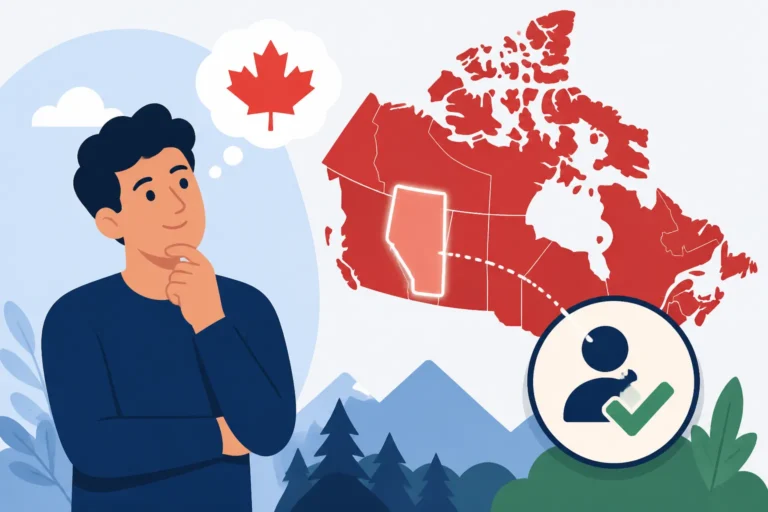
Sometimes, your CRS score in Express Entry might not be high enough, or you might have skills that are in high demand in a specific province rather than nationally. That's where Provincial Nominee Programs (PNPs) come into play. Every province and territory (except Quebec, which has its own system) has its own immigration programs designed to address specific labour market and economic needs.
How PNPs Work: A Two-Step Tango
PNPs allow provinces to nominate individuals who want to settle in that particular province and who meet certain criteria. There are two main ways this happens:
- Enhanced PNPs: These are aligned with Express Entry. If a province nominates you through an Express Entry-aligned stream, you get an additional 600 CRS points. This effectively guarantees you an ITA in a subsequent Express Entry draw. It’s like hitting the jackpot if you were struggling to get your score up!
- Base PNPs: These streams operate outside of Express Entry. You apply directly to the province, and if nominated, you then submit a separate paper-based PR application to the federal government. These can sometimes take longer, but they offer an alternative for those who don't qualify for Express Entry or prefer a more direct provincial route.
Each province has multiple streams, targeting everyone from international graduates to entrepreneurs and skilled workers in specific occupations. For example, Ontario has the Ontario Immigrant Nominee Program (OINP), British Columbia has the BC PNP, and Alberta has the Alberta Advantage Immigration Program (AAIP). It’s worth checking the specific requirements for the province you're interested in, as they can change frequently. Our guide on How to Apply Through a Provincial Nominee Program in Canada can provide more specific insights.
Family Sponsorship: Bringing Loved Ones Home
Canada strongly believes in family reunification, and the Family Sponsorship program is a testament to that. If you're a Canadian citizen or a permanent resident, you can sponsor certain family members to come to Canada and gain permanent residence.
Sponsoring Spouses, Partners, and Children
The most common form of family sponsorship is for spouses, common-law partners, or conjugal partners, and dependent children. The process involves demonstrating a genuine relationship and proving that the sponsor can financially support the sponsored family member without relying on social assistance from the government.
This pathway can be incredibly emotional, but also complex. There's a lot of documentation required to prove the authenticity of your relationship – shared photos, financial records, communication logs, joint leases. The government is vigilant against fraudulent marriages, so expect thorough scrutiny. Our guide on How to Sponsor Your Spouse or Partner for PR in Canada dives deep into this process.
Parents and Grandparents Sponsorship Program (PGP)
Sponsoring parents and grandparents is another popular, though highly competitive, program. IRCC (Immigration, Refugees and Citizenship Canada) typically opens an "interest to sponsor" period once a year, and due to high demand, spots are often filled very quickly through a lottery system or a first-come, first-served basis. The sponsor also needs to meet specific income requirements (Minimum Necessary Income or MNI) to ensure they can support their family members.
If you miss out on the PGP, don't despair! There's also the Super Visa, a multi-entry visa that allows parents and grandparents to visit Canada for up to five years at a time, with the possibility of extension. It's not PR, but it's a great option for extended visits.
Other Pathways: Niche Programs for Specific Needs
While Express Entry, PNPs, and Family Sponsorship cover the vast majority of PR applications, Canada also offers several other pathways for specific groups.
- Atlantic Immigration Program (AIP): This program is designed to attract skilled workers and international graduates to Canada's four Atlantic provinces (New Brunswick, Newfoundland and Labrador, Nova Scotia, and Prince Edward Island). It addresses unique demographic and economic needs in these regions.
- Rural and Northern Immigration Pilot (RNIP): Similar to the AIP, RNIP helps smaller, rural and northern communities attract and retain foreign talent. It’s community-driven, meaning local communities play a direct role in selecting candidates.
- Quebec-Selected Skilled Workers and Business Class: Quebec has a unique agreement with the federal government that allows it to select its own immigrants. If you plan to live in Quebec, you must apply through their selection programs first and then apply to IRCC for permanent residence. French language proficiency is often a significant advantage, if not a requirement, for these programs.
These programs might be less well-known, but they offer fantastic opportunities for those whose profiles align with their specific criteria.
The Application Process: Your Step-by-Step Journey
Once you’ve identified your pathway, the real work begins: preparing and submitting your application. This is where attention to detail is paramount. One small error can lead to significant delays or even refusal.
Gathering Your Documents: The Paper Trail
This is often the most frustrating part. Think of it as a treasure hunt where every piece of paper is crucial. Here’s a rundown of common documents you'll need:
- Proof of Identity and Civil Status: Birth certificates, passports, marriage certificates, divorce decrees, national identity cards. Make sure all names match perfectly across all documents.
- Educational Credential Assessment (ECA): If you studied outside Canada, you’ll need to get your foreign degree or diploma assessed to prove its Canadian equivalency. World Education Services (WES) is a common organization for this, but others are designated by IRCC. This can take weeks, so start early!
- Language Test Results: Official results from an approved language test like IELTS or CELPIP for English, or TEF Canada or TCF Canada for French. Again, higher scores mean more points. These usually have a validity period, so check that they won't expire before your application is finalized.
- Work Experience Documents: Detailed reference letters from past and current employers, pay stubs, employment contracts, and tax documents. These letters need to be very specific about your job duties, hours worked, and salary – often more detailed than you might expect!
- Police Certificates: You need these from every country you’ve lived in for six months or more since turning 18. Depending on the country, obtaining these can be a lengthy and convoluted process. Do not underestimate the time it takes.
- Medical Exam: You and all accompanying family members (even if they aren't immigrating with you right away) will need to undergo a medical examination by an IRCC-approved panel physician.
- Proof of Funds: Bank statements, investment statements, or other financial documents to show you have enough money to support yourself and your family once in Canada. The required amount varies based on family size and is updated annually.
Remember to get everything translated into English or French by a certified translator if the originals are in another language. And always keep copies of everything!
Submitting Your Application: The Big Moment
After meticulously gathering everything, you’ll submit your application online (for Express Entry) or by mail (for some PNP or family sponsorship streams). For online submissions, the system will often guide you through uploading each document. For mail, you'll need to organize everything exactly as specified in the document checklist. This is also when you'll pay your application fees, which can be substantial, covering processing fees, the right of permanent residence fee, and sometimes biometrics fees.
Biometrics, Interviews, and Waiting Games
Once your application is submitted, you’ll likely receive an instruction letter to provide your biometrics (fingerprints and photo) at a designated service point, either in Canada or at an overseas office. Some applicants may also be called for an interview, especially if there are inconsistencies or questions about their application.
Then comes the hardest part: the waiting. Processing times vary wildly depending on the program, the volume of applications, and your specific circumstances. It can feel like an eternity, but resist the urge to constantly contact IRCC unless there's a significant update or a critical error. Focus on the future, like perhaps planning your move with a service like Sirelo, who can help you manage the logistics of relocating your life to Canada once your PR is confirmed. Our guide, The Complete Visa and Immigration Guide for Moving to Canada (2027), offers further insights into this entire process.
Maintaining Your PR Status: The Long-Term Commitment
Congratulations! You’ve received your Confirmation of Permanent Residence (COPR) and your shiny PR card. But the journey isn't over. You need to understand how to maintain your status and what comes next.
Residency Obligation: Staying Connected to Canada
As I mentioned earlier, the residency obligation is crucial. You must be physically present in Canada for at least 730 days within any five-year period. There are exceptions for those working for a Canadian business abroad or accompanying a Canadian citizen spouse, but generally, you need to be here. IRCC will check this when you renew your PR card or apply for citizenship. Make sure you keep records of your travel dates, just in case. Understanding how to maintain your permanent resident status in Canada is vital.
Renewing Your PR Card: Keep It Current
Your PR card is valid for five years. Before it expires, you’ll need to apply for a renewal. The process involves demonstrating that you've met your residency obligation and updating any personal information. It's a fairly straightforward administrative process compared to your initial PR application, but still requires attention to detail.
The Path to Canadian Citizenship: The Ultimate Goal
For many, permanent residence is a stepping stone to Canadian citizenship. After living in Canada as a permanent resident for a certain period (currently three out of the last five years, with some nuances), meeting language requirements, passing a citizenship test, and filing your taxes, you can apply to become a Canadian citizen. This is the moment you gain full democratic rights, including the right to vote and hold a Canadian passport. The journey to Canadian Citizenship: How to Apply After Permanent Residence (2027) is a rewarding one, marking your full integration into Canadian society.
Final Thoughts from an Expat
Getting permanent residence in Canada is a monumental undertaking. It’s a marathon, not a sprint, filled with paperwork, waiting, and often, a good deal of anxiety. But having gone through it myself, and seeing so many others succeed, I can tell you it's profoundly worth it. Canada truly is a land of opportunity and welcome.
Remember, every step, every document, every waiting period is part of building your new life here. Don't be afraid to seek professional help from regulated immigration consultants or lawyers if you feel overwhelmed – they can save you a lot of grief. And most importantly, stay patient, stay organized, and keep your eye on the prize. You’ve got this.
Disclaimer
The information provided in this guide is for general informational purposes only and does not constitute legal advice. Immigration laws and policies in Canada are complex and subject to change. It is strongly recommended to consult with a qualified and regulated Canadian immigration professional or refer to the official IRCC (Immigration, Refugees and Citizenship Canada) website for the most accurate and up-to-date information pertaining to your specific situation.