Do I Need a Police Certificate for a Canadian Visa?
Oh, the paperwork! If you’ve started looking into immigrating to Canada, you’ve probably already felt that familiar tightening in your chest as you stare down yet another list of documents from IRCC. It feels endless, doesn't it? One of those items that often raises an eyebrow, and perhaps a bit of dread, is the police certificate. You might be wondering, "Do I really need one? What even is it? And how on earth do I get one from every single country I've ever lived in?" Trust me, I've been there, staring at those same requirements, feeling like I needed a detective agency just to gather everything. This guide is here to demystify the police certificate requirement for Canadian visas, breaking down exactly what you need, why you need it, and how to navigate the process without pulling all your hair out.
What Exactly is a Police Certificate and Why Canada Cares So Much
Let's start with the basics. A police certificate, often called a "certificate of good conduct," "police clearance certificate," or "criminal record check" in various countries, is essentially an official document issued by the police or other law enforcement authority in a particular country. Its purpose is to detail any criminal record you might have, or, ideally, confirm that you have no such record.
You might feel a little exposed or even offended by this requirement, like they’re already assuming the worst. And honestly, that's a perfectly normal reaction! It feels intrusive, a bit like they're digging into your past with a fine-toothed comb. But from Canada's perspective, it's a fundamental step in ensuring the safety and security of its citizens and residents. Canada prides itself on being a welcoming nation, but like any country, it needs to verify that individuals seeking to live within its borders do not pose a security risk, have a history of serious criminality, or belong to organized crime. This is a standard procedure across many immigration systems worldwide, not just Canada's, and it's simply part of their due diligence for anyone wanting to move here long-term.
Think of it this way: Canada is inviting you to be a part of its community, and just like you'd want to know a bit about a new neighbour, they want to know you have a clean slate. It's about maintaining the integrity of their immigration system and protecting the people who already call Canada home. While the process can be tedious, understanding the 'why' behind it can sometimes make the 'how' a little less daunting.
Who Needs a Police Certificate and When to Get One
This is where things can get a little tricky, and it's a common source of confusion for newcomers. The general rule from Immigration, Refugees and Citizenship Canada (IRCC) is this: you need a police certificate from every country or territory where you have lived for six months or more consecutively since your 18th birthday. This isn't just your home country, or the last place you lived. It's every single place.
Imagine you studied abroad for a year in your early twenties, then worked in another country for two years before returning home. You’ll need certificates from your home country and those two other countries. And yes, this even applies to Canada itself if you've already lived here for six months or more on a previous visa! This can quickly add up, and tracking down documents from places you haven't thought about in years can feel like an archaeological expedition.
Now, let's talk about timing. This is crucial. Do not, I repeat, do not apply for police certificates too early. These documents usually have an expiry date, typically 12 months from the date of issue. If you apply too soon, they could expire before your immigration application is ready for submission, forcing you to go through the whole process again and pay more fees.
The best time to apply for police certificates is after you receive an Invitation to Apply (ITA) for permanent residence, or once you've been instructed by IRCC to do so for other visa types. For Express Entry candidates, an ITA triggers a 60-day window to submit your full application. While 60 days sounds like a decent amount of time, getting these certificates, especially from countries with notoriously slow bureaucracies, can take weeks or even months. So, once that ITA hits your inbox, prioritize getting these documents underway. For a broader overview of the immigration journey, you might find The Complete Guide to Canadian Visas and Immigration for Newcomers (2027) helpful.
It's also important to note that every adult (18 years or older) included in your application needs to provide police certificates. So, if you're applying with your spouse or adult children, they will also need to gather their respective certificates from every country they've lived in for six months or more. This adds another layer of coordination to an already complex process.
The Nitty-Gritty: How to Obtain Your Police Certificate(s)
Alright, this is where the rubber meets the road. There isn't a one-size-fits-all method for obtaining police certificates because each country has its own unique process. The golden rule here is always, always, always consult the official IRCC website's specific country requirements for police certificates. You'll find a detailed list there, organized by country, outlining exactly what type of certificate is needed, where to get it, and how to apply. Seriously, this page is your best friend when it comes to this task.
Generally, you'll encounter a few common methods:
- In-Person Application: This often applies if you are currently living in the country from which you need the certificate. You might need to visit a local police station, a specific government agency, or even an embassy or consulate if you're applying from abroad for a certificate from your home country. For example, if you need a Canadian police certificate, you'll likely need to go through the RCMP (Royal Canadian Mounted Police) or accredited third-party fingerprinting services, often requiring fingerprints.
- Mail/Courier Application: Many countries allow you to apply by mail, especially if you no longer reside there. This usually involves downloading an application form, completing it, gathering supporting documents (like certified copies of your passport, proof of address, or even fingerprints), and mailing them to the designated authority. This method can be slow and nerve-wracking, as you're sending original or important documents through the postal system.
- Online Application: A growing number of countries are digitizing this process, allowing you to apply and even receive your certificate online. This is often the fastest and most convenient method, but it’s not universally available.
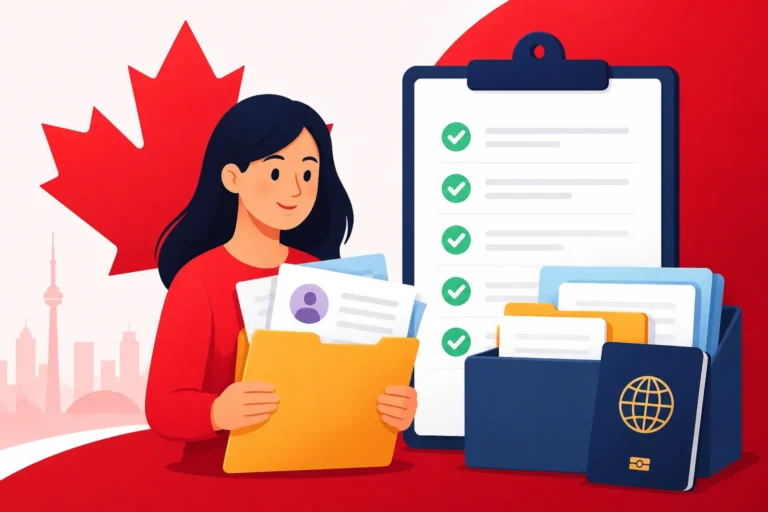
Documents you’ll typically need: While it varies by country, be prepared to provide:
- Your passport or national ID: Often, you'll need to provide certified copies, or in some cases, the original if applying in person.
- Fingerprints: This is a very common requirement, especially if you're applying from outside the issuing country. You'll need to get your fingerprints taken by a recognized authority (police, accredited agencies) and submit them with your application.
- Proof of address: This might be utility bills, bank statements, or official letters from the time you lived in that country.
- Application forms: Specific to the issuing authority.
- Fees: There's almost always a processing fee involved.
When you're dealing with the logistical nightmare of moving your life across continents, managing these documents can feel like another mountain to climb. Many expats find it helpful to streamline other aspects of their move, perhaps by using international moving platforms like Sirelo to compare quotes and manage their shipping, freeing up mental space for these critical immigration tasks. Every little bit of efficiency helps!
To give you a clearer picture, here's a small sample of what different countries might require:
| Country/Territory | Common Certificate Name | Issuing Authority (Typical) | Notes |
|---|---|---|---|
| Canada | Criminal Record Check / RCMP Certificate | RCMP or accredited third-party fingerprinting agencies | Requires fingerprints. |
| United Kingdom | ACRO Police Certificate (for non-UK citizens) / DBS check (for UK citizens in specific cases) | ACRO Criminal Records Office / Disclosure and Barring Service | ACRO is generally for immigration. DBS is often for employment checks within the UK. |
| United States | FBI Identity History Summary Check | FBI | Requires fingerprints. Must be submitted directly to the FBI, not local police. |
| Australia | National Police Certificate | Australian Federal Police (AFP) | Can be applied for online. |
| India | Police Clearance Certificate (PCC) | Regional Passport Office (RPO) / Indian Embassies/Consulates | Issued by Passport Seva Kendras (PSKs) through RPOs in India, or through Indian missions/posts abroad. |
| Philippines | NBI Clearance | National Bureau of Investigation (NBI) | Requires personal appearance if applying from abroad for the first time or if you have a new name. |
| Germany | Certificate of Conduct (Führungszeugnis) | Federal Office of Justice | Can be applied for online with an eID card. |
This table is just a snapshot to illustrate the variety. Always refer to the How to Get Your Documents Ready for an IRCC Application and the specific IRCC country list for the most accurate and up-to-date instructions. Pay close attention to whether the document needs to be translated into English or French by a certified translator, another common requirement IRCC has. For more details on the process itself, especially regarding the medical exam that often accompanies these requirements, check out Understanding Medical Exams and Police Certificates for Canadian Immigration.
Common Hiccups and What to Do About Them
Even with the clearest instructions, the reality of getting these certificates can throw a few curveballs your way. It's completely normal to face challenges. Here are some common issues and how to tackle them:
Delays, Delays, Delays
This is perhaps the most frustrating issue. Processing times can vary wildly – from a few days to several months, especially from countries with less streamlined bureaucratic systems. What do you do when your 60-day ITA deadline is looming, and you're still waiting?
- Proof of Application: The most important thing is to prove to IRCC that you have applied for the certificate. Keep all receipts, tracking numbers, correspondence, and emails related to your application.
- Explanation Letter: If you can't get the certificate by the deadline, you must write a detailed letter of explanation to IRCC. In this letter, clearly state:
- Which certificate is delayed.
- When and how you applied.
- Any communication you've had with the issuing authority.
- The estimated processing time given to you (if any).
- Your commitment to submitting the certificate as soon as you receive it.
- Upload the Proof: Upload this explanation letter and all supporting proof of application (receipts, screenshots, etc.) in the slot designated for the police certificate in your IRCC online portal.
- Follow Up: Continue to follow up with the issuing authority regularly. Some countries respond better to consistent nudges.
Remember, IRCC understands that some things are beyond your control, but they expect you to be proactive and transparent. Hiding the delay or simply not submitting anything is a surefire way to get your application refused. You can get more information about potential issues with your application by reading What Happens If My Canadian Visa Application Is Refused?.
Dealing with "Difficult" Countries
Some countries simply do not issue police certificates to non-citizens, or they have extremely complex, outdated, or impossible-to-navigate systems for people who no longer live there. This isn't uncommon. If you encounter such a situation:
- Exhaust All Options: First, double-check the IRCC country-specific instructions. They sometimes provide alternatives or note if a certificate is generally unobtainable from a particular region.
- Detailed Explanation Letter: If, after exhausting all reasonable avenues, you genuinely cannot obtain a certificate, you must provide a comprehensive explanation letter. Detail every step you took, every contact you made, and every obstacle you faced. Provide evidence of your attempts (emails, official refusals, screenshots of unworkable websites, etc.).
- Submit Your Best Effort: IRCC's policy is generally to ask for a certificate, and if it's truly impossible, they'll make a decision based on the information they have and your explanation. But you have to prove you tried your absolute best.
"No Record" vs. "Clean Record"
This might sound like semantics, but it can matter. Ideally, your police certificate will state that you have "no criminal record" or "no adverse information." In some cases, a country might issue a certificate stating they have "no record" of you at all. This might happen if you lived there for a short time or if their record-keeping isn't comprehensive. If this occurs, just submit what you receive. As long as it's an official document from the designated authority, it's generally acceptable.
What if I Actually Have a Criminal Record?
This is a sensitive area, and the most important advice is: be completely honest. Do not attempt to hide any criminal convictions or charges. Canada takes misrepresentation very seriously, and if they discover you lied (and they often do through their own checks), your application will be refused, and you could face a multi-year ban from applying again.
- Transparency: Disclose everything on your application forms.
- Provide Details: Submit court documents, sentencing records, and any evidence of rehabilitation.
- Legal Advice: If you have a criminal record, even a minor one, it is highly advisable to seek legal counsel from an experienced Canadian immigration lawyer. They can assess your situation, explain how it might impact your admissibility, and help you prepare the strongest possible case, potentially even exploring options like criminal rehabilitation or a Temporary Resident Permit if applicable.
The immigration process can be a long and winding road, and managing costs and timelines, as discussed in Understanding the Cost and Timeline of the Immigration Process in Canada, is key. And speaking of potential delays, it's worth remembering that your provincial health coverage in Canada often has a waiting period. During this time, or if your immigration process drags on, having robust private health insurance, perhaps from a provider like Cigna Global, can offer immense peace of mind. It ensures you’re covered for unexpected medical needs while you're navigating the immigration maze and waiting for your public healthcare to kick in. This kind of planning ties directly into understanding How Your Immigration Status Affects Health Coverage in Canada and The Newcomer Waiting Period for Provincial Health Coverage in Canada (2027). Knowing your options for coverage during this limbo period is crucial, and exploring How Much Does Private Health Insurance Cost in Canada in 2026? can help you budget for it. The first 90 days after arriving in Canada, which often overlaps with waiting for health coverage and finishing up documents, is covered in more detail in The Complete Guide to Moving to Canada: Your First 90 Days (2027).
Navigating police certificates for your Canadian visa can be one of the more frustrating parts of the immigration journey, but it's a hurdle that nearly every newcomer faces. Stay organized, be proactive, and don't hesitate to provide detailed explanations to IRCC when faced with delays or impossible situations. And keep checking your application status regularly with How Do I Check My Immigration Application Status in Canada?. With a bit of patience and persistence, you'll get there.
Disclaimer
The information provided in this guide is for general informational purposes only and does not constitute legal advice. Immigration policies and requirements can change frequently. Always refer to the official Immigration, Refugees and Citizenship Canada (IRCC) website or consult with a qualified Canadian immigration professional for the most accurate and up-to-date information regarding your specific situation.