Can I Bring My Parents to Live in Canada?
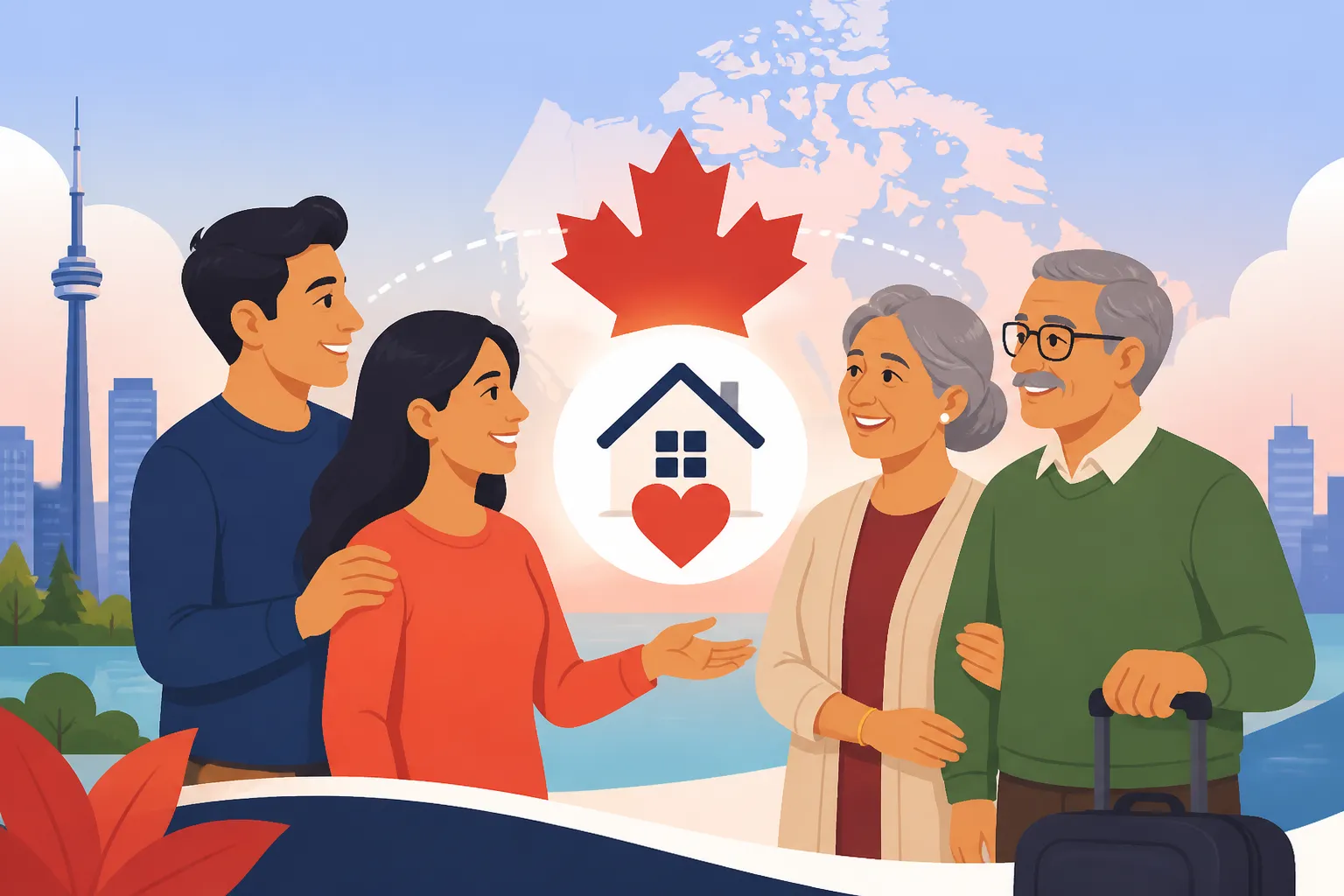
The dream of having your parents or grandparents live with you in Canada is a deeply held aspiration for many newcomers, a beautiful sentiment that often bumps up against the rather complex realities of Canadian immigration. It's truly one of the most emotional and often frustrating journeys for families here. This guide will walk you through the primary pathways available, shed light on their demanding requirements, and share some realistic insights to help you navigate this challenging but rewarding process.
The Parent and Grandparent Program (PGP): The Golden Ticket, If You Can Get One
Ah, the Parent and Grandparent Program, or PGP as it's often called. This is the main permanent residency stream for family reunification, and honestly, it's often a source of both hope and heartache. Canada wants families to reunite, but the sheer demand for this program far, far outstrips the number of spots available each year, making it incredibly competitive. It's not a straightforward application process you can just walk into; it's more like winning the lottery.
The Annual PGP Lottery: A Game of Chance
Imagine standing in line for hours for a concert ticket, only to find out they're giving them away in a random draw. That's essentially the PGP. Every year, Immigration, Refugees and Citizenship Canada (IRCC) opens a brief "interest to sponsor" window, usually in the early part of the year. During this time, eligible Canadian citizens and permanent residents submit an online form indicating their desire to sponsor their parents or grandparents. It’s not a full application yet, just a declaration of interest.
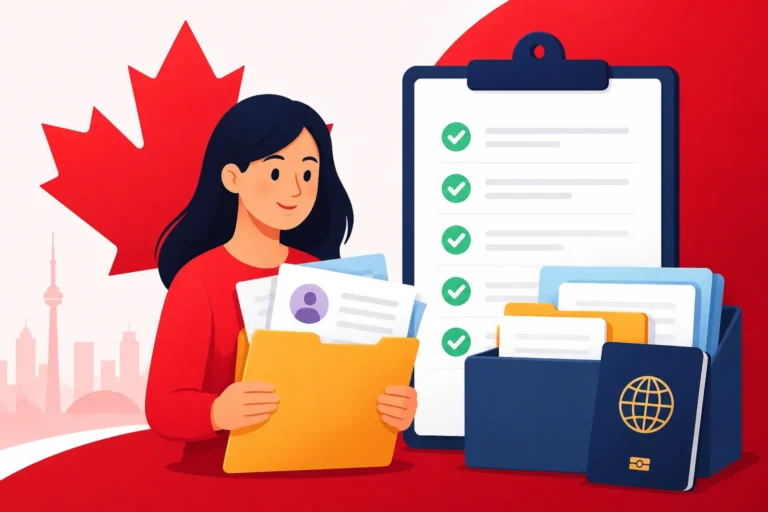
From this pool of interested sponsors, IRCC then conducts a random lottery. Yes, you read that right – a random selection. Only those who are selected in this draw receive an Invitation to Apply (ITA) for the full sponsorship application. The number of ITAs issued directly corresponds to the annual cap, which can vary but is typically around 25,000 to 30,000 applications. The odds can be incredibly slim, and it's not uncommon for people to submit their interest year after year without ever receiving an ITA. It's a system designed to manage overwhelming demand, but it certainly doesn't make it any less agonizing for those waiting. If you're fortunate enough to be selected, then the real work of gathering documents begins, which can be a marathon in itself. You'll need to make sure all your ducks are in a row, often referring to resources like How to Get Your Documents Ready for an IRCC Application.
Who Can Sponsor? The Strict Eligibility Criteria
Even if you beat the odds and get an ITA, you then have to prove you meet the stringent sponsorship criteria. This isn't just a formality; it’s a detailed assessment of your ability to financially support your family members and ensure they won't become a burden on the Canadian social assistance system.
First and foremost, you must be a Canadian citizen or a permanent resident residing in Canada. You also have to be at least 18 years old. But the biggest hurdle for many is the financial requirement. Sponsors must demonstrate they meet the Minimum Necessary Income (MNI) for their family size, plus the number of people they wish to sponsor, for the three taxation years immediately preceding their application. This isn't just the Low Income Cut-Off (LICO) that you might be familiar with for other immigration programs; it’s actually the MNI plus 30%. This higher threshold ensures sponsors have a robust financial capacity. For instance, if you're a single person sponsoring two parents, your income needs to cover yourself and your two parents. If you have a spouse and children, they are also counted in your family size. The income must be consistent and verifiable through Canada Revenue Agency (CRA) Notices of Assessment. It’s a significant commitment. For more information on family sponsorship, you can look into Family Sponsorship in Canada: Spouse, Children and Parents Explained (2027).
Eligibility for Your Parents/Grandparents
While your role as a sponsor is heavily scrutinized, your parents or grandparents also need to meet certain eligibility requirements, though these are typically less about their income and more about their general admissibility to Canada. They will need to undergo medical examinations to ensure they don't have conditions that would pose an excessive demand on Canada's health or social services. This isn't about minor ailments, but rather conditions that would require significant ongoing care or pose a public health risk.
They will also need to pass criminal and security checks. Any serious criminal record or security concerns would make them inadmissible. It’s crucial that all information provided is accurate and truthful. Any misrepresentation, even unintentional, can lead to refusal and potentially impact future applications. While the medical exam is part of the process, it's a good idea for your parents to have a general understanding of The Complete Guide to Healthcare in Canada for Newcomers (2027) if they are considering a move.
Understanding the Super Visa: A Long-Term Temporary Option
If the PGP lottery feels too uncertain or you just haven't been selected yet, there's another excellent option for bringing your parents or grandparents to Canada for extended periods: the Super Visa. This isn't a pathway to permanent residency, but it's a game-changer for long-term visits, allowing for stays of up to five years at a time, with the possibility of extension, over a ten-year period. It provides a wonderful opportunity for family members to spend significant time together without having to repeatedly apply for regular visitor visas.
Not a PR Pathway, But a Fantastic Alternative
It’s important to clarify right away: the Super Visa is a temporary resident visa. It allows your parents or grandparents to visit you in Canada for extended periods, far beyond the typical six-month limit of a standard visitor visa. However, it does not lead to permanent residency, nor does it grant them access to provincial healthcare plans upon arrival. Many families use the Super Visa as a way to bridge the gap while waiting for a PGP invitation, or as a long-term visiting solution if PGP isn't viable.
This visa is specifically designed for parents and grandparents of Canadian citizens and permanent residents, offering flexibility and convenience for those who want to spend quality time with their families without having to deal with the constant back-and-forth of regular visitor visas. It recognizes the value of family connection and aims to make it easier for multi-generational families to stay connected.
Key Super Visa Requirements: The Private Insurance Factor
The Super Visa has its own set of distinct requirements, and one of the most critical is the need for private medical insurance. This isn't optional; it's a mandatory part of the application process.
Here’s what your parents or grandparents will need:
- An Invitation Letter: You, as the child or grandchild in Canada, must provide a written invitation letter. This letter should clearly state that you will financially support your parents/grandparents during their stay, outlining your household size and the number of family members they will be sponsoring. It's a formal commitment.
- Proof of Financial Support: You, the host in Canada, must meet the low income cut-off (LICO) for your family size. Unlike the PGP, it's the standard LICO, not LICO plus 30%. You'll need to provide documents like your Notice of Assessment, T4s, or employment letters to demonstrate you can financially support them.
- Private Canadian Medical Insurance: This is where many newcomers have questions. Your parents or grandparents must purchase private Canadian medical insurance valid for at least one year from a Canadian insurance company. This insurance must:
- Cover at least $100,000 in emergency medical coverage.
- Be valid for at least one year from their date of entry into Canada.
- Be paid in full or through a deposit with proof of payment.
This insurance requirement is crucial because, as temporary residents, your parents or grandparents will not be covered by provincial health plans like OHIP, MSP, or RAMQ. Emergency medical care in Canada can be incredibly expensive without coverage, so this insurance is a safeguard for everyone. Companies like Cigna Global are well-regarded for providing comprehensive international health insurance plans that can meet these exact requirements, offering peace of mind during your parents' extended stay. It’s vital to research and choose a policy that covers all potential needs for elderly visitors. You can learn more about how immigration status impacts health coverage by reading How Your Immigration Status Affects Health Coverage in Canada.
Super Visa Benefits and Practicalities
The Super Visa truly offers unparalleled flexibility for parents and grandparents. Instead of a typical six-month stay, they can remain in Canada for up to five years per entry, and the visa itself is valid for up to 10 years, allowing for multiple entries. This means they can visit for extended periods without the hassle of reapplying every few months or worrying about short-term expiry dates.
However, remember that their status as temporary residents means they are not eligible for provincial health benefits. This reiterates the importance of robust private medical insurance, which, as mentioned, Cigna Global offers, ensuring they are covered for any unexpected health issues. If they choose to extend their stay beyond the initial five years, they will need to apply for an extension of their visitor record and may need to show continued proof of valid private medical insurance. Think of it as a long-term commitment to their well-being while they are enjoying time with you in Canada.
Navigating Other Avenues and Important Considerations
While the PGP and Super Visa are the most common routes, it's essential to understand the full landscape and manage expectations. Direct permanent residency for parents outside of the PGP is extremely rare unless they happen to meet the highly specific criteria for economic immigration programs, which is generally not the case for most parents.
Beyond PGP and Super Visa: The Realities
For the vast majority of parents and grandparents, the Parent and Grandparent Program or the Super Visa are the only practical options for long-term presence in Canada. Economic immigration streams like Express Entry, Provincial Nominee Programs (PNPs), or even specific skilled worker programs are typically designed for younger, highly skilled individuals with Canadian work experience, language proficiency, and educational credentials. It’s highly unlikely that most parents or grandparents would qualify for these programs, which are not designed for family reunification in the same way PGP is.
Occasionally, you might hear about humanitarian and compassionate grounds, but these are for exceptional cases involving severe hardship, not a general pathway for parents. It’s best to focus your efforts on the established programs, as trying to force a square peg into a round hole with other immigration streams will likely lead to disappointment and wasted time and money. For a broader understanding of how immigration streams work, consider reading Understanding How to Immigrate to Canada from Abroad (2027).
The Financial Commitment: A Long-Term Responsibility
Regardless of whether your parents come through the PGP or on a Super Visa, your financial commitment as a sponsor is substantial and long-term.
For PGP, once your parents become permanent residents, you sign an undertaking agreement. This is a legally binding promise to provide for their basic needs for a period of 20 years. This includes food, clothing, shelter, and other necessities, and it also covers any provincial social assistance they might receive. If your parents receive social assistance during this period, you will be obligated to repay it. This undertaking remains in effect even if your financial situation changes or if your relationship with your parents breaks down. It's a serious commitment that IRCC takes very seriously.
For the Super Visa, while there's no official 20-year undertaking, your invitation letter implies a commitment to support your parents during their extended stay. And, of course, there's the mandatory private health insurance, which can be a significant recurring cost. Be prepared to factor in living expenses, potential care needs, and the cost of insurance for the entire duration of their stay. Understanding the overall The Cost of Healthcare in Canada: A Complete Breakdown for Newcomers (2026) is vital.
Logistical and Cultural Adjustments for Elderly Parents
Beyond the immigration process, consider the practicalities of bringing your parents to live in Canada. Moving to a new country, especially later in life, can be incredibly challenging.
- Healthcare Access: Even with PGP, there's often a waiting period for provincial health coverage – typically up to three months in most provinces. During this time, private health insurance (like that offered by Cigna Global) is essential to cover any emergencies or medical needs. You can learn more about this in The Newcomer Waiting Period for Provincial Health Coverage in Canada (2027). It’s critical to understand that even after the waiting period, provincial plans don't cover everything, like dental care, vision, or most prescription drugs, which might be significant costs for seniors. This is where supplementary insurance or out-of-pocket expenses come in. You might also want to look into Public vs Private Healthcare in Canada: What Newcomers Need to Know.
- Housing and Living: Finding suitable housing that accommodates elderly parents, especially if they have mobility issues, can be a challenge in Canada's competitive rental and housing markets. Accessibility, proximity to amenities, and community support are important considerations.
- Cultural and Social Integration: Loneliness and isolation can be real issues for seniors moving to a new country where they might not speak the language fluently, understand the culture, or have an existing social network. Finding community groups, language classes, or senior centres can help, but it requires effort.
- Moving Logistics: The actual move itself can be daunting. Planning for shipping belongings, dealing with customs, and helping them settle into a new environment requires careful organization. Companies like Sirelo can assist with international moving services, taking some of the logistical burden off your shoulders when planning such a significant transition.
Bringing your parents or grandparents to Canada is a journey filled with hurdles, but for many, the joy of having family close makes every effort worthwhile. Be prepared, be patient, and keep all your documents in order.
Comparing the Major Options: PGP vs. Super Visa
To make things a little clearer, here's a quick comparison of the two main pathways for bringing your parents or grandparents to Canada:
| Feature | Parent and Grandparent Program (PGP) | Super Visa |
|---|---|---|
| Status in Canada | Permanent Resident | Temporary Resident (Visitor Visa) |
| Duration of Stay | Indefinite (as long as PR status is maintained) | Up to 5 years per entry, multi-entry visa valid for up to 10 years |
| Eligibility (Parents) | Medical and criminal checks, no excessive demand | Medical exam, criminal check, strong ties to home country |
| Eligibility (Sponsor) | Canadian citizen/PR, 18+, meet LICO + 30% for 3 years | Canadian citizen/PR, 18+, meet standard LICO |
| Application Process | Annual "Interest to Sponsor" lottery, then ITA for full application | Direct application, requires specific supporting documents |
| Healthcare Access | Eligible for provincial health plans after waiting period (approx. 3 months) | Mandatory private Canadian medical insurance required for each entry |
| Financial Commitment | 20-year legally binding undertaking by sponsor | Sponsor provides financial support letter for duration of stay |
| Key Advantage | Permanent residency, access to most public services | Long-term visits without constant renewals, used as PGP waiting bridge |
| Key Challenge | Extremely competitive lottery, high income threshold for sponsor | Not a PR pathway, no public healthcare, cost of private insurance |
This table highlights that while PGP offers the ultimate goal of permanent residency, the Super Visa provides a robust, long-term visiting option that many families find incredibly valuable. You can get more details on The Complete Visa and Immigration Guide for Moving to Canada (2027) to see how these fit into the broader immigration landscape.
Disclaimer
The information provided in this guide is for general informational purposes only and does not constitute legal or immigration advice. Immigration policies and requirements can change frequently. It is essential to consult with an authorized Canadian immigration consultant or lawyer for advice tailored to your specific situation and to ensure you have the most up-to-date information directly from official IRCC sources.