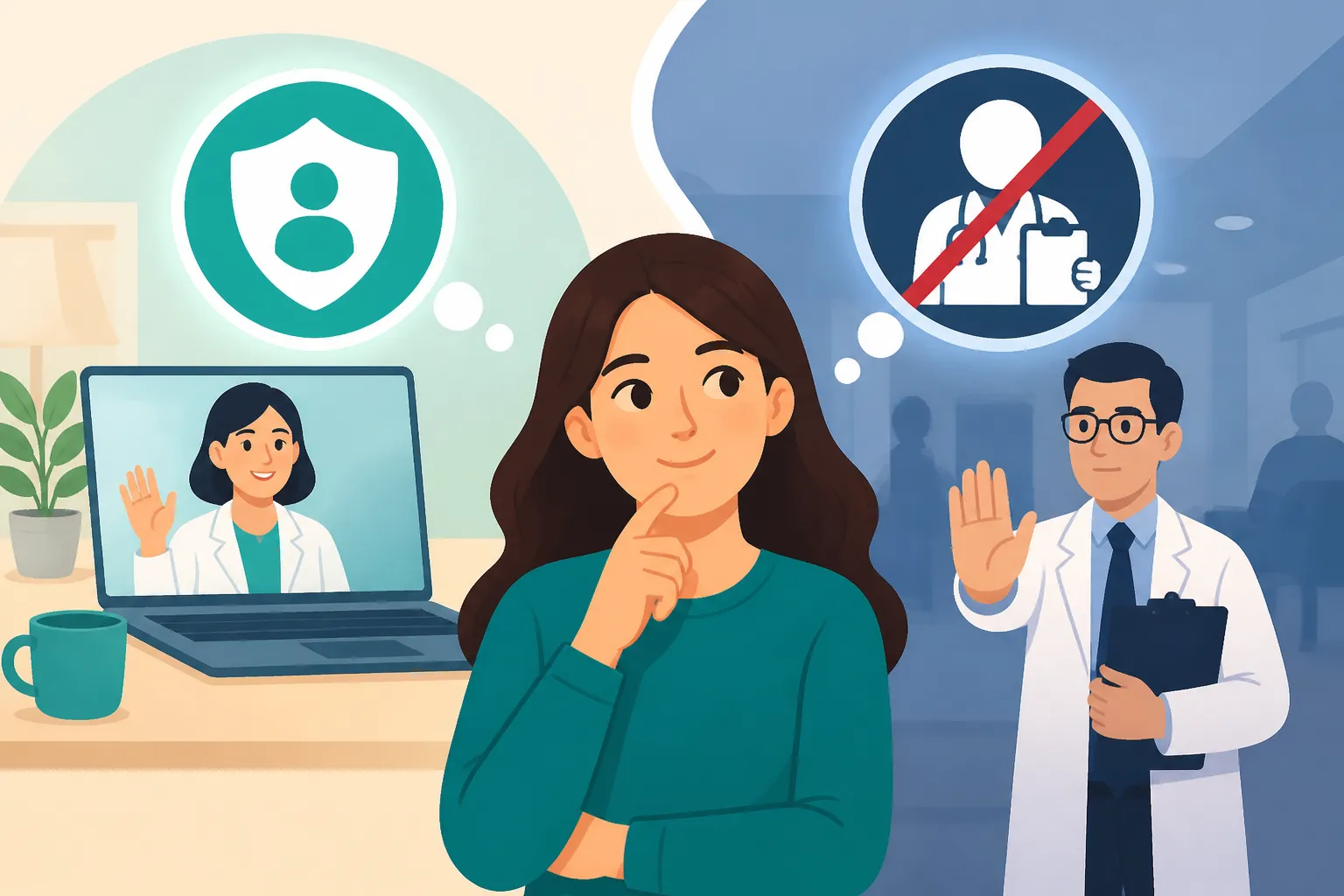
Can I Be Seen Privately Without a Referral in Canada?
Oh, the Canadian healthcare system and its mysterious ways! It’s a common frustration for so many of us who arrive here, especially when you come from a country where seeing a specialist is often just a matter of picking up the phone. You’ve likely heard about the "free" healthcare, but then you encounter the reality of referrals, waiting lists, and sometimes, a complete lack of clarity on how to get what you need, when you need it. This guide is here to shed some light on a very specific pain point: whether you can actually be seen privately in Canada without that elusive referral, and what that truly entails.
Understanding the Canadian Referral System
Let’s be honest, the Canadian healthcare system, for all its benefits, can feel like navigating a maze, especially when you're trying to figure out how to see a specialist. The default, and often the only path for publicly funded care, is through a referral. This is one of the foundational principles of How Canada's Health System Works: Provincial Plans Explained (2027) operates, and it can be a real shock if you're used to a different model.
The Gatekeeper: Family Doctors
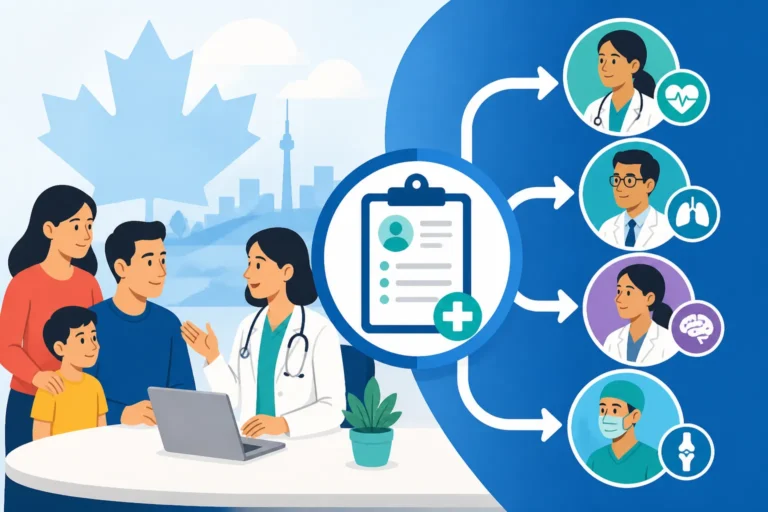
In Canada, your family doctor is often referred to as the "gatekeeper" to specialist care, and for good reason. When you have a health concern, your first port of call is almost always your family physician or a walk-in clinic. They assess your condition, perform initial tests, and if they determine that your issue requires more specialized attention – and it's something covered by your provincial health plan – they'll write a referral. This piece of paper (or, more commonly now, an electronic request) is your golden ticket to seeing a specialist like a dermatologist, cardiologist, or orthopaedic surgeon within the public system.
The idea behind this system is sound on paper: it ensures that specialists are only seeing patients who truly need their expertise, preventing unnecessary appointments and theoretically optimizing resource allocation. It also means your family doctor maintains an overview of your entire health history, coordinating your care. However, for many newcomers, the wait times just to get a family doctor, let alone then getting a referral and then waiting for the specialist appointment, can feel incredibly long and stressful. You might be thinking, "I just want to get this checked, why can't I just pay and go?" And that's where the frustration really sets in.
Why Referrals Exist
The referral system is deeply embedded in the fabric of Canada’s universal healthcare model. It's designed primarily to manage costs and ensure equitable access, theoretically. By funneling patients through general practitioners, the system aims to:
- Contain Costs: Prevent specialists from being overwhelmed with minor issues that a family doctor could handle, thus conserving taxpayer-funded resources for more critical needs.
- Ensure Appropriate Care: A family doctor can provide a holistic view of your health and direct you to the most appropriate specialist, avoiding self-referrals to multiple specialists for the same issue.
- Manage Workload: Specialists can focus on complex cases, as their calendars are managed by referrals from family doctors. This also helps in prioritizing cases based on urgency, though "urgency" can feel subjective when you're the one in pain.
While these reasons make sense from a systemic standpoint, they don't always align with an individual's desire for timely care or their previous experiences with healthcare. It’s a classic example of the system optimizing for the population, which sometimes comes at the expense of individual convenience. For an in-depth look at how these referrals function within the public system, you can explore How Specialist Referrals Work in the Canadian Health System.
Navigating Private Options Without a Referral
Okay, so you've hit the referral roadblock in the public system, and you're wondering if there's any way around it. The good news is, for certain types of care, yes, you absolutely can be seen privately without a referral in Canada, but it's crucial to understand the limitations and costs involved. This isn't the "public system bypass" you might hope for in all scenarios, but it offers viable alternatives for specific needs.
Private Clinics and Their Services
Canada does have a private healthcare sector, though it's much smaller and less integrated than in some other countries. These clinics typically operate outside the provincial health insurance plans, meaning you pay for their services directly, out-of-pocket, or through private health insurance. These are often where you can find specialist care without a referral.
Think of it this way: if your provincial health card (like OHIP in Ontario or MSP in British Columbia) won't cover it, you can often pay for it privately. Common examples of services you can access privately without a referral include:
- Cosmetic Procedures: Plastic surgeons for aesthetic work (not reconstructive surgery deemed medically necessary).
- Elective Surgeries: Certain non-essential surgeries that might have long wait times in the public system.
- Diagnostic Imaging: While MRIs or CT scans often require a referral in the public system, you can sometimes pay for these privately at clinics if you have a doctor's requisition (which a walk-in clinic doctor could provide). However, interpretation by a specialist radiologist will still be a paid service.
- Executive Health Programs: These comprehensive annual check-ups are offered by private clinics, often catering to busy professionals, providing expedited appointments with various specialists and extensive diagnostics. They focus on proactive health management.
- Physiotherapy, Chiropractic Care, Massage Therapy: These allied health services almost never require a doctor's referral to access, even though a doctor might recommend them. You pay directly, and many private insurance plans cover them.
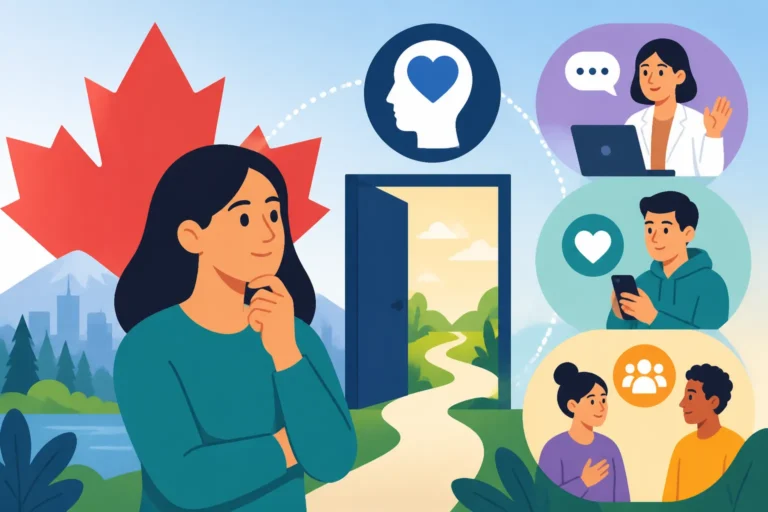
- Mental Health Services: Psychologists, psychotherapists, and counsellors can almost always be accessed directly without a referral. While some psychiatric services might still prefer a GP referral, many mental health professionals operate purely on a private-pay basis.
The key here is that these services are generally not covered by your provincial health plan. So, while you're bypassing the referral, you're also bypassing the "free" aspect of Canadian healthcare. The costs can add up quickly, which is why having How to Get Private Health Insurance to Cover the Waiting Period in Canada or comprehensive employer benefits is so crucial.
Virtual Care and Telehealth Platforms
The pandemic really accelerated the adoption of virtual care, and it's become a fantastic option for many to bypass some of the traditional hurdles, including referrals for initial assessments. Platforms like Telus Health MyCare, Maple, or Rocket Doctor allow you to connect with Canadian doctors (often family physicians, but sometimes specialists depending on the platform) via video or chat.
Here's how they can help with the referral issue:
- Initial Consultation: You can often book an appointment with a general practitioner through these platforms without a referral. They can assess your condition, provide advice, prescribe medication, and crucially, write referrals to specialists if they deem it necessary.
- Specialist Access (Limited): Some platforms are starting to offer direct access to specialists like dermatologists or mental health professionals for an out-of-pocket fee. For instance, you might pay to consult with a dermatologist virtually about a skin condition. While it's still a private payment, it's often faster than waiting for a public referral.
- Convenience: These services offer incredible convenience, especially if you're in a rural area or struggling to find a family doctor who is accepting new patients. You can usually get an appointment within hours or days, not weeks or months.
Keep in mind that while many provinces now cover basic virtual GP consultations under your provincial health plan, direct access to specialists through these platforms without a referral often falls into the private-pay category. Always double-check what's covered by your provincial plan versus what's an out-of-pocket expense when using these services.
Emergency and Urgent Care Clinics
While not "private specialists" in the sense of an elective consultation, it's important to understand the role of urgent care clinics and emergency rooms. If you have a true medical emergency, you absolutely should go to the nearest emergency room or call 911. These facilities will treat you, regardless of your referral status or ability to pay upfront (though you'll be billed later if you don't have provincial coverage). For detailed information, see Emergency Medical Care in Canada: What Every Newcomer Needs to Know.
Urgent care clinics or walk-in clinics are for non-life-threatening but immediate medical needs (e.g., a bad cold, minor cut, sudden illness). You don't need a referral to visit them. While they mostly house general practitioners, if the doctor at an urgent care clinic determines you need specialist attention, they can provide a referral to the public system. Again, this doesn't get you a private specialist without a referral, but it's a quicker way to get that initial assessment and, potentially, the referral you need. Understanding the Role of Walk-In Clinics in Canada is vital for newcomers.
The Costs Involved
This is where the rubber meets the road. If you're looking to bypass the referral system, especially for specialist care, you're almost certainly going to be paying out-of-pocket. Canada's public healthcare covers "medically necessary" services provided by doctors and hospitals, but if you're opting for a private route to avoid wait times or referral requirements, that usually means it's outside the scope of provincial funding.
Out-of-Pocket Expenses
The cost of seeing a doctor or specialist privately without a referral can vary wildly depending on the type of service, the clinic, and the practitioner's fees. Here’s a general idea of what you might expect:
- General Practitioner (Private Consultation): While many virtual care platforms offer consultations covered by your provincial plan, some private clinics or specific virtual doctors might charge for an initial consultation, ranging from $50 to $150 or more, especially if you don't have provincial coverage or are seeing them for a service not deemed "medically necessary" under the public plan.
- Specialist (Private Consultation): This is where it gets expensive. Seeing a private specialist without a referral could cost anywhere from $200 to $500 or even more for an initial consultation. Follow-up appointments would also incur charges. These aren't typically covered by provincial plans, even if the same service would be covered in the public system (if you had a referral).
- Diagnostic Tests (Private): Paying for an MRI or CT scan privately can easily run into hundreds or even over a thousand dollars, depending on the scan. Blood tests and other lab work, if not ordered by a publicly funded physician, would also be out-of-pocket.
- Allied Health Professionals: Physiotherapists, chiropractors, registered massage therapists, and mental health counsellors typically charge $80 to $200+ per session. While not specialists in the same vein, they are often accessed directly.
It's important to ask about fees upfront. Don't be shy; clinics are usually transparent about their pricing. Be prepared for this to be a significant expense. For a broader overview of healthcare costs, check out The Cost of Healthcare in Canada: A Complete Breakdown for Newcomers (2026).
Private Health Insurance as a Lifeline
This is where private health insurance truly shines, especially for newcomers. While your provincial health plan is fantastic once you're enrolled and past any waiting periods, it often doesn't cover a lot of the services you might want to access privately, or the waiting period itself.
- Covering the Waiting Period: Many provinces have a waiting period (often up to three months) before your provincial health coverage kicks in. During this time, any medical care, even a walk-in clinic visit, will be an out-of-pocket expense. This is where a robust private insurance plan, like one from SafetyWing or a similar provider specializing in expat or travel insurance, can be a godsend. These plans can cover everything from emergency care to doctor visits, giving you peace of mind.
- Supplementary Coverage: Even with provincial coverage, private insurance (often through an employer, but you can buy it individually) covers things like prescription drugs, dental care, vision care, and access to allied health professionals (physio, chiro, massage, mental health). These are exactly the types of services you might want to access without a referral anyway.
- Access to Private Options: Some comprehensive private plans might even offer benefits that allow for quicker access to certain private clinics or virtual specialist consultations, though this is less common for specialist visits and more for things like executive health programs or specific diagnostic tests. Always read the fine print of your policy to understand what's covered.
Having a good private health insurance plan can dramatically reduce your financial burden and stress when navigating healthcare in Canada, especially if you're keen on accessing care more quickly or for services not fully covered by the public system. It’s a smart investment for your health and peace of mind as an expat.
Finding Private Practitioners
So, you've decided the private route is for you, at least for certain needs. But how do you actually find these elusive private practitioners and clinics? It's not always as straightforward as searching "private cardiologist near me" and getting a list of publicly funded doctors.
Online Directories and Resources
The internet is your friend here, but you need to know what to look for.
- Specialized Private Clinic Directories: Many cities, particularly larger ones like Toronto, Vancouver, or Montreal, have websites or directories specifically listing private clinics. These might focus on executive health, cosmetic procedures, or specific diagnostic services. Searching for "private MRI clinic [city name]" or "executive health assessment [city name]" can yield results.
- Virtual Care Platform Directories: As mentioned, platforms like Telus Health MyCare or Maple often list the types of practitioners they connect you with, some of whom you can consult privately for a fee.
- Professional Regulatory Bodies: For allied health professionals (physiotherapists, chiropractors, psychologists), their respective provincial regulatory colleges usually have online directories where you can search for licensed practitioners in your area. These don't require referrals, and you can book directly. For example, the College of Physiotherapists of Ontario or the College of Psychologists of British Columbia.
- Google Maps and Local Searches: Simple, targeted searches like "private mental health clinic [city name]" or "private diagnostic imaging [city name]" can often point you in the right direction. Look for clinics that explicitly state "private pay" or "no referral needed."
When you find a clinic or practitioner, always call them directly to confirm their services, whether a referral is needed for their specific offerings, and their fee structure.
Networking and Expat Communities
Never underestimate the power of word-of-mouth, especially within expat circles.
- Expat Facebook Groups and Forums: Online communities for expats in Canada are invaluable resources. People frequently ask for recommendations for doctors, specialists, and private clinics. You'll often find honest, real-world advice and direct contacts from others who have navigated the same challenges. Someone might have a great recommendation for a private counsellor, a direct-access physio, or even a private clinic that helped them with a specific issue without a public referral.
- Community Boards and Local Networks: In some communities, local notice boards (physical or online) might list private practitioners. Connecting with local community centres, libraries, or even other parents at your children’s school can sometimes unearth hidden gems.
- Your Employer's HR/Benefits Department: If you have employer-sponsored private health insurance, your HR department can often provide a list of preferred providers or resources to help you find practitioners who accept your benefit plan, which can include many allied health services that don't need a referral. They might also be able to clarify what your plan covers for private specialist consultations.
The key is to be proactive and persistent. The information isn't always laid out in a single, easy-to-find government brochure, so you'll need to do some digging.
When a Referral is Absolutely Necessary
While the private sphere offers some flexibility, it's crucial to understand that not all specialist care can be accessed this way, especially if you want it covered by your provincial health plan. There are hard lines where the public system's rules still apply.
Public System Specialists
For the vast majority of medical specialists – cardiologists, neurologists, oncologists, general surgeons, rheumatologists, etc. – if you want their services to be covered by your provincial health insurance, you must have a referral from a general practitioner. There is no shortcut around this within the publicly funded system.
This means if you're dealing with a serious, complex, or chronic illness, and you want the Canadian public health system to cover the substantial costs of specialist consultations, diagnostic tests, treatments, and potentially surgery, you absolutely need that referral. Trying to bypass this for these core medical services will either mean you won't be seen, or you'll be faced with astronomical private bills that most people simply cannot afford. It’s part of The Complete Guide to Healthcare in Canada for Newcomers (2027), emphasizing the primary route for care.
Coverage Limitations
Even if you manage to find a private clinic or service that doesn't require an initial referral for a consultation, it’s important to remember that this doesn't automatically mean subsequent treatments, medications, or further diagnostic tests will be covered by your provincial plan.
For example, you might pay privately to see a dermatologist for a skin issue without a referral. They might diagnose you and prescribe a medication. While the prescription itself can be filled at any pharmacy, whether the cost of that medication is covered depends on your provincial drug plan or private insurance, not on the fact you saw a private doctor. If the dermatologist recommends a surgical procedure, and it's a "medically necessary" one, you'd likely then need to re-enter the public system with a referral from a GP to get it covered. You won't be able to just pay a private surgeon in Canada to perform a complex, medically necessary surgery and have your provincial plan cover that surgery. You might find clinics doing elective surgeries privately, but that's a different category altogether.
Here’s a quick overview to help clarify:
| Service Type | Referral Typically Needed (Public System) | Can Be Accessed Privately Without Referral (Out-of-Pocket) | Notes |
|---|---|---|---|
| Family Doctor / Walk-in Clinic | No (first point of contact) | Yes (some virtual/private clinics for a fee) | Covered by provincial plan (except during waiting period or for non-residents). Can issue referrals to specialists. |
| Public System Specialists | Yes | No (unless for specific, elective procedures at private clinics) | Covered by provincial plan. Long wait times common. |
| Private Specialist (e.g., cosmetic) | No | Yes | Not covered by provincial plan. High out-of-pocket costs. |
| Physiotherapy, Chiropractic, Massage | No (often direct access) | Yes | Not fully covered by provincial plan (some limited coverage for physio in certain provinces). Often covered by private insurance. |
| Mental Health (Psychologist, Counsellor) | No | Yes | Not covered by provincial plan for psychologists/counsellors. Psychiatrists (MDs) usually require referral for public coverage. |
| Diagnostic Imaging (MRI, CT) | Yes (for provincial coverage) | Yes (for a fee at private clinics) | Private scans are expensive and may still need a doctor's requisition (which a walk-in clinic doctor can provide). |
| Virtual GP Consultation | No | Yes (some platforms/doctors for a fee) | Many platforms covered by provincial plan. Can provide referrals to specialists. |
| Emergency Room | No | Yes (will treat first, bill later) | Covered by provincial plan. For true emergencies only. Very long wait times for non-emergencies. |
In essence, while you can find ways to get certain types of care more quickly by paying privately and bypassing the referral, it generally applies to services that either aren't covered by the provincial plan anyway, or where you're willing to pay the full, unsubsidized cost for speed and convenience. For core medical issues that require ongoing specialist intervention and are covered by the public system, the referral remains a central, unavoidable part of the process. So, yes, the Canadian healthcare system has its quirks, but with a bit of savvy, you can certainly navigate it more effectively!
Disclaimer
Please remember that I am an expat blogger, not a medical or legal professional. The information provided in this guide is for general informational purposes only and is based on publicly available information and personal experiences. Healthcare policies and regulations in Canada can change, and provincial rules vary significantly. Always consult with official government sources, healthcare providers, or qualified professionals for the most accurate and up-to-date advice regarding your specific situation. Your individual eligibility and coverage will depend on your immigration status, province of residence, and specific circumstances.