How Do I Find a Trusted Pharmacy Near Me in Toronto?
When you first land in a bustling city like Toronto, figuring out where to get your essential medications can feel like a daunting treasure hunt. It’s not just about finding any pharmacy; it’s about finding one that you can truly trust, that understands your needs as a newcomer, and isn't just a faceless dispenser of pills. This guide is here to walk you through how to confidently locate a trusted pharmacy in your new Canadian neighbourhood, ensuring your health needs are met with ease and confidence.
Understanding the Landscape of Pharmacies in Toronto
Navigating the healthcare system in a new country, even one as welcoming as Canada, comes with its own set of puzzles. Pharmacies are often your first and most frequent point of contact for health-related queries, prescription refills, and even minor ailments. Toronto, being a massive, multicultural city, has a diverse range of pharmacies, from large retail chains to independent, community-focused establishments. Each type offers a slightly different experience, and understanding these differences can help you make an informed choice.
Different Types of Pharmacies and What They Offer
You’ll quickly notice that Canadian pharmacies aren't just for picking up your prescriptions; they are often integrated into larger retail spaces, offering a surprising array of services. The most common types you’ll encounter are:
- Retail Chain Pharmacies: These are often found within large supermarkets or as standalone stores like Shoppers Drug Mart, Rexall, Loblaws Pharmacy, and Walmart Pharmacy. They are ubiquitous, convenient, and usually have longer operating hours, sometimes even 24/7 locations, especially in larger neighbourhoods. They offer a wide range of over-the-counter medications, health and beauty products, and often have a walk-in clinic attached or co-located. The sheer volume of these stores means there's almost always one nearby, no matter where you settle in Toronto. Their services typically include prescription dispensing, medication reviews, immunizations (like flu shots), and basic health advice.
- Independent Pharmacies: These are smaller, locally owned establishments that often pride themselves on personalized service and a strong community connection. Think of your neighbourhood corner pharmacy, where the pharmacist knows your name and your family's health history. They might not have the extensive retail sections of the chains, but they often excel in specialized services like compounding medications, medication synchronization, and offering more in-depth consultations. For newcomers, an independent pharmacy can be a fantastic resource for building a relationship with a healthcare professional who can offer tailored advice and a warm, familiar face.
- Hospital Pharmacies: While not typically where you'd get your regular refills, hospital pharmacies play a crucial role, especially if you're discharged from a hospital and need immediate medication. They are equipped to handle complex prescriptions and provide guidance directly related to your hospital stay. You won't usually use these for your day-to-day needs, but it's good to know they exist for specific, post-discharge scenarios.
The sheer availability means you have choices, which is a good thing, but it can also feel overwhelming. Don't be shy to visit a few different ones in your area to get a feel for the atmosphere and the staff.
Key Services Beyond Dispensing Prescriptions
In Canada, pharmacists are highly trained professionals whose roles extend far beyond simply handing out your pills. They are often the most accessible healthcare providers and can be an invaluable first stop for many health concerns. Knowing what services they offer can save you a trip to a doctor or even the emergency room for minor issues.
For instance, many pharmacies in Toronto now offer a range of vaccinations. Beyond the annual flu shot, you can often get travel vaccines, shingles vaccines, and even HPV vaccines directly from your pharmacist. This convenience is a game-changer for busy newcomers trying to get their health affairs in order. Pharmacists can also provide medication reviews, especially if you’re taking multiple medications, to ensure there are no adverse interactions and that you’re taking them correctly. This is particularly helpful if you're bringing prescriptions from your home country and need to understand the Canadian equivalents or how they fit into your new healthcare routine.
Many pharmacies also provide minor ailment assessments and prescribing. This means for certain common conditions like urinary tract infections, pink eye, cold sores, or even certain skin conditions, your pharmacist can assess your symptoms and, if appropriate, prescribe medication directly, without you needing to see a doctor. This is a massive time-saver and highlights the expanded role of pharmacists in the Canadian healthcare system, especially in provinces like Ontario. They can also offer advice on over-the-counter remedies, suggest dietary supplements, and guide you on lifestyle changes to manage chronic conditions. This robust support system can be a lifesaver when you're still in the process of finding and registering with a family doctor in Canada.
Practical Steps to Locate a Trusted Pharmacy Near You
So, you’ve arrived in Toronto, you’ve settled into your temporary or permanent digs, and now you need to find a place to pick up your prescriptions or just grab some cold medicine. The good news is, finding a pharmacy isn’t difficult. Finding a trusted one that feels right for you, however, takes a little more legwork and a bit of a strategic approach.
Online Tools and Directories to Start Your Search
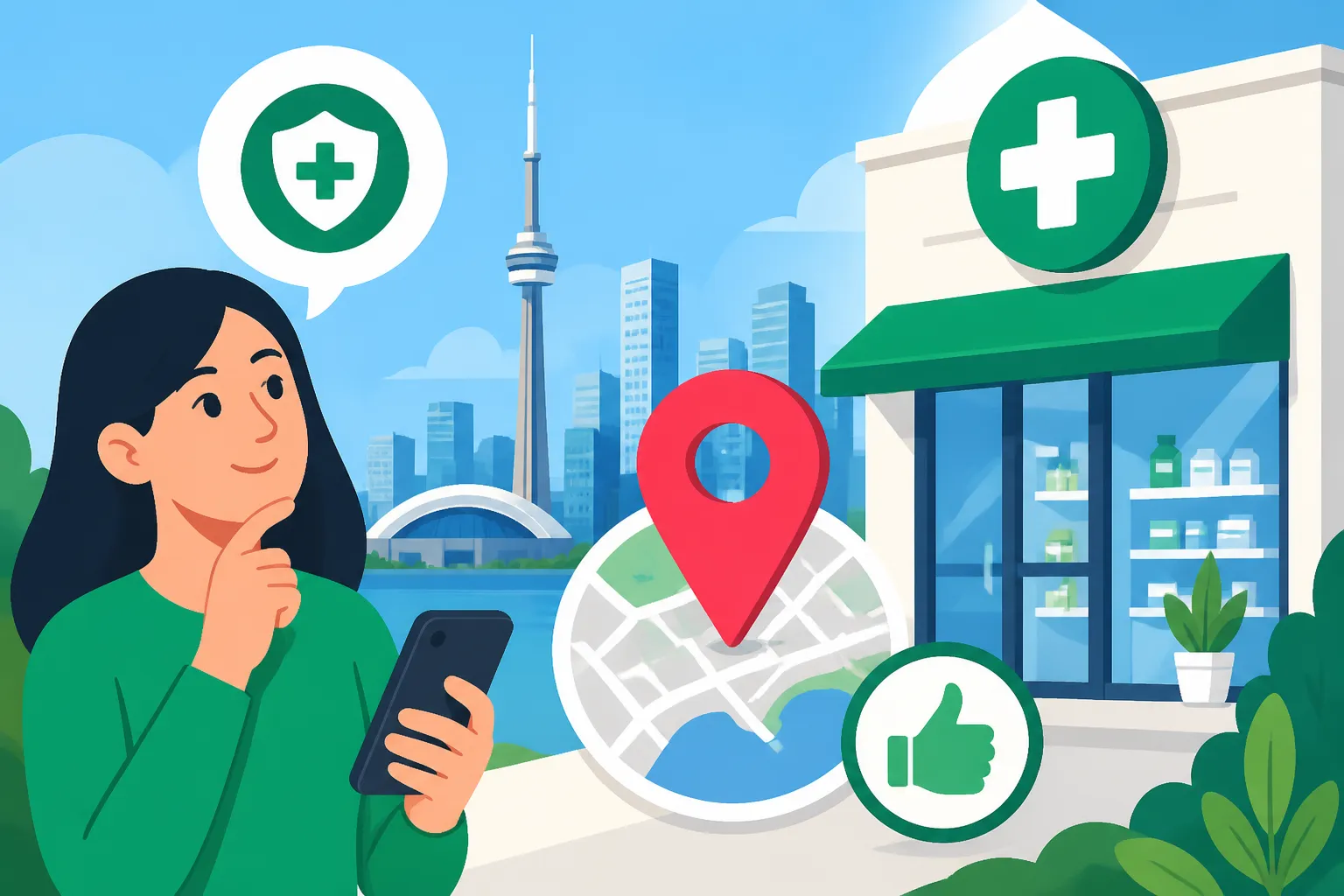
In this digital age, your best bet for an initial search is always online. Google Maps is your friend here. Simply type "pharmacy near me" into the search bar, and you'll get a list of options, often with opening hours, contact details, and even reviews. This is a great starting point to get a geographical overview of what’s available in your specific Toronto neighbourhood. For example, if you're in the Annex, you might see several independent pharmacies alongside a Shoppers Drug Mart or a Rexall within walking distance.
Beyond general map services, specific provincial and national directories can be incredibly helpful. The Ontario College of Pharmacists, for example, has a public register where you can verify if a pharmacy and its pharmacists are licensed. While this doesn't tell you if a pharmacy is "trusted" in the personal sense, it does confirm its legitimacy and adherence to professional standards, which is a crucial first step. Websites for major chains like Shoppers Drug Mart or Rexall also have store locators that allow you to search by postal code and filter for specific services, such as 24-hour locations or pharmacies with walk-in clinics. Don't forget to check their websites for any newcomer-specific offers or information they might provide, as many Canadian banks and essential services often tailor their offerings for new arrivals.
When you're doing your online sleuthing, pay attention to the reviews, but take them with a grain of salt. A few negative reviews might be outliers, but consistent complaints about long wait times, unhelpful staff, or prescription errors are definite red flags. Conversely, consistent praise for friendly, knowledgeable pharmacists and efficient service is a strong indicator of a good place. It's all about gathering information to help you make an informed decision before you even step foot in the door.
Leveraging Local Knowledge and Community Recommendations
While online tools are a great start, nothing beats good old-fashioned word-of-mouth recommendations, especially in a city like Toronto with its vibrant and diverse communities. Your neighbours, colleagues, or even the staff at your local community centre can be excellent sources of information. They’ve lived here, they’ve navigated the same initial challenges, and they likely have a pharmacy they swear by.
Strike up a conversation with people you meet. If you're new to a specific neighbourhood like Little Portugal or Koreatown, asking someone who has lived there for a while can give you insights into pharmacies that cater to specific cultural needs, languages spoken, or even have a reputation for being particularly empathetic with newcomers. Many communities in Toronto have local Facebook groups or online forums where you can post a question and get recommendations. These platforms can connect you with people who share your background or specific health concerns, leading you to a pharmacy that genuinely understands your needs.
Remember, finding a "trusted" pharmacy isn't just about efficiency; it's also about feeling comfortable and understood. A pharmacy that comes highly recommended by someone you know or a community group means it has a proven track record within that local context. They can tell you about the pharmacist's demeanor, the wait times, or if they’re particularly good at explaining things in plain language – all those small but significant details that make a difference when you’re dealing with your health. Don't underestimate the power of local connections; they are often the secret ingredient to truly settling in and feeling at home in Canada.
What to Look for in a Trusted Pharmacy Beyond Location
Once you’ve narrowed down a few options based on location and initial recommendations, it's time to dig a little deeper. A truly trusted pharmacy offers more than just convenience; it offers peace of mind, expert advice, and a feeling of being well-cared for. This is especially vital for newcomers who are still trying to understand the intricacies of Canadian healthcare and may have questions about their Prescription Medications and Pharmacies in Canada: The Complete Guide or how their existing medical history fits into the new system.
Important Factors for Newcomers to Consider
As someone new to Canada, you have unique needs that might differ from long-time residents. Here are some critical factors to consider when choosing your trusted pharmacy:
- Language Services: Toronto is incredibly diverse, and many pharmacies reflect this by having multilingual staff. If English isn’t your first language, or you just feel more comfortable discussing sensitive health matters in your native tongue, seek out pharmacies that advertise specific language support. This can significantly reduce miscommunication and ensure you fully understand your medication instructions and health advice. Don't hesitate to ask if they have pharmacists or technicians who speak your language.
- Accessibility and Hours: While all pharmacies will dispense prescriptions, consider their general accessibility. Are their aisles wide enough if you have a stroller or mobility aid? Do they have sufficient parking if you drive, or are they easily reachable by public transit, which is a major consideration in Toronto? Also, check their hours. If you work late or have children, a pharmacy with extended hours or a 24/7 option (especially for emergencies) could be invaluable. You never know when you might need a last-minute refill or advice outside of regular business hours.
- Customer Service and Professionalism: This is paramount. A trusted pharmacy will have staff who are not only efficient but also empathetic, patient, and willing to answer all your questions without rushing you. Observe how they interact with other customers. Do they offer advice, or just process transactions? As a newcomer, you might have more questions than average about Understanding Prescription Drug Coverage and Pharmacare in Canada or how to claim health expenses. A good pharmacist will take the time to explain these things clearly. You should feel comfortable asking about side effects, drug interactions, or even general health concerns.
Building a Relationship with Your Pharmacist
One of the most valuable assets you can gain in your new life in Canada is a strong relationship with a local healthcare provider, and your pharmacist is a fantastic place to start. Think of them as a frontline healthcare advisor who is often much more accessible than a family doctor, especially if you're still on the hunt for one.
By consistently visiting the same pharmacy, the staff will get to know you, your medical history, and your specific needs. This personalized approach can be incredibly beneficial. For example, if you frequently travel, your pharmacist can advise you on travel-related health precautions or ensure you have enough medication for your trip. They can also keep a watchful eye on your medication profile, flagging any potential drug interactions or suggesting generic alternatives that might be more affordable. This continuity of care is a cornerstone of effective health management.
Don't be afraid to ask questions. Pharmacists are highly knowledgeable and can provide advice on everything from cold and flu symptoms to managing chronic conditions. They can explain why a particular medication is prescribed, how it works, and what potential side effects to watch for. They can also guide you on where to seek further medical attention if your condition requires a doctor's visit, which is crucial when you’re still learning Navigating the Canadian Healthcare System: A Newcomer's Roadmap (2027). Building this rapport helps you feel more confident and less overwhelmed when dealing with your health, which, let's be honest, can be one of the biggest stresses when moving to a new country.
Navigating Pharmacy Costs and Coverage
One of the biggest anxieties for newcomers to Canada is often related to healthcare costs, especially when it comes to prescription medications. While many medical services are covered by provincial health plans, prescription drugs often have a different system of coverage. Understanding how this works is crucial for your financial well-being and peace of mind.
Understanding Prescription Costs and Provincial Coverage
When you first arrive, it’s a bit of a shock to realize that Canada’s "free" healthcare doesn't always extend to prescription drugs dispensed outside of a hospital. While doctor visits are covered once your provincial health card kicks in, medications often aren't, or they are covered under specific programs with eligibility criteria. In Ontario, for example, the Ontario Drug Benefit (ODB) program covers many prescription drug costs for eligible residents, primarily seniors, those on social assistance, or those with high prescription drug costs relative to their income. Newcomers typically won't qualify for the ODB initially unless they fall into one of these specific categories.
This means you will likely pay out-of-pocket for your medications in the interim. The cost of prescription medications can vary widely depending on the drug, its dosage, and whether a generic equivalent is available. Pharmacists are usually transparent about costs and can often suggest generic alternatives, which are typically much cheaper than brand-name drugs while being equally effective. It's always a good idea to ask your pharmacist about generic options to keep your expenses down. For more details on the system, check out Understanding Prescription Drug Coverage and Pharmacare in Canada.
The waiting period for provincial health coverage in Canada can be up to three months in some provinces, including Ontario. During this time, you are fully responsible for all medical costs, including prescriptions. This period is precisely why newcomers should seriously consider private health insurance.
The Role of Private Insurance and Emergency Options
This is where private health insurance becomes not just an option, but often a necessity for newcomers. If you're still within the waiting period for your provincial health plan or if your employer benefits haven't kicked in yet, a private plan can be a lifesaver. Companies like SafetyWing offer travel and medical insurance that can cover you during this transitional phase, protecting you from unexpected prescription costs or even emergency medical care. Imagine needing an urgent prescription for an infection during your first few weeks in Toronto – without private coverage, that bill is entirely yours. This kind of insurance provides a crucial safety net.
Once you have employer benefits, most workplace plans in Canada include some form of prescription drug coverage. These plans typically cover a percentage of the cost of your medications, with you paying the remaining co-pay. Make sure to understand your employer's plan details, including deductibles and maximum coverage amounts. Your pharmacist can directly bill your private insurance company, saving you the hassle of upfront payments and lengthy reimbursement processes. Always present your insurance card at the pharmacy.
For true emergencies where immediate medication is required and you have no coverage, pharmacists are sometimes able to dispense a limited supply of essential medications to bridge the gap until you can secure full coverage or see a doctor. However, this is at their discretion and typically reserved for life-sustaining drugs. It’s always, always better to have some form of insurance in place to avoid these stressful situations. Don't leave your health to chance; exploring options like SafetyWing for that initial period can genuinely make your transition smoother and more secure. Even for short-term stays or when moving between jobs, having a reliable private insurance plan is a smart move. For information on bridging this gap, consider resources like How to Get Private Health Insurance to Cover the Waiting Period in Canada.
Disclaimer
The information provided in this guide is for general informational purposes only and does not constitute professional medical, legal, or financial advice. While we strive to provide accurate and up-to-date information, circumstances in Canada can change rapidly. Always consult with a qualified professional, such as a pharmacist, doctor, immigration consultant, or financial advisor, for advice tailored to your specific situation. Reliance on any information in this guide is solely at your own risk.