How Do I Get a Same-Day Doctor’s Note in Canada?
You’ve just woken up feeling terrible, maybe a fever, that dreadful cough, or just completely wiped out. The last thing you want to do is navigate a new healthcare system and figure out how to get a piece of paper for your boss or professor, right? It can feel incredibly daunting, especially when you're unwell and just want to rest. Don't worry, this guide will walk you through the realistic steps and options available in Canada to help you get a same-day doctor’s note, making sure you understand the system, its quirks, and how to prepare.
The Canadian Reality of Same-Day Doctor's Notes: It's Not Always Simple
Needing a doctor’s note, often called a medical certificate or sick note, can add a layer of stress to an already uncomfortable situation. In Canada, while our healthcare system is generally excellent, getting something "same-day" can sometimes be a bit of a dance, especially for newcomers who are still figuring out the ins and outs. It’s not like in some other countries where you might just walk into a pharmacy and get a note with minimal fuss. Here, it usually requires a direct interaction with a medical professional who can assess your condition.
Why You Might Need a Doctor's Note
There are a handful of common scenarios where you might find yourself needing this seemingly simple piece of paper. It often feels like a bureaucratic hoop to jump through, doesn't it? But employers, schools, and even some service providers often require it as official documentation for absences or cancellations.
For work, it’s typically to justify a sick leave absence. Most employers, especially for longer periods of illness (say, more than two or three days), will ask for a note from a licensed healthcare provider to confirm you were genuinely unwell and unable to perform your duties. For schools, it could be to excuse an absence from class or an exam, ensuring your academic record isn't negatively impacted. Sometimes, you might even need one for things like cancelling a gym membership without penalty if you have a prolonged injury, or to support a travel insurance claim if you had to cancel a trip due to illness. Understanding these common needs helps you articulate your situation clearly when you finally get to see a doctor.
The "Same-Day" Challenge in the Canadian Healthcare System
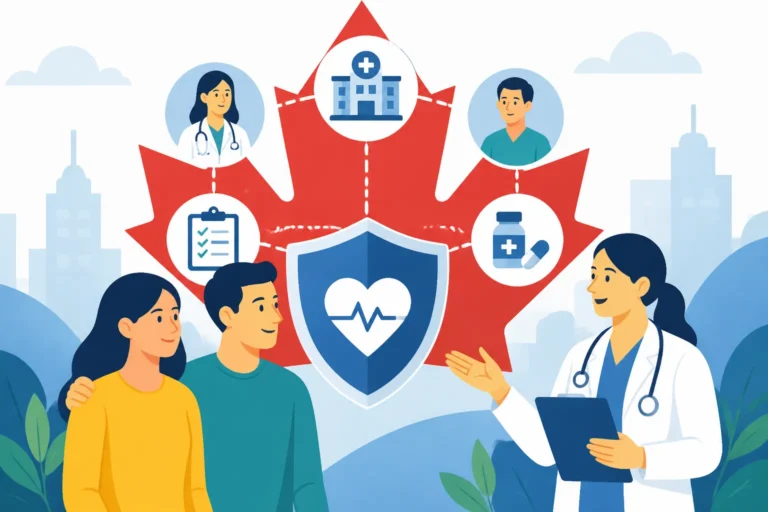
While Canada prides itself on universal healthcare, the concept of "same-day" access to a doctor for a non-emergency isn't always as straightforward as many newcomers might expect. The system is designed around primary care (family doctors) and emergency services, with walk-in clinics and virtual care filling some of the gaps. However, demand often outweighs immediate supply, particularly in urban centres.
If you have a family doctor, they are generally your first point of contact, but their schedules can be booked days or even weeks in advance. Getting a same-day appointment, unless it's an urgent squeeze-in, can be a challenge. For those without a family doctor – a common reality for many newcomers, as finding one can be a quest in itself – walk-in clinics become the primary option. These clinics, while offering more immediate access, are often characterized by significant wait times. And then there are the nuances of provincial health coverage; for new arrivals, there's often a waiting period before your provincial health card kicks in. During this time, every doctor's visit, including one for a simple note, will be out-of-pocket, which can be an unexpected financial burden. Understanding The Newcomer Waiting Period for Provincial Health Coverage in Canada (2027) is absolutely crucial here.
Your Options for Getting a Same-Day Doctor's Note in Canada
When you need that note, and you need it now, you have a few avenues to explore. Each comes with its own set of advantages and potential hurdles, and knowing them upfront can save you a lot of stress and wasted time.
Walk-In Clinics: Your Go-To for Urgent, Non-Emergency Needs
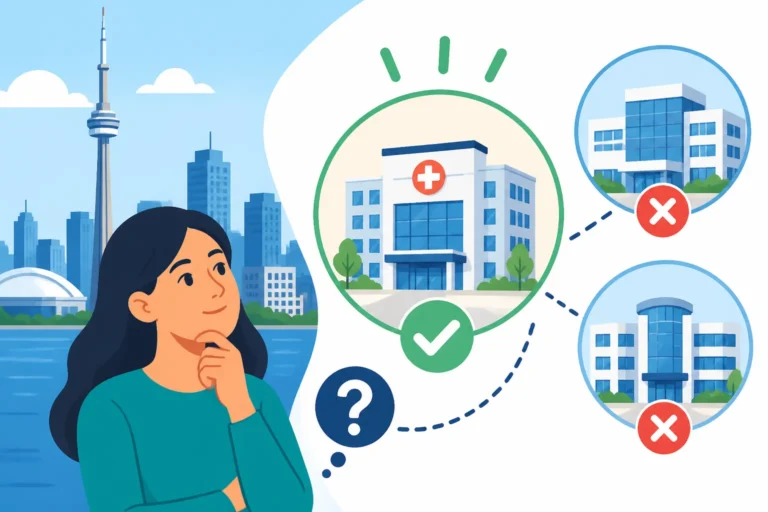
For most people needing a doctor’s note on short notice, a walk-in clinic is usually the first port of call. These clinics are designed to treat immediate, non-life-threatening health issues that don't require an emergency room visit but can't wait for a scheduled appointment with a family doctor. You don't typically need an appointment; you simply show up.
The biggest pro is the potential for same-day service. Many clinics operate on a first-come, first-served basis, while others allow you to check in online or even book a same-day slot. This can be a lifesaver when you wake up feeling under the weather and know you can't go to work or school. You can usually find them easily by searching "walk-in clinic near me" on Google Maps, especially in bustling cities like Toronto, Montreal, or Vancouver.
However, the cons can sometimes outweigh the pros if you're not prepared. Wait times can be notoriously long, sometimes stretching for hours, depending on the day, time, and location. I remember one chilly morning in Calgary, feeling utterly miserable, and ending up waiting over three hours just to be seen for ten minutes. The lesson? Go early, or check if they have an online queue system. Another challenge is that you might not see the same doctor twice, which can be less ideal for continuity of care.
If you don't have provincial health coverage yet, or if you're a visitor, you will be expected to pay out-of-pocket for your visit. The cost can vary significantly by clinic and province, but expect it to be anywhere from $80 to $150 or even more for a basic consultation. This is why it’s always important to consider How Much Does a Doctor Visit Cost in Canada Without Coverage? and plan accordingly. Make sure to get a detailed receipt if you have private insurance and plan to submit a claim.
Virtual Care and Telehealth Services
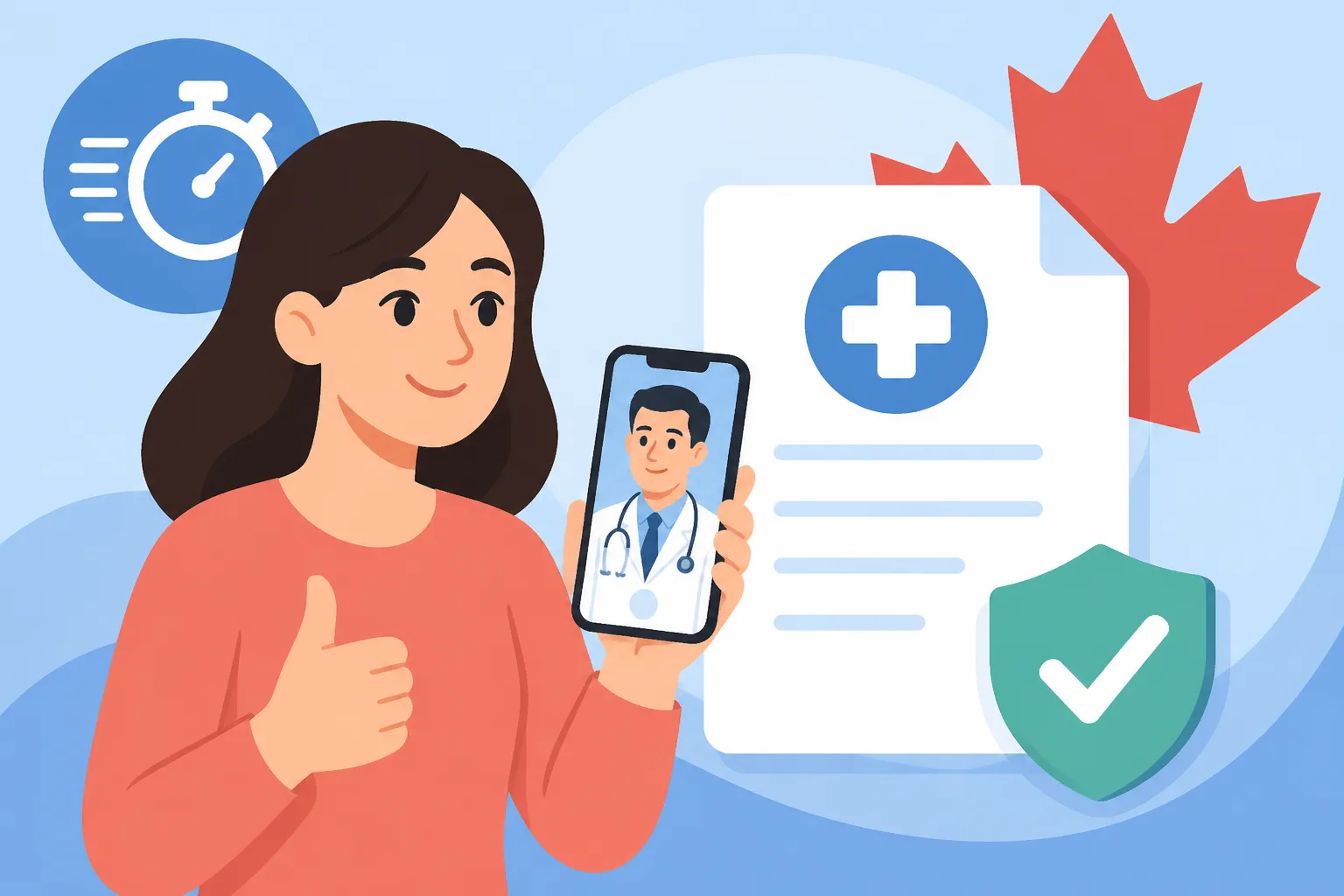
In recent years, virtual care has really come into its own in Canada, especially since the pandemic. These services allow you to consult with a doctor via phone or video call, all from the comfort of your home. Platforms like Telus Health MyCare and Maple are prominent players in this space, offering a convenient alternative to in-person visits.
The biggest advantage of virtual care is its sheer convenience and often shorter wait times. You can typically book an appointment much faster than at a physical walk-in clinic, and sometimes even get seen within minutes or an hour. This is particularly useful if you're too ill to leave the house or if you live in a remote area with limited access to clinics. Doctors can assess your symptoms, provide advice, and, crucially for our discussion, issue doctor's notes digitally. These notes can then be emailed to you, making the process incredibly efficient. If you want to know more about this, check out our article on Understanding Telehealth and Virtual Care Options in Canada.
However, virtual care isn't a one-size-fits-all solution. It's not suitable for conditions that require a physical examination, like a severe injury or complex abdominal pain. While a virtual doctor can assess symptoms and make a judgment, they might be hesitant to issue a note without an in-person assessment if they feel it's medically necessary. Also, while many virtual care services are covered by provincial health plans, some might offer premium services or require payment if you don't have eligible coverage. Always confirm the cost structure before committing to a consultation.
Your Family Doctor If You Have One
If you've been in Canada for a while and have managed to find and register with a family doctor, consider yourself lucky! This is generally the easiest and most reliable route for any medical need, including obtaining a doctor’s note. Your family doctor has your medical history, understands your overall health, and can provide notes with greater context and confidence.
You would typically book an appointment by calling their office or using their online patient portal. The main challenge, as I mentioned earlier, is securing a same-day appointment. Family doctors' schedules are often packed. My advice? Call their office as early in the morning as possible, explain your symptoms clearly, and emphasize the urgency of needing a doctor's note for work or school. Sometimes, they can squeeze you in for a quick visit, or a nurse practitioner might be available to see you. Don't underestimate the power of a polite and clear explanation of your situation. If you're still on the hunt for a family doctor, our guide on How to Find and Register with a Family Doctor in Canada can offer some valuable tips.
What to Expect and How to Prepare for Your Appointment
Navigating any healthcare appointment, especially when you're not feeling well, can be easier if you know what to expect and how to prepare. A little foresight can significantly streamline the process of getting that elusive doctor's note.
Documentation and Information You'll Need
When you head to a clinic or log into a virtual care appointment, being prepared with the right information can make all the difference. First and foremost, if you have a provincial health card (like an OHIP card in Ontario or MSP in British Columbia), have it ready. This is your key to accessing publicly funded healthcare services without direct payment. If you're a newcomer still in your waiting period, or a visitor, have your private health insurance details (policy number, provider contact) readily accessible, or be prepared to pay upfront. Our comprehensive article on What Documents Do I Need to See a Doctor in Canada? details all the essentials.
Secondly, be clear and concise about why you need the note. Explain your symptoms truthfully and state specifically that you require a medical note to confirm your inability to work or attend school. Be ready to share any specific requirements from your employer or educational institution, such as specific dates you need to be off, or if they require the note to be faxed directly to them. This saves time and ensures the note meets their criteria.
The Doctor's Discretion and What a Note Usually Contains
It’s crucial to understand that a doctor's note is not an automatic entitlement; it's issued at the medical professional's discretion based on their assessment of your health. Doctors in Canada adhere to ethical guidelines and will only provide a note if they genuinely believe your medical condition warrants time off. They won't simply write one because you ask, especially if there's no evident medical reason. This isn't them being difficult; it's about maintaining professional integrity and ensuring the healthcare system isn't misused.
Typically, a doctor's note in Canada is quite general. It will usually state that you were seen by a medical professional on a particular date and that, based on their assessment, you are advised to be off work or school for a specified period (e.g., "patient advised to be off work from [Date] to [Date] inclusive"). Due to patient privacy laws, the note will very rarely include specific diagnoses or details about your illness. Employers and schools generally understand this and only require confirmation of a legitimate medical reason, not your full medical history. It's about providing medical justification, not just a permission slip.
Managing Costs If You Don't Have Provincial Coverage
This is arguably one of the biggest anxieties for newcomers during their initial months in Canada. If you haven't yet qualified for provincial health coverage – remember that infamous waiting period – any visit to a walk-in clinic or a private virtual care service will come with an upfront cost. You'll pay for the consultation out of your own pocket.
This is where private health insurance truly shines. If you've purchased private insurance, perhaps through your employer (if you're already working) or a plan specifically designed for newcomers covering the waiting period, you can often claim back the cost of your doctor's visit. Many newcomers, myself included, opt for travel insurance providers like SafetyWing to bridge this initial gap. These plans are designed for unexpected illnesses and injuries, making them perfect for covering a sudden cold or flu that requires a doctor's visit and note. SafetyWing, for instance, offers plans that cover medical emergencies, making sure you're not left with a hefty bill if you need to see a doctor for a sudden illness or accident before your provincial plan kicks in. If you're pondering your options, our articles on How Much Does Private Health Insurance Cost in Canada in 2026? and Do I Need Private Health Insurance When I First Arrive in Canada? offer extensive details on this topic. Always keep your receipts and submit your claims promptly!
Common Scenarios and Practical Tips
Let's talk about some real-life situations you might encounter and some practical advice to navigate them smoothly. The more you know, the less stressed you'll be when you're feeling under the weather.
When Your Employer/School Needs Specific Details
Most doctor's notes, as we've discussed, are intentionally generic to protect your privacy. However, there might be rare instances where an employer or school requires slightly more detail, perhaps for a specific type of leave or accommodation. If this happens, the key is open communication with your doctor.
You'll need to explain the specific requirement to the medical professional during your appointment. For example, if your employer needs a confirmation that you're fit to return to work on a specific date, or if there are particular tasks you need to avoid temporarily, the doctor can include this. However, they will still respect your privacy and will only disclose information that is medically relevant and necessary for your employer's or school's legitimate purposes. Generally, employers just need to know you were seen by a medical professional and are unable to work; they don't need your diagnosis. Don't be shy about asking your doctor to include certain general information if it's genuinely required, but also respect their professional boundaries regarding confidentiality.
What if You Can't Get a Same-Day Appointment?
Despite your best efforts, sometimes getting a same-day appointment for a doctor's note just isn't possible. Walk-in clinics might be overwhelmed, virtual care slots might be full, or your family doctor simply might not have space. So, what then?
First, and most importantly, notify your employer or school as soon as possible about your illness and your inability to get a doctor's note that day. Honesty and transparency are always the best policy. Many workplaces have policies that waive the note requirement for very short absences (e.g., 1-2 days). Check your employee handbook or company policy. If you're genuinely unwell for a longer period, you might still need to get a note once you can secure an appointment, even if it's a day or two later. The doctor can then issue a note covering the dates of your illness retrospectively, based on your symptoms at the time of your visit.
If you're unsure whether your symptoms warrant a visit or if you should head to an emergency room, consider calling a provincial health line like HealthLink (available in many provinces). They can offer advice on your symptoms and guide you to the most appropriate care. For truly critical situations, remember Canada's emergency number is 911, though it’s vital to understand the difference between an emergency and a non-emergency to avoid unnecessary ambulance fees or burdening the system. Our guide on Emergency Medical Care in Canada: What Every Newcomer Needs to Know can help clarify.
Proactive Steps for Newcomers
As a newcomer, you’re already juggling so much. Thinking about a doctor’s note when you're healthy seems trivial, but proactive planning can save you significant hassle down the line.
The single most important step you can take is to register with a family doctor as soon as possible after arriving in Canada and securing your provincial health card. This provides you with a consistent point of contact for all your healthcare needs, making everything from routine check-ups to getting a doctor’s note much simpler. Our guide on How to Apply for Your Provincial Health Card in Canada (2027) is a must-read for this.
Secondly, familiarize yourself with your provincial health plan's specifics, including any waiting periods, and consider investing in private health insurance to cover this initial gap. Providers like SafetyWing are specifically designed for people living and working abroad, offering a crucial safety net for those unexpected health issues before provincial coverage begins. Having this in place means you won't have to stress about out-of-pocket costs if you need to see a doctor for a note or any other medical concern during those first few months. Understanding The Complete Guide to Healthcare in Canada for Newcomers (2027) will give you a solid foundation.
| Method | Typical Wait Time | Cost (No Provincial Coverage) | Pros | Cons |
|---|---|---|---|---|
| Family Doctor | 1-3+ days (for appt) | N/A (usually covered) | Consistent care, known doctor, easy follow-up | Hard to get same-day appointment for non-emergencies |
| Walk-In Clinic | 1-4+ hours | ~$80 – $150 | Same-day potential, no appointment needed (often) | Long wait times, varying doctors, less continuity of care |
| Virtual Care/Telehealth | Minutes-1 hour | ~$40 – $100 | Convenient, from home, often fast access to note | Not suitable for all conditions, requires internet/device |
Disclaimer
The information provided in this article is for general guidance only and does not constitute medical or legal advice. Healthcare regulations and practices in Canada can vary by province and are subject to change. Always consult with a qualified healthcare professional or legal expert for advice tailored to your specific situation.