How Do I Access Mental Health Support in Canada?
Moving to Canada, or living here as an expat, is a monumental adventure, filled with new sights, sounds, and sometimes, unexpected challenges. It's tough enough landing in a new place, figuring out the grocery store, setting up your bank account – and then you realize your mental well-being needs some TLC too. The thought of navigating a new healthcare system, especially for something as personal as mental health, can feel like an insurmountable mountain. But take a deep breath; this guide is here to walk you through how to access mental health support in Canada, making the journey a little less daunting.
Understanding the Landscape of Mental Health Support in Canada
One of the first things you'll notice about healthcare in Canada is its provincial nature. What's covered, how you access it, and even the waiting periods can differ significantly from one province to another. This mosaic of services can be confusing, especially when you're already feeling vulnerable. It's not always as straightforward as walking into a clinic and getting what you need, and that can be incredibly frustrating.
Public vs. Private Services: What's Covered?
Let's talk about the big picture: what does Canada's health system actually cover when it comes to mental health? Generally, our provincial health plans, like OHIP in Ontario or MSP in British Columbia, cover medically necessary services provided by a physician. This means if you see your family doctor for a mental health concern, that visit is covered. If your doctor refers you to a psychiatrist – a medical doctor specializing in mental health who can diagnose, prescribe medication, and offer some forms of therapy – those visits are also covered.
However, here's where it gets tricky for many newcomers: the vast majority of therapeutic and counselling services provided by psychologists, social workers, and psychotherapists are not typically covered by provincial health plans. This is a huge gap in the public system and often catches people off guard. You might find some limited, short-term counselling through community health centres or hospital programs, but long-term, individual therapy often falls outside public coverage. This means unless you have private insurance or employer benefits, you're usually paying out-of-pocket for these essential services. It’s a reality that can add significant financial stress during an already difficult time. For those looking to understand the broader context, exploring guides like The Complete Guide to Healthcare in Canada for Newcomers (2027) can provide a solid foundation.
This is why understanding your private insurance options becomes so crucial. If you're new to Canada, you'll likely face a waiting period for provincial health coverage, which can be up to three months in some provinces. During this time, you're essentially on your own for any medical needs, including mental health crises or even just initial consultations. Many newcomers find it incredibly helpful to secure private health insurance, like a plan from SafetyWing, during this initial period. Such plans can bridge that gap, offering peace of mind that if something unexpected happens, you won't be saddled with exorbitant medical bills. Once you're employed, many Canadian companies offer supplementary health benefits that include coverage for psychology, social work, and other paramedical services. It’s worth looking into How to Use Private Health Insurance and Employer Benefits in Canada to get a clearer picture of what might be available to you.
The Importance of a Family Doctor and Referrals
In Canada, your family doctor (also known as a general practitioner or GP) is usually your first point of contact for almost all health concerns, including mental health. They act as the "gatekeeper" to the healthcare system. If you're struggling with anxiety, depression, or other mental health issues, your family doctor can assess your symptoms, offer initial support, prescribe medication if appropriate, and, critically, refer you to specialists like psychiatrists.
The challenge, however, is often finding a family doctor in the first place, especially in larger urban centres. Waitlists can be long, and many doctors are simply not taking new patients. This can be incredibly disheartening when you're actively seeking help. Don't give up, though; resources exist to help you find one, and it's an essential step. Once you do have a family doctor, establishing that relationship is key. They can monitor your progress, adjust medication, and ensure continuity of care. It’s a crucial step in Navigating the Canadian Healthcare System: A Newcomer's Roadmap (2027), but don't underestimate the effort it might take.
A referral from your family doctor is typically required to see a psychiatrist, whose services are publicly covered. Without this referral, you'd be looking at significant out-of-pocket costs for a private psychiatrist. Psychologists, social workers, and psychotherapists, on the other hand, usually don't require a referral, but as mentioned, their services are generally not covered by provincial plans. Understanding How Specialist Referrals Work in the Canadian Health System can save you a lot of confusion down the line.
Navigating the Pathways to Mental Health Care
Once you've wrapped your head around the public versus private conundrum, the next step is figuring out the actual doors you can walk through to get help. There are several avenues, and knowing which one is right for your situation can make all the difference.
Accessing Publicly Funded Services
Even with the limitations, there are crucial publicly funded services you can and should utilize. They form the backbone of immediate and foundational care.
Family Doctor
As discussed, your family doctor is your primary entry point. They are equipped to handle a wide range of mental health issues, from initial diagnosis to ongoing management of mild to moderate conditions. They can prescribe antidepressants or anti-anxiety medications, provide brief counselling, and monitor your overall health in conjunction with your mental well-being. Think of them as your first line of defense. When you visit them, be prepared to clearly articulate your feelings and symptoms. Don't minimize your struggles; be honest about how your mental health is impacting your daily life. They need this information to make the best recommendations for you. If you're still on the hunt for one, consider resources for How to Find a Family Doctor Taking New Patients in Canada.
Community Mental Health Services
Canada has a network of community mental health centres that offer free or low-cost services, often without the need for a doctor's referral. These centres can provide a variety of supports, including crisis intervention, short-term counselling, group therapy, case management, and peer support programs. For example, in Toronto, organizations like the Centre for Addiction and Mental Health (CAMH) offer various programs, and in Vancouver, Vancouver Coastal Health provides mental health and substance use services. Alberta Health Services also runs extensive community programs across that province. These services are invaluable, especially if you're awaiting provincial health coverage or don't have private insurance. Many also offer crisis lines, which are accessible 24/7 for immediate support. Don't hesitate to call if you feel overwhelmed or unsafe; these lines are there to help, no questions asked, beyond basic identifying information to understand your needs.
Hospital Emergency Departments
For acute mental health crises – such as severe suicidal ideation, psychosis, or an immediate threat to yourself or others – a hospital emergency department is the appropriate place to go. You can simply walk in or call 911 (the emergency number in Canada) if you need an ambulance. Emergency departments will provide immediate assessment, stabilization, and connect you with inpatient or outpatient psychiatric services if necessary. However, for ongoing mental health care, the emergency room is not ideal. It's a high-stress, busy environment designed for urgent situations, not for regular therapy or medication management. Save this for true emergencies. If you're confused about what constitutes an emergency or how Emergency Medical Care in Canada: What Every Newcomer Needs to Know works, definitely read up on it.
Telehealth and Virtual Care Options
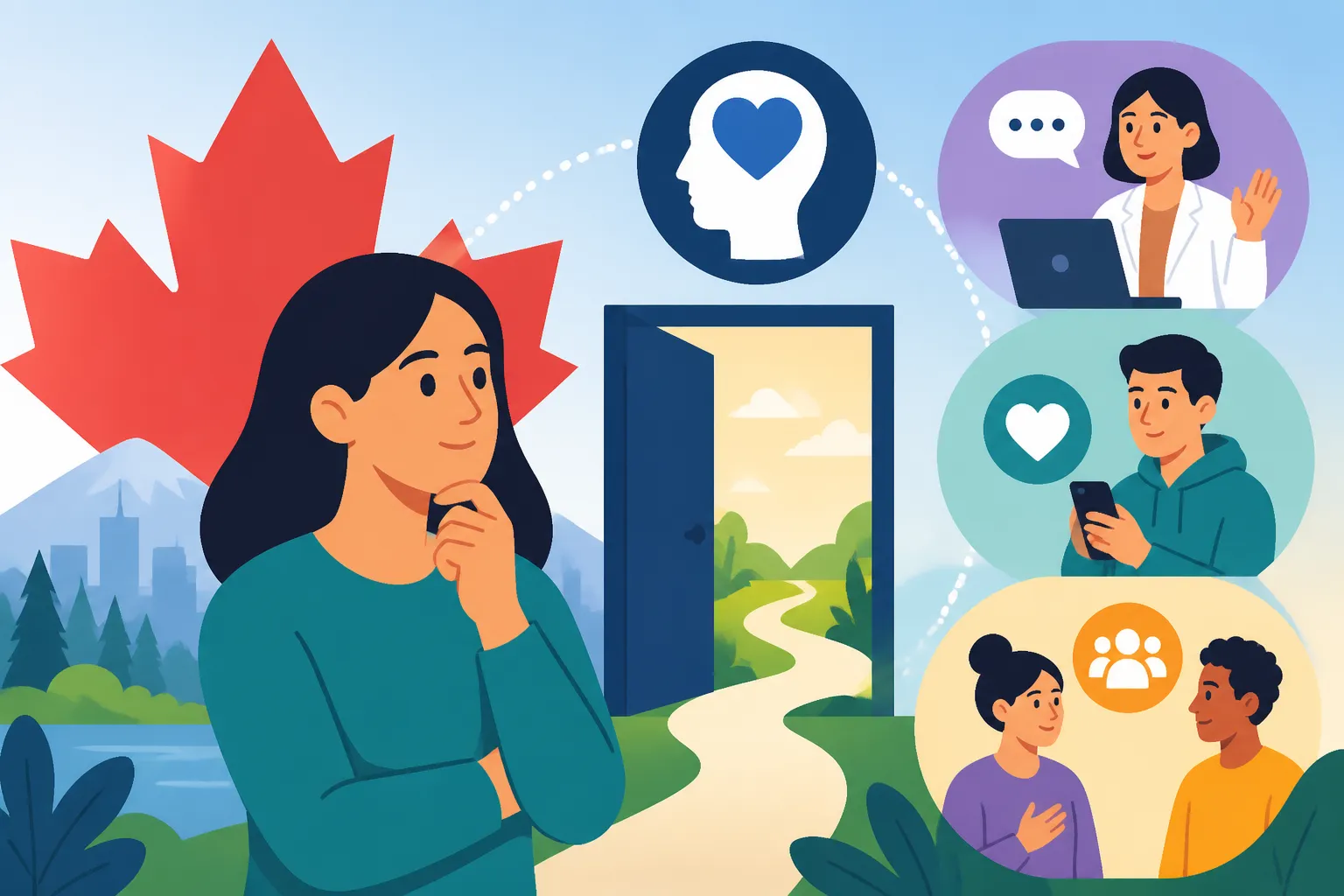
The landscape of healthcare, including mental health, has rapidly expanded into the virtual realm. Many provinces now offer virtual walk-in clinics or telehealth services where you can consult with a doctor or mental health professional online or over the phone. These can be particularly useful if you're in a remote area, have mobility issues, or are simply having difficulty finding an in-person appointment. Websites and apps like Maple, Telus Health MyCare, or Dialogue often provide access to these services. While some are publicly funded, others might require a subscription or be covered by private insurance. These options are growing and can be a fantastic way to get initial assessments or even ongoing therapy from the comfort of your home. To learn more about these innovations, consider checking out Understanding Telehealth and Virtual Care Options in Canada.
Exploring Private and Supplementary Options
While the public system offers foundational support, private and supplementary options often fill in the crucial gaps, especially for long-term therapeutic care.
Private Insurance
This is where most Canadians access ongoing therapy. If your employer provides a benefits package, it will likely include coverage for paramedical services such as psychologists, social workers (registered as psychotherapists), and licensed counselling therapists. These plans typically have an annual maximum amount of coverage (e.g., $1,000 to $2,000 per year) and might cover a percentage of the session cost (e.g., 80% or 100%). Companies like Manulife, Sun Life, and Great-West Life are common providers of these plans.
If you don't have employer benefits, you can purchase private health insurance on your own. This is particularly relevant if you're self-employed, a temporary worker, or still within your provincial health coverage waiting period. Companies like SafetyWing offer travel and medical insurance that can be a lifesaver during this initial period, covering unexpected medical needs, including emergency mental health support. Always check the specifics of any private plan to understand what mental health services are covered, what the deductibles are, and what the annual limits are. It's truly a game-changer for many newcomers. For a deeper dive, consider How to Buy Private Health Insurance as a Newcomer in Canada.
Employee Assistance Programs (EAPs)
Many employers, especially larger ones, offer Employee Assistance Programs (EAPs). These are confidential, short-term counselling services available to employees and often their immediate family members, completely free of charge. EAPs can help with a wide range of issues, including stress, anxiety, depression, relationship problems, and grief. They are usually delivered by third-party providers and offer a limited number of sessions (e.g., 3-6 sessions). It's a fantastic, underutilized resource for immediate support and often a great starting point if you're unsure where to turn. Your HR department can provide details on how to access your company's EAP.
Direct Access Private Practitioners
If you have the financial means, or robust private insurance, you can directly contact private psychologists, social workers, and psychotherapists. You don't need a referral from a doctor to see them, which offers a lot of flexibility and can speed up access to care. You can search for practitioners through professional associations like the Canadian Psychological Association, provincial regulatory bodies (e.g., College of Psychologists of Ontario, BC College of Social Workers), or online directories like Psychology Today Canada. When searching, you can often filter by specialization, language, and even cultural background, ensuring you find someone who is a good fit. Be aware that session fees for these professionals typically range from $120 to $250 per hour, so understanding your private insurance coverage is key.
Practical Steps for Newcomers Seeking Support
Embarking on the journey to find mental health support in a new country requires not just knowledge of the system, but also a proactive approach to potential barriers.
Overcoming Language and Cultural Barriers
Finding mental health support that truly resonates can be even harder when you're navigating language and cultural differences. Imagine trying to explain nuanced feelings and complex emotions to someone who doesn't quite grasp your cultural context or speaks a different first language. This can lead to feelings of isolation and misunderstanding, making therapy less effective.
Thankfully, Canada is a multicultural country, and there's a growing recognition of the importance of culturally sensitive and linguistically appropriate mental health care. When you're searching for a practitioner, actively look for therapists who share your linguistic background or have experience working with individuals from your culture. Many online directories allow you to filter by language. Settlement services for newcomers are also invaluable; they can often provide referrals to counsellors with diverse backgrounds or offer interpreters to accompany you to appointments. Don't hesitate to ask for these services – your comfort and understanding are paramount to effective treatment. Remember, feeling understood is half the battle won when dealing with mental health challenges. For general settlement support, articles like The Complete Guide to Moving to Canada: Your First 90 Days (2027) can also be very helpful.
Managing Costs and Insurance
Let's be frank: the cost of mental health care in Canada can be a significant barrier if you're relying solely on public coverage. As we've discussed, provincial plans generally cover psychiatrists (with a referral) and some community services, but not private therapy. This means understanding and leveraging private insurance is absolutely critical for most newcomers.
If you have employer benefits, familiarize yourself with your plan's details: what's your annual maximum for psychotherapy? Is there a co-pay (a fixed amount you pay per session) or a deductible (an amount you must pay before your insurance starts covering costs)? Are there specific types of practitioners (e.g., only psychologists, or also social workers and psychotherapists) that are covered? Keep track of your sessions and submit claims promptly.
For those without employer benefits, exploring options for private insurance is essential. During the provincial waiting period, a comprehensive plan from providers like SafetyWing can offer invaluable protection for unexpected mental health emergencies, alongside other medical needs. Beyond the waiting period, if you're self-employed or your employer doesn't offer benefits, purchasing supplementary health insurance that includes mental health coverage will be a key investment. While Canada is making strides with initiatives like the new Canada Dental Care Plan, robust federal mental health coverage isn't quite there yet, so private planning is crucial. Delving into How Much Does Private Health Insurance Cost in Canada in 2026? can give you a clearer idea of potential expenses.
| Service Type | Covered by Provincial Plan | Covered by Private Insurance/EAP | Cost (Out-of-Pocket) | Access Method | Typical Professionals |
|---|---|---|---|---|---|
| Family Doctor Visit | Yes | Yes (if no provincial coverage) | Free with provincial card | Walk-in clinic, booking an appointment | GP/Family Doctor |
| Psychiatrist Consult | Yes (with referral) | Yes (with referral) | Free with provincial card | Referral from GP | Psychiatrist |
| Psychologist Session | Rarely | Often | $120 – $250/hour | Direct booking, GP referral (not always required) | Psychologist |
| Social Worker/Therapist | Rarely (some community programs) | Often | $100 – $200/hour | Direct booking, community centres | Social Worker, Psychotherapist |
| Crisis Services | Yes | Some emergency travel plans | Free | Crisis lines, hospital ER | Crisis Counsellor, ER Doctor |
| Group Therapy | Sometimes (community) | Sometimes | Varies, often free/low-cost | Community centres, private clinics | Various professionals |
Building a Support Network and Self-Care
Beyond professional help, having a strong personal support network and practicing self-care are absolutely vital for maintaining mental well-being as a newcomer. The isolation that can come with moving to a new country, away from your established friends and family, is a real and often underestimated contributor to mental health struggles.
Actively seek out opportunities to connect with others. Join community groups, take up a new hobby, volunteer, or attend newcomer events. Many organizations exist specifically to help expats integrate and build connections. Online forums and social media groups for newcomers in your city can also be great places to find like-minded individuals who understand what you're going through. Building these connections isn't just about making friends; it's about creating a safety net and a sense of belonging that can significantly boost your resilience.
Finally, don't underestimate the power of self-care. Moving is stressful, even when it's exciting. Prioritize sleep, healthy eating, and physical activity. Take time to explore your new surroundings, engage in activities you enjoy, and allow yourself to feel and process the emotions that come with such a massive life change. It's okay to have bad days. Be kind to yourself, and remember that seeking help is a sign of strength, not weakness. Canada has resources to support you, and with a bit of navigation, you can find the care you need to thrive.
Disclaimer
The information provided in this article is intended for general guidance only and does not constitute professional medical, legal, or financial advice. Healthcare policies, costs, and availability of services in Canada can change and vary significantly by province and individual circumstances. Always consult with qualified professionals for advice tailored to your specific situation.