What Is Covered by Provincial Health Plans in Canada?
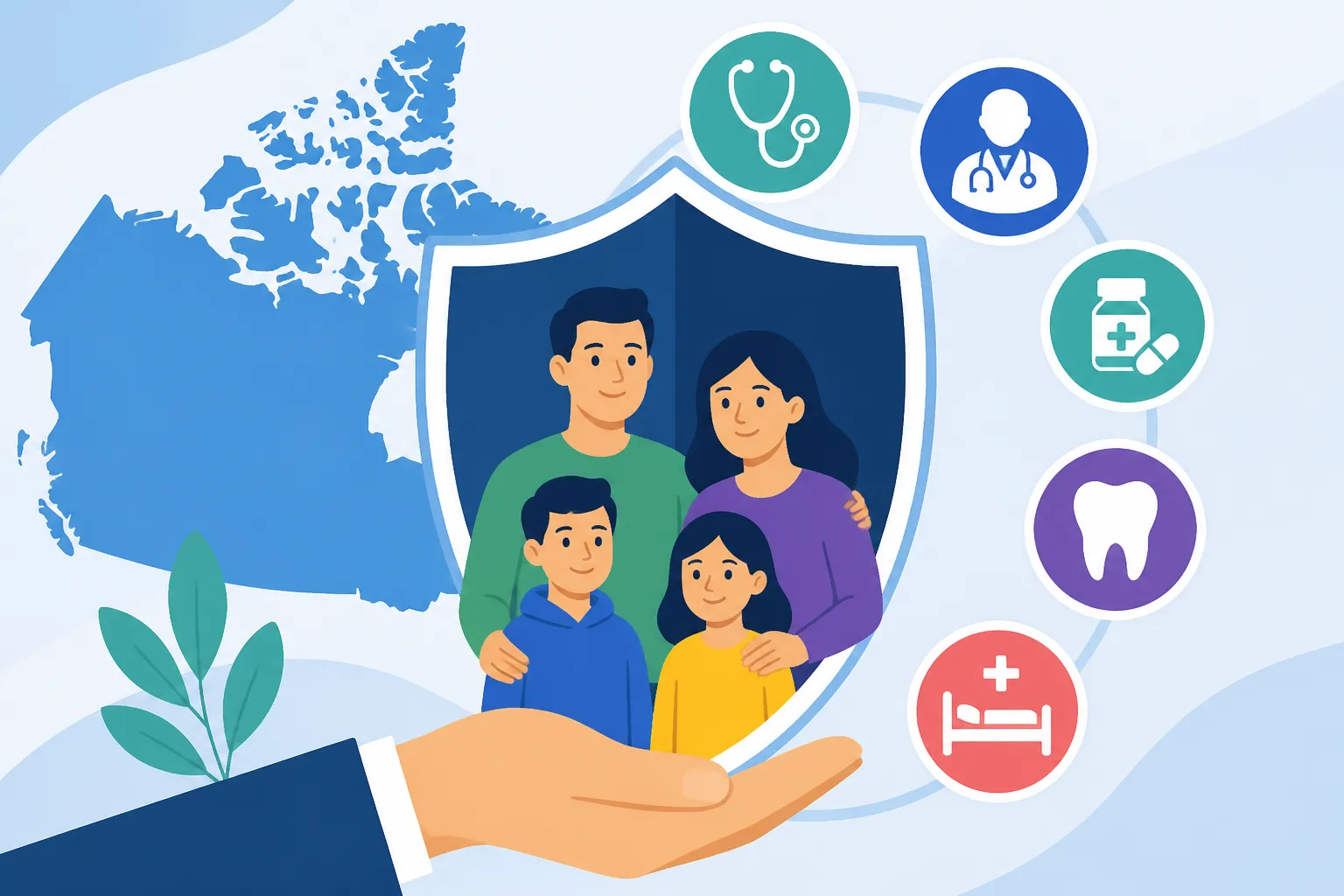
Moving to Canada, you've probably heard glowing tales about its universal healthcare system, and while it's true that residents enjoy incredible benefits, the reality can often feel a bit like peeling an onion – layers upon layers of nuance that weren't immediately obvious. Many newcomers arrive expecting everything to be "free" and are quickly surprised by what's actually covered and, more importantly, what isn't. This guide will meticulously break down the core components of provincial health plans across Canada, detailing what you can expect your government health insurance to cover, and highlighting those often-missed gaps you'll want to plan for.
The Core Foundations: What Provincial Health Plans Generally Cover
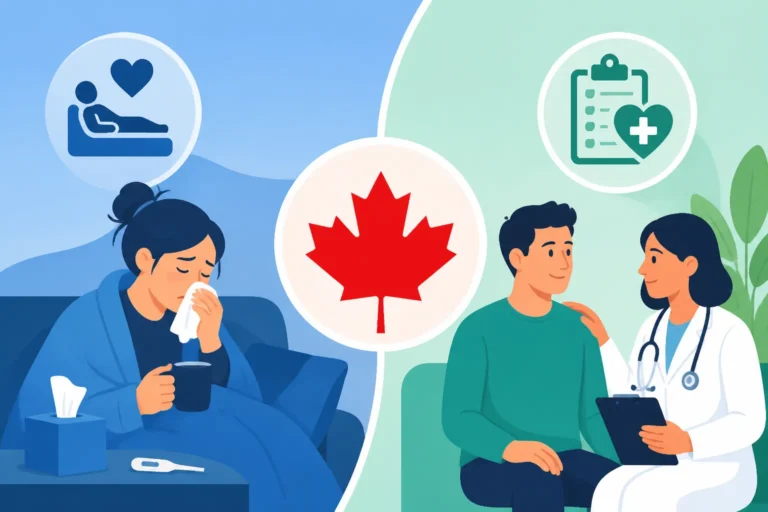
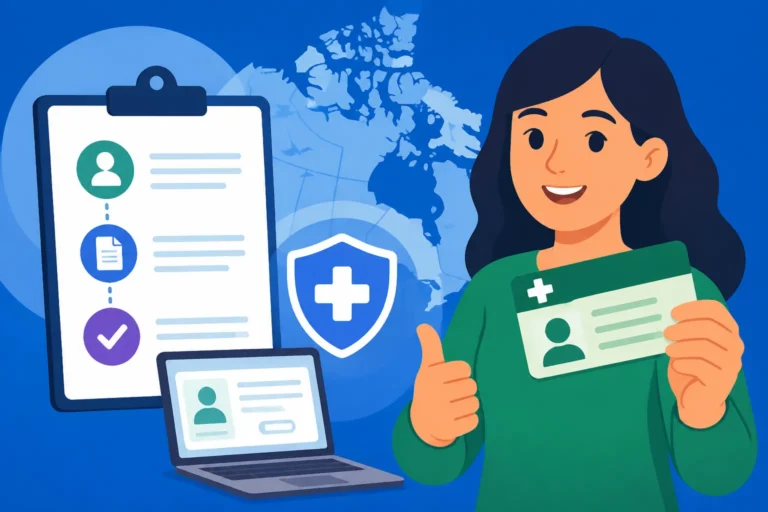
When you eventually get your provincial health card – be it an OHIP card in Ontario, an MSP card in British Columbia, or a RAMQ card in Quebec – you gain access to what's often referred to as Canada's "free" healthcare. But let's clarify that term. It's not free in the sense that no one pays for it; it's publicly funded through taxes, meaning you don't typically pay out-of-pocket for insured services at the point of care. The backbone of this coverage revolves around essential medical services, ensuring that fundamental health needs are met without direct financial burden on the patient.
Essential Physician Services
One of the greatest benefits of provincial health plans is the coverage for essential physician services. This means that when you visit a family doctor, whether it's your regular general practitioner or a physician at a walk-in clinic, the costs for that consultation are covered by your provincial plan. You simply present your health card, and the doctor bills the provincial government directly. This also extends to visits with specialists, provided you have a referral from a family doctor. If you're wondering How Specialist Referrals Work in the Canadian Health System, it's a critical piece of the puzzle to understand.
This coverage is a huge relief for many, as it removes the financial barrier to seeing a doctor for common ailments, check-ups, or ongoing medical conditions. Imagine developing a sudden fever or needing an annual check-up – you can walk into a clinic or book an appointment with your family doctor without worrying about a bill hitting your mailbox. However, it's important to differentiate this from cosmetic procedures or services not deemed medically necessary, which typically fall outside the scope of provincial coverage. For example, if you decide you want elective plastic surgery, that's almost certainly coming straight out of your pocket.
Hospital Stays and Most Procedures
Should you ever need to be admitted to a hospital, your provincial health plan will cover the vast majority of costs associated with your stay. This includes the hospital room itself (typically a standard ward room), nursing care, diagnostic tests like X-rays, MRI scans, and blood work, as well as the fees for the attending physicians and surgeons. From a broken bone requiring surgery to a serious illness necessitating intensive care, the core services provided within a hospital setting are generally insured. This is a massive safety net, preventing individuals from facing ruinous medical debt due to unforeseen emergencies or chronic conditions.
However, it's crucial to understand the nuances. While the medical aspects of a hospital stay are covered, certain amenities or upgrades might not be. For instance, if you request a private or semi-private room for comfort rather than medical necessity, you'll likely be billed for the difference. Similarly, services like private duty nursing or some specialized therapies might not be fully covered. For newcomers, Understanding Hospital Visits and Billing for Newcomers in Canada can help demystify what to expect during an inpatient stay. The idea is that medically essential care is covered, but anything beyond that is a patient responsibility.
Diagnostic Tests and Lab Services
Modern medicine relies heavily on accurate diagnostics, and thankfully, provincial health plans typically cover a comprehensive range of these services. This includes laboratory tests (like blood tests, urine analysis), X-rays, ultrasounds, CT scans, and MRIs, when ordered by a doctor and deemed medically necessary. These services are often performed in hospitals or accredited private labs and clinics, and you won't usually receive a bill for them directly.
For example, if your doctor suspects a certain condition and orders a series of blood tests, you can go to a provincial lab (like LifeLabs or Dynacare in some regions, though they bill the province, not you) and have them done without charge. The results are then sent back to your doctor. This seamless integration of diagnostic services is vital for timely and effective medical treatment, allowing doctors to accurately diagnose conditions and monitor patient health without imposing financial barriers. It's truly one of the great strengths of the Canadian system.
The Gaps You Need to Know: What's Often Not Covered
While the provincial health plans provide excellent coverage for essential services, many newcomers are surprised to learn about the significant gaps that exist. These are the areas where you'll either need supplementary private insurance, rely on employer benefits, or pay entirely out-of-pocket. Ignoring these can lead to unexpected and substantial expenses.
Prescription Medications: A Patchwork of Coverage
This is perhaps one of the most confusing areas, as prescription drug coverage varies significantly by province and often depends on your age, income, and medical condition. Unlike doctor visits or hospital stays, which are almost universally covered, prescription medications are not consistently included across all provincial health plans for the general population. For a deep dive into this, you might want to read Prescription Medications and Pharmacies in Canada: The Complete Guide.
- Provincial Variations: Some provinces, like Ontario (through OHIP+ for those under 25 and over 65, or Trillium Drug Program for high drug costs relative to income), have programs that cover certain medications for specific demographics or income levels. Others, like Quebec, mandate that all residents have some form of drug insurance, either through an employer or a public plan administered by RAMQ. British Columbia has its PharmaCare program, which requires residents to register and contributes towards costs based on income. The federal government also recently introduced the Canadian Dental Care Plan (CDCP), which, while primarily dental, has implications for some oral health prescriptions.
- Out-of-Pocket Reality: For many working-age adults without an employer benefits plan or a specific medical condition covered by a provincial program, the cost of prescription medications can be entirely out-of-pocket. Imagine you're new to Toronto, get sick, and the doctor prescribes a common antibiotic. Without private insurance or fitting a specific provincial program, that prescription could easily cost you $20-$50, or even hundreds for chronic conditions. This is a common source of frustration for newcomers who expect drug costs to be covered under "universal" healthcare.
Dental and Vision Care: Primarily Private Domain
Unless you have a specific medical condition that affects your eyes or teeth (e.g., eye injury requiring surgery, wisdom tooth extraction that's medically necessary and performed in a hospital), routine dental and vision care are generally not covered by provincial health plans. This means that regular check-ups, fillings, cleanings, braces, eyeglasses, and contact lenses are services you'll typically pay for yourself or through private insurance. For more on this, check out Understanding Dental Care Costs and the Canadian Dental Care Plan.
- Dental Care: Routine visits to the dentist for cleanings, fillings, root canals, and cosmetic work are entirely out-of-pocket for most Canadians. There are some exceptions for children or low-income adults through specific provincial programs, or the new Canadian Dental Care Plan (CDCP) which started rolling out in 2023 for eligible residents, but for the general population, it's a private expense. If you crack a tooth and need an emergency repair, be prepared to pay for it unless you have private coverage.
- Vision Care: Similarly, regular eye exams for adults are often not covered by provincial plans (though they usually are for children and seniors). The cost of eyeglasses, contact lenses, and elective laser eye surgery is always out-of-pocket. This can be a significant expense, especially if you or your family members require prescription eyewear regularly.
Ambulance Services and Paramedic Fees
Here's another one that often catches newcomers by surprise: ambulance rides are generally not fully covered by provincial health plans. If you call 911 and an ambulance transports you to the hospital, you will almost certainly receive a bill. The exact fee varies by province and whether the ride was deemed "medically necessary" (i.e., you were actually admitted to the hospital).
- Varying Fees: In Ontario, for example, a medically necessary ambulance ride can cost around $45, but if it's deemed unnecessary (e.g., you were discharged from the ER without admission), the bill could be upwards of $240. In British Columbia, the fee can be around $80 for medically necessary transport. These fees are significantly reduced if you have supplementary private insurance, but without it, it's a direct expense.
- Emergency Care is Covered, Transport is Not: It's important to differentiate: the emergency care you receive at the hospital is covered, but the transportation to get there is not always. Always use 911 for genuine emergencies, but be aware of the potential cost.
Allied Health Services and Mental Health Professionals
Many important health services provided by allied health professionals are also generally not covered by provincial plans. This includes things like:
- Physiotherapy and Chiropractic Care: Unless you're recovering from a very specific type of injury or surgery and it's provided in a hospital setting, or you fall under certain age categories or income thresholds in some provinces, most physiotherapy, chiropractic, osteopathy, and massage therapy sessions are not covered.
- Mental Health Professionals: While visits to a psychiatrist (a medical doctor) are covered, sessions with psychologists, counsellors, or psychotherapists (non-MDs) are typically not. With growing awareness of mental health, this can be a major gap for those seeking therapy. If you want to know How to Access Mental Health Services in Canada as a Newcomer, you'll quickly realize how much depends on private options.
- Acupuncture, Naturopathy, etc.: Complementary and alternative medicine services are almost universally excluded from provincial coverage.
Navigating the Waiting Period and Supplementary Coverage
Now that we've laid out the basics and the common gaps, let's talk about how to deal with the waiting period and how to fill those coverage holes. This is where private health insurance becomes absolutely critical for many newcomers.
The Newcomer Waiting Period
One of the most important things to know is that provincial health coverage doesn't typically kick in the moment you land in Canada. Most provinces have a waiting period, which can be up to three months, before you become eligible for your health card. During this time, you are fully responsible for any medical costs, which can be astronomical in an emergency. Understanding The Newcomer Waiting Period for Provincial Health Coverage in Canada (2027) is not just advisable, it's absolutely essential for your financial and physical well-being.
- Protecting Yourself: This waiting period is a high-risk time. A simple appendicitis or a bad fall could lead to tens of thousands of dollars in hospital bills. This is precisely why obtaining private health insurance for this initial period is non-negotiable. Companies like SafetyWing offer travel and medical insurance plans that can cover you during this vulnerable window, providing peace of mind as you settle into your new life. Without it, you are truly playing with fire.
- Planning Ahead: It's wise to research and purchase this temporary private coverage before you even arrive in Canada. Many insurance providers specialize in plans for new immigrants and visitors, ensuring you're protected from day one. Look into options that cover emergency medical treatment, hospital stays, and potentially even some prescription drugs during your waiting period.
Employer Benefits: A Common Lifeline
For many working Canadians, employer-sponsored benefits plans are the primary way they cover the gaps left by provincial health insurance. These plans are often part of your employment package and can be quite comprehensive.
- What They Typically Cover: Employer plans frequently cover a significant portion of prescription drug costs, dental care (cleanings, fillings, some major procedures), vision care (eye exams, glasses/contacts), and a limited number of sessions for allied health services like physiotherapy, chiropractic care, and mental health professionals (psychologists, counsellors). They might also cover extended hospital stays (private/semi-private rooms) and a portion of ambulance fees.
- Navigating Your Plan: If you land a job in Canada, familiarize yourself with your employer's benefits package immediately. There's often a booklet or an online portal explaining what's covered, the annual limits, and how to submit claims. Sometimes there's a deductible or co-payment, meaning you pay a small portion, and the insurance covers the rest. This is a crucial benefit, and understanding How to Use Private Health Insurance and Employer Benefits in Canada will save you a lot of headaches and money.
Private Health Insurance for the Self-Employed or Unemployed
If you're self-employed, working a contract that doesn't offer benefits, or simply haven't secured a job yet, employer benefits won't be an option. In these scenarios, purchasing individual private health insurance is your best bet to cover the gaps.
- Tailored Plans: Many insurance companies in Canada (such as Manulife, Sun Life, or Canada Life) offer individual health and dental plans. These plans vary widely in terms of coverage, deductibles, and premiums. You can often customize them to include specific benefits like extended drug coverage, dental, vision, or paramedical services.
- Cost vs. Risk: The cost of these plans can range from less than $100 to several hundred dollars per month, depending on the breadth of coverage and the number of family members included. While it's an added expense, consider it an investment against potentially huge out-of-pocket costs. For instance, if you're a digital nomad or freelancer coming to Canada, a flexible plan like those offered by SafetyWing could be a good bridge, especially if you're not planning on staying permanently or if your work status changes frequently. It's about weighing the monthly premium against the financial risk of unexpected medical bills. For example, if you need ongoing physiotherapy for an old injury, or wear glasses, a private plan could quickly pay for itself.
Provincial Health Coverage at a Glance
To make things a little clearer, here's a simplified overview of what's generally covered and often not covered by provincial health plans. Remember, there are always nuances and exceptions, so it's essential to check your specific provincial plan details.
| Service/Category | Generally Covered by Provincial Plan | Often NOT Covered / Limited by Provincial Plan |
|---|---|---|
| Physician Visits (GP & Specialist) | Yes | Cosmetic procedures, unreferred specialists |
| Hospital Stays | Yes (standard ward) | Private/semi-private rooms (if not medically necessary) |
| Diagnostic Tests (X-rays, MRIs) | Yes (medically necessary) | Elective scans |
| Prescription Medications | Limited (age/income/condition-based) | Most general prescriptions for adults |
| Dental Care | No (exceptions for children/ER) | Routine cleanings, fillings, orthodontics |
| Vision Care | Limited (children/seniors eye exams) | Adult eye exams, eyeglasses, contacts, laser surgery |
| Ambulance Services | Partial coverage (user fees apply) | Full cost of transport, especially if not admitted |
| Physiotherapy, Chiropractic | Limited (hospital-based, specific conditions) | Most private clinic visits |
| Mental Health (Psychologist/Counsellor) | Psychiatrists (MDs) only | Psychologists, social workers, private therapists |
This table highlights the areas where you'll most likely face out-of-pocket expenses or need to rely on supplementary insurance.
Conclusion: Plan Ahead to Avoid Surprises
Understanding What Provincial Health Plans Do and Don't Cover in Canada is a fundamental step for any newcomer. While Canada's healthcare system is robust for critical and essential services, it's far from comprehensive for everything else. The "free" aspect primarily applies to doctor visits, hospital stays, and medically necessary diagnostics.
The key takeaway here is to plan ahead. If you're coming to Canada, secure private health insurance to cover the waiting period. Once you've settled, assess your needs and your employment benefits. If you don't have employer benefits, seriously consider purchasing an individual private health and dental plan. Don't wait until you have a toothache, need new glasses, or get a hefty bill for an ambulance ride to realize these gaps exist. Being proactive about your health coverage will not only save you money but also reduce a significant amount of stress as you build your new life in Canada.
Disclaimer
The information provided in this guide is intended for general informational purposes only and does not constitute medical, legal, or financial advice. Healthcare policies and eligibility criteria can vary significantly by province and may change. Newcomers should always consult with the official government websites of their specific province or territory for the most accurate and up-to-date information regarding health coverage. It is also highly recommended to seek personalized advice from qualified professionals, such as insurance brokers or financial advisors, to determine the best healthcare coverage options for your individual circumstances.