Where Is the Nearest Walk-In Clinic in Toronto?
Alright, let's talk about finding medical help when you're feeling under the weather or have a minor injury in Toronto, especially when you don't yet have a family doctor. It's a common stressor for newcomers, I know, because navigating a new healthcare system can feel like learning a whole new language. You're feeling vulnerable, maybe a bit lost, and just want to know where to go. This guide is all about cutting through that confusion, helping you understand where to find a walk-in clinic in Toronto, what to expect when you get there, and how to make the most of this vital service.
The Toronto Walk-In Clinic Landscape: A Newcomer's Reality Check
First off, let's just acknowledge something: finding a family doctor in Canada, and particularly in a bustling city like Toronto, can be incredibly challenging. It's not uncommon for new residents to wait months, even years, to secure a spot with a family physician. This isn't a reflection of you or your efforts; it's just the current reality of our healthcare system. That's why walk-in clinics become an absolute lifesaver for so many of us. They fill a crucial gap, offering immediate care for non-emergency issues when your own doctor isn't available, or when you simply don't have one yet.
Walk-in clinics, sometimes called urgent care centres (though true urgent care centres are a step above and often hospital-affiliated), are designed for episodic care. Think of them as your go-to for acute, non-life-threatening conditions that need attention relatively soon, but don't warrant an emergency room visit. They can address things like colds, flu, minor infections, sprains, or sudden skin rashes. They are not meant for chronic disease management, complex diagnostic work-ups, or ongoing mental health support, which is typically the domain of a family doctor. Understanding this distinction is key to managing your expectations and getting the right care.
For newcomers, especially those still in The Newcomer Waiting Period for Provincial Health Coverage in Canada (2027) for their provincial health insurance (OHIP in Ontario), walk-in clinics are often the only readily available option outside of a hospital emergency room. This waiting period, usually around three months for most provinces, can feel incredibly long and anxiety-inducing when you need medical attention. During this time, you'll be responsible for the full cost of your visit, unless you have private health insurance to cover the waiting period. Many newcomers wisely invest in temporary private insurance plans from providers like SafetyWing to bridge this gap, ensuring they're not left with hefty bills for unexpected visits.
Types of Walk-In Clinics You'll Encounter
Toronto has a diverse array of walk-in clinics, and understanding their subtle differences can help you choose the right one.
Standalone Medical Clinics
These are the most common type you'll find. They operate independently, often with a roster of rotating doctors. They might be nestled in a strip mall, a commercial building, or in a medical centre alongside other health services like physiotherapy or labs. These clinics are generally first-come, first-served, and wait times can vary dramatically depending on the time of day, day of the week, and the season (flu season, anyone?). You might walk into a surprisingly empty waiting room or find yourself queuing for hours. It’s always a good idea to call ahead or check their website for approximate wait times if they offer that service.
Pharmacy-Affiliated Clinics
Many pharmacies, especially larger chains, have integrated walk-in clinics. These can be incredibly convenient, as you can often get your prescription filled right after your appointment. Pharmacies like Shoppers Drug Mart or Rexall frequently host these types of clinics. The doctors at these locations can assess, diagnose, and prescribe for a range of common ailments. They offer the added benefit of easy access to over-the-counter medications and pharmacist advice immediately after your consultation. This integrated approach often streamlines your healthcare journey, which can be a huge relief when you're feeling unwell.
Virtual Care Options
While not a physical walk-in clinic, virtual care has become an increasingly popular and accessible option in Canada, especially for less urgent concerns. Services like Telus Health MyCare or Rocket Doctor allow you to consult with a doctor via phone or video call. For simple issues like prescription refills, minor infections, or general health advice, these platforms can save you a trip and a long wait. If your issue requires a physical examination, the doctor may still advise you to visit a walk-in clinic or an emergency room. Many provinces now cover virtual care services under their provincial health plans, including OHIP, making them a cost-effective and convenient choice for those with coverage.
How to Actually Find a Walk-In Clinic Near You in Toronto
Okay, enough theory. You need to know how to find one, now. This is where a bit of strategic searching and local knowledge comes in handy. Toronto is a huge city, and clinic availability can vary significantly by neighbourhood.
Utilizing Online Directories and Tools
Forget wandering aimlessly. The internet is your best friend here. Several online platforms are specifically designed to help you locate walk-in clinics and even provide estimated wait times.
Medimap.ca and Other Provincial Resources
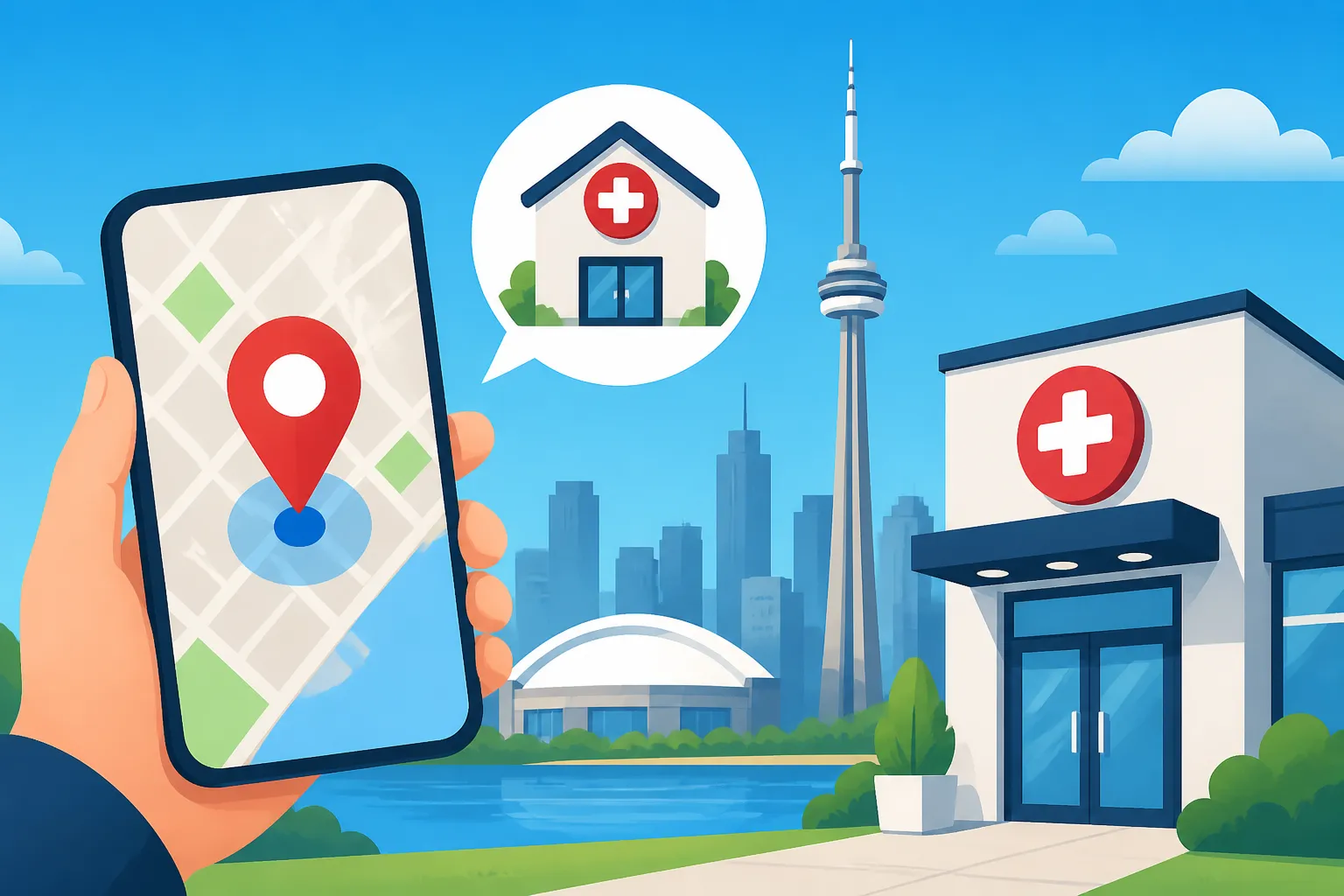
Medimap.ca is arguably the most comprehensive and user-friendly tool for finding walk-in clinics across Canada, including Toronto. You simply input your location, and it shows you nearby clinics, their hours, and, crucially, often gives you an estimated wait time. This can save you from driving all over the city only to find a packed waiting room. The Ontario government also provides health service directories on their official website (Ontario.ca) that can list primary care providers and clinics. These resources are updated regularly, making them reliable starting points for your search. Using these tools to plan your visit can drastically reduce the stress and uncertainty involved in getting care.
Google Maps and Local Search
Don't underestimate the power of a simple Google Maps search. Type "walk-in clinic near me" into Google, and it will pull up a list of clinics, their addresses, phone numbers, and often reviews. While Google Maps might not always have real-time wait times, it's excellent for identifying clinics in your immediate vicinity. Always double-check the clinic's own website or call them directly to confirm hours and services before heading out. Sometimes, specific clinics will have their own online booking or queue management systems, which can be linked from their Google Maps listing.
Asking Local Friends and Neighbours
Word of mouth is golden in a city like Toronto. If you have friends, colleagues, or even friendly neighbours who have been living in the city for a while, ask them for recommendations. They might know about a gem of a clinic with shorter wait times, or a particularly empathetic doctor. Local community groups on social media (Facebook, Reddit) for expats or specific Toronto neighbourhoods can also be great places to get up-to-date advice and personal experiences. For instance, newcomers in North York might recommend a different clinic than someone living downtown or in Scarborough.
Important Considerations When Choosing a Clinic
Finding a clinic is one thing; choosing the right one for your needs requires a bit more thought.
Proximity and Accessibility
Consider how you'll get there. Is it on a major transit route if you don't have a car? Is there ample parking if you do? If you're feeling really unwell, the last thing you want is a complicated commute. For those relying on public transit, clinics located near major subway stations or bus hubs (like those along Yonge Street or close to large shopping centres) might be more convenient. Check the clinic's address and plot your route before you leave.
Hours of Operation
Many clinics operate standard business hours, but some offer extended evening or weekend hours. If you work a typical 9-to-5 job, finding a clinic that's open later or on a Saturday or Sunday can be a huge relief. Always check their specific hours, as these can change, especially around holidays. Some clinics might also close their doors to new patients earlier than their advertised closing time if they have reached capacity for the day.
Services Offered
While most walk-in clinics cover general acute care, some might specialize or offer additional services like X-rays on site, minor procedures, or specific vaccinations. If you have a particular need, it's worth checking their website or calling ahead. For example, some clinics might have a lab facility next door for immediate blood tests, which can save you a separate trip. Knowing what Understanding What Provincial Health Plans Do and Don't Cover in Canada can also guide your choices.
What to Expect at a Toronto Walk-In Clinic
So, you've found a clinic. Now what? Knowing the process can help reduce anxiety when you arrive.
The Check-In Process and Waiting Game
When you arrive, you'll first be greeted by administrative staff. They will ask for your provincial health card (if you have one, like OHIP in Ontario) or your private insurance information. If you're new to Canada and haven't yet received your OHIP card, or you're a visitor, you'll need to inform them that you'll be paying out-of-pocket. This is where having private travel or newcomer insurance, like SafetyWing, can be invaluable. Even if you have your OHIP card, still have another piece of government-issued ID ready, just in case. They'll also ask for your symptoms and a brief medical history.
Once checked in, you'll enter the waiting room. And yes, there will likely be a wait. Canadian walk-in clinics are known for their wait times, which can range from under an hour to several hours, especially during peak times (evenings, weekends, flu season). Bring a book, fully charge your phone, or mentally prepare for a bit of a marathon. The clinic prioritizes patients based on the severity of their condition, not strictly on arrival time, so someone who comes in after you might be seen sooner if their need is more urgent.
Common Services and Cost Considerations
Walk-in clinics are equipped to handle a wide range of non-emergency medical issues. This includes diagnosing and treating common infections (urinary tract infections, strep throat), prescribing antibiotics, managing minor injuries (cuts, sprains), renewing prescriptions for non-narcotic medications (if appropriate), and providing basic screenings. They can also issue doctor's notes for work or school if needed.
Here’s a breakdown of cost considerations:
| Scenario | Coverage Type | What to Expect |
|---|---|---|
| With OHIP (Ontario Health Insurance Plan) | Provincial Health Insurance | Most services, including the doctor's visit, will be covered. You shouldn't receive a bill for the consultation itself. |
| Without OHIP (e.g., waiting period, visitor) | Out-of-Pocket / Private Insurance | You will be charged directly for the visit. Fees can range from $80-$200 or more for a basic consultation, depending on the complexity of your issue and the clinic. Always ask for an itemized receipt to submit to your private insurer. |
| Supplementary Services | Not Covered by OHIP / Private Insurance Required | Services like certain vaccinations, specialized tests not deemed medically necessary, or specific medical supplies might not be covered by OHIP. You'll pay out-of-pocket or use private supplementary insurance (dental, vision, etc.). |
For those without provincial health coverage, understanding the cost of healthcare in Canada is vital. A basic doctor's visit without coverage can range significantly. If you have private insurance from providers like SafetyWing, ensure you understand their claims process and what documentation they require. Always keep detailed receipts and any medical reports you receive. This also applies to any prescription medications; these are generally not covered by provincial plans and will be an out-of-pocket expense unless you have private drug coverage.
Navigating the System Without a Family Doctor
Living in Toronto without a family doctor can feel a bit unsettling, but with a strategy, you can still manage your health effectively. Walk-in clinics are a stop-gap, not a permanent solution, but they are crucial for immediate needs.
What Walk-In Clinics Can't Do (And When to Go to the ER)
It’s important to reiterate that walk-in clinics are not emergency rooms. If you are experiencing a true medical emergency – chest pain, severe difficulty breathing, sudden weakness or paralysis, uncontrolled bleeding, severe head injury, or anything that feels life-threatening – you must go to the nearest hospital emergency department or call 911 immediately. Emergency Medical Care in Canada: What Every Newcomer Needs to Know outlines these scenarios clearly. Waiting for a walk-in clinic in such cases could be dangerous.
Walk-in clinics also typically won't manage chronic conditions, perform extensive diagnostic tests (though they can order some), or provide long-term mental health counselling. For these types of ongoing care, a family doctor is truly indispensable. They maintain your medical history, coordinate specialist referrals, and provide continuity of care, which is vital for holistic health management. If you need a referral to a specialist, a walk-in doctor can sometimes provide one, but follow-up on that referral will be much smoother with a family physician.
Tips for Follow-Up and Finding a Family Doctor
Even when you visit a walk-in clinic, you can be proactive about your health and eventually find a family doctor.
Requesting Medical Records
After your visit, don't hesitate to ask the clinic for a copy of your visit summary or medical notes. This is especially important if you're managing an ongoing issue or if the doctor orders tests. Keeping your own records, even if rudimentary, helps ensure continuity of care when you see different doctors at various clinics, or eventually, when you secure a family doctor. This empowers you to be an informed participant in your own healthcare journey.
Actively Searching for a Family Doctor
While using walk-in clinics, you should actively be looking for a family doctor. Services like Health Care Connect in Ontario can help you find a family doctor or nurse practitioner who is accepting new patients. You can register online or by phone, and they will connect you with available practitioners in your area. This process can take time, but it’s an essential step for long-term health management. Also, ask at the walk-in clinics you visit; sometimes, doctors there might be accepting new patients for their family practice, or the clinic itself might have a family doctor program. For more detailed advice, check out How to Find and Register with a Family Doctor in Canada.
Leveraging Private Health Insurance for Broader Access
If you have private health insurance, either employer-provided or one you've purchased yourself (like some comprehensive plans that cover the initial waiting period, such as those offered by SafetyWing, or supplementary plans), understand what it covers. These plans often include benefits for specialists, allied health services (like physiotherapy or massage therapy), and prescription drugs that are not typically covered by OHIP. Knowing your benefits allows you to access a wider range of healthcare services and can reduce out-of-pocket expenses. Private insurance can also sometimes provide access to private clinics or services that may have shorter wait times or more specialized care, though these options are limited in Canada's largely public system. For those considering options, looking into How Much Does Private Health Insurance Cost in Canada in 2026? might be a good starting point.
Remember, the Canadian healthcare system is designed to provide care to everyone, but accessing it effectively, especially as a newcomer, requires a bit of knowledge and persistence. Don't be afraid to ask questions, advocate for yourself, and use all the resources available to you.
Disclaimer
The information provided in this guide is intended for general informational purposes only and does not constitute medical advice. While every effort has been made to ensure accuracy, healthcare policies and services can change rapidly. Always consult with a qualified healthcare professional for any medical concerns or before making any decisions related to your health or treatment.