What Happens If I Get Sick During the Health Coverage Waiting Period in Canada?
Moving to a new country like Canada is an adventure, isn't it? Full of excitement, but also a fair share of worries, especially when it comes to something as fundamental as your health. One of the biggest anxieties I hear from fellow expats is what happens if you get sick right after arriving, before your provincial health coverage kicks in. It's a valid fear, and trust me, you're not alone in feeling it. This guide is here to walk you through exactly what you can expect if illness strikes during that critical waiting period, and crucially, how to safeguard yourself and your wallet.
Understanding the Provincial Health Coverage Waiting Period in Canada
Let's cut right to the chase: that three-month waiting period for provincial health coverage isn't just a rumour. It's a very real hurdle many newcomers face, and it can leave you feeling incredibly vulnerable.
The Reality of the Three-Month Wait
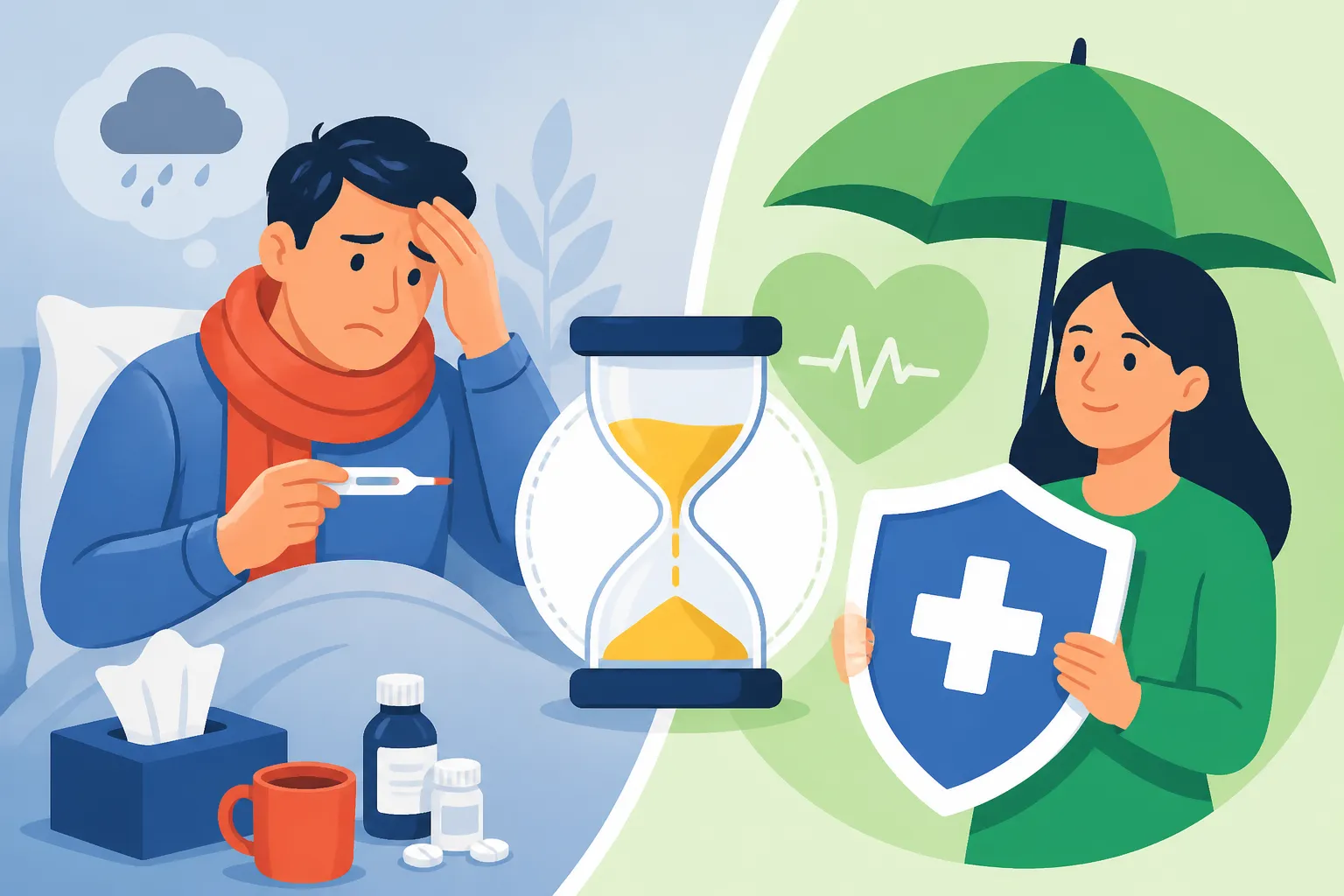
When you first arrive in Canada as a permanent resident or on certain types of work permits, you're not immediately covered by the public healthcare system. Most provinces, including Ontario with its OHIP and British Columbia with MSP, have an administrative waiting period. This period can be up to three months before you become eligible for your provincial health card. Imagine landing in a new city, trying to find your feet, and knowing that if you fall ill, you're essentially on your own financially. It's a heavy thought, and it's a reality that can catch many off guard if they haven't planned for it.
However, it's worth noting that this isn't uniform across the board. Some provinces, like Alberta with AHCIP, Saskatchewan (SIP), and Manitoba (MHC), generally provide immediate coverage for eligible permanent residents upon establishing residency. Quebec's RAMQ also has its own rules, often covering eligible individuals fairly quickly once registration is complete. Nova Scotia, New Brunswick, and Prince Edward Island typically have a waiting period of up to three months. Newfoundland and Labrador generally offers immediate coverage to eligible permanent residents. This variation between provinces is exactly why it’s so important to research the specifics of your chosen province – or better yet, assume there’s a wait and plan accordingly. For a more detailed breakdown, you might want to look at The Newcomer Waiting Period for Provincial Health Coverage in Canada (2027).
Who is Affected and Why It Matters
This waiting period primarily impacts new permanent residents, individuals on certain types of work permits (especially open work permits), and often their accompanying family members. International students usually have their own, often mandatory, health insurance plans arranged through their educational institutions, so they might be in a slightly different boat. The rationale behind this waiting period is largely administrative and to prevent "health tourism," ensuring that individuals are genuinely establishing residency before accessing the publicly funded system.
For you, as a newcomer, it matters because it creates a significant financial risk. A simple doctor's visit, a trip to the emergency room, or even a necessary prescription can quickly add up to hundreds, if not thousands, of dollars out of pocket if you don't have any coverage. It’s a harsh welcome to an otherwise fantastic healthcare system, and it's a period where being unprepared can lead to immense stress and debt. Understanding How Your Immigration Status Affects Health Coverage in Canada can help clarify your specific situation.
Navigating Sickness and Medical Emergencies Without Provincial Coverage
Okay, so you're in the waiting period and you feel a sniffle coming on, or worse, something more serious. What do you do? The good news is, you won't be turned away from care in Canada. The bad news is, it will cost you. And usually, it costs a lot.
Urgent Care and Walk-In Clinics: Your First Stop (and its Cost)
For non-life-threatening but urgent medical issues – think a nasty flu, a minor infection, a sprain, or persistent cough – a walk-in clinic is usually your best bet. These clinics are designed for exactly these kinds of situations when you can't get an appointment with a family doctor (which, let's be honest, you probably won't have yet anyway!). They operate on a first-come, first-served basis, and you'll see a general practitioner for immediate concerns.
However, without provincial health coverage, these visits are not free. You will be expected to pay upfront. The cost can vary significantly depending on the clinic and the complexity of your issue, but you should budget anywhere from $100 to $300 for a basic consultation. If they need to perform any tests, like a throat swab for strep or a basic blood test, those will be additional charges. It's a substantial amount, especially if you're just starting out, and that's why newcomers are advised to have a financial buffer or, better yet, private insurance. You can get a sense of what to expect by understanding How Much Does a Doctor Visit Cost in Canada Without Coverage?.
Emergency Room Visits: When It's Critical (and Costly)
If you find yourself in a genuine medical emergency – something life-threatening like severe chest pain, a major accident, uncontrolled bleeding, or difficulty breathing – do not hesitate. Go straight to the nearest hospital emergency room or call 911 immediately. In Canada, medical professionals will prioritize your well-being, regardless of your insurance status. They will treat you.
But let's be very clear: an emergency room visit without coverage is incredibly expensive. We're talking potentially thousands of dollars. Just the facility fee for walking through the door can be hundreds. Add in doctor's fees, diagnostic tests (X-rays, MRI scans), medications, and if you need to be admitted, hospital bed fees, and you could be looking at a bill that could financially devastate you. An ambulance ride alone can cost you anywhere from $45 to several hundred dollars, depending on the province and whether it's deemed medically necessary after transport. It's a scary thought, but it's the reality. This is why having comprehensive coverage during the waiting period isn't just a good idea, it's an absolute necessity. Remember, if it's truly life-threatening, don't worry about the cost – get help. But for anything less, try a walk-in clinic first. For critical situations, knowing What Is the Emergency Phone Number in Canada? is paramount. You might also want to consult Emergency Medical Care in Canada: What Every Newcomer Needs to Know for more information.
Prescription Medications and Pharmacy Services
Even once your provincial health coverage kicks in, most provincial plans don't fully cover prescription medications anyway, especially for adults who aren't seniors or on specific low-income programs. So, during the waiting period, you're definitely on the hook for 100% of the cost of any prescribed drugs.
Pharmacists in Canada are highly trained professionals, and they can provide a lot of advice for minor ailments, even without a prescription. However, for anything requiring a doctor's order, you'll pay the full price. Medication costs vary wildly. A course of antibiotics could be $20-$50, but specialized medications for chronic conditions could be hundreds, even thousands, per month. Always ask your doctor if there's a generic version available, as these are typically much cheaper than brand-name drugs. Make sure to understand Prescription Medications and Pharmacies in Canada: The Complete Guide before you need them.
Your Best Defence: Private Health Insurance During the Waiting Period
Honestly, if there's one piece of advice I can shout from the rooftops to every newcomer, it's this: get private health insurance for your initial waiting period. It's not an optional extra; it's a critical safety net that provides immense peace of mind.
Why Private Insurance is Non-Negotiable
Think of private health insurance during your waiting period as your personal financial bodyguard. Canada's public healthcare system is fantastic, but it's not immediate for everyone. That gap between your arrival and when your provincial card becomes active is a massive risk window. Even a minor accident or illness can lead to bills that quickly eat through your savings – savings you're going to need for settling in, finding a job, and furnishing your new home.
A good private plan bridges that gap perfectly. It means that if you do need to visit a doctor, go to a walk-in clinic, or God forbid, end up in the emergency room, you're not facing those astronomical costs alone. Instead, your insurance company steps in to cover eligible expenses. It's designed to give you peace of mind, knowing that you can access necessary medical care without fearing financial ruin. Don't underestimate this. Many newcomers overlook this step, only to regret it deeply when unexpected illness strikes. Seriously, check out How to Get Private Health Insurance to Cover the Waiting Period in Canada for a deeper dive.
Choosing the Right Private Plan for Newcomers
When it comes to choosing a private health insurance plan, you've got a few options, and it can feel a bit overwhelming. The key is to find a plan that specifically caters to newcomers or offers comprehensive travel medical insurance that covers your initial settlement period in Canada.
Look for plans that offer:
- High coverage limits: You want enough coverage to handle a serious emergency. Don't skimp here.
- Emergency medical benefits: This is the core of what you need – hospital stays, doctor visits, emergency surgeries, ambulance services.
- Prescription drug coverage: Even partial coverage helps immensely.
- Deductibles: Understand what you'll have to pay out of pocket before your insurance kicks in. A higher deductible usually means lower premiums, but more risk for you.
- Pre-existing conditions: This is crucial. Most plans have strict rules about pre-existing conditions. If you have any ongoing medical issues, make sure you understand if they will be covered.
Many newcomers, especially those who might work remotely or are in a transitional phase, find solutions like SafetyWing to be a great fit. SafetyWing offers travel medical insurance that can be particularly useful for digital nomads and new arrivals who need flexible, comprehensive coverage before they're eligible for provincial plans. It's often praised for its ease of use, ability to purchase it from anywhere, and its travel-like benefits, which can be a bonus if you plan to do some exploring in your initial months. Other providers also offer specific newcomer plans, often through brokers specializing in immigrant services. Do your homework! When you're ready to make a choice, this guide on How to Buy Private Health Insurance as a Newcomer in Canada will be a valuable resource.
Practical Steps for Using Private Insurance
Once you have your private insurance, understanding how to use it is key. This isn't like the public system where you just present a card and walk out.
Most private insurance plans, especially for this type of short-term coverage, operate on a "pay and claim" model. This means you will likely pay for your medical services upfront at the clinic or pharmacy, and then submit the receipts and necessary paperwork to your insurance provider for reimbursement.
Here's what you need to do:
- Read your policy carefully: Understand what's covered, what's excluded (especially concerning pre-existing conditions), your deductible, and the claims process.
- Keep all receipts and documentation: This includes doctor's notes, pharmacy receipts, lab results, and any paperwork from the clinic or hospital. You'll need these for your claim.
- Contact your insurer if it's a major event: For hospitalizations or significant medical procedures, it's often best to contact your insurance provider as soon as possible, ideally before or during the event, if feasible. They can guide you through the process and potentially arrange direct billing with the facility, although this is less common for newcomer waiting period policies.
- Submit claims promptly: Most insurers have a time limit for submitting claims. Don't delay!
For providers like SafetyWing, they typically have a straightforward online claims process. You'll log into your account, fill out a form, upload your documents, and they'll review it. This transparency and digital convenience can be a real plus when you're already juggling so much as a new arrival.
Proactive Steps and Resources for a Healthy Start
Beyond securing private insurance, there are other important steps you can take to make your health transition smoother and less stressful.
Before You Arrive: Health Checks and Medication
Preparation is your best friend when moving abroad. Before you even pack your bags, I highly recommend getting a comprehensive health check-up in your home country. Address any nagging concerns, refill any necessary prescriptions, and ensure you're up-to-date on routine vaccinations. If you have chronic conditions, talk to your doctor about preparing a detailed medical history and ensuring you have enough medication to last at least three to four months, along with copies of your prescriptions. This will save you the immediate hassle and cost of finding a doctor and getting new prescriptions upon arrival. Being proactive about vaccinations is also important; review What Vaccinations Do I Need Before Moving to Canada? to ensure you're covered.
Registering for Provincial Coverage ASAP
Even with a waiting period, it is absolutely crucial to apply for your provincial health card as soon as you are eligible and establish residency. The waiting period often begins from the date you establish residency in that province, not necessarily your arrival date in Canada. Establishing residency usually means living in the province, intending to make it your home, and showing documentation like a rental agreement or utility bill.
Don't procrastinate on this. Gather all the required documents – usually your immigration documents (Confirmation of Permanent Residence, work permit), proof of residency (lease agreement, utility bill), and sometimes proof of identity. Submit your application immediately. The sooner you apply, the sooner that waiting period countdown begins, and the sooner you'll have access to Canada's public healthcare system. Here’s how to ensure you're ready to apply for your provincial health card: How to Apply for Your Provincial Health Card in Canada (2027).
Leveraging Telehealth and Other Resources
While telehealth services generally don't cover the cost of prescriptions or in-person visits without insurance, they can still be a valuable resource during your waiting period. Many private insurance providers, including options like SafetyWing, now integrate telehealth services, allowing you to consult with a doctor virtually for non-urgent issues. This can be a more convenient and sometimes faster way to get advice, assess symptoms, or get a referral, potentially saving you a trip to a walk-in clinic if your issue is minor.
Beyond that, look for community health centres or settlement agencies in your area. While they might not provide free medical care for everyone, they can offer valuable information about local health services, support groups, and resources for newcomers. They might also be able to point you towards low-cost or free services for specific needs, such as mental health support or public health clinics offering vaccinations, if you qualify. Understanding Telehealth and Virtual Care Options in Canada can help you determine if this is a viable option for your needs.
Here’s a quick overview of potential costs you might face without any coverage:
| Service Category | Estimated Cost Without Provincial Coverage (CAD) | With Private Newcomer Insurance (CAD) |
|---|---|---|
| Doctor's Visit (Walk-in Clinic) | $100 – $300+ | Covered (after deductible/co-pay) |
| Emergency Room Visit | $800 – $5,000+ | Covered (after deductible/co-pay) |
| Ambulance Ride | $45 – $800+ (depending on province/necessity) | Often covered |
| Basic Prescription Drugs | $20 – $100+ (per medication) | Often partially covered |
| Diagnostic Tests (X-ray, Blood) | $100 – $500+ (per test) | Covered (after deductible/co-pay) |
| Hospital Stay (per day) | $1,000 – $4,000+ | Covered (after deductible/co-pay) |
This waiting period, while stressful, is a temporary phase. By being proactive, getting private insurance, and understanding your options, you can navigate it with confidence and ensure your health is protected from day one in Canada.
Disclaimer
The information provided in this article is intended for general guidance and informational purposes only and does not constitute professional medical, legal, or financial advice. Healthcare policies, eligibility criteria, and costs in Canada are subject to change and vary by province. While we strive to provide accurate and up-to-date information, readers should consult official government sources (such as provincial health ministries and Immigration, Refugees and Citizenship Canada) and qualified professionals for advice tailored to their specific situation. Relying solely on the information herein is at your own risk.