Understanding Telehealth and Virtual Care Options in Canada
When you first arrive in Canada, the healthcare system can feel like a labyrinth. Between figuring out provincial health cards and understanding what’s covered, the idea of getting medical help can be daunting, especially when you're not feeling well. Thankfully, virtual care and telehealth services are rapidly becoming an invaluable tool for newcomers, offering a more accessible and often quicker route to medical advice and support right from your own home. This guide will walk you through everything you need to know about these options, helping you navigate Canadian healthcare with a little more ease.
What is Telehealth and Virtual Care?
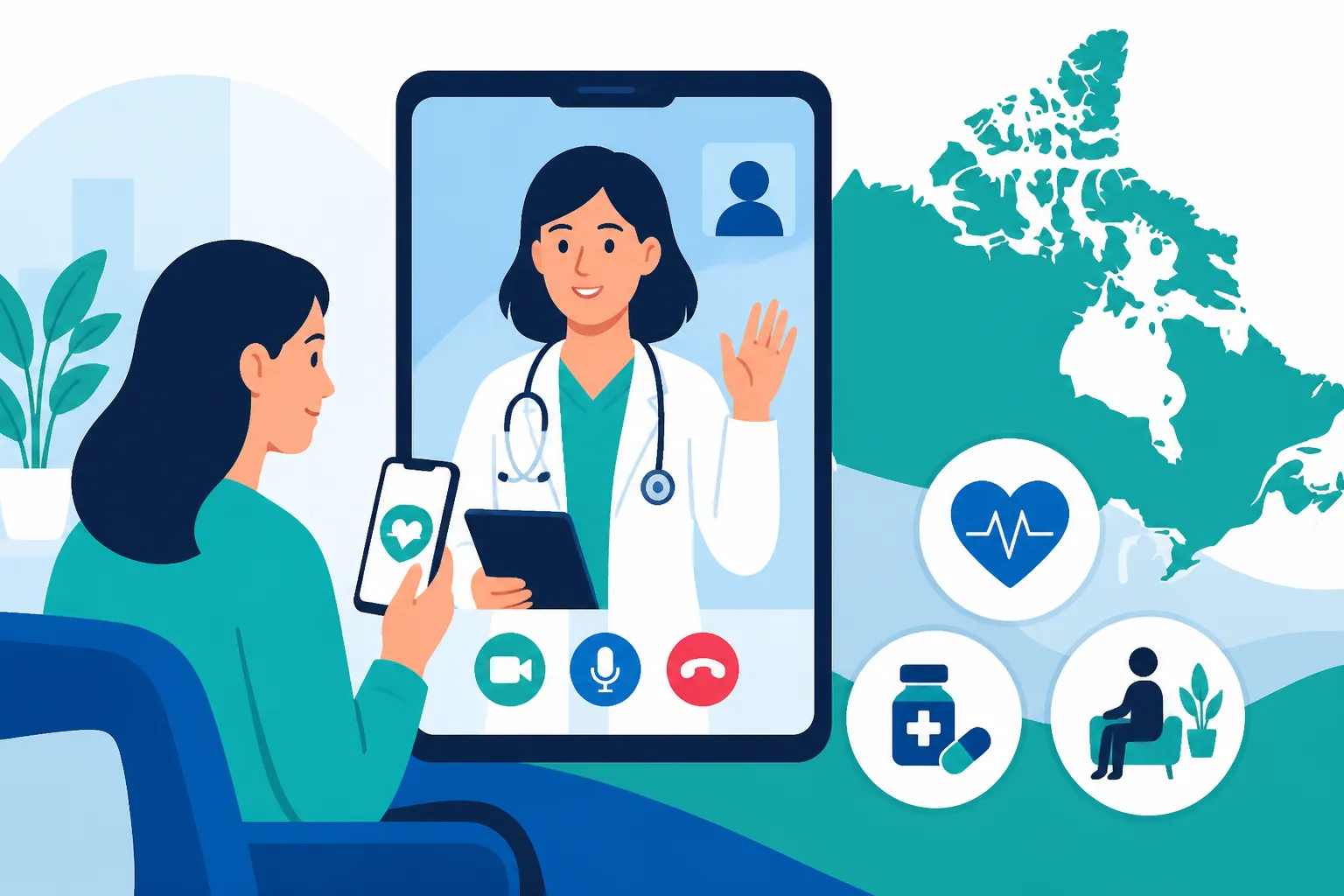
Telehealth and virtual care refer to a broad range of services that allow you to connect with healthcare professionals remotely, usually through secure video, phone calls, or messaging. It’s essentially healthcare delivered outside of a traditional in-person setting, leveraging technology to bridge geographical distances and improve access. For many newcomers, this means you don't have to navigate busy clinics or figure out public transit just for a quick consultation.
The Evolution of Digital Healthcare in Canada
Historically, Canadian healthcare has been very much a face-to-face affair. You’d book an appointment with your family doctor, head to a walk-in clinic, or if things were serious, make your way to an emergency room. While that system has its strengths, it also comes with common frustrations like long wait times for appointments and the sheer inconvenience of taking time off work or travel for routine care.
The landscape started shifting a few years ago, but the real acceleration happened with the global pandemic, which pushed telehealth into the mainstream out of sheer necessity. Overnight, provinces rapidly expanded their virtual care capabilities, and both patients and doctors began to see the immense potential. What was once a niche offering is now a fundamental component of the healthcare system, recognized for its ability to provide continuity of care, especially for those in remote areas or those with mobility challenges. This rapid evolution means that even if you experienced Canadian healthcare a few years ago, the virtual options available today are significantly more robust.
Types of Virtual Care Services Available
Virtual care isn't just about video calls; it encompasses a variety of digital tools designed to make healthcare more accessible. You might be surprised at the range of services you can access without leaving your living room.
First and foremost, there are virtual doctor appointments. These are often video consultations, mimicking an in-person visit where a doctor can assess your symptoms, provide diagnoses, offer medical advice, and even issue prescriptions or referrals. Many provinces have dedicated platforms or allow individual doctors to offer these. Then there's phone consultations, which are simpler but still effective for less complex issues or follow-ups where visual cues aren't critical. Think about those times you just need to clarify medication instructions or get a quick check-in.
Beyond direct doctor consultations, telehealth also includes remote monitoring, where devices track vital signs or other health data from home, sending it directly to your care team. This is particularly useful for managing chronic conditions. There are also e-prescriptions, allowing doctors to send prescriptions directly to your chosen pharmacy, saving you a trip to the clinic just to pick up a paper slip. Furthermore, many mental health services, from counselling to psychiatric evaluations, are now widely available virtually, providing a much-needed avenue for support that can often be hard to access in person. It’s truly a game-changer for many who struggle with the stigma or logistics of traditional mental health appointments.
How Telehealth Works for Newcomers in Canada
For someone just settling into Canada, the idea of finding a family doctor and getting registered with a provincial health plan can feel like an Olympic sport. This is where virtual care truly shines, offering an immediate bridge to medical support. While it won't always replace in-person care, it can cover a lot of ground in those critical early days.
Accessing Virtual Care with Provincial Health Coverage
Once you've successfully applied for and received your provincial health card – whether it’s an OHIP, MSP, RAMQ or AHCIP card, depending on where you reside – you can typically access publicly funded virtual care services. The specifics, however, vary quite a bit from province to province, which is a common theme you’ll find in Canadian healthcare.
For instance, in Ontario, platforms like the Ontario Telemedicine Network (OTN) facilitate many virtual consultations, and many family doctors now offer virtual appointments as part of their practice. In British Columbia, residents can access platforms like Health Connect Registry for virtual options. Alberta has its own virtual care initiatives, often integrated with existing health services through Alberta Health Services. Most provinces have expanded coverage for virtual physician visits, meaning if you have a valid provincial health card, these consultations are generally covered, just like an in-person visit. You simply log into a secure platform, book an appointment, and connect with a doctor. It’s often much faster than trying to get an in-person slot, especially if you haven't yet found a dedicated family doctor. This can be especially helpful if you’re still trying to find a doctor taking new patients in Canada.
Options for Those Without Provincial Coverage
Here’s where it gets a little tricky, and often, frustrating, for newcomers. Canada has a waiting period for provincial health coverage in most provinces – typically around three months after you establish residency. During this time, you are not covered by the provincial plan for most services, including virtual care. This period is a huge source of anxiety for many, and rightly so.
However, this doesn't mean you're left completely without options. Many private virtual care platforms operate on a pay-per-use model or through private insurance. Companies like Maple and Telus Health MyCare are prominent players in this space. These platforms allow anyone to book a virtual consultation with a Canadian licensed doctor for a fee, which can range from $50 to $100+ per visit. While it's an out-of-pocket expense, it's often far less than what you might pay for an emergency room visit or even a private walk-in clinic appointment without coverage.
This is also where private health insurance becomes incredibly important. Many newcomers wisely invest in private health insurance to cover this waiting period. Providers often offer plans that include virtual care consultations, making these platforms accessible without the direct cost per visit. If you’re in this pre-coverage limbo, looking into options like a travel insurance policy from a provider such as SafetyWing, which can often include emergency medical and sometimes virtual care components, is a smart move. They cater to digital nomads and those in transition, understanding the gaps in traditional coverage. It gives you peace of mind knowing you can still talk to a doctor if you suddenly fall ill.
Benefits of Virtual Care for Newcomers
Virtual care isn't just a band-aid solution; it offers tangible, ongoing benefits that can significantly ease your transition and enhance your access to healthcare in Canada. Especially when you're navigating a new environment, every bit of convenience counts.
Overcoming Language and Cultural Barriers
One of the most immediate advantages of virtual care for newcomers is its potential to mitigate language and cultural barriers. Imagine trying to explain complex medical symptoms in a second language while feeling unwell and perhaps intimidated by a new healthcare setting. It's a recipe for miscommunication and anxiety.
Many virtual care platforms offer the option to choose doctors who speak specific languages, or they may even have integrated translation services. This can make a world of difference, allowing you to articulate your concerns clearly and understand the doctor's advice without a linguistic struggle. Furthermore, for those from cultures where medical practices or patient-doctor interactions differ significantly from Canada, virtual care can provide a more comfortable, less intimidating environment. You’re in your own home, which can feel much safer and more familiar, enabling a more open and honest dialogue with your healthcare provider. This cultural sensitivity and linguistic flexibility are vital for ensuring accurate diagnoses and effective treatment plans, fostering trust in a new healthcare system.
Convenience and Accessibility
Let's be real: moving to a new country is exhausting. There's so much to organize, from finding a home to setting up utilities, and often, healthcare takes a backseat until an urgent need arises. Virtual care offers unparalleled convenience that directly addresses these challenges.
Instead of spending precious time travelling to and from a clinic, enduring potentially long wait times in a waiting room, you can connect with a doctor from your kitchen table, your office, or even a local park. This flexibility is invaluable, particularly if you're working, studying, or caring for children. For those living in smaller towns or rural areas where healthcare facilities might be sparse, virtual care significantly expands access to medical professionals who might otherwise be hours away. Even in large cities, avoiding traffic and parking headaches for a quick consultation is a massive win. This means you can address minor health concerns promptly, preventing them from escalating, without disrupting your already busy schedule as you settle into your new life in Canada.
Addressing the Doctor Shortage
Canada, like many countries, faces a persistent challenge with physician shortages, particularly family doctors. Finding a family doctor who is accepting new patients can be an arduous and lengthy process in many parts of the country. This can leave newcomers feeling adrift, relying solely on walk-in clinics or emergency rooms for routine care, which isn't ideal.
Virtual care helps bridge this gap by expanding the reach of available doctors. While it might not lead to a long-term family doctor relationship, it provides an immediate point of contact for common ailments, prescription refills, and general medical advice. You might not be able to find a physical clinic in your neighbourhood with availability, but a virtual platform can connect you with a licensed physician in your province often within minutes or hours. This increased access means you don't have to put off addressing health concerns simply because you haven't secured a permanent family doctor yet. It acts as a crucial interim solution, allowing you to get the care you need while you work on how to find a family doctor in Canada.
Limitations and Challenges of Virtual Care
While virtual care offers immense benefits, it's not a panacea for all healthcare needs. It's important to understand its limitations so you can make informed decisions about when it's the right choice and when you need to seek in-person care. No technology can completely replace the human touch or the need for a physical examination in certain situations.
When In-Person Care is Essential
There are clear scenarios where a virtual consultation simply won't cut it. Any situation requiring a physical examination, diagnostic tests, or emergency intervention absolutely necessitates in-person care. If you're experiencing severe chest pain, sudden and extreme shortness of breath, significant trauma, or signs of a stroke, don't even think about virtual care – call 911 immediately. This is crucial for emergency medical care in Canada.
Similarly, for conditions like deep cuts that might need stitches, broken bones, or infections that require cultures, a virtual doctor can only offer limited advice. They can’t palpate an abdomen, listen to your lungs with a stethoscope, or directly examine a rash to determine its nature. Complex chronic conditions often benefit from regular, hands-on assessment. While virtual care can be great for follow-ups or initial screenings, definitive diagnoses often still rely on traditional medical procedures and the expertise gained from physical interaction. Don’t hesitate to ask your virtual care provider if an in-person follow-up is necessary; they’ll often be the first to recommend it.
Technology and Privacy Concerns
Reliance on technology always comes with its own set of potential pitfalls. For virtual care, these include ensuring you have a stable internet connection and a device with a working camera and microphone. If your internet keeps cutting out or your device isn't up to snuff, your consultation can be disrupted, leading to frustration and potentially incomplete care. It's a simple hurdle, but one that can significantly impact your experience.
Then there's the ever-present concern of privacy and data security. When you’re sharing sensitive medical information over a digital platform, you want to be absolutely sure it’s protected. Reputable Canadian virtual care platforms adhere to strict privacy regulations, such as those outlined by provincial health information acts and federal privacy laws (like PIPEDA). They use encrypted connections and secure servers to protect your data. However, it's always wise to use official, government-recommended, or widely recognized platforms rather than obscure alternatives. Be mindful of your surroundings during a virtual call to ensure your own privacy, especially if discussing sensitive matters. Make sure you’re in a quiet, private space where your conversation can’t be overheard.
Lack of Continuity of Care
One of the significant benefits of having a family doctor is the continuity of care – they know your medical history, your personality, and your family situation. This long-term relationship fosters trust and allows for a more holistic approach to your health. With many virtual care platforms, particularly the on-demand services, you might see a different doctor each time you log in.
This can lead to a fragmented care experience. You might find yourself repeatedly explaining your medical history to different practitioners, which can be inefficient and frustrating. While these services are excellent for acute, minor issues, they are less suited for managing complex, ongoing health conditions that require consistent oversight from a single care provider. Some platforms are trying to address this by allowing you to "favourite" doctors or by integrating with your electronic medical records, but it's not yet a universal standard. As a newcomer, this means while virtual care is a fantastic immediate resource, it should be seen as a complement to, rather than a full replacement for, the eventual goal of establishing a relationship with a primary care physician in Canada.
Navigating Virtual Care Platforms in Canada
The virtual care landscape in Canada is dynamic, with various platforms, both publicly funded and private, vying for your attention. Knowing where to start can be confusing, especially with provincial variations in play. But don't worry, there are some key players you'll likely encounter.
Major Provincial and Private Platforms
Many provinces have their own virtual care initiatives or partnerships. For example, in Quebec, citizens can access services via the Quebec Health Portal (Carnet Santé Québec), which can help locate virtual clinics. Nova Scotia has VirtualCareNS, and Saskatchewan has a service called HealthLine 811 which offers advice and can connect you to virtual doctors. These are usually tied into your provincial health card.
Beyond provincial services, a few major private players operate across Canada, regardless of your provincial coverage (though the cost structure changes if your province covers it). Maple (getmaple.ca) is one of the most widely recognized. It connects you with Canadian-licensed doctors and specialists 24/7 via text, video, or phone. You can pay per consultation or subscribe to a monthly/annual plan. Another significant contender is Telus Health MyCare (telus.com/health/my-care), formerly known as Akira by Telus Health. This platform also offers virtual doctor and mental health consultations, often integrated with other health services. Both platforms allow you to book appointments, get prescriptions, and receive specialist referrals. Many employers in Canada also offer access to these private platforms as part of their employee benefits package, which is definitely something to ask about if you secure a job here. It’s also worth exploring if a private insurance provider like SafetyWing includes access to these virtual platforms within their plans, as it can be a cost-effective way to get care during transition periods.
How to Prepare for a Virtual Appointment
Just like an in-person visit, a little preparation can make your virtual appointment much more effective. Think of it as setting the stage for a productive conversation with your doctor.
First, ensure you have a stable internet connection and a fully charged device (phone, tablet, or computer with a webcam). Find a quiet, private space where you won't be interrupted and can speak freely. Jot down your symptoms beforehand, including when they started, how severe they are, and any potential triggers. Also, make a list of any medications you're currently taking (including over-the-counter drugs and supplements), your allergies, and any relevant medical history. Have your provincial health card (if applicable) and any private insurance details ready. During the call, be as descriptive as possible about your symptoms. Don’t be afraid to ask questions for clarification. After the call, ensure you understand the next steps, whether it's a prescription, further tests, or a recommendation for an in-person visit.
| Platform/Service Type | Availability | Coverage | Typical Use Cases | Benefits for Newcomers |
|---|---|---|---|---|
| Provincial Virtual Care (e.g., OTN, VirtualCareNS) | Varies by province, often 24/7 or during clinic hours | Covered by provincial health plan | Minor illnesses, prescription refills, mental health support, specialist referrals (with certain conditions) | No direct cost (with PR card), language options, integrated with public health system |
| Private Virtual Care (e.g., Maple, Telus Health MyCare) | Typically 24/7 on-demand | Out-of-pocket, or covered by private insurance/employer benefits | Urgent minor care, mental health, specialist consults (often faster) | Immediate access, no waiting period for coverage, choice of doctors |
| Nurse Advice Hotlines (e.g., HealthLine 811) | 24/7 in most provinces | Publicly funded | Health advice, symptom assessment, guidance on next steps | Free, immediate advice, helps determine if virtual/in-person care is needed |
| International Private Insurance (e.g., SafetyWing) | Global, often includes Canadian virtual care | Covered by policy | Emergency medical needs, pre-provincial coverage, travel | Covers waiting period, provides peace of mind, often includes virtual options |
Future of Virtual Care in Canada
The growth of telehealth isn't just a temporary trend; it's a fundamental shift in how healthcare is delivered. As a newcomer, understanding where this is headed can help you prepare for how you'll interact with the Canadian healthcare system in the years to come.
Integration with Traditional Healthcare
The days of virtual care being a separate, niche service are quickly fading. We're seeing a much deeper integration of virtual tools into the traditional healthcare model. Many family doctors and specialist clinics now routinely offer virtual appointments as part of their regular practice, giving patients the flexibility to choose the modality that best suits their needs for a given appointment. This hybrid model, combining in-person and virtual care, is becoming the norm.
Expect to see virtual care portals directly linked to your electronic health records, allowing for seamless sharing of information between virtual and in-person providers. Hospitals are also increasingly using virtual visits for follow-up appointments, pre-operative assessments, and to manage chronic conditions, reducing the need for patients to travel to facilities unnecessarily. This integration means that virtual care will no longer be an "alternative" but a fully embedded component of your comprehensive healthcare journey, making it easier to manage your health regardless of your location within Canada.
Specialized Virtual Care and Mental Health Services
One of the most promising areas of growth for virtual care is in specialized services, particularly mental health. Accessing mental health support in Canada, especially for newcomers who might be dealing with the stress of relocation and cultural adjustment, can be incredibly challenging due to long waitlists and limited providers. Virtual platforms are making a significant dent in these barriers.
You can now find virtual therapy, counselling, and even psychiatric consultations, often with shorter wait times and the comfort of speaking from your own space. This is a huge win for privacy and accessibility. Beyond mental health, expect to see more virtual options for specialists like dermatologists (where visual assessment is key), dietitians, physiotherapists, and even specialized clinics for chronic disease management. For instance, virtual care is proving invaluable for managing diabetes or hypertension, with remote monitoring and regular virtual check-ins. This expansion means more targeted care will be available virtually, reducing the need for travel to specialized centres and allowing you to access expertise from anywhere in the country. This evolution is particularly beneficial for newcomers, as it removes some of the geographical and logistical hurdles to accessing specialist care, allowing you to get the support you need more efficiently.
Policy and Funding Changes Affecting Access
As virtual care continues to evolve, so too do the policies and funding models that govern it. Provincial governments and health authorities are constantly refining how virtual services are funded and regulated, aiming to ensure quality, accessibility, and appropriate use. We've already seen significant shifts, with many provinces moving from temporary COVID-era funding models to more permanent, integrated payment structures for virtual physician services.
These ongoing policy changes will likely focus on improving interoperability between platforms, enhancing data security, and ensuring equitable access for all Canadians, including newcomers. There's also a growing recognition of the need for culturally sensitive and linguistically diverse virtual care options. As an expat, keeping an eye on provincial health ministry websites and news from organizations like the Canadian Medical Association can provide insights into these changes. The goal is a system where virtual care is not just available, but seamlessly integrated, adequately funded, and accessible to everyone, ensuring that it genuinely serves as a powerful tool to enhance the overall health and well-being of all residents, including those who are just beginning their life here.
Disclaimer
The information provided in this article is intended for general guidance and informational purposes only, and does not constitute medical advice. While we strive to provide accurate and up-to-date information, healthcare policies and services in Canada are subject to change and vary by province. Always consult with a qualified healthcare professional for any medical concerns or before making any decisions related to your health or treatment.