Can I Apply for a Canadian Passport After Citizenship?
So, you’ve finally done it! You've navigated the often-complex labyrinth of Canadian immigration, you've worked hard, jumped through all the hoops, and you've proudly taken your Oath of Citizenship. It's a truly monumental achievement, and if you’re anything like me, your first thought after that incredible ceremony might be, "Okay, what's next? Can I finally apply for my Canadian passport?" The answer, my friend, is a resounding yes, but like most things official in Canada, there's a specific process to follow. This guide is going to walk you through exactly what you need to do to get that coveted little red booklet in your hands once you're officially a Canadian citizen.
The Journey to Your First Canadian Passport Begins
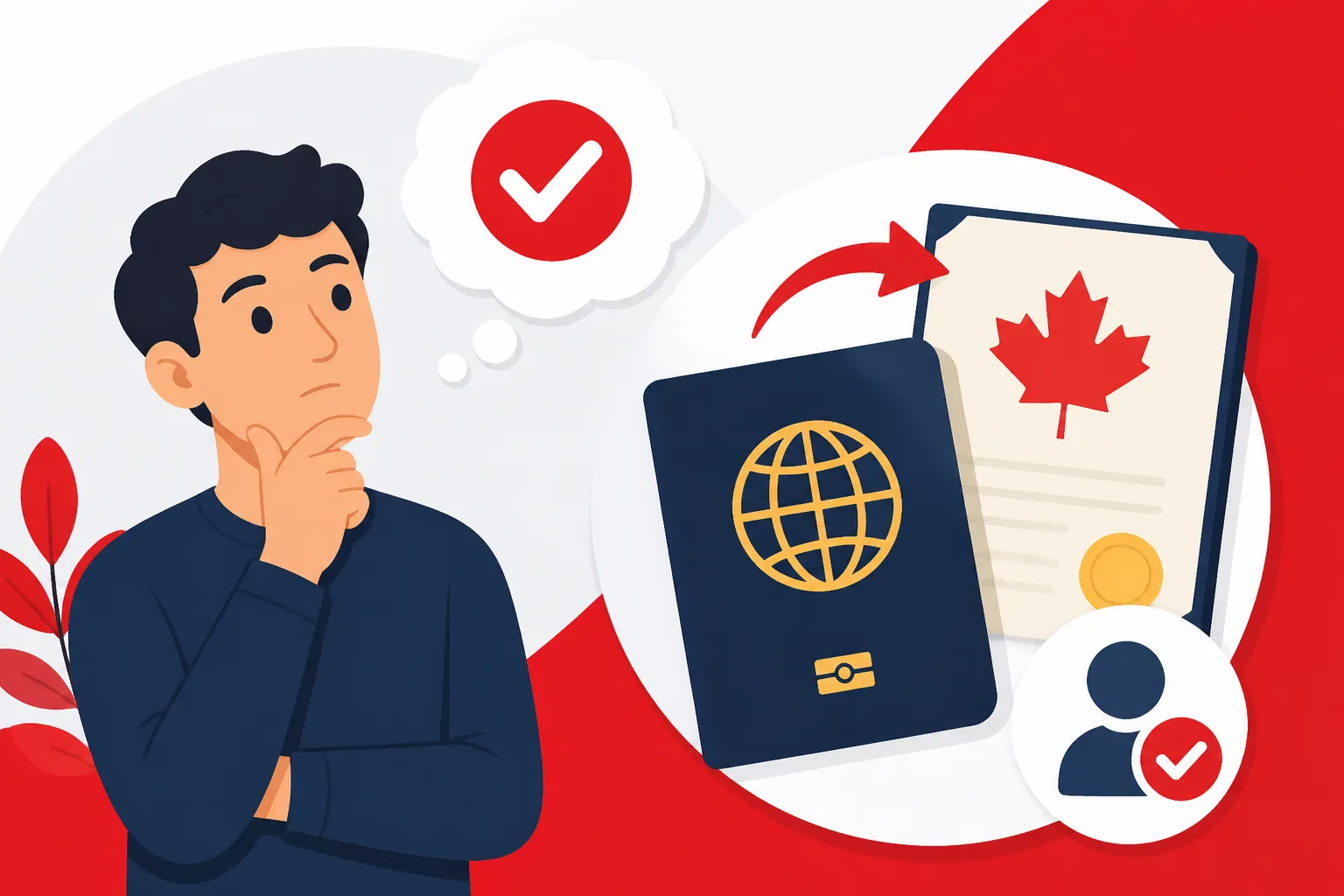
Getting your Canadian citizenship certificate is a huge milestone, a tangible symbol of your new status. But it's not quite the same as having a Canadian passport, which is your ultimate travel document, recognized globally. Think of it this way: your citizenship certificate proves you are Canadian, while your passport enables you to act like a Canadian abroad, giving you visa-free access to numerous countries and proving your identity in a way that’s understood worldwide.
Receiving Your Citizenship Certificate: The Golden Ticket
First things first, after your citizenship ceremony, you'll be issued your official citizenship certificate. This isn't just a pretty piece of paper; it's the most crucial document you'll need for your passport application. It serves as irrefutable proof of your Canadian citizenship, and without it, you simply cannot apply for a Canadian passport. Keep this document safe, perhaps even frame it, but definitely store it securely because you'll need to submit the original (or a certified true copy, depending on how you apply) with your passport application. Losing it means a whole new bureaucratic hurdle, and trust me, you've done enough of those already!
Sometimes, the certificate is handed to you right after the ceremony. Other times, it might be mailed to you shortly thereafter. The key is to verify all the details on it immediately – your name, date of birth, place of birth, and date of citizenship. Any discrepancies can cause delays when you apply for your passport, so it's always best to catch these errors sooner rather than later. Don't be shy about asking for clarification or correction if something seems off.
The Waiting Game (Still!): A Brief Interlude
You might think that once you have your citizenship certificate, it's a straight dash to the passport office. And while you're technically eligible to apply right away, there's a subtle, almost invisible waiting period that can sometimes catch newcomers off guard. This isn't a formal, mandated waiting period like the one for provincial health coverage, but rather an administrative reality. When you become a citizen, your information needs to be updated across government databases.
While you can technically submit your passport application the day after your ceremony, it’s often advisable to wait a week or two, just to ensure your citizenship status has fully propagated through all the official systems. This can prevent minor hiccups or delays in processing, where a clerk might check your status and find it hasn't quite registered yet. It’s a small pause, but one that can save you a headache down the line. It's all part of Navigating the Canadian Healthcare System: A Newcomer's Roadmap (2027) and generally navigating all Canadian systems – patience is truly a virtue!
Eligibility and Documentation for Your First Canadian Passport
Alright, the waiting is (mostly) over, and you're ready to get down to business. Applying for your first Canadian passport is a detailed process, and having all your ducks in a row will make it much smoother.
Who Can Apply and Essential Documents
To apply for a Canadian passport, you must, of course, be a Canadian citizen. Since you’ve just gone through the citizenship process, you meet this fundamental requirement! The application itself requires a specific set of documents, and it's absolutely crucial that you provide everything requested. Missing even a single item can lead to your application being returned, causing frustrating delays.
Here’s a breakdown of the key documents you'll need for your very first Canadian adult passport application:
- Proof of Canadian Citizenship: This is your original Citizenship Certificate. No copies, no photos, no exceptions. They need the real deal to verify your citizenship.
- Proof of Identity: You'll need at least one document that confirms your identity. This could be a valid driver's licence (Canadian, of course, so make sure you’ve exchanged your foreign one if applicable, or taken the tests to get one here), a provincial ID card, or even another country's passport that you still hold. This document must show your name, date of birth, photo, and signature.
- Supporting Identity Document: This is another piece of ID, but it doesn't need to be as robust as your primary ID. Think of it as a secondary confirmation. A provincial health card (though these often don't have photos or signatures), a credit card, or an old foreign passport can work here.
- Two Identical Passport Photos: These are not just any photos, and Canada is famously strict about its passport photo requirements. We’ll dive into this in more detail because it's where many people stumble.
- The Completed Application Form: You can download this from the official Government of Canada website or pick one up at a Service Canada Centre. Make sure you use the correct form for an "adult general passport application." Fill it out accurately and completely. Don’t leave any blanks.
- Any Previous Canadian Travel Document (if applicable): If you've ever held a Canadian travel document before (e.g., a refugee travel document as a Permanent Resident, which is different from a passport), you might need to submit this. For most new citizens, this won't apply, as this is their first Canadian passport.
Preparing your documents carefully is essential. It's similar to the meticulous preparation needed for your initial immigration applications, like when you were gathering How to Get Your Documents Ready for an IRCC Application.
The Photo Requirements: Don't Let Them Trip You Up
Canadian passport photos are legendary for their strictness. Seriously, it's not just a casual snapshot. Many a hopeful applicant has had their submission returned because their photos didn't meet the precise specifications. Don't waste your money at a photo booth; go to a professional photo studio or a pharmacy that specifically advertises Canadian passport photo services. They know the drill.
Here's what they're looking for:
- Size and Background: Specific dimensions (50mm wide by 70mm high) and a plain white or light-coloured background. No shadows, no patterns.
- Facial Expression: Neutral expression, eyes open and clearly visible, mouth closed. No smiling, no frowning. You need to look straight at the camera.
- Head and Shoulders: Your head must be centred, and your full face and top of your shoulders must be visible. The size of your head from chin to crown must be between 31 mm and 36 mm. Yes, they measure!
- Lighting: Evenly lit, no shadows on your face or behind your head.
- Glasses: You generally need to remove glasses unless you have a medical certificate stating you cannot. No glare on the lenses if worn.
- Head Coverings: Only permitted for religious reasons, and your full face must still be clearly visible.
- Photo Date and Endorser: One of the two identical photos must have the name and address of the photographer, as well as the date the photo was taken, stamped or written on the back. Your guarantor must also sign the back of one photo, certifying it's a true likeness of you. This is super important and often missed.
It sounds like a lot, right? But seriously, invest in good photos done by someone who knows these rules inside out. It'll save you time and money in the long run.
Guarantors and References: Your Trusty Witnesses
For your first Canadian passport, you'll need a guarantor and two references. This adds another layer of verification, ensuring that the person applying is indeed who they say they are and has connections within the Canadian community. This is a common requirement for new citizens, particularly those who might not have an extensive Canadian credit history or other long-standing ties easily verified by the government.
- The Guarantor: This person is crucial. They must be a Canadian citizen, 18 years of age or older, and have known you for at least two years. They cannot be a family member (related by blood, marriage, common-law partnership, or adoption), and they must hold a valid Canadian passport themselves. Their role is to confirm your identity, sign your application form, and endorse one of your passport photos. They’ll need to provide their passport information and contact details. Finding a guarantor can sometimes be tricky for newcomers who haven't established a wide network, but often colleagues, neighbours, or friends from community groups can help.
- The References: You'll also need two references. These individuals must be 18 years or older and have known you for at least two years. Unlike the guarantor, they can be family members, but they cannot be your guarantor. They don't sign anything directly on the form or photos but provide their contact information so that Passport Canada can reach out to them to verify details if needed. Make sure you get their permission beforehand and provide accurate contact information. They don't need to be Canadian citizens, just someone who can vouch for you.
This system might seem a bit old-fashioned in our digital age, but it’s a cornerstone of Canada’s identity verification process, especially for a crucial document like a passport.
Navigating the Application Process
Once you have all your documents, photos, and a willing guarantor and references, it's time to actually submit your application.
Where and How to Apply: Options for Every New Citizen
You have a few ways to submit your application for a Canadian passport, each with its own benefits and drawbacks.
- In Person at a Service Canada Centre: This is often the preferred method for first-time applicants, and honestly, it’s what I recommend. You can find Service Canada Centres in most major cities and towns. By submitting in person, you can have a service agent review your application on the spot, potentially catching any errors before they become a problem. They can ensure your forms are filled out correctly, and your photos meet the requirements. It also gives you a chance to ask any last-minute questions. Be prepared for potentially long wait times, especially during peak travel seasons, so check their website for current wait times or consider visiting during off-peak hours. Make sure to bring all your original documents.
- By Mail: If you live in a remote area or prefer to avoid an in-person visit, you can mail your application. You'll need to send your completed form, original citizenship certificate, original proof of identity, and photos to the address specified on the application form. While convenient, this method means you lose direct oversight on your application’s completeness and correctness until it's processed. Ensure you use a reliable mailing service with tracking, as you're sending original, invaluable documents. If you have international mail to send, perhaps back to family, remember services like Sirelo can help you compare options for larger shipments, but for official documents within Canada, Canada Post with tracking is your best bet.
- Passport Offices (Specialized): In some larger cities, there are dedicated Passport Offices that handle more complex cases or offer expedited services. While Service Canada Centres generally cover all passport services, a Passport Office might be quicker for specific urgent needs, though the standard first-time application usually goes through either the Service Canada route or by mail.
Regardless of your chosen method, double-check everything before submission. Think of it as a final review before you submit your How to Apply for Your Provincial Health Card in Canada (2027) – every detail counts!
Processing Times and Fees: Budgeting Your Time and Money
Applying for a Canadian passport comes with a fee, and like everything else, processing times can vary.
- Fees: As of early 2026, a 5-year adult passport costs CAD $120, and a 10-year adult passport costs CAD $160. There are additional fees for urgent, express, or pick-up services if you need your passport faster. Always check the official Passport Canada website for the most current fees, as they can change.
- Standard Processing Times: For applications submitted in Canada, standard processing times generally range from 10 to 20 business days for mailed applications and 10 business days for in-person applications at a Service Canada Centre or Passport office. However, these are just averages. During peak travel seasons (think summer holidays or before major breaks), these times can extend significantly. It's always a good idea to apply well in advance of any planned travel.
- Expedited Services: If you need your passport in a hurry, you have options:
- Urgent pickup (within 2 to 9 business days): This service often requires you to apply in person at a Passport office or a Service Canada Centre offering urgent services. There's an additional fee for this.
- Express pickup (by the end of the next business day): This is for critical, immediate travel needs and also carries an additional fee, requiring in-person application at a Passport office.
It's tempting to think that once you've paid, the passport will magically appear, but remember, the government processes hundreds of thousands of these applications. Patience is key, as it often is when trying to get a handle on The Cost of Healthcare in Canada: A Complete Breakdown for Newcomers (2026) or other crucial services.
Table: Key Requirements for a First-Time Adult Canadian Passport Application (2026)
| Requirement | Description | Important Notes |
|---|---|---|
| Citizenship Proof | Original Canadian Citizenship Certificate | Absolutely mandatory. Ensure all details are correct. |
| Identity Proof (Primary) | Valid government-issued photo ID (e.g., Canadian driver's license, provincial ID card) | Must include name, DOB, photo, and signature. |
| Identity Proof (Secondary) | Another piece of ID (e.g., provincial health card, credit card, foreign passport) | Can be less formal, but still helps confirm identity. |
| Passport Photos | Two identical, professional photos meeting strict Canadian specifications (50x70mm, neutral expression, white background) | Crucial. Must have photographer's info on back of one, and guarantor's signature on the back of the same photo. |
| Application Form | Completed Adult General Passport Application (PPTC 153) | Download from official website or pick up at Service Canada. Fill out completely and accurately. |
| Guarantor | Canadian citizen, 18+ years, known you 2+ years, not family, holds valid Canadian passport. | Signs application & one photo. Provides passport details and contact info. |
| References | Two individuals, 18+ years, known you 2+ years, not your guarantor. | Provide contact details. Passport Canada may contact them to verify identity. |
| Fees | CAD $120 (5-year) or CAD $160 (10-year) for standard service. Additional fees for urgent/express. | Check current fees on the official government website. |
Using Your New Canadian Passport and Beyond
Congratulations! You've successfully navigated the application process, and your shiny new Canadian passport has arrived. This document is your key to the world and a testament to your hard work.
Travel and Dual Citizenship Considerations
With your Canadian passport, you gain incredible freedom to explore. Many countries offer visa-free travel or simplified visa-on-arrival processes for Canadian citizens. You can now visit family back home or embark on new adventures with ease.
One common question is about dual citizenship. Canada fully recognizes and accepts dual citizenship. This means if your country of origin also permits it, you can hold both your original passport and your new Canadian passport. This is incredibly common among newcomers. However, a key tip for dual citizens: when entering and exiting Canada, you must use your Canadian passport. Canadian citizens are required by law to present a valid Canadian passport when arriving in Canada. For your trips abroad, you’ll typically use your Canadian passport to leave Canada and enter your destination country, and then use your original country’s passport to enter and exit that country if it's your place of origin, switching back to your Canadian passport for your return to Canada. This might sound complicated, but it's easily managed once you get the hang of it.
Now that you have your passport, the world really is your oyster! Many new citizens plan trips to visit family or explore new destinations they couldn't easily access before. Remember to always consider travel insurance, especially for longer trips or if you have specific health needs. Reputable providers like Cigna Global can offer comprehensive coverage for medical emergencies, trip cancellations, or lost baggage, giving you peace of mind as you travel. It's a smart layer of protection, just like having a solid understanding of Emergency Medical Care in Canada: What Every Newcomer Needs to Know before you venture far.
Keeping Your Passport Safe and Renewing It
Your passport is a valuable document, a gateway to opportunities, and unfortunately, a target for identity theft. Treat it with the utmost care.
- Safeguard Your Passport: Keep it in a secure place when not in use. When travelling, always be aware of its location and try not to carry it around unnecessarily. Make photocopies of the information page and store them separately, or keep digital copies on a secure cloud service. This can significantly help if your passport is lost or stolen abroad.
- Report Loss or Theft Immediately: If your passport is ever lost or stolen, report it to the nearest police station and to Passport Canada (or the Canadian embassy/consulate if you're abroad) immediately. This helps prevent fraudulent use of your identity.
- Renewal: Canadian passports have either a 5-year or 10-year validity period. You'll need to renew it before it expires. The renewal process is generally simpler than the first-time application, as you often won't need a guarantor again if your previous passport is verifiable. However, you'll still need new photos and to submit your old passport. Keep an eye on the expiry date, especially if you have upcoming international travel planned, as some countries require your passport to be valid for at least six months beyond your intended stay.
Achieving Canadian citizenship and then obtaining your first Canadian passport is truly the culmination of a significant journey. It's a moment to celebrate and a new chapter in your life. Embrace the opportunities it brings, and happy travels!
Disclaimer
The information provided in this guide is intended for general informational purposes only and does not constitute legal, immigration, or professional advice. While we strive to keep the information up-to-date and accurate, government policies, fees, and processing times can change without notice. Always consult the official websites of Immigration, Refugees and Citizenship Canada (IRCC) and Passport Canada, or seek advice from a qualified immigration consultant or legal professional for the most current and personalized guidance regarding your specific situation.