Understanding the Difference Between Provincial Plans Across Canada
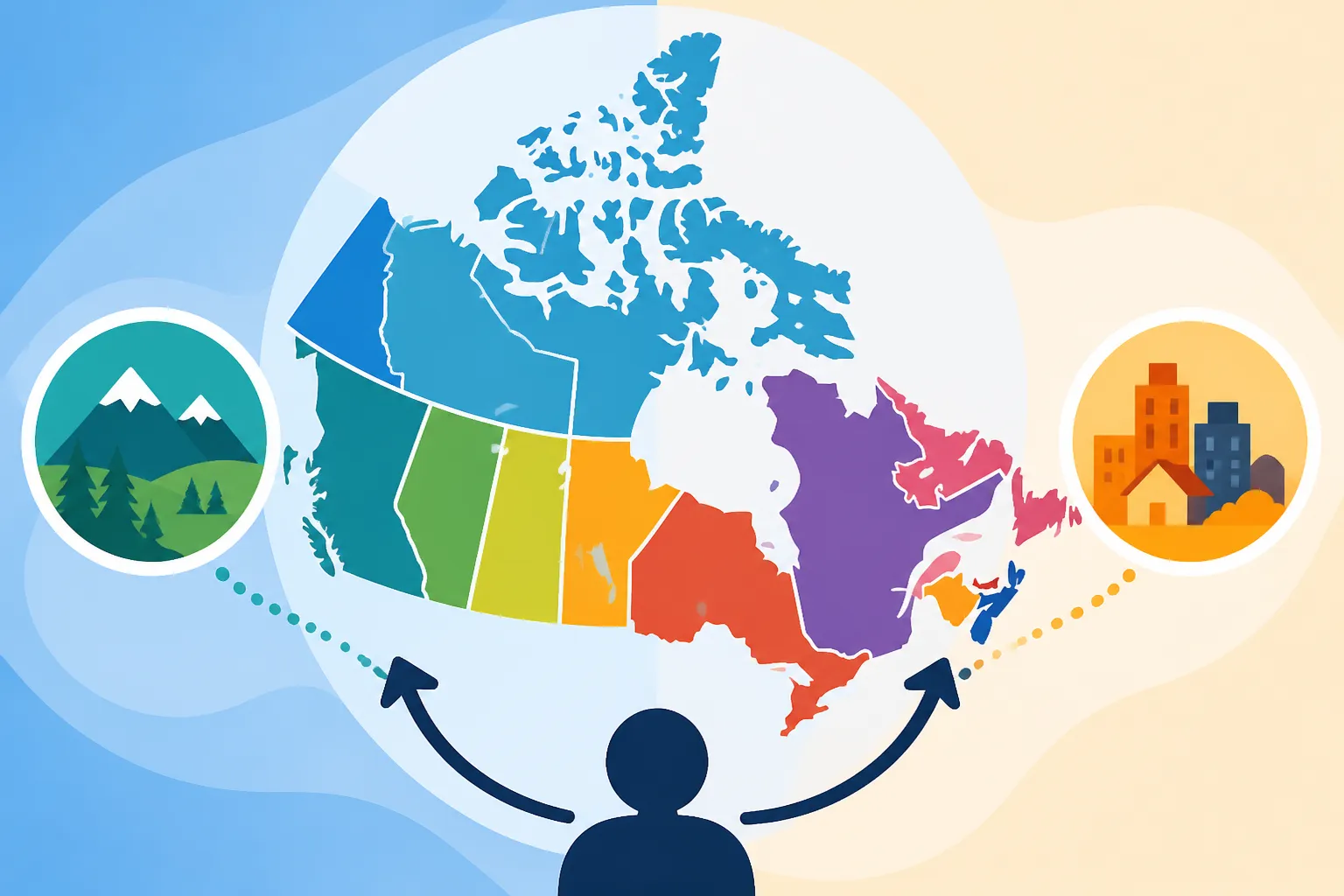
One of the most jarring realizations for new arrivals in Canada is that there is no such thing as a single, national health insurance card. You do not simply get Canadian healthcare when you land; instead, you enter a complex web of provincial regulations where your level of care depends entirely on which side of a provincial border you reside. This guide breaks down these regional differences to help you navigate the system with confidence.
The Decentralized Reality of Canadian Healthcare
When you first start researching your move, you likely heard that Canada has universal healthcare. While true, the delivery of that care is decentralized. The federal government sets the broad standards through the Canada Health Act, but each of the ten provinces and three territories manages its own insurance plan. This means that while a heart bypass is covered anywhere in the country, the way you access a family doctor, the cost of your prescription meds, and even whether you pay a monthly premium varies wildly from Vancouver to Halifax.
For many expats, the initial shock isn't the quality of care, which remains high, but the administrative hurdle of getting into the system. You are effectively moving to a country with thirteen different insurance companies, each with its own application forms, residency requirements, and "hidden" costs. Understanding how these systems differ is the first step in avoiding massive out-of-pocket expenses during your first year. It is highly recommended to look into How Canada's Health System Works: Provincial Plans Explained (2027) to get a bird's-eye view of the legal framework before diving into the regional specifics.
Provincial Jurisdiction and the Canada Health Act
The Canada Health Act mandates that provincial plans must be universal, comprehensive, accessible, portable, and publicly administered. However, "comprehensive" only applies to services provided in hospitals or by physicians. Everything else—from the ambulance that picks you up to the insulin you might need—is left to provincial discretion. This is why a resident in Ontario might have a very different financial experience with a chronic illness than someone in Quebec.
This jurisdictional divide creates a patchwork of "supplementary" benefits. Some provinces are generous with seniors or low-income residents, while others expect the individual to rely heavily on private insurance or employer-sponsored plans. For a newcomer, this means your employment contract and where you choose to sign your first lease are the two biggest factors in your personal health economy.
Shared Standards vs Local Execution
Despite the differences, some things remain consistent. You will never be asked for a credit card at the door of an Emergency Room for a life-threatening injury once you have your provincial card. The "standard of care" is medically consistent across the country. The differences lie in the "peripherals" of care. For example, some provinces have integrated digital health portals that allow you to see your lab results online within hours, while others are still catching up with paper-based systems and fax machines.
The frustration for many expats comes from the lack of a "federal" safety net. If you are a digital nomad or a frequent traveler between provinces, you might find yourself in a bureaucratic limbo where one province says you’ve left, and the other says you haven’t arrived yet. This is where services like SafetyWing become invaluable, providing a bridge of coverage that doesn't care which provincial border you just crossed.
Comparing the Big Three: OHIP MSP and RAMQ
The majority of newcomers settle in Ontario, British Columbia, or Quebec. These three provinces represent the most distinct approaches to healthcare in the country. If you are moving to one of these hubs, you need to be aware of the specific "personality" of their provincial plan. Knowing How to Apply for OHIP, MSP, RAMQ or AHCIP When You Arrive in Canada is essential, but knowing what you are actually getting is even more important.
Ontario Health Insurance Plan OHIP
Ontario is often seen as the "standard" experience, but it has its quirks. OHIP is entirely funded through general taxation, meaning you don’t pay a monthly bill to the health ministry. However, Ontario has a strict focus on "medically necessary" care. If you want a specific diagnostic test that your doctor deems optional, you will be paying out of pocket.
Ontario also famously has a "waiting period" for many newcomers, though this has seen various policy shifts in recent years. Historically, you had to wait three months before your coverage kicked in. During this time, you are essentially a tourist in the eyes of the medical system. Many expats use SafetyWing during this gap to ensure a sudden case of appendicitis doesn't result in a $20,000 hospital bill. It is also worth reading up on Public vs Private Healthcare in Canada: What Newcomers Need to Know to see how Ontarians supplement their basic OHIP coverage.
British Columbia Medical Services Plan MSP
British Columbia operates the MSP, and it is the only major province that still utilizes a "health fee" for certain residents. While BC eliminated premiums for Canadian citizens and permanent residents a few years ago, they kept a "Health Fee" for international students and some work permit holders. As of 2026, this fee is a flat monthly rate that catches many expats off guard.
BC is also unique in its "Fair PharmaCare" program. Unlike other provinces that might have a flat copay for drugs, BC bases your drug coverage on your income from two years prior. For a newcomer with no Canadian tax history, this can be complicated. You may initially be put on a default tier that offers less coverage until you can prove your income status. BC's system is highly efficient, but it requires more active management from the resident than Ontario's "set it and forget it" model.
Quebec Régie de l'assurance maladie RAMQ
Quebec’s RAMQ is perhaps the most "European" of the Canadian systems. It is the only province that mandates you have prescription drug insurance. If you don’t have a private plan through your employer, you are legally required to sign up for the RAMQ public drug plan and pay a yearly premium through your tax return.
RAMQ is also known for being quite protective of its resources. If you move from Quebec to another province, your coverage ends the very moment you take up residence elsewhere—there is no "grace period" like in other provinces. Furthermore, Quebec’s system is heavily integrated with its social services, offering more robust support for home care and midwifery than some of its western neighbors. However, finding a family doctor in Montreal can be notoriously difficult, often requiring a wait of several years on a centralized "guichet" or waitlist.
Western and Atlantic Variations AHCIP to MSI
While the "Big Three" get the most attention, the Prairie and Atlantic provinces offer some of the most accessible—and some of the most strained—healthcare experiences in the country. If your Canadian dream involves the Calgary skyline or the rugged coast of Nova Scotia, your health card experience will be different again.
Alberta Health Care Insurance Plan AHCIP
Alberta is often touted as having the most "expat-friendly" healthcare entry. Historically, Alberta has been one of the few provinces where coverage can begin the very day you arrive, provided you have the right documentation. There is no three-month wait here for those with valid work permits of a certain duration. This makes it a popular destination for those who want to hit the ground running without worrying about a coverage gap.
However, Alberta’s system is also the most prone to political shifts regarding private delivery. You may find more "private-pay" clinics for things like MRIs or minor surgeries in Alberta than in other provinces. While the "doctor visit" is still free, the infrastructure around it feels a bit more like a hybrid system. For those coming from the US, this might feel familiar, but for those used to the UK's NHS, the presence of private diagnostic centers can be surprising.
The Atlantic Provinces NS NB PEI NL
The Atlantic provinces (Nova Scotia, New Brunswick, Prince Edward Island, and Newfoundland and Labrador) are known for their high quality of life but also for significant healthcare human resource challenges. Nova Scotia’s MSI (Medical Services Insurance) and New Brunswick’s Medicare are robust in what they cover, but the "access" part of the Canada Health Act is currently under pressure there.
In provinces like Nova Scotia, it is not uncommon for 15% of the population to be without a family doctor. This forces many newcomers to rely on walk-in clinics or "virtual care" platforms provided by the province. If you are moving to the East Coast, the technical details of your coverage are almost less important than your strategy for actually seeing a doctor. You will want to be very diligent about How to Apply for Your Provincial Health Card in Canada (2027) as soon as you land to ensure you are on the primary care waitlists immediately.
The Prairies Saskatchewan and Manitoba
Saskatchewan is the literal birthplace of Canadian universal healthcare, and they take great pride in their system. Manitoba’s Health (formerly Manitoba Health and Seniors Care) is also quite comprehensive. Both provinces offer relatively straightforward application processes.
Saskatchewan, in particular, has a very strong "inter-provincial" agreement focus. Because residents often travel to Alberta or Manitoba for specialized care, the coordination between these provinces is often smoother than what you see in the East. Manitoba is also notable for its Pharmacare program, which is based on a "deductible" system—once you spend a certain percentage of your income on drugs, the province covers the rest for the year.
Critical Differences in Coverage and Eligibility
Now that we’ve looked at the geography, let’s look at the actual "meat" of the plans. The differences in what is not covered are usually what cause the most financial stress for newcomers. You need to understand these gaps to decide if you need supplementary insurance from day one.
The Newcomer Waiting Period
This is the "elephant in the room" for Canadian immigration. British Columbia, Ontario, and Quebec have all, at various times, enforced a 90-day waiting period. During this time, you are a resident for tax purposes and a resident for work purposes, but you are a "ghost" to the healthcare system.
If you get sick during this window, you will be billed as an "uninsured resident" or a "tourist." A simple visit to a walk-in clinic could cost $150 to $300, and a hospital stay can easily exceed $3,000 per night. This is the primary reason veteran expats recommend a plan like SafetyWing for the first three months. You can read more about this in Understanding the Three-Month Waiting Period for Health Coverage in Canada.
Prescription Drug Coverage and Pharmacare
Canada is the only country with a universal healthcare system that does not include universal coverage for prescription drugs. Unless you are in a hospital bed, the drugs your doctor prescribes are your financial responsibility. Each province handles this differently.
As mentioned, Quebec makes insurance mandatory. Ontario has the "Trillium Drug Program" for those with high drug costs relative to their income. BC has a sliding scale based on tax returns. If you have a chronic condition requiring expensive medication, you cannot assume it will be "free" like your doctor's visit. For a deeper dive, check out Understanding Prescription Drug Coverage and Pharmacare in Canada.
Allied Health Dental Vision and Physiotherapy
For many expats, it is shocking to learn that "healthcare" in Canada often excludes everything from the neck up. Routine dental care is almost never covered by provincial plans unless it requires emergency surgery in a hospital. Vision care (eye exams and glasses) is usually only covered for children and seniors.
Physiotherapy, chiropractic care, and mental health counseling are also largely private. Some provinces have small "community" pools of these services, but the waitlists are astronomical. Most Canadians rely on "extended health benefits" through their employers to pay for these. If you are a freelancer or your employer doesn't offer a great package, you will be paying for your dental cleanings out of pocket. You can explore this further in Understanding Supplementary Health Insurance (Dental, Vision, Drugs) in Canada.
Comparison of Key Provincial Plan Features
To help you visualize these differences, here is a breakdown of how the major provinces compare across several critical categories. Note that these are general rules and specific visa types can alter your eligibility.
| Province | Plan Name | Waiting Period | Monthly Premiums | Prescription Coverage |
|---|---|---|---|---|
| Ontario | OHIP | 0-90 Days (Variable) | None | Limited (Trillium/OHIP+) |
| BC | MSP | 3 Months | Yes (International Students) | Income-Based (Fair PharmaCare) |
| Quebec | RAMQ | Up to 3 Months | Yes (Mandatory Drug Insurance) | Public/Private Hybrid |
| Alberta | AHCIP | None (usually) | None | Limited (Income-based) |
| Nova Scotia | MSI | None (if moving from abroad) | None | Limited (Seniors/Family Pharmacare) |
| Manitoba | Manitoba Health | 3 Months | None | Income-Based (Pharmacare) |
Navigating Interprovincial Travel and Moving
Canada is a massive country, and it is common for people to live in one province but work in another, or to take an extended road trip across the Rockies. The "Portability" pillar of the Canada Health Act is supposed to ensure you are covered, but the reality is more nuanced.
Portability and the 90 Day Rule
If you are a resident of Ontario and you break your leg while hiking in BC, your OHIP card will generally be accepted by the BC hospital. The two provinces will settle the bill behind the scenes. However, this only applies to "insured services" (doctors and hospitals).
If you need an ambulance in BC, and you are an Ontario resident, you will likely get a bill for several hundred dollars because ambulances are not a "mandated" service under the Canada Health Act. Each province sets its own ambulance fees for non-residents. It is vital to understand Understanding Emergency Numbers (911) and Ambulance Fees in Canada because those costs can be one of the most unexpected expenses of a domestic trip.
What Happens When You Move Permanently
If you move from Toronto to Vancouver, you don't get a BC health card immediately. Your "old" province (Ontario) is legally required to cover you for the first three months in your "new" province. This is meant to give you time to settle in and pass the BC waiting period.
The problem arises when you need services that Ontario covers but BC doesn't, or vice versa. Additionally, many doctors' offices are hesitant to deal with out-of-province billing for non-emergencies. If you are in the middle of a move, having a secondary travel/expat insurance plan like SafetyWing can save you from a mountain of paperwork and rejected claims while you wait for your new provincial card to arrive in the mail.
Closing the Gaps with Private Insurance
By now, you’ve probably realized that while the "core" of Canadian healthcare is free, the "edges" are quite expensive. Most expats will need some form of private insurance to truly feel secure.
Why Public Coverage Is Not Enough
Public coverage is a safety net for catastrophes. It is there for the cancer diagnosis, the car accident, and the pneumonia. It is not there for the "maintenance" of your health. If you want to see a therapist, get a new pair of glasses, or have your teeth cleaned, the provincial plan will not help you.
Furthermore, the "wait times" in the public system for non-urgent surgeries (like a knee replacement) can be months or even years. While Canada does not have a large "private hospital" system like the UK or Australia, private insurance can often provide access to faster diagnostics and better "paramedical" coverage (massage, physio, etc.) that keeps you healthy enough to avoid the hospital in the first place.
Choosing the Right Supplementary Plan
When you arrive, you have three main options for filling the gaps:
- Employer Benefits: If you are working a "corporate" job, you will likely receive a benefits package. Pay close attention to the "dental" and "drug" percentages.
- Expat/Nomad Insurance: If you are a freelancer, a digital nomad, or still in your first 90 days, a plan like SafetyWing is often the most flexible and affordable option. It provides the medical coverage that provinces lack during transitions.
- Individual Canadian Plans: Companies like Blue Cross or Sun Life offer "top-up" plans for individuals. These are often expensive and may have "pre-existing condition" exclusions that expat plans might handle differently.
Before you commit to a long-term plan, you should evaluate How Do I Choose Health Insurance That Covers the Waiting Period in Canada to ensure you aren't paying for overlapping coverage.
Summary Checklist for Newcomers
To wrap up, here is your "survival strategy" for the provincial healthcare maze:
- Check the Waiting Period: Immediately find out if your destination province has a 90-day wait.
- Bridge the Gap: Secure temporary insurance (like SafetyWing) before you land so you are covered the moment you step off the plane.
- Apply Early: Don't wait. Apply for your provincial health card the week you arrive. You will need your work permit, passport, and proof of address.
- Find Your "Primary" Strategy: If you are in a province with a doctor shortage, research the local walk-in clinics and virtual care options immediately.
- Budget for the "Extras": Set aside money or find insurance for dental, vision, and prescriptions.
Navigating the differences between provincial plans across Canada is one of the more tedious parts of the expat journey, but once you have your card and your supplementary coverage in place, you can enjoy the peace of mind that comes with one of the world's most stable healthcare environments.
Disclaimer
The information provided in this guide is for educational and informational purposes only and does not constitute legal or professional medical advice. Healthcare policies, premiums, and eligibility requirements in Canada are subject to change by provincial and federal governments. Always consult the official website of the relevant provincial health ministry (e.g., Health Ontario, BC Ministry of Health) for the most current regulations and application procedures. External insurance providers mentioned are for contextual reference and should be evaluated based on your individual needs.